
20/4 Intermittent Fasting Keto is a dietary approach that combines the principles of intermittent fasting with the ketogenic diet. In this method, you fast for 20 hours each day and consume all your meals within a 4-hour eating window. This means that you will be abstaining from food for the majority of the day, allowing your body to enter a state of ketosis, where it burns fat for fuel instead of carbohydrates.
The ketogenic aspect emphasizes high-fat, moderate-protein, and very low-carbohydrate intake, which can help you achieve and maintain ketosis more effectively. This approach is not just about restricting calories; it’s about timing your meals and choosing the right types of food. By limiting your eating window to just four hours, you may find it easier to control your calorie intake while still enjoying satisfying meals.
The combination of fasting and a ketogenic diet can lead to significant weight loss, improved mental clarity, and enhanced energy levels. If you’re looking for a structured way to manage your diet while also reaping the benefits of fasting, 20/4 Intermittent Fasting Keto might be the perfect fit for you.
Key Takeaways
- I. What is 20/4 Intermittent Fasting Keto?
- 20/4 Intermittent Fasting Keto is a dietary approach that combines the principles of intermittent fasting and the ketogenic diet.
- It involves fasting for 20 hours and consuming all your daily calories within a 4-hour window.
- II. The Science behind 20/4 Intermittent Fasting Keto
- This approach aims to induce ketosis, a metabolic state where the body burns fat for fuel instead of carbohydrates.
- Fasting for an extended period helps deplete glycogen stores, leading to the production of ketone bodies for energy.
- III. Benefits of 20/4 Intermittent Fasting Keto
- Promotes weight loss by increasing fat burning and reducing calorie intake.
- May improve insulin sensitivity and blood sugar control.
- Can enhance mental clarity and focus due to ketone production.
- IV. How to Start 20/4 Intermittent Fasting Keto
- Gradually increase fasting window by delaying breakfast and consuming all meals within a 4-hour period.
- Focus on consuming high-fat, moderate-protein, and low-carbohydrate foods to maintain ketosis.
- V. Tips for Success with 20/4 Intermittent Fasting Keto
- Stay hydrated during fasting periods with water, herbal tea, or black coffee.
- Plan meals in advance to ensure they are balanced and meet your nutritional needs.
- VI. Sample Meal Plan for 20/4 Intermittent Fasting Keto
- 2:00 PM: Avocado and bacon salad with olive oil dressing
- 4:00 PM: Grilled salmon with steamed broccoli and cauliflower rice
- 6:00 PM: Mixed nuts and seeds for a snack
- VII. Foods to Eat and Avoid on 20/4 Intermittent Fasting Keto
- Eat: Healthy fats (avocado, olive oil), lean proteins (chicken, fish), non-starchy vegetables (spinach, kale)
- Avoid: Sugary foods, grains, starchy vegetables, processed snacks
- VIII. Potential Risks and Side Effects of 20/4 Intermittent Fasting Keto
- May experience initial side effects such as fatigue, dizziness, and irritability as the body adapts to fasting and ketosis.
- Not suitable for individuals with a history of eating disorders or certain medical conditions.
- IX. Combining Exercise with 20/4 Intermittent Fasting Keto
- Engage in low to moderate-intensity exercise during the fasting window to maximize fat burning.
- Consider consuming a small protein-rich snack before or after workouts to support muscle recovery.
- X. Success Stories and Testimonials from 20/4 Intermittent Fasting Keto Practitioners
- Include personal anecdotes and before/after photos to showcase the potential benefits of this approach.
- XI. Frequently Asked Questions about 20/4 Intermittent Fasting Keto
- Address common concerns such as meal timing, nutrient deficiencies, and long-term sustainability of this eating pattern.
The Science behind 20/4 Intermittent Fasting Keto
The science behind 20/4 Intermittent Fasting Keto is rooted in how your body processes food and energy. When you fast for an extended period, such as 20 hours, your body depletes its glycogen stores and begins to rely on fat as its primary source of energy. This metabolic shift is what leads to ketosis, a state where your liver converts fatty acids into ketones, which can be used as fuel by your brain and body.
The ketogenic diet complements this process by providing a high intake of fats and minimal carbohydrates, further encouraging your body to stay in ketosis. Research has shown that intermittent fasting can have numerous health benefits, including improved insulin sensitivity, reduced inflammation, and enhanced cellular repair processes. When combined with a ketogenic diet, these benefits can be amplified.
Studies suggest that both fasting and a low-carb diet can lead to weight loss and improved metabolic health. By adopting the 20/4 method, you may find that you not only lose weight but also experience better overall health markers, such as lower blood sugar levels and improved cholesterol profiles.
Benefits of 20/4 Intermittent Fasting Keto
One of the most significant benefits of 20/4 Intermittent Fasting Keto is weight loss. By limiting your eating window and focusing on high-fat foods, you may find it easier to create a calorie deficit without feeling deprived. The combination of fasting and ketosis can help suppress appetite hormones, making it less likely for you to overeat during your eating window.
Additionally, the fat-burning state induced by ketosis can lead to more efficient weight loss compared to traditional calorie-restricted diets. Beyond weight loss, this approach can also enhance mental clarity and focus. Many practitioners report experiencing heightened cognitive function during fasting periods, likely due to the increased production of ketones, which serve as an efficient energy source for the brain.
Furthermore, intermittent fasting has been linked to improved mood and reduced anxiety levels. By adopting the 20/4 method, you may not only transform your physical health but also experience positive changes in your mental well-being.
How to Start 20/4 Intermittent Fasting Keto
Starting 20/4 Intermittent Fasting Keto requires some planning and preparation. First, it’s essential to familiarize yourself with the principles of both intermittent fasting and the ketogenic diet. Begin by gradually adjusting your eating schedule; if you’re currently eating three meals a day with snacks in between, try reducing your eating window incrementally until you reach the desired four-hour period.
This gradual approach can help your body adapt more comfortably to fasting. Next, focus on meal planning to ensure that your four-hour eating window is filled with nutrient-dense foods that align with keto guidelines. Stock up on healthy fats like avocados, nuts, seeds, and olive oil, as well as moderate amounts of protein from sources like fish, poultry, and eggs.
It’s also crucial to minimize carbohydrate intake by avoiding sugary foods and grains. As you embark on this journey, listen to your body and adjust as needed; everyone’s experience with fasting and keto can vary.
Tips for Success with 20/4 Intermittent Fasting Keto
To maximize your success with 20/4 Intermittent Fasting Keto, consider implementing a few practical tips. First, stay hydrated throughout the day by drinking plenty of water or herbal teas during your fasting hours. This can help curb hunger pangs and keep you feeling energized.
Additionally, consider incorporating electrolytes into your routine, especially if you’re new to keto; this can help prevent symptoms of the “keto flu,” which some people experience when transitioning to a low-carb diet. Another key tip is to plan your meals carefully during your eating window. Focus on whole foods that are rich in nutrients rather than processed options that may be high in hidden sugars or unhealthy fats.
Preparing meals in advance can save time and ensure that you have healthy options readily available when it’s time to eat. Lastly, be patient with yourself; adjusting to a new eating pattern takes time, and it’s essential to give yourself grace as you navigate this lifestyle change.
Sample Meal Plan for 20/4 Intermittent Fasting Keto
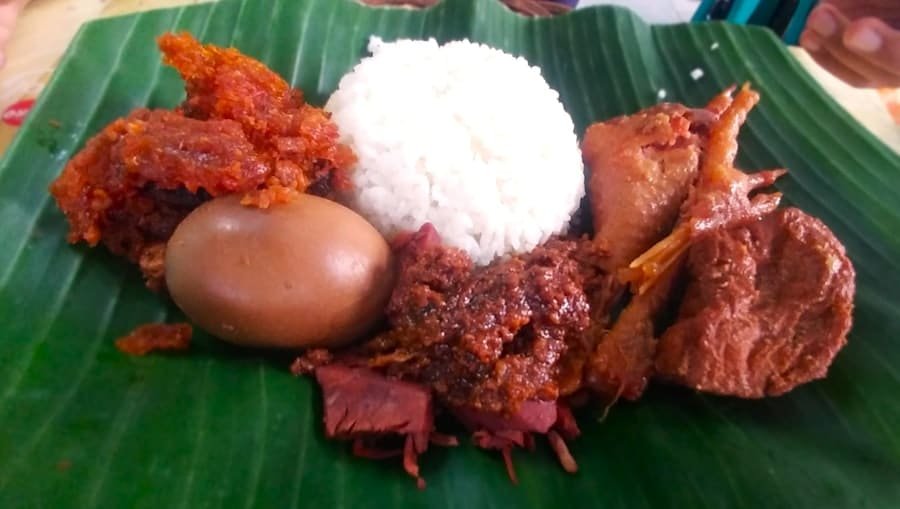
Creating a sample meal plan can help you visualize what a day on the 20/4 Intermittent Fasting Keto might look like. For instance, if you choose to eat from 2 PM to 6 PM, you could break your fast with a hearty meal featuring grilled salmon topped with avocado salsa served alongside sautéed spinach cooked in olive oil. This meal is rich in healthy fats and protein while keeping carbohydrates low.
For your second meal within the eating window, consider preparing a delicious stir-fry with chicken breast, broccoli, bell peppers, and a generous drizzle of sesame oil. You could finish off your eating window with a satisfying dessert like chia seed pudding made with coconut milk and topped with a few berries for added flavor without exceeding carb limits. This sample plan not only adheres to keto guidelines but also provides variety and satisfaction within your limited eating timeframe.
Foods to Eat and Avoid on 20/4 Intermittent Fasting Keto
When following the 20/4 Intermittent Fasting Keto approach, it’s crucial to know which foods will support your goals and which ones to avoid. Foods that are beneficial include high-quality fats such as avocados, nuts, seeds, olive oil, and fatty fish like salmon or mackerel. These foods provide essential nutrients while keeping you satiated during fasting periods.
Additionally, non-starchy vegetables like leafy greens, broccoli, cauliflower, and zucchini are excellent choices that are low in carbs but high in fiber. On the other hand, there are certain foods you should steer clear of while on this regimen. Sugary snacks and beverages are obvious culprits; they can spike insulin levels and disrupt ketosis.
Grains such as bread, pasta, rice, and even certain fruits should also be avoided due to their higher carbohydrate content. Processed foods often contain hidden sugars or unhealthy fats that can derail your progress as well. By focusing on whole foods that align with keto principles, you’ll set yourself up for success.
Potential Risks and Side Effects of 20/4 Intermittent Fasting Keto
While many people find success with 20/4 Intermittent Fasting Keto, it’s essential to be aware of potential risks and side effects associated with this dietary approach. One common issue is the “keto flu,” which can occur when transitioning into ketosis. Symptoms may include fatigue, headaches, irritability, and digestive discomfort as your body adjusts to burning fat instead of carbohydrates.
Staying hydrated and ensuring adequate electrolyte intake can help mitigate these symptoms. Another consideration is that intermittent fasting may not be suitable for everyone. Individuals with certain medical conditions or those who are pregnant or breastfeeding should consult a healthcare professional before starting this regimen.
Additionally, if you have a history of disordered eating or struggle with food relationships, fasting may exacerbate these issues rather than promote healthful habits. It’s crucial to listen to your body and seek guidance if needed.
Combining Exercise with 20/4 Intermittent Fasting Keto
Incorporating exercise into your routine while following 20/4 Intermittent Fasting Keto can enhance your results significantly. Engaging in physical activity during fasting periods may help accelerate fat loss since your body will be more likely to utilize stored fat for energy when glycogen levels are low. However, it’s essential to find a balance that works for you; some individuals may prefer exercising during their eating window when they have more energy from food.
Consider focusing on strength training or high-intensity interval training (HIIT) workouts during this time for optimal results. These types of exercises can help build muscle mass while promoting fat loss simultaneously. Additionally, incorporating low-intensity activities like walking or yoga during fasting periods can aid in recovery without depleting energy levels too much.
Ultimately, finding an exercise routine that complements your fasting schedule will contribute positively to your overall health journey.
Success Stories and Testimonials from 20/4 Intermittent Fasting Keto Practitioners
Many individuals have shared their success stories after adopting the 20/4 Intermittent Fasting Keto lifestyle. For instance, one practitioner reported losing over 30 pounds within just a few months while experiencing increased energy levels and improved mental clarity throughout the day. They noted that the structure of having a limited eating window made it easier for them to resist cravings and stick to their dietary goals.
Another testimonial highlights how someone managed to reverse their prediabetes diagnosis through this approach. By combining intermittent fasting with a ketogenic diet, they were able to stabilize their blood sugar levels significantly while shedding excess weight in the process. These success stories serve as inspiration for those considering embarking on their own journey with 20/4 Intermittent Fasting Keto.
Frequently Asked Questions about 20/4 Intermittent Fasting Keto
As you explore the world of 20/4 Intermittent Fasting Keto, you may have several questions regarding its implementation and effectiveness. One common inquiry is whether it’s necessary to count calories while following this regimen; while some individuals find it helpful for tracking progress initially, many others successfully manage their weight without strict calorie counting by focusing on whole foods within their eating window. Another frequently asked question pertains to how long one should follow this approach for optimal results; while some people may see significant changes within weeks or months, others might take longer depending on individual factors such as metabolism or adherence levels.
Ultimately, patience is key; finding what works best for you personally will lead to sustainable success over time. In conclusion, embarking on the journey of 20/4 Intermittent Fasting Keto can be transformative for both your physical health and mental well-being. By understanding its principles and benefits while being mindful of potential challenges along the way, you’ll be better equipped to navigate this lifestyle change successfully.
FAQs
What is 20/4 Intermittent Fasting Keto?
20/4 Intermittent Fasting Keto is a combination of the ketogenic diet and intermittent fasting. It involves consuming all of your daily calories within a 4-hour window while following a ketogenic eating pattern.
How does 20/4 Intermittent Fasting Keto work?
During the 20/4 Intermittent Fasting Keto, you fast for 20 hours and consume all of your daily calories within a 4-hour eating window. This helps your body enter a state of ketosis, where it burns fat for fuel instead of carbohydrates.
What can you eat during the 4-hour eating window on 20/4 Intermittent Fasting Keto?
During the 4-hour eating window, you should focus on consuming high-fat, moderate-protein, and low-carbohydrate foods that are typical of the ketogenic diet. This includes foods like meat, fish, eggs, avocados, nuts, seeds, and low-carb vegetables.
What are the potential benefits of 20/4 Intermittent Fasting Keto?
Some potential benefits of 20/4 Intermittent Fasting Keto include weight loss, improved insulin sensitivity, increased energy levels, and mental clarity. It may also help with appetite control and reducing inflammation in the body.
Are there any potential risks or drawbacks to 20/4 Intermittent Fasting Keto?
Some potential risks or drawbacks of 20/4 Intermittent Fasting Keto include the potential for nutrient deficiencies if not carefully planned, and the possibility of experiencing low energy levels or mood swings during the fasting period. It may not be suitable for everyone, especially those with certain medical conditions or eating disorders.
Is 20/4 Intermittent Fasting Keto suitable for everyone?
20/4 Intermittent Fasting Keto may not be suitable for everyone, especially those with certain medical conditions, pregnant or breastfeeding women, or individuals with a history of eating disorders. It’s important to consult with a healthcare professional before starting this eating pattern.