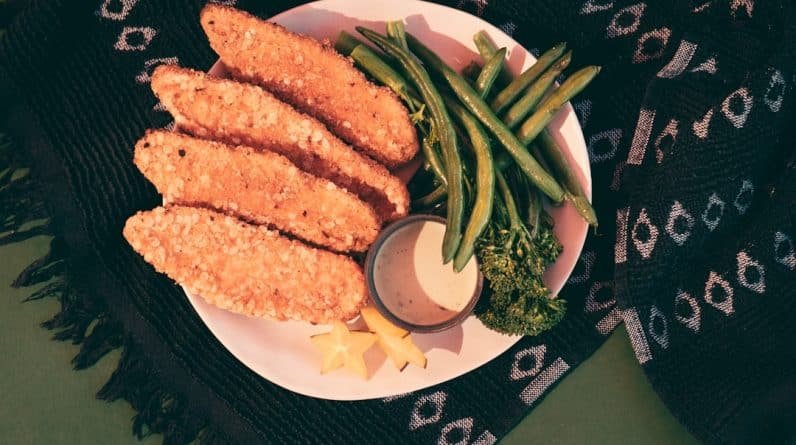
Embarking on a 30-day keto meal plan can be an exciting journey toward better health and wellness. If you’re looking to shed some pounds, boost your energy levels, or simply explore a new way of eating, this structured approach can provide you with the guidance you need. The ketogenic diet, characterized by its low carbohydrate and high-fat intake, encourages your body to enter a state of ketosis, where it burns fat for fuel instead of carbohydrates.
This meal plan is designed to help you transition smoothly into this lifestyle while ensuring you receive all the nutrients your body requires. As you dive into this 30-day plan, you’ll discover a variety of delicious meals that not only satisfy your taste buds but also keep you on track with your dietary goals. The structure of the plan allows you to gradually adapt to the keto lifestyle, making it easier to maintain long-term.
By committing to this month-long journey, you’re not just changing what you eat; you’re also embracing a healthier mindset that prioritizes your well-being.
Key Takeaways
- Introduction to the 30 Day Keto Meal Plan:
- The 30 Day Keto Meal Plan is a guide to help individuals follow a ketogenic diet for a month, with meal plans and recipes provided.
- Benefits of Following a Keto Meal Plan:
- Following a keto meal plan can lead to weight loss, improved energy levels, and better blood sugar control.
- Understanding the Basics of the Keto Diet:
- The keto diet involves consuming high fat, moderate protein, and very low carb foods to induce a state of ketosis in the body.
- How to Get Started with the 30 Day Keto Meal Plan:
- Getting started with the 30 Day Keto Meal Plan involves calculating your macronutrient needs, planning meals, and stocking up on keto-friendly ingredients.
- Sample Keto Meal Plan for the First Week:
- The first week of the 30 Day Keto Meal Plan includes sample meal plans for breakfast, lunch, and dinner, along with recipes for each meal.
Benefits of Following a Keto Meal Plan
One of the most compelling reasons to follow a keto meal plan is the potential for weight loss. By significantly reducing your carbohydrate intake, your body begins to burn stored fat for energy, leading to a decrease in body weight. Many individuals report rapid initial weight loss, which can be incredibly motivating as you start your journey.
Additionally, the high-fat content of the diet helps keep you feeling full and satisfied, reducing cravings and the likelihood of snacking on unhealthy foods. Beyond weight loss, the keto diet has been linked to various health benefits. Many people experience improved mental clarity and focus, as ketones—produced during ketosis—are a more efficient fuel source for the brain than glucose.
Furthermore, some studies suggest that a ketogenic diet may help manage blood sugar levels, making it a potential option for those with type 2 diabetes or insulin resistance. As you follow this meal plan, you may find that your energy levels stabilize throughout the day, allowing you to engage more fully in your daily activities.
Understanding the Basics of the Keto Diet

To successfully navigate your 30-day keto meal plan, it’s essential to understand the fundamentals of the ketogenic diet. At its core, the keto diet emphasizes a drastic reduction in carbohydrates while increasing fat intake. Typically, this means consuming around 70-75% of your daily calories from fats, 20-25% from protein, and only about 5-10% from carbohydrates.
This macronutrient ratio is crucial for achieving and maintaining ketosis. As you begin this journey, familiarize yourself with foods that fit within these guidelines. Healthy fats such as avocados, olive oil, and nuts will become staples in your diet.
Meanwhile, you’ll want to limit or eliminate foods high in carbohydrates, including bread, pasta, and sugary snacks. Understanding these basics will empower you to make informed choices as you plan your meals and snacks throughout the month.
How to Get Started with the 30 Day Keto Meal Plan
Getting started with your 30-day keto meal plan requires some preparation and planning. First, take the time to assess your current eating habits and identify areas where you can make changes. It may be helpful to keep a food diary for a few days to understand your typical intake better.
Once you have a clear picture of your current diet, you can begin to phase out high-carb foods and replace them with keto-friendly options. Next, create a shopping list based on the foods that align with your new dietary goals. Stocking your kitchen with keto staples will make it easier to stick to your meal plan.
Consider preparing some meals in advance or batch cooking to save time during busy weekdays. This preparation will not only help you stay on track but also reduce the temptation to reach for non-keto snacks when hunger strikes.
Sample Keto Meal Plan for the First Week
To help you kick off your 30-day keto journey, here’s a sample meal plan for your first week. On Day 1, start with scrambled eggs cooked in butter for breakfast, paired with avocado slices. For lunch, enjoy a spinach salad topped with grilled chicken and olive oil dressing.
Dinner could feature salmon baked with lemon and asparagus sautéed in garlic butter. As the week progresses, continue to explore different meal combinations. On Day 3, try a breakfast smoothie made with unsweetened almond milk, spinach, and protein powder.
For lunch, consider zucchini noodles topped with marinara sauce and meatballs made from ground beef or turkey. By Day 7, treat yourself to a hearty breakfast of bacon and eggs alongside sautéed mushrooms. This variety will keep your meals exciting while ensuring you stay within your carb limits.
Tips for Success on the Keto Diet
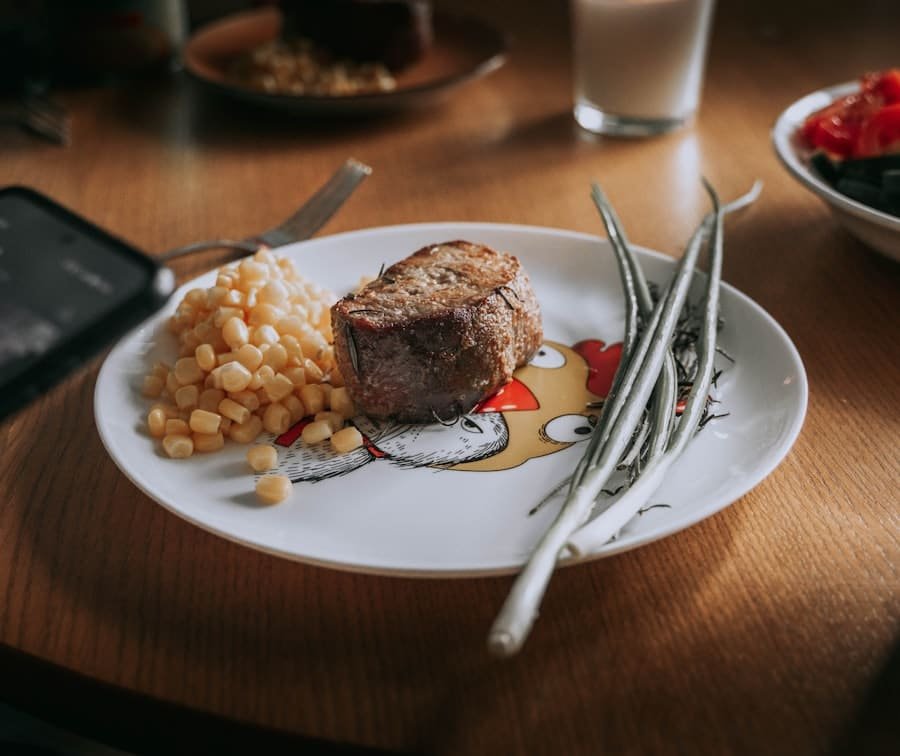
Hydration is Key
Success on the keto diet often hinges on preparation and mindset. One key tip is to stay hydrated; drinking plenty of water can help alleviate some common side effects associated with transitioning into ketosis, such as fatigue or headaches. Additionally, consider incorporating electrolytes into your routine by consuming foods rich in potassium and magnesium or using supplements if necessary.
Listen to Your Body
Another important aspect is to listen to your body. As you adjust to this new way of eating, pay attention to how different foods make you feel. Some individuals may find that they tolerate certain foods better than others; adjusting your meal plan accordingly can enhance your overall experience.
Seeking Support
Lastly, don’t hesitate to seek support from online communities or local groups focused on the keto lifestyle; sharing experiences and tips can provide motivation and encouragement along the way.
Incorporating Exercise into Your Keto Meal Plan
While following a keto meal plan primarily focuses on dietary changes, incorporating exercise can significantly enhance your results. Regular physical activity not only supports weight loss but also improves overall health and well-being. As you embark on this journey, consider integrating both cardio and strength training into your routine.
Start with moderate exercises that align with your fitness level; walking or cycling can be excellent options for beginners. As you become more comfortable with your new eating habits and energy levels increase, gradually introduce more intense workouts such as weightlifting or high-intensity interval training (HIIT). Remember that consistency is key; aim for at least 150 minutes of moderate aerobic activity each week while also including strength training exercises at least twice weekly.
How to Track Your Progress and Adjust Your Meal Plan
Tracking your progress is an essential component of any successful diet plan, including keto. Consider keeping a journal where you can log your meals, exercise routines, and how you feel each day. This practice will not only help you stay accountable but also allow you to identify patterns in your eating habits and energy levels.
As you monitor your progress over the 30 days, be open to adjusting your meal plan as needed. If you find that certain meals leave you feeling unsatisfied or if you’re not seeing the results you’d hoped for, don’t hesitate to experiment with different recipes or portion sizes. Flexibility is vital; what works for one person may not work for another, so be willing to adapt based on your unique needs and preferences.
Delicious Keto Recipes for Breakfast, Lunch, and Dinner
Exploring new recipes is one of the most enjoyable aspects of following a keto meal plan. For breakfast, consider whipping up a creamy chia seed pudding made with coconut milk and topped with berries for a refreshing start to your day. Alternatively, try making an omelet filled with cheese, spinach, and bell peppers for a savory option.
For lunch, a hearty cauliflower rice stir-fry can be both satisfying and nutritious; toss in some shrimp or chicken along with plenty of colorful vegetables for added flavor and texture. When it comes to dinner, indulge in a comforting beef stew made with low-carb vegetables like turnips and carrots simmered in rich broth. These recipes not only adhere to keto guidelines but also showcase the variety of flavors available within this dietary framework.
Dining Out and Traveling on the Keto Diet
Navigating dining out or traveling while on a keto diet can present challenges but is entirely manageable with some foresight. When dining at restaurants, opt for dishes that feature protein sources like steak or grilled chicken paired with non-starchy vegetables instead of bread or pasta sides. Don’t hesitate to ask for modifications; most restaurants are accommodating when it comes to dietary preferences.
When traveling, planning ahead is crucial. Research restaurants at your destination that offer keto-friendly options or pack snacks such as nuts or cheese sticks for times when healthy choices may be limited. With a little creativity and preparation, you can enjoy social outings and travel experiences without straying from your dietary goals.
Resources for Further Support and Information on the Keto Diet
As you embark on this 30-day keto meal plan journey, numerous resources are available to support you along the way. Online communities such as forums or social media groups dedicated to keto enthusiasts can provide valuable insights and encouragement from others who share similar goals. Additionally, consider exploring reputable websites or blogs that offer recipes, tips, and scientific information about the ketogenic diet.
Books written by experts in nutrition can also serve as excellent references; they often include meal plans and detailed explanations of how the diet works at a biochemical level. By leveraging these resources, you’ll equip yourself with knowledge and support that can enhance your experience on the keto diet while helping you achieve lasting results.
FAQs
What is a keto meal plan?
A keto meal plan is a high-fat, low-carbohydrate diet that aims to put the body into a state of ketosis, where it burns fat for fuel instead of carbohydrates.
What does a 30-day keto meal plan consist of?
A 30-day keto meal plan typically consists of recipes and meal ideas that are high in healthy fats, moderate in protein, and low in carbohydrates. It may include a variety of meats, fish, eggs, dairy, nuts, seeds, and low-carb vegetables.
Is a 30-day keto meal plan free PDF a good way to start a keto diet?
A 30-day keto meal plan free PDF can be a helpful resource for those looking to start a keto diet, as it provides structured meal ideas and recipes to follow. However, it’s important to consult with a healthcare professional before starting any new diet plan.
Are there any risks associated with following a keto meal plan?
Following a keto meal plan may come with some risks, such as nutrient deficiencies, potential increase in cholesterol levels, and the “keto flu” during the initial transition period. It’s important to be mindful of these risks and consult with a healthcare professional.
Can a 30-day keto meal plan help with weight loss?
Many people have reported successful weight loss while following a keto meal plan. The high-fat, low-carb nature of the diet can lead to reduced appetite and increased fat burning, which may contribute to weight loss.
Is it necessary to follow a 30-day keto meal plan to see results?
While a 30-day keto meal plan can provide structure and guidance, it’s not necessary to follow it exactly to see results on a keto diet. Some people may prefer to create their own meal plans based on keto principles.