As you embark on your journey toward better health, understanding the principles of the Keto diet and intermittent fasting is crucial. The Keto diet, short for ketogenic, is a low-carbohydrate, high-fat eating plan that aims to shift your body into a state of ketosis. In this metabolic state, your body becomes efficient at burning fat for energy instead of relying on carbohydrates.
This shift can lead to weight loss, improved mental clarity, and increased energy levels. By drastically reducing your carbohydrate intake and replacing it with healthy fats, you encourage your body to utilize fat stores for fuel. Intermittent fasting, on the other hand, is not about what you eat but rather when you eat.
This eating pattern alternates between periods of eating and fasting, allowing your body to enter a state of repair and rejuvenation during the fasting phase. There are various methods of intermittent fasting, such as the 16/8 method, where you fast for 16 hours and eat during an 8-hour window. Combining these two approaches can amplify their benefits, making it easier for you to achieve your health goals.
Key Takeaways
- The keto diet involves consuming high-fat, moderate-protein, and low-carb foods, while intermittent fasting involves cycling between periods of eating and fasting.
- Foods to eat on the keto diet include meat, fish, eggs, high-fat dairy, low-carb vegetables, and healthy fats like avocado and olive oil.
- Foods to avoid on the keto diet include sugary foods, grains, fruits high in sugar, starchy vegetables, and processed foods.
- Best foods for intermittent fasting include nutrient-dense foods like lean proteins, whole grains, fruits, vegetables, and healthy fats.
- Planning keto meals for intermittent fasting involves timing meals to fit within the fasting window, focusing on nutrient-dense foods, and staying hydrated.
Foods to Eat on the Keto Diet
When following the Keto diet, it’s essential to focus on foods that are high in healthy fats while being low in carbohydrates. You should prioritize avocados, which are rich in monounsaturated fats and provide essential nutrients like potassium. Incorporating nuts and seeds into your diet can also be beneficial; almonds, walnuts, and chia seeds are excellent sources of healthy fats and fiber.
Additionally, fatty fish such as salmon and mackerel are not only delicious but also packed with omega-3 fatty acids that support heart health. Dairy products can also play a significant role in your Keto diet. Full-fat cheese, heavy cream, and Greek yogurt can add flavor and richness to your meals while keeping your carb intake low.
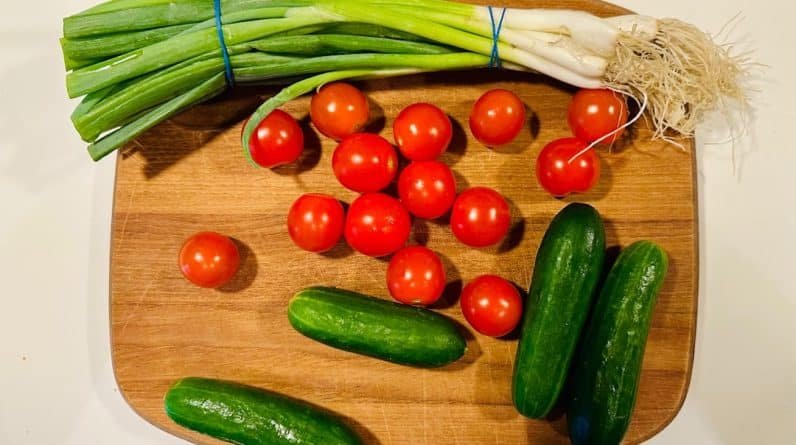
Non-starchy vegetables like spinach, kale, and broccoli should be staples in your diet as they are low in carbs but high in vitamins and minerals. By focusing on these foods, you can create satisfying meals that align with your Keto goals while ensuring you receive the nutrients your body needs.
Foods to Avoid on the Keto Diet
To successfully navigate the Keto diet, you must be aware of the foods that can hinder your progress. High-carbohydrate foods are the primary culprits to avoid. This includes bread, pasta, rice, and most grains that can spike your blood sugar levels and kick you out of ketosis.
Sugary snacks and beverages should also be eliminated from your diet; this means saying goodbye to candies, pastries, and even fruit juices that are high in sugar. Processed foods often contain hidden sugars and unhealthy fats that can derail your efforts. You should be cautious with items like salad dressings, sauces, and condiments that may seem harmless but can contain significant amounts of carbohydrates.
Instead of reaching for these items, consider making homemade versions using healthy fats like olive oil or avocado oil. By being mindful of what you consume, you can maintain a state of ketosis and enjoy the benefits of the Keto diet.
Best Foods for Intermittent Fasting
When practicing intermittent fasting, the quality of the food you consume during your eating window is paramount. You want to focus on nutrient-dense foods that will keep you satiated and energized throughout your fasting period. Whole foods such as lean proteins—like chicken, turkey, and tofu—should be staples in your meals.
These foods not only provide essential amino acids but also help maintain muscle mass while you’re losing weight. Incorporating plenty of vegetables into your meals is equally important. Leafy greens like spinach and kale are low in calories but high in fiber, which can help keep you feeling full longer.
Healthy fats from sources like olive oil, avocados, and nuts will also provide sustained energy during your fasting hours. By prioritizing these foods during your eating window, you can ensure that you’re nourishing your body effectively while adhering to your intermittent fasting schedule.
How to Plan Keto Meals for Intermittent Fasting
Planning your meals is a vital step in successfully combining the Keto diet with intermittent fasting. Start by determining your eating window based on the intermittent fasting method you choose. For instance, if you’re following the 16/8 method, you’ll want to plan two or three meals within that 8-hour window.
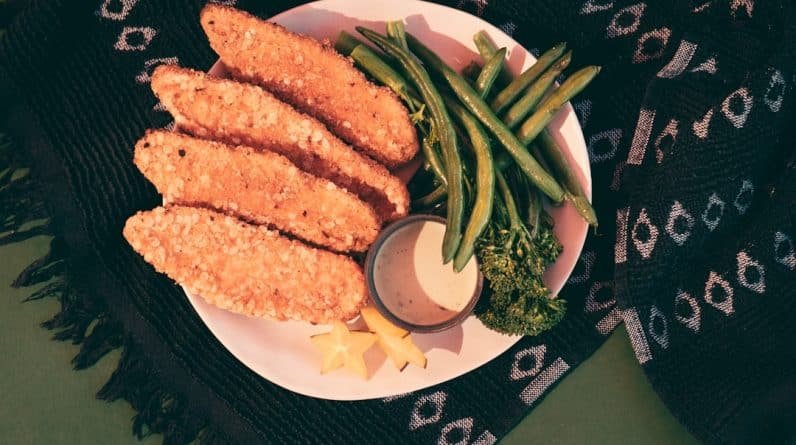
Focus on creating balanced meals that include a source of protein, healthy fats, and non-starchy vegetables. Meal prepping can be an effective strategy to ensure you have ready-to-eat options available during your eating window. Consider preparing dishes like zucchini noodles with pesto and grilled chicken or a hearty salad topped with avocado and olive oil dressing.
Having these meals prepped in advance will help you avoid reaching for unhealthy options when hunger strikes. Additionally, keep snacks like nuts or cheese on hand for those moments when you need a quick bite without breaking your fast.
Benefits of Combining Keto and Intermittent Fasting
The combination of the Keto diet and intermittent fasting offers a multitude of benefits that can enhance your overall health journey. One significant advantage is the potential for accelerated weight loss. Both approaches encourage your body to burn fat for fuel; when combined, they can create a powerful synergy that helps you shed unwanted pounds more effectively than either method alone.
Moreover, this combination may improve mental clarity and focus. Many individuals report heightened cognitive function when in ketosis due to the brain’s preference for ketones as an energy source. Intermittent fasting can further enhance this effect by promoting autophagy—a process where your body cleans out damaged cells—leading to improved brain health over time.
By embracing both strategies, you’re not only working toward physical transformation but also nurturing your mental well-being.
Tips for Success on a Keto Intermittent Fasting Plan
To thrive on a Keto intermittent fasting plan, there are several tips you should keep in mind. First and foremost, listen to your body. Pay attention to how you feel during fasting periods; if you’re feeling excessively hungry or fatigued, it may be worth adjusting your eating window or meal composition.
Staying flexible will help you find what works best for you. Another essential tip is to stay organized with meal planning and preparation. Having a clear plan will reduce the temptation to stray from your dietary goals when hunger strikes.
Consider keeping a food journal to track what you eat during your eating window; this can help you identify patterns and make necessary adjustments over time. Lastly, don’t forget to celebrate small victories along the way—acknowledging progress can keep you motivated on this journey.
Sample Keto Intermittent Fasting Meal Plan
Creating a sample meal plan can provide you with a practical framework for combining Keto with intermittent fasting effectively. For breakfast during your eating window, consider an omelet made with eggs, spinach, cheese, and avocado served alongside a side of bacon or sausage for added protein and healthy fats. For lunch, a salad topped with grilled chicken, olive oil dressing, nuts, and plenty of non-starchy vegetables can be both satisfying and nutritious.
As for dinner, think about preparing a dish like baked salmon with asparagus drizzled in lemon butter sauce or zucchini noodles tossed with ground beef and marinara sauce made from low-carb ingredients. If you’re feeling peckish between meals, snacks like cheese cubes or a handful of almonds can help keep hunger at bay without compromising your dietary goals.
Common Mistakes to Avoid on a Keto Intermittent Fasting Plan
While embarking on a Keto intermittent fasting journey can be rewarding, there are common pitfalls to watch out for along the way. One frequent mistake is not consuming enough electrolytes—sodium, potassium, and magnesium—especially during the initial stages of transitioning into ketosis. This deficiency can lead to symptoms often referred to as “keto flu,” which may include fatigue and headaches.
Another mistake is underestimating portion sizes during your eating window. While it’s essential to focus on low-carb foods, overeating even healthy fats can hinder weight loss progress. Be mindful of portion control while ensuring you’re still getting adequate nutrition from each meal.
Lastly, don’t forget to stay hydrated; sometimes thirst can be mistaken for hunger during fasting periods.
How to Stay Hydrated and Nourished on Keto Intermittent Fasting
Staying hydrated is crucial when following a Keto intermittent fasting plan. Water should be your primary beverage choice throughout the day; aim for at least eight glasses daily or more if you’re active or live in a hot climate. Herbal teas or black coffee can also be excellent options during fasting periods since they contain minimal calories while providing hydration.
In addition to water intake, consider incorporating electrolyte-rich beverages or supplements if you’re experiencing symptoms of dehydration or fatigue. Bone broth is another nourishing option that provides hydration along with essential nutrients without breaking your fast. By prioritizing hydration and nourishment during both fasting and eating periods, you’ll set yourself up for success on this health journey.
Consulting with a Healthcare Professional before Starting a Keto Intermittent Fasting Plan
Before diving into a Keto intermittent fasting plan, it’s wise to consult with a healthcare professional or registered dietitian who understands both dietary approaches. They can provide personalized guidance based on your individual health needs and goals while helping you navigate any potential challenges that may arise during the transition. A healthcare professional can also assist in monitoring any underlying health conditions or medications that may interact with these dietary changes.
By seeking expert advice before starting this journey, you’ll be better equipped to make informed decisions that support your overall well-being while maximizing the benefits of combining the Keto diet with intermittent fasting. In conclusion, understanding how to effectively combine the Keto diet with intermittent fasting can lead to significant health benefits if approached thoughtfully and strategically. By focusing on nutrient-dense foods while avoiding high-carb options, planning meals carefully, staying hydrated, and consulting with professionals when needed, you’ll be well on your way to achieving your health goals while enjoying this transformative lifestyle change.
FAQs
What is the keto diet?
The keto diet is a high-fat, low-carbohydrate diet that has been shown to help with weight loss and improve overall health. It involves drastically reducing carbohydrate intake and replacing it with fat, which puts the body into a metabolic state called ketosis.
What is intermittent fasting?
Intermittent fasting is an eating pattern that cycles between periods of fasting and eating. It does not specify which foods to eat, but rather when to eat them. There are several different methods of intermittent fasting, including the 16/8 method, the 5:2 method, and the eat-stop-eat method.
How does the keto diet work with intermittent fasting?
The keto diet and intermittent fasting can work well together because they both involve reducing carbohydrate intake and promoting fat burning. When combined, they can help the body reach a state of ketosis more quickly and efficiently, leading to increased fat burning and weight loss.
What foods are included in a keto list for intermittent fasting?
Foods included in a keto list for intermittent fasting typically include high-fat, low-carbohydrate foods such as meat, fish, eggs, dairy, nuts, seeds, and non-starchy vegetables. It is important to avoid high-carbohydrate foods such as grains, sugars, and starchy vegetables.
What are the potential benefits of following a keto list for intermittent fasting?
Potential benefits of following a keto list for intermittent fasting may include weight loss, improved blood sugar control, increased energy levels, and enhanced mental clarity. Some people also report reduced hunger and cravings while following this eating pattern.
Are there any potential risks or drawbacks to following a keto list for intermittent fasting?
Some potential risks or drawbacks of following a keto list for intermittent fasting may include nutrient deficiencies if not carefully planned, initial side effects such as the “keto flu,” and difficulty maintaining the eating pattern long-term. It is important to consult with a healthcare professional before making significant changes to your diet.