As you embark on your journey of motherhood, you may find yourself exploring various dietary options to support both your health and your baby’s needs. The ketogenic diet, commonly known as the keto diet, has gained popularity for its potential benefits in weight management and energy levels. However, when it comes to breastfeeding, understanding how this low-carbohydrate, high-fat diet affects your body and milk production is crucial.
The keto diet encourages your body to enter a state of ketosis, where it burns fat for fuel instead of carbohydrates. This metabolic shift can be beneficial for some, but it’s essential to consider how it may impact your milk supply and overall nutrition. Breastfeeding requires a significant amount of energy and nutrients to ensure that you produce enough milk for your baby.
While the keto diet can help you shed excess weight, it’s vital to ensure that you’re not compromising your nutritional intake. As a breastfeeding mother, your body needs a variety of nutrients to support both your health and the growth of your child. Therefore, understanding the balance between following a keto diet and meeting your breastfeeding needs is essential for your well-being and that of your baby.
Key Takeaways
- The keto diet can be safe for breastfeeding mothers if done correctly, but it’s important to understand the potential impact on milk supply and nutrient intake.
- Nutrient-dense foods are crucial for milk production, so breastfeeding mothers on a keto diet should focus on quality sources of protein, healthy fats, and a variety of vegetables.
- Balancing macros on a keto diet for breastfeeding mothers involves prioritizing protein intake, moderating carbohydrate consumption, and incorporating healthy fats to support both milk supply and energy levels.
- A sample keto meal plan for breastfeeding moms may include meals like grilled chicken with avocado and roasted vegetables, or salmon with a side of leafy greens and olive oil dressing.
- Incorporating healthy fats like avocados, nuts, seeds, and olive oil into a keto diet can support milk supply and provide essential nutrients for both mother and baby.
Importance of Nutrient-Dense Foods for Milk Production
When you’re breastfeeding, the quality of the food you consume directly impacts the quality of your milk. Nutrient-dense foods are those that provide a high amount of vitamins, minerals, and other essential nutrients relative to their calorie content. As you navigate the keto diet, focusing on these nutrient-dense options becomes even more critical.
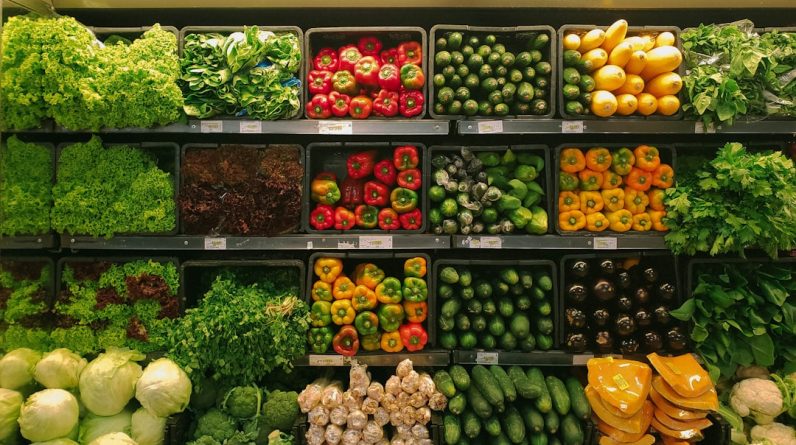
Foods rich in healthy fats, proteins, and vitamins will not only support your energy levels but also ensure that your milk is nourishing for your baby. Incorporating foods like avocados, nuts, seeds, and leafy greens into your keto meal plan can help you meet your nutritional needs while adhering to the principles of the diet. These foods are packed with essential fatty acids, vitamins A, D, E, and K, as well as minerals like calcium and magnesium.
By prioritizing nutrient-dense foods, you can create a balanced diet that supports both your health and milk production, ensuring that you provide the best for your little one.
Balancing Macros on a Keto Diet for Breastfeeding Mothers
One of the key components of the keto diet is the balance of macronutrients: fats, proteins, and carbohydrates. For breastfeeding mothers, achieving the right balance is crucial to maintain energy levels and support milk production. Typically, a standard keto diet consists of approximately 70-75% fats, 20-25% protein, and 5-10% carbohydrates.
However, as a breastfeeding mother, you may need to adjust these ratios slightly to ensure that you’re getting enough energy and nutrients. It’s important to listen to your body and adjust your macronutrient intake based on how you feel. You might find that increasing your carbohydrate intake slightly can help with energy levels and milk supply.
Focus on incorporating healthy sources of carbohydrates such as non-starchy vegetables and low-sugar fruits like berries. This way, you can maintain a state of ketosis while still providing your body with the necessary fuel to produce milk effectively.
Sample Keto Meal Plan for Breastfeeding Moms
Creating a meal plan that aligns with both the keto diet and your breastfeeding needs can be an effective way to stay on track. A sample meal plan might include a breakfast of scrambled eggs cooked in coconut oil with spinach and avocado on the side. For lunch, consider a salad topped with grilled chicken, olive oil dressing, and a variety of colorful vegetables.
Dinner could feature baked salmon with asparagus sautéed in butter, providing a rich source of omega-3 fatty acids. Snacks are also an important part of your day as a breastfeeding mother. You might enjoy a handful of mixed nuts or a small serving of full-fat Greek yogurt with chia seeds.
These snacks not only keep you satisfied but also contribute to your overall nutrient intake. By planning your meals ahead of time, you can ensure that you’re meeting both your dietary goals and the nutritional needs required for breastfeeding.
Incorporating Healthy Fats for Milk Supply
Healthy fats play a vital role in both the keto diet and milk production. They provide essential fatty acids that are crucial for brain development in infants and help maintain your energy levels as a breastfeeding mother. Incorporating sources of healthy fats such as avocados, olive oil, coconut oil, and fatty fish can enhance the quality of your milk while keeping you satiated throughout the day.
Moreover, healthy fats are not only beneficial for milk supply but also help in hormone regulation and overall health. As you navigate through this dietary transition, focus on including a variety of fat sources in your meals. This diversity will not only keep your meals interesting but also ensure that you’re getting a wide range of nutrients necessary for both you and your baby.
Hydration and Electrolyte Balance on a Keto Diet
Staying hydrated is crucial when following a keto diet, especially while breastfeeding. The process of ketosis can lead to increased water loss through urine, which means you need to be more mindful about your fluid intake. Drinking plenty of water throughout the day will help maintain hydration levels and support overall health.
In addition to hydration, maintaining electrolyte balance is essential on a keto diet. Electrolytes such as sodium, potassium, and magnesium play significant roles in muscle function and overall bodily processes. As you reduce carbohydrate intake, it’s common to experience fluctuations in these electrolytes.
To counteract this, consider incorporating foods rich in these minerals or even supplementing if necessary. Bone broth is an excellent source of electrolytes and can be easily included in your meal plan.
Avoiding Common Pitfalls on a Keto Diet while Breastfeeding
While the keto diet can offer benefits for weight management and energy levels, there are common pitfalls that breastfeeding mothers should be aware of. One major concern is inadvertently restricting calories too much in an effort to lose weight quickly. This can lead to decreased milk supply and negatively impact your energy levels.
It’s essential to prioritize nourishing foods over calorie restriction to ensure that both you and your baby are getting what you need. Another pitfall is neglecting variety in your diet. Sticking too rigidly to certain foods can lead to nutrient deficiencies over time.
Make it a point to include a wide range of foods in your meal plan to cover all necessary nutrients. By being mindful of these potential challenges, you can create a sustainable approach to the keto diet that supports both your health goals and breastfeeding journey.
Snack Ideas to Support Milk Supply on a Keto Diet
Snacking can be an effective way to maintain energy levels while ensuring that you’re meeting your nutritional needs as a breastfeeding mother on a keto diet. Opting for snacks that are high in healthy fats and protein will not only keep you satisfied but also support milk production. Some great snack ideas include cheese slices paired with olives or avocado slices topped with salt and pepper.
Another option could be nut butter spread on celery sticks or cucumber slices for a refreshing crunch. Hard-boiled eggs are also an excellent choice; they are portable and packed with protein. By keeping these snacks readily available, you can easily nourish yourself throughout the day without compromising on your dietary goals.
Supplements to Consider for Breastfeeding Mothers on a Keto Diet
While focusing on whole foods is essential for any diet, supplements can play a supportive role in ensuring that you’re meeting all necessary nutrient requirements while following a keto diet during breastfeeding. Omega-3 fatty acids are particularly important for brain development in infants; if you’re not consuming enough fatty fish or flaxseeds, consider an omega-3 supplement. Additionally, vitamin D is crucial for both maternal health and infant development; if you’re not getting enough sun exposure or dietary sources, supplementation may be beneficial.
Always consult with a healthcare professional before starting any new supplements to ensure they align with your individual needs as a breastfeeding mother.
Tips for Managing Hunger and Energy Levels on a Keto Diet
Managing hunger and energy levels can be challenging while following a keto diet as a breastfeeding mother. One effective strategy is to eat smaller meals more frequently throughout the day rather than sticking to three large meals. This approach can help stabilize blood sugar levels and prevent energy crashes.
Incorporating high-fiber foods such as leafy greens can also help keep you feeling full longer while providing essential nutrients. Additionally, don’t hesitate to listen to your body’s hunger cues; if you’re feeling hungry between meals, opt for healthy snacks that align with your dietary goals rather than ignoring those signals.
Consulting with a Healthcare Professional for Individualized Support
As you navigate the complexities of following a keto diet while breastfeeding, consulting with a healthcare professional can provide invaluable support tailored specifically to your needs. A registered dietitian or nutritionist can help you create an individualized meal plan that ensures you’re meeting both your dietary goals and nutritional requirements for breastfeeding. Moreover, they can assist in monitoring any changes in milk supply or energy levels as you adjust to this new way of eating.
Having professional guidance can empower you to make informed decisions about your diet while ensuring that both you and your baby thrive during this important time in your lives.
FAQs
What is a keto meal plan?
A keto meal plan is a low-carb, high-fat diet that has been shown to help with weight loss and improve overall health. It involves reducing carbohydrate intake and replacing it with fat, which puts the body into a metabolic state called ketosis.
Can a keto meal plan support milk supply for breastfeeding mothers?
There is limited research on the effects of a keto diet on milk supply, but some breastfeeding mothers have reported a decrease in milk production when following a strict keto meal plan. It is important for breastfeeding mothers to consult with a healthcare professional before making significant changes to their diet.
What are some key considerations for breastfeeding mothers following a keto meal plan?
Breastfeeding mothers following a keto meal plan should ensure they are consuming enough calories and staying hydrated. It is also important to focus on nutrient-dense foods and monitor milk supply closely. Consulting with a healthcare professional or a lactation consultant is recommended.
What are some keto-friendly foods that can support milk supply?
Some keto-friendly foods that can support milk supply include leafy greens, nuts and seeds, fatty fish, and healthy fats such as avocado and coconut oil. It is important to maintain a well-balanced diet that provides essential nutrients for both the mother and the baby.
Are there any potential risks for breastfeeding mothers following a keto meal plan?
Following a strict keto meal plan may lead to nutrient deficiencies and potential impacts on milk supply for some breastfeeding mothers. It is important to monitor for any signs of decreased milk production or changes in the baby’s behavior and consult with a healthcare professional if any concerns arise.