Have you ever wondered what the buzz around the Keto diet is all about? Well, let me break it down for you. The Keto diet, short for ketogenic diet, is a low-carb, high-fat eating plan that aims to encourage your body to enter a state of ketosis. This metabolic state helps your body burn fat for fuel instead of carbohydrates, resulting in potential weight loss and improved mental clarity. So, if you’re curious to learn more about how the Keto diet works and its potential benefits, this article is here to help you out!

What is the Keto Diet?
Definition of the Keto Diet
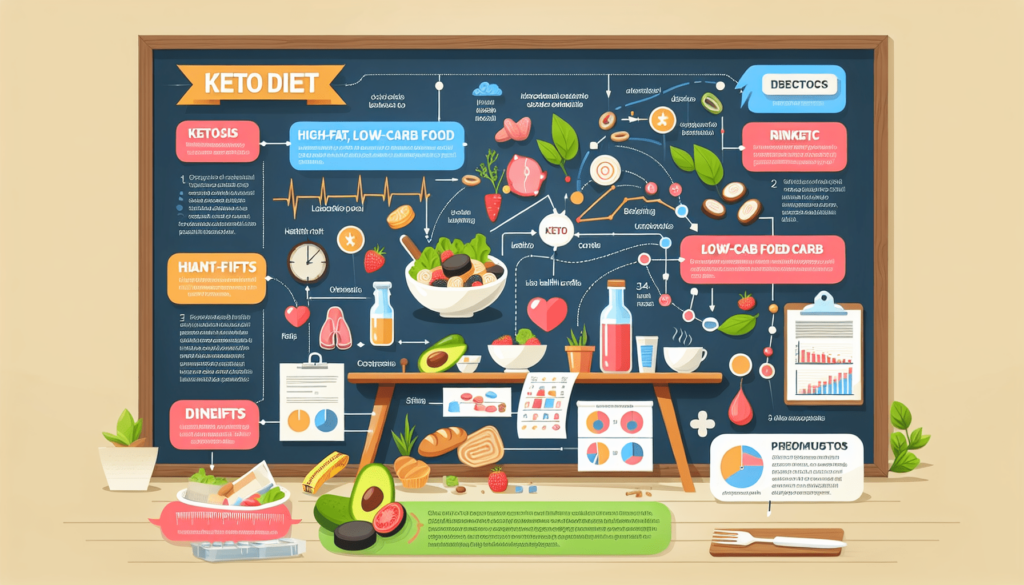
The Keto Diet, short for ketogenic diet, is a low-carb, high-fat diet that has gained popularity in recent years. This diet focuses on drastically reducing carbohydrate intake and replacing it with fat. By doing so, your body enters a metabolic state known as ketosis, where it burns fat for energy instead of glucose.
Purpose of the Keto Diet
The main purpose of the Keto Diet is to shift your body’s primary source of fuel from carbohydrates to fat. By reducing carbohydrate intake and increasing fat consumption, the Keto Diet aims to promote weight loss, improve blood sugar control, increase energy levels, and enhance mental focus. Additionally, the Keto Diet has been studied for its potential benefits in treating epilepsy and other medical conditions.
How the Keto Diet Works
When you restrict carbohydrates, your body is forced to find an alternative fuel source. In the absence of carbs, your liver begins to convert fat into molecules called ketones, which are then used as fuel by the brain and other organs. By shifting your body’s energy source from glucose to ketones, you enter a state of ketosis. This metabolic state can help you burn stored fat and promote weight loss.
Benefits of the Keto Diet
There are several potential benefits associated with following the Keto Diet. One of the main advantages is weight loss. By restricting carbohydrates and increasing fat intake, your body becomes more efficient at burning stored fat for energy. Many people find that the Keto Diet helps them achieve their weight loss goals more effectively compared to other diets. Additionally, the Keto Diet has been shown to improve blood sugar control, increase energy levels, enhance mental focus, and reduce inflammation in some individuals.
Getting Started with the Keto Diet
Consulting a Healthcare Professional
Before starting any new diet or making significant changes to your eating habits, it is important to consult a healthcare professional or registered dietitian. They can provide personalized advice and guidance based on your individual health needs and goals. This is especially crucial if you have any pre-existing medical conditions or are taking medication.
Understanding Macronutrient Ratios
A key aspect of the Keto Diet is understanding macronutrient ratios. The typical macronutrient breakdown for the Keto Diet is approximately 70-75% of calories from fat, 20-25% of calories from protein, and 5-10% of calories from carbohydrates. It is important to keep these ratios in mind when planning your meals and snacks.
Determining Daily Calorie Intake
To make sure you’re consuming the right amount of calories on the Keto Diet, it’s important to determine your daily calorie intake. This can be done by calculating your basal metabolic rate (BMR) or by using online calculators that take into account your age, weight, height, and activity level. Once you have your daily calorie intake, you can then allocate the appropriate amount to fats, proteins, and carbohydrates.
Creating a Meal Plan
Meal planning is an essential part of successfully following the Keto Diet. Take some time to research and plan out your meals for the week. Focus on incorporating high-quality fats, adequate protein, and low-carb vegetables into your meals. Having a well-thought-out meal plan can help you stay on track and avoid impulsive food choices.
Stocking Up on Keto-Friendly Foods
In order to stick to the Keto Diet, it’s important to have a well-stocked kitchen filled with keto-friendly foods. Some key staples you may want to have on hand include healthy fats such as avocados, coconut oil, and olive oil, high-quality proteins like grass-fed beef, poultry, and seafood, low-carb vegetables such as spinach, broccoli, and cauliflower, as well as nuts and seeds.
Tracking Progress and Adjusting
To gauge the effectiveness of the Keto Diet for your individual body and goals, it’s important to track your progress. Keep a food diary or use a mobile app to log your meals, snacks, and macronutrient intake. Additionally, monitor your weight, body measurements, and energy levels. Based on your progress and any potential challenges, you may need to adjust your macronutrient ratios or make other modifications to optimize your results.
The Importance of Ketosis
What is Ketosis?
Ketosis is a metabolic state where your body uses ketones, produced from fat breakdown, as its primary source of energy instead of glucose. It is a natural process that occurs when carbohydrates are restricted, and the body needs to find an alternative fuel source. With a low-carb, high-fat diet like the Keto Diet, you can enter and maintain a state of ketosis.
How to Achieve Ketosis
To achieve ketosis, you need to significantly restrict your carbohydrate intake. Most people on the Keto Diet aim for consuming around 20-50 grams of net carbs per day. Net carbs are calculated by subtracting dietary fiber from total carbohydrates. By limiting your carb intake and increasing your fat intake, your body will eventually deplete its glycogen stores and transition into a state of ketosis.
Benefits of Achieving Ketosis
Entering ketosis can bring about several benefits. One of the main advantages is weight loss. Ketosis promotes the burning of stored fat as fuel, leading to significant weight loss for many individuals. Additionally, ketosis has been shown to improve insulin sensitivity and blood sugar control, making it beneficial for individuals with type 2 diabetes or metabolic syndrome. Some people also report increased mental clarity, improved focus, and sustained energy levels while in ketosis.
Potential Side Effects of Ketosis
While ketosis can have many benefits, it’s important to be aware of potential side effects. Some individuals may experience what is commonly known as the “keto flu” during the initial transition phase. This can cause symptoms such as fatigue, dizziness, nausea, and irritability. These symptoms usually resolve within a few days to a week as your body adjusts to using ketones as its primary source of fuel. It is also important to stay properly hydrated and ensure you’re getting sufficient electrolytes, as the reduced carbohydrate intake can affect your body’s electrolyte balance.
Foods to Eat on the Keto Diet
Healthy Fat Sources
When following the Keto Diet, it’s essential to consume healthy fat sources to meet your daily fat intake goals. Some examples of healthy fats include avocados, coconut oil, olive oil, nuts and seeds, full-fat dairy products, and fatty fish like salmon and mackerel. These fats provide the necessary fuel for your body while keeping you satiated.
Protein Sources
Getting adequate protein is important on the Keto Diet to support muscle growth and repair. Good sources of protein include grass-fed beef, poultry, eggs, wild-caught fish, and plant-based options like tofu and tempeh. Be mindful of the protein amounts you consume, as excessive protein intake can potentially kick you out of ketosis.
Low-Carb Vegetables
While the Keto Diet restricts carbohydrates, you can still enjoy a variety of low-carb vegetables. These include leafy greens like spinach and kale, cruciferous vegetables like broccoli and cauliflower, asparagus, zucchini, and bell peppers. These vegetables provide essential nutrients, fiber, and volume to your meals without significantly impacting your carbohydrate intake.
Dairy Products
Dairy products can be incorporated into the Keto Diet, but it’s important to choose full-fat options and limit intake depending on your personal tolerance. Some keto-friendly dairy products include cheese, butter, full-fat yogurt, and heavy cream. These provide a good source of fat and can add flavor to your meals.
Nuts and Seeds
Nuts and seeds are a nutritious and convenient snack option on the Keto Diet. They are high in healthy fats and provide important nutrients like vitamin E, magnesium, and fiber. Some keto-friendly options include almonds, walnuts, chia seeds, flaxseeds, and pumpkin seeds. Just be mindful of portion sizes, as they can be calorie-dense.
Foods to Avoid
When following the Keto Diet, it’s important to avoid or strictly limit certain foods. These include sugary treats and beverages, grains, starchy vegetables like potatoes and corn, high-carb fruits like bananas and grapes, legumes, and refined oils. These foods are high in carbohydrates and can inhibit the body’s ability to enter and maintain ketosis.

Meal Planning on the Keto Diet
Creating Balanced Meals
Creating balanced meals on the Keto Diet involves combining healthy fats, adequate protein, and low-carb vegetables. Aim for a variety of foods to ensure you’re getting a wide range of nutrients. For example, you could have a meal consisting of salmon (protein and healthy fats), sautéed spinach (low-carb vegetables), and a side of mashed cauliflower (low-carb substitute for potatoes).
Sample Keto Meal Plan
Here is a sample one-day keto meal plan to give you an idea of how to structure your meals:
- Breakfast: Scrambled eggs cooked in butter with spinach and mushrooms, topped with avocado slices.
- Snack: Handful of almonds and celery sticks with almond butter.
- Lunch: Grilled chicken breast served on a bed of mixed greens with cherry tomatoes, cucumber, and feta cheese, dressed with olive oil and lemon juice.
- Snack: Cottage cheese with a sprinkle of chia seeds and raspberries.
- Dinner: Pan-seared salmon with asparagus and cauliflower rice.
- Dessert: Full-fat Greek yogurt with a drizzle of sugar-free chocolate syrup and a few crushed walnuts.
Snack Ideas
When you need a quick snack on the Keto Diet, there are plenty of options that are low in carbs and high in healthy fats. Some ideas include hard-boiled eggs, cheese slices or cubes, beef jerky, olives, pork rinds, and sugar-free nut butter.
Eating Out on the Keto Diet
Eating out while following the Keto Diet can be a challenge, but it is possible with some planning. Look for dishes that include healthy fats, protein, and low-carb vegetables. Opt for grilled or roasted meats, salads with full-fat dressings, and ask for any high-carb ingredients (e.g., bread, rice, potatoes) to be substituted with additional vegetables.
Keto-Friendly Recipes
There are countless keto-friendly recipes available to keep your meals interesting and varied. You can find recipes for keto bread, cauliflower crust pizza, zucchini noodles, fat bombs, and more. Experimenting with different recipes allows you to enjoy delicious meals while staying within the parameters of the Keto Diet.
Keto Meal Delivery Options
If you find it challenging to plan and prepare keto-friendly meals, there are meal delivery services specifically catering to the keto lifestyle. These services provide pre-prepared meals or meal kits that are designed to be low in carbs and high in healthy fats. They can be a convenient option for those who are busy or have limited cooking skills.
Potential Benefits of the Keto Diet
Weight Loss
One of the main benefits associated with the Keto Diet is weight loss. By entering ketosis, your body becomes more efficient at burning stored fat for energy. When combined with a calorie deficit, the Keto Diet can lead to significant and sustainable weight loss.
Better Blood Sugar Control
The Keto Diet has been shown to improve blood sugar control, making it beneficial for individuals with type 2 diabetes or metabolic syndrome. By reducing carbohydrate intake and maintaining stable blood sugar levels, the Keto Diet can help regulate insulin secretion and improve insulin sensitivity.
Increased Energy Levels
Many people report increased energy levels while following the Keto Diet. When your body is in ketosis, it efficiently burns fat for fuel, providing a steady source of energy throughout the day. Additionally, since the Keto Diet stabilizes blood sugar levels, you may experience less energy crashes and improved overall energy levels.
Improved Mental Focus
Another potential benefit of the Keto Diet is improved mental focus and clarity. When your brain utilizes ketones as its primary fuel source, it can function optimally without the energy fluctuations associated with glucose metabolism. Some individuals on the Keto Diet report enhanced cognitive function and better concentration.
Reduced Inflammation
Chronic inflammation is linked to various health conditions, including heart disease, diabetes, and autoimmune disorders. Research suggests that the Keto Diet may help reduce inflammation in the body. By cutting out inflammatory foods like processed carbs and sugars, and focusing on whole, nutrient-dense foods, the Keto Diet may have an anti-inflammatory effect.
Potential Treatment for Epilepsy and Other Conditions
The Keto Diet was initially developed as a treatment for epilepsy, and it is still used today to help control seizures in some individuals, particularly children. Research has shown that the Keto Diet can have a significant positive impact on seizure frequency and severity. Additionally, the Keto Diet is currently being studied for its potential benefits in other conditions such as Alzheimer’s disease, Parkinson’s disease, and certain types of cancer.

Side Effects and Considerations
Keto Flu
The initial transition into ketosis can sometimes come with side effects, commonly referred to as the “keto flu.” These symptoms can include fatigue, headaches, irritability, dizziness, and muscle cramps. They are usually temporary and subside within a few days to a week as your body adapts to using ketones as its primary fuel source.
Nutrient Deficiencies
Restricting food groups or certain types of food on the Keto Diet can increase the risk of nutrient deficiencies if not properly planned. It’s important to choose nutrient-dense foods to ensure you’re meeting your nutritional needs. If you’re concerned about deficiencies, consider incorporating a high-quality multivitamin or specific supplements recommended by a healthcare professional.
Digestive Issues
Some individuals may experience digestive issues when first starting the Keto Diet. This can include constipation, bloating, and changes in bowel movements. To prevent or alleviate these issues, make sure you’re staying properly hydrated, consuming enough fiber from low-carb vegetables, and incorporating healthy fats that promote healthy digestion.
Effect on Athletic Performance
The Keto Diet may affect athletic performance, especially during high-intensity or endurance workouts. Initially, you may experience a decrease in performance due to the body adapting to relying on fat as its primary fuel source instead of carbohydrates. However, some individuals have reported improved endurance after becoming keto-adapted. It may take time for your body to fully adjust, so it’s important to listen to your body and experiment with your nutrition to find what works best for you.
Long-Term Sustainability
While the Keto Diet can be effective for short-term weight loss and certain medical conditions, it may not be sustainable for everyone in the long term. Restricting carbohydrates can be challenging, and some individuals may find it difficult to adhere to the strict guidelines of the diet indefinitely. It is essential to consider your personal preferences, lifestyle, and long-term goals when deciding whether the Keto Diet is a suitable option for you.
Frequently Asked Questions (FAQs)
Is the Keto Diet Safe?
The Keto Diet can be safe for many individuals, but it may not be suitable for everyone. It is always recommended to consult with a healthcare professional before starting any new diet, particularly if you have pre-existing medical conditions or are taking medication. They can provide personalized advice and guidance based on your individual needs.
Who Should Avoid the Keto Diet?
Certain individuals should avoid the Keto Diet or be cautious when considering it. These include individuals with pancreatic, liver, or gallbladder disease, those with a history of eating disorders, pregnant or breastfeeding women, and individuals with uncontrolled type 1 diabetes. Additionally, children and adolescents should only follow a ketogenic diet under medical supervision.
How Long Does It Take to Enter Ketosis?
The time it takes to enter ketosis can vary from individual to individual. It usually takes anywhere from 2 to 7 days of strictly adhering to a low-carbohydrate, high-fat diet to achieve ketosis. Factors such as physical activity level, metabolism, and overall carbohydrate intake can influence the duration.
Can I Drink Alcohol on the Keto Diet?
Alcohol can be consumed in moderation on the Keto Diet, but it’s important to choose low-carb options. Straight spirits like vodka, whiskey, and tequila are generally low in carbs. Be cautious with mixed drinks and cocktails, as they often contain sugary mixers. Also, keep in mind that alcohol can temporarily stall your body’s ability to burn fat while it metabolizes the alcohol.
Is Intermittent Fasting Recommended with the Keto Diet?
Intermittent fasting is often combined with the Keto Diet to enhance the benefits of both approaches. Intermittent fasting involves restricting your eating window to a specific time period and fasting for the rest of the day. This can help accelerate the process of entering ketosis and may increase fat-burning. However, it is important to listen to your body and consult with a healthcare professional before incorporating intermittent fasting into your routine.
What Should I Do If I Experience Side Effects?
If you experience any side effects, such as the keto flu symptoms or digestive issues, make sure you’re giving your body enough time to adjust. Stay properly hydrated, consume adequate electrolytes, and ensure you’re getting enough fiber from low-carb vegetables. If the side effects persist or worsen, consult with a healthcare professional for personalized advice.
Is the Keto Diet Suitable for Vegetarians or Vegans?
While the traditional Keto Diet emphasizes animal products as a source of healthy fats and protein, it is possible to follow a vegetarian or vegan version of the Keto Diet. Plant-based fats like avocados, coconut oil, and olive oil, along with vegetarian protein sources like tofu, tempeh, and seitan, can be incorporated into the diet. It may require more planning and creativity to meet your nutritional needs, but it is feasible.
Can I Follow the Keto Diet while Pregnant or Breastfeeding?
The Keto Diet is generally not recommended for pregnant or breastfeeding women. During these periods, it’s important to prioritize a balanced, nutrient-dense diet that supports the unique needs of the mother and the developing baby. Consult with a healthcare professional or registered dietitian who specializes in prenatal or postnatal nutrition for personalized recommendations.
How Does the Keto Diet Compare to Other Low-Carb Diets?
The Keto Diet is a specific type of low-carb diet that focuses on achieving and maintaining ketosis. Other low-carb diets may have different macronutrient ratios or restrictions. The main difference between the Keto Diet and other low-carb diets is the emphasis on ketosis as the primary goal. It’s important to choose a diet that aligns with your personal preferences, health goals, and lifestyle.
Success Tips and Strategies
Staying Consistent and Committed
Consistency is key when following the Keto Diet. Stick to your meal plan, track your progress, and be committed to your goals. Understand that the diet may require adjustment periods and occasional setbacks, but staying consistent will help you reap the benefits in the long run.
Managing Carb Cravings
Carb cravings can be a challenge while following the Keto Diet, especially in the beginning. Some strategies to manage cravings include staying hydrated, incorporating healthy fats into your meals to keep you satiated, and distracting yourself with other activities when cravings strike. Over time, as your body adjusts to the diet, cravings may diminish.
Staying Hydrated
Proper hydration is crucial on the Keto Diet. Make sure to drink enough water throughout the day to stay properly hydrated. Aim for at least 8 glasses (64 ounces) of water per day, or more if you’re physically active or live in a hot climate. Proper hydration helps with digestion, energy levels, and overall well-being.
Getting Sufficient Electrolytes
When following the Keto Diet, your electrolyte balance may be affected due to reduced carbohydrate intake. To prevent electrolyte imbalances, consider adding electrolyte-rich foods or supplements into your daily routine. Sodium, magnesium, and potassium are especially important for adequate hydration and proper bodily function.
Incorporating Exercise
Regular physical activity is always beneficial for overall health and well-being. Incorporating exercise while following the Keto Diet can further enhance weight loss and overall fitness. Consider incorporating both cardiovascular exercises and strength training to optimize your results. However, keep in mind that you may need to adjust your nutrition to support your energy needs during workouts.
Seeking Support and Accountability
Seeking support from friends, family, or online communities can be invaluable while following the Keto Diet. Finding like-minded individuals who are also following the diet can provide motivation, accountability, and a sense of community. Share your successes, challenges, and experiences to stay motivated and inspired.
Conclusion
The Keto Diet is a low-carb, high-fat diet that aims to shift your body’s primary source of fuel to fat instead of glucose. By following the guidelines and strategies outlined in this article, you can get started on the Keto Diet with confidence. Remember to consult a healthcare professional, understand the importance of ketosis, prioritize healthy food choices, and personalize the diet to suit your own needs and preferences. With dedication and consistency, you can reap the potential benefits of the Keto Diet and achieve your health and wellness goals.