
Are you a fan of the Keto diet and trying to navigate the world of daily carb management? Look no further than “The Ultimate Guide to Managing Daily Carbs on the Keto Diet.” This comprehensive guide will provide you with all the tips and tricks you need to make informed choices about your carb intake while following the Keto diet. Whether you’re a beginner or a seasoned Keto enthusiast, this article will equip you with the knowledge and strategies to stay on track and achieve your dietary goals. Say goodbye to confusion and hello to success on your Keto journey.
Setting Your Carb Limit
Understanding the Keto Diet
The keto diet is a low-carb, high-fat diet that has gained immense popularity for its ability to promote weight loss and improve overall health. The main principle of the keto diet is to drastically reduce carb intake and replace it with healthy fats. This shift in macronutrient ratios brings your body into a state of ketosis, where it relies on fat for fuel instead of carbohydrates.
Determining Your Personal Carb Limit
While the general rule of thumb for the keto diet is to consume less than 20-50 grams of carbs per day, it’s important to find your personal carb limit that works best for your body. Factors such as your activity level, metabolic rate, and weight loss goals can influence your carb limit. It’s crucial to experiment and find the sweet spot that allows you to stay in ketosis while still enjoying a varied and satisfying diet.
Factors Affecting Your Carb Limit
Several factors can affect your carb limit on the keto diet. These include age, gender, body composition, and activity level. Generally, younger and more active individuals can tolerate a higher carb intake while staying in ketosis. On the other hand, older individuals or those with insulin resistance may need to restrict their carb intake even further. It’s important to listen to your body and adjust your carb limit accordingly to achieve your desired results.
Tracking Your Carb Intake
Importance of Tracking Carbs
Tracking your carb intake is essential for the success of the keto diet. By monitoring your carb consumption, you can ensure that you stay within your target carb limit and remain in ketosis. Tracking also allows you to identify any hidden sources of carbs in your diet and make necessary adjustments. Without proper tracking, it can be easy to unknowingly exceed your carb limit and hinder your progress.
Choosing a Tracking Method
There are several methods available for tracking your carb intake. One popular option is using a mobile app or online tracker, which allows you to log your daily meals and calculate the carb content automatically. Additionally, you can keep a food journal or use a printable tracker to manually record your carb intake. Find a method that suits your lifestyle and preferences, making it easier to stick to your tracking routine.
Tips for Accurate Tracking
To ensure accurate tracking of your carb intake, it’s important to follow some tips and guidelines. Start by reading nutrition labels and familiarizing yourself with the carb content of different foods. When tracking meals, measure your ingredients using a kitchen scale for precise calculations. Be diligent in recording every item you consume, including beverages and condiments. It’s also helpful to plan your meals in advance and pre-log them to stay on top of your carb count throughout the day.
Calculating Net Carbs

The Concept of Net Carbs
Net carbs refer to the total amount of carbohydrates in a food item minus the fiber content and certain sugar alcohols. Since fiber is indigestible and does not significantly impact blood sugar levels, it is subtracted from the total carb count. This allows you to track the carbs that have a direct impact on your ketosis and better manage your carb intake.
How to Calculate Net Carbs
To calculate net carbs, simply subtract the fiber content from the total carb count of a food item. For example, if a food contains 10 grams of total carbs and 5 grams of fiber, the net carb count would be 5 grams. This method gives you a more accurate representation of the carbs you’re actually consuming and helps you make informed decisions when choosing foods.
Foods with Low Net Carb Count
There are plenty of delicious and nutritious foods with low net carb counts that are suitable for the keto diet. Some examples include leafy greens like spinach and kale, cruciferous vegetables, such as broccoli and cauliflower, high-fat dairy products like full-fat cheese and cream, and various nuts and seeds. Incorporating these foods into your diet can help you meet your nutritional needs while staying within your carb limit.
Choosing the Right Carbohydrate Sources
Whole Foods vs Processed Foods
When it comes to choosing carbohydrate sources on the keto diet, prioritizing whole foods is crucial. Whole foods, such as vegetables, nuts, and seeds, provide essential nutrients and fiber while being naturally low in carbs. Processed foods, on the other hand, often contain added sugars, unhealthy fats, and hidden carbs that can sabotage your ketosis. Opting for whole foods gives you more control over your carb intake and ensures you’re fueling your body with quality nutrients.
Fiber-Rich Carbs on Keto
While carbs are generally limited on the keto diet, including fiber-rich carbs can provide numerous health benefits. Fiber aids in digestion, promotes feelings of fullness, and helps maintain stable blood sugar levels. Opt for fiber-rich options like avocados, chia seeds, flaxseeds, and non-starchy vegetables. These sources of fiber not only contribute to your overall carb count but also provide essential nutrients that support your well-being.
Healthy Fats to Complement Carbs
On the keto diet, fats become a primary source of energy. To complement your carb intake, it’s important to choose healthy fats that support your health and ketosis. Opt for sources like avocados, olive oil, coconut oil, nuts, and seeds. These fats not only add flavor and satiety to your meals but also provide vital nutrients and promote optimal functioning of your body.
Managing Carb Intake Throughout the Day
Balancing Macros in Each Meal
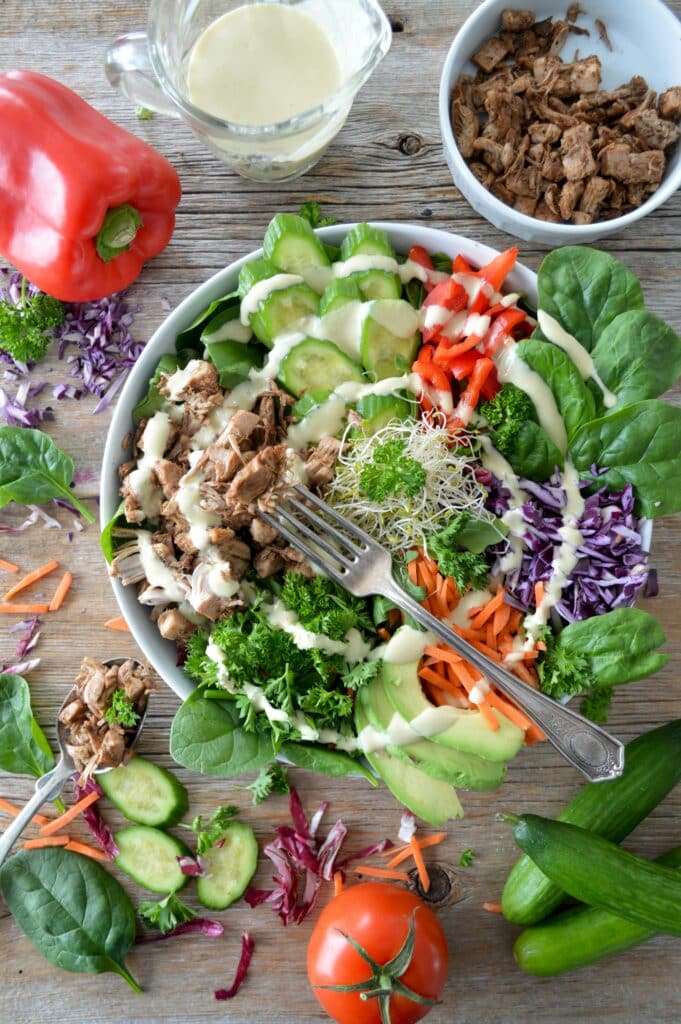
To effectively manage your carb intake on the keto diet, it’s essential to balance your macronutrients in each meal. Focus on including a moderate amount of protein, healthy fats, and a controlled portion of carbs. By spreading out your carb consumption throughout the day, you can avoid blood sugar spikes and crashes while staying in ketosis. Aim to create well-rounded meals that provide all the necessary nutrients for your body’s needs.
Planned Snacks vs Impromptu Choices
Snacks can be a potential pitfall when it comes to managing your carb intake. It’s important to plan your snacks in advance, ensuring they fit within your daily carb limit. Having pre-portioned keto-friendly snacks readily available can prevent impromptu and potentially higher-carb choices. Some great snack options on the keto diet include nuts, seeds, cheese, and low-carb vegetables with dips or spreads.
Carb Cycling for Different Goals
Carb cycling involves alternating between high-carb days and low-carb days, which can be beneficial for certain individuals on the keto diet. This approach allows for periods of increased carb intake, which can replenish glycogen stores and support athletic performance. However, carb cycling should be done cautiously and with the guidance of a professional, as it may not be suitable for everyone and can affect ketosis levels.
Meal Planning and Prepping
Benefits of Meal Planning
Meal planning plays a significant role in successfully managing your daily carb intake on the keto diet. Planning your meals in advance allows you to carefully select foods that fit your carb limit while ensuring a balanced nutrient intake. It saves time, reduces stress, and helps you make healthier choices instead of resorting to carb-heavy convenience foods. Additionally, meal planning can help you save money by minimizing food waste and unnecessary purchases.
Prepping Keto-friendly Meals
Preparing keto-friendly meals in advance can simplify your daily carb management. Set aside a specific time each week to batch cook and portion out meals. This way, you’ll have readily available and portion-controlled meals that align with your carb limit. Consider preparing versatile ingredients that can be used in multiple dishes, such as grilled chicken, roasted vegetables, and homemade sauces or dressings.
Batch Cooking for Convenience
Batch cooking is a time-saving strategy that involves preparing larger quantities of food and portioning them out for later use. It allows you to have a variety of keto-friendly meals and snacks ready to grab and go. Invest in quality storage containers and label them with the date and contents for better organization. Batch cooking not only ensures you stick to your carb limit but also promotes consistency and convenience in your keto journey.
Eating Out and Social Situations
Making Smart Choices at Restaurants
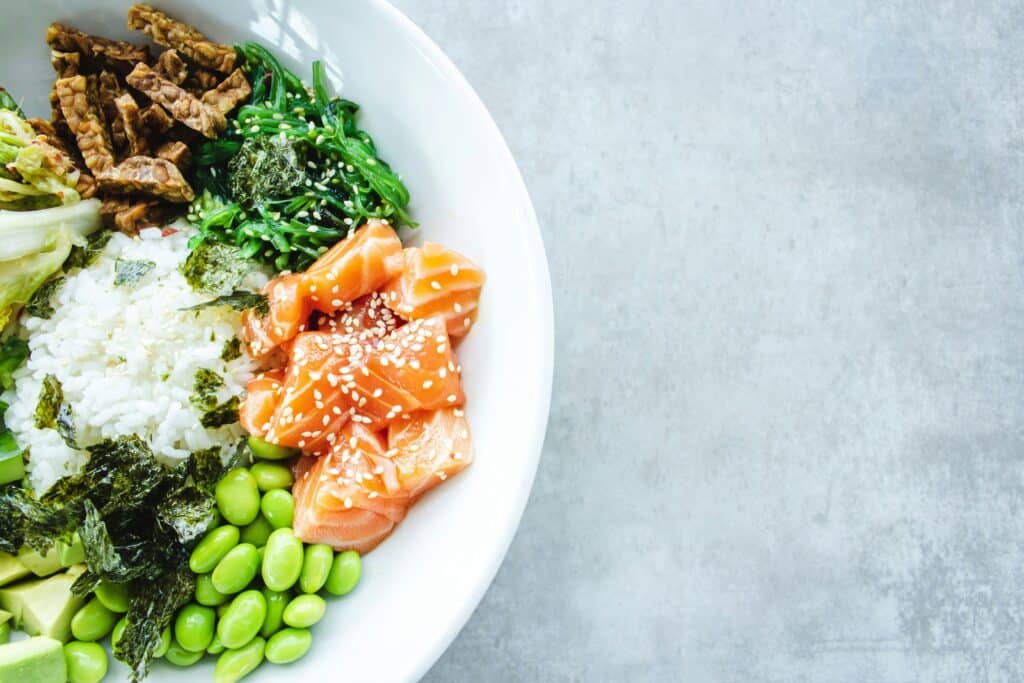
Eating out on the keto diet can be challenging, but with a few strategies, you can make smart choices that align with your carb limit. Start by researching the restaurant menu in advance, focusing on low-carb options. Choose dishes that include protein, healthy fats, and non-starchy vegetables. Request modifications like substituting carb-heavy sides with additional vegetables or a salad. And remember, don’t be afraid to ask questions or request adjustments to accommodate your dietary needs.
Navigating Social Gatherings
Social gatherings often involve tempting high-carb foods, but that doesn’t mean you have to abandon your keto lifestyle. Plan ahead by eating a keto-friendly meal or snack before attending the event to reduce hunger and temptation. Offer to bring a keto-friendly dish to share, ensuring there’s at least one option that aligns with your carb limit. Focus on socializing and enjoying the company rather than solely focusing on the food offered.
Handling Peer Pressure
Peer pressure can be one of the biggest obstacles when it comes to managing your carb intake on the keto diet. It’s important to stay firm in your commitment to your health and well-being. Educate your friends and family about your dietary choice and why it’s important to you. Communicate your needs and politely decline offers of carb-heavy foods. Surround yourself with a supportive community or find like-minded individuals who can encourage and motivate you along your keto journey.
Dealing with Cravings and Plateaus
Understanding Carb Cravings
Carb cravings can be challenging to overcome on the keto diet, especially in the early stages. Understanding the root causes of these cravings can help you develop effective strategies to curb them. Carb cravings can be triggered by factors such as stress, emotional eating, or habit. The restrictive nature of the keto diet may also contribute to cravings. By addressing these underlying factors and employing proven techniques, you can successfully manage cravings and stay on track.
Strategies to Curb Cravings
When cravings strike, having a toolbox of strategies can help you manage them effectively. One approach is to distract yourself with a different activity, such as taking a walk or engaging in a hobby. Drink a glass of water or enjoy a cup of herbal tea to curb hunger and cravings. Opt for keto-friendly alternatives that mimic the texture or flavor of the carb-rich food you’re craving, such as zucchini noodles or cauliflower rice. Lastly, practice mindfulness and stress-management techniques to address emotional cravings.
Breaking Through Plateaus
Plateaus are common on any weight loss journey, including the keto diet. When weight loss stalls, it’s important to reassess your carb intake and make necessary adjustments. Consider reducing your carb intake further, increasing your physical activity, or implementing intermittent fasting. Additionally, focusing on non-scale victories, such as improved energy levels or clothing fit, can help you stay motivated during plateaus. Remember that plateaus are temporary, and with patience and persistence, you will continue to make progress.
Monitoring and Adjusting Your Carb Intake
Regular Monitoring of Progress
Monitoring your progress is crucial when managing your daily carb intake on the keto diet. Regularly weigh yourself, take body measurements, and track other relevant metrics such as energy levels, mood, and overall well-being. This allows you to objectively assess your progress and determine if any adjustments to your carb intake are necessary. Tracking your progress also helps identify patterns and provides motivation as you see the positive changes occurring as a result of your efforts.
Recognizing Signs of Carb Overconsumption
Occasionally, you may inadvertently consume more carbs than intended, jeopardizing your ketosis. It’s important to be aware of the signs of carb overconsumption. Symptoms such as increased cravings, elevated hunger, fatigue, and decreased mental clarity may indicate that you’ve exceeded your carb limit. Recognizing these signs allows you to quickly take action and bring your carb intake back within the desired range.
Fine-tuning Your Carb Limit
While initially setting your carb limit is important, it’s equally crucial to fine-tune it as you progress on the keto diet. Pay close attention to how your body responds to different levels of carb intake. Experiment with gradually increasing or decreasing your carb limit to find the point where you maintain ketosis while still feeling satisfied and energized. Adjustments may be necessary as you hit weight loss plateaus, change your activity level, or experience shifts in your overall health.
Seeking Professional Guidance and Support
Importance of Expert Advice
Seeking expert advice when managing your daily carb intake on the keto diet is highly beneficial. Professionals, such as registered dietitians, have the knowledge and experience to guide you effectively, taking into account your unique needs and goals. They can provide personalized recommendations, monitor your progress, and ensure you’re meeting all your nutritional requirements while staying within your carb limit. Consulting an expert helps you optimize your keto experience and minimize potential health risks.
Working with a Registered Dietitian
A registered dietitian specializing in the ketogenic diet can be an invaluable resource on your journey. They can educate you about the principles of the keto diet, help you set realistic carb goals, and provide meal planning guidance. Registered dietitians can also address any concerns or challenges you may face and assist in adapting the keto diet to any specific dietary restrictions or medical conditions you may have. Their expertise and ongoing support can greatly enhance your chances of achieving long-term success.
Joining Keto Support Communities
Joining a keto support community can provide additional guidance, motivation, and accountability on your carb management journey. Online forums, social media groups, and local meet-ups are great resources to connect with like-minded individuals, share experiences, and learn from their insights. Engaging with a supportive community can help you stay motivated, find inspiration for new keto-friendly recipes, and offer a platform to seek advice or share your own tips and successes.
In conclusion, successfully managing your daily carb intake on the keto diet is key to achieving your health and weight loss goals. Understanding the fundamentals of the keto diet, tracking your carb intake, choosing the right carbohydrate sources, and making mindful choices in social situations can contribute to your success. By monitoring your progress, adjusting your carb limit as needed, and seeking professional guidance and support, you can navigate the keto diet with confidence and reap the many benefits it has to offer.





