Ketogenic Diet Resource
The ketogenic diet, often referred to as “keto,” has taken the world by storm. You might have already heard your friends chat about it, seen vibrant photos of low-carb meals on social media, or noticed the surge in keto-related products at your local grocery store.
You’re in the right place if you’re curious about this trend or even considering trying it yourself. This resource aims to equip you with everything you need to know about the ketogenic diet, from its basics to its potential benefits and drawbacks and how to integrate it into your lifestyle. So grab your favorite drink, settle in, and let’s dive deep into the world of keto!
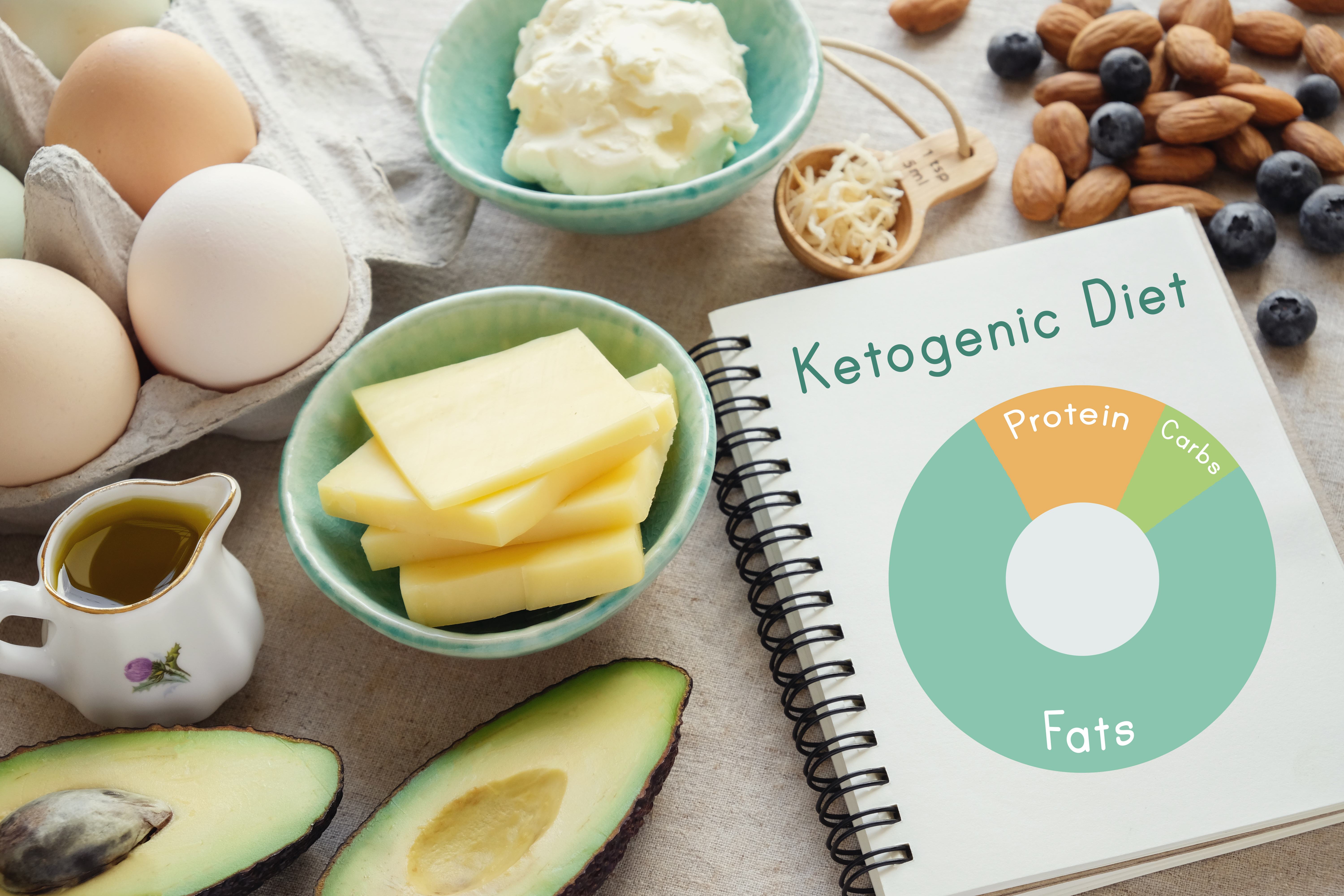
What is the Ketogenic Diet?
At its core, the ketogenic diet is a high-fat, moderate-protein, and very low-carbohydrate eating plan. The primary objective is to drastically reduce carbohydrate intake and replace it with fat, prompting your body to enter a metabolic state known as ketosis.
In ketosis, your body becomes incredibly efficient at burning fat for energy instead of carbohydrates, which can lead to weight loss and a myriad of other health benefits.
But where did this diet originate? Surprisingly, the ketogenic diet was first developed in the 1920s to help manage epilepsy in children.
Over the years, researchers discovered that the diet had additional benefits beyond controlling seizures, leading to its growing popularity for weight loss and general health today. It’s fascinating how something that began as a medical treatment has transformed into a lifestyle approach embraced by many.
The Science Behind Ketosis
Understanding the science behind ketosis can empower you in your ketogenic journey. When you significantly reduce your carbohydrate intake, your body is forced to seek alternative fuel sources.
Without glucose from carbohydrates, your liver converts fatty acids into ketone bodies. These ketones become the primary energy source, replacing glucose, and this shift typically occurs within a few days of adhering to a keto diet.
This shift to ketosis can have remarkable effects on your brain. Ketones have been shown to provide a more stable and consistent energy source compared to glucose, reducing brain fog and enhancing mental clarity.
Many individuals report greater focus and improved cognitive functions while in ketosis. If you’ve ever experienced that post-lunch slump filled with caffeine cravings, you might find keto refreshing and energizing during the midday hours!
Potential Benefits of the Ketogenic Diet
You might be wondering about the perks of embracing a ketogenic lifestyle. While individual experiences vary, many people note several impressive benefits. First and foremost, weight loss is often cited as a significant advantage of the diet. By using stored fat as fuel, you may notice your waistline shrinking without the constant hunger associated with many traditional diets.
Another worthy mention is its potential impact on blood sugar levels. For those facing challenges with insulin sensitivity or type 2 diabetes, the ketogenic diet can help stabilize blood sugar fluctuations. Because carbohydrate intake is minimized, you may experience fewer daily spikes and crashes, leading to more energy and overall well-being.
Additionally, some studies suggest that a ketogenic diet may have anti-inflammatory effects, making it appealing for individuals dealing with chronic conditions. While more research is needed, the correlation between low-carb diets and reduced inflammation can encourage those seeking holistic health improvements.
Getting Started: A Beginner’s Guide
Starting a new diet can feel overwhelming, but don’t fret! Embracing the ketogenic diet is more approachable than you might think. Here’s a quick breakdown to help you establish a solid foundation.
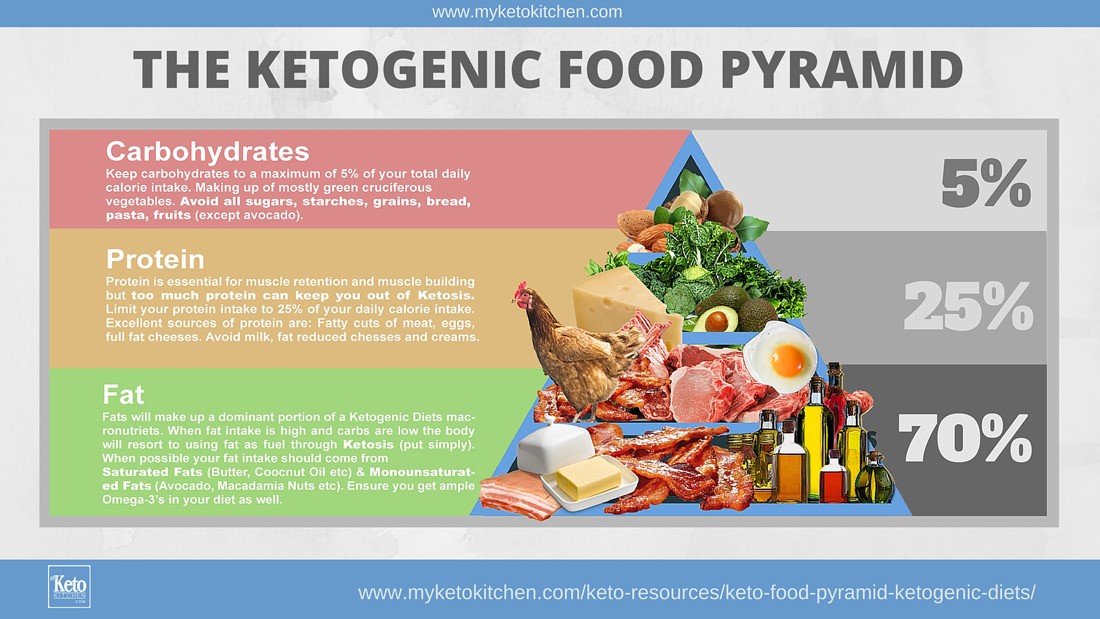
First, it’s essential to familiarize yourself with your macronutrient ratios. Generally, a ketogenic diet consists of approximately 70-75% fats, 20-25% protein, and 5-10% carbohydrates. Knowing these ratios allows you to make informed choices when preparing meals or choosing snacks.
Next, could you consider engaging in meal prep? Planning and preparing your meals ahead of time can help you stay on track and avoid the temptation of high-carb snacks when hunger strikes. You can find recipes you enjoy and prepare larger batches to reheat them quickly when dining on the go.
Lastly, staying hydrated is crucial. When beginning a keto diet, some might experience what is commonly known as the “keto flu,” which includes symptoms like fatigue, headache, and irritability. Staying well-hydrated can help combat these symptoms and ease the transition to ketosis.
Foods to Embrace on a Ketogenic Diet
You might be surprised to discover that there are plenty of delicious foods you can indulge in on a ketogenic diet! A common misconception is that keto meals are bland or repetitive. On the contrary, variety is the spice of life!
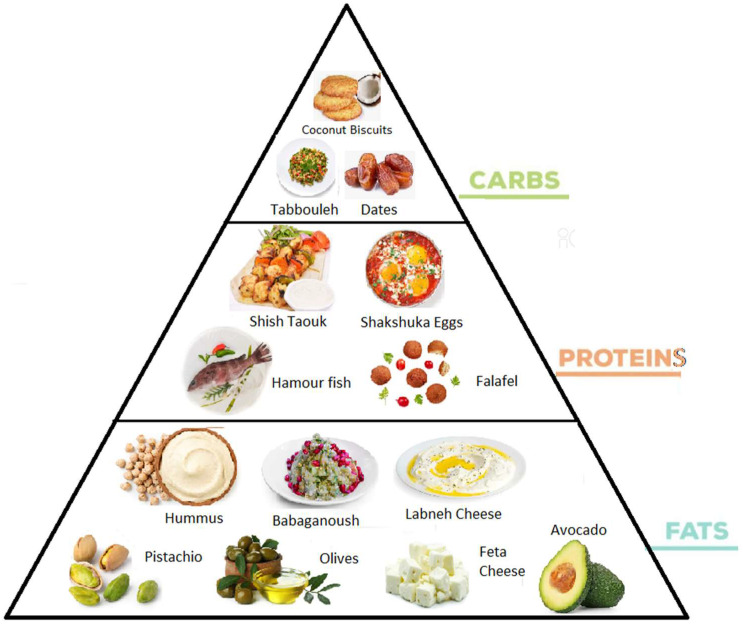
When creating your meal plans, focus on healthy fats. Think avocados, olive oil, coconut oil, and grass-fed butter. These ingredients enhance flavor and are essential in achieving the fat intake required for ketosis.
Protein is another critical component. Emphasize high-quality sources like grass-fed meats, free-range poultry, fish, eggs, and low-carb dairy products. These options will help you maintain muscle mass while promoting fat loss.
Of course, don’t forget about vegetables! While you should limit starchy plants, there are plenty of low-carb vegetables to include in your meals, such as leafy greens, zucchini, cauliflower, and bell peppers. These colorful additions provide essential nutrients, texture, and flavor.
Foods to Avoid on a Ketogenic Diet
Just as it’s vital to know what to eat, it’s equally important to recognize which foods to avoid while on a ketogenic diet. The star of the show is, of course, carbohydrates.
This includes grains (like wheat and rice), sugary foods, fruits (like bananas, grapes, and apples—though berries can be consumed in moderation), and various starchy vegetables (like potatoes and corn).
Processed foods should also be avoided. They often contain hidden sugars and unhealthy additives that can derail your keto goals. If you can’t pronounce it or it comes in a box, leaving it on the grocery store shelf may be best.
Moreover, be cautious of high-carb snacks that are alluring but detrimental. Chips, crackers, and candies might scream for your attention, but staying mindful of your choices will serve you well on this journey.

Meal Ideas for a Ketogenic Diet
Let’s explore some simple meal ideas that make the ketogenic diet approachable and enjoyable, too! Breakfast can set the tone for your day, so why not try a frittata loaded with vegetables and topped with cheese? Pair it with avocado slices for extra creaminess and healthy fats.
Consider a hearty salad with grilled chicken, mixed greens, cherry tomatoes, feta cheese, and a generous olive oil and vinegar drizzle for lunch. The vibrant colors and flavors will keep you satisfied and energized throughout the afternoon.
Dinner could include oven-baked salmon, sautéed asparagus, and a delicious herb butter. The combination of flavors will make mealtime something to look forward to rather than a chore.
Finally, when hunger strikes between meals, reach for snacks like nuts, cheese, or even celery sticks paired with peanut butter. These simple yet nutritious options will help curb your cravings without derailing your diet.
The Importance of Staying Informed
As you navigate your ketogenic journey, it’s crucial to remain informed and adapt as needed. The diet may not be one-size-fits-all; what works for one person may not work for you. It’s a good idea to listen to your body and adjust based on your feelings and needs.
Also, could you consider seeking out reputable sources of information? Books, podcasts, and websites run by experts can provide valuable guidance and inspiration. Engage with online communities to share your experiences, challenges, and triumphs. You’ll find that connecting with others can enhance your motivation and enrich your journey.
Common Misconceptions About Keto
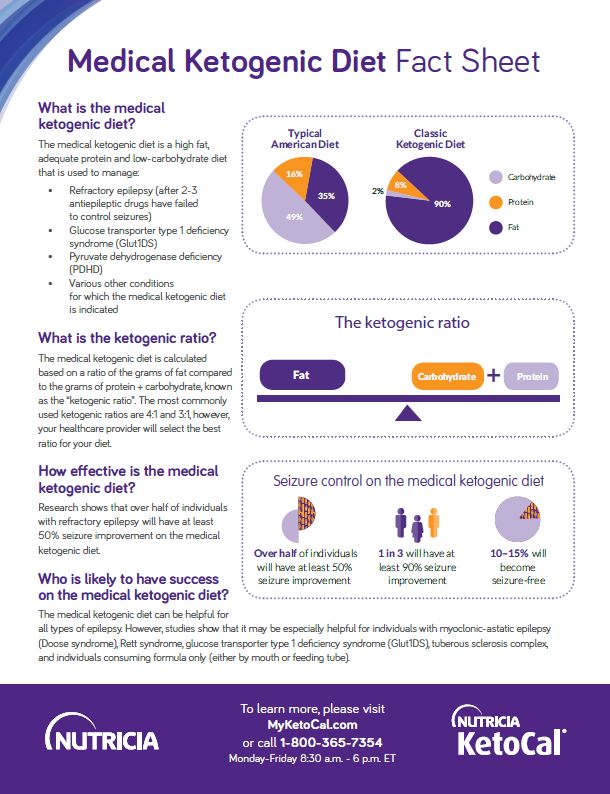
Every diet tends to be shrouded in misconceptions; the ketogenic diet is no exception. One common myth is that eating fat will make you fat. However, dietary fats differ significantly from body fats. Consuming healthy fats aids in utilizing stored body fat for energy.
Another misconception is that keto is overly restrictive. Sure, some foods are off-limits, but there are countless others you can eat and enjoy! Embracing creativity in your meal preparation can transform your eating experience, making it far from monotonous.
Lastly, many believe that the keto diet is forever restrictive. While it’s beneficial to adhere closely to the guidelines to establish ketosis initially, some individuals may layer in intermittent carbs over time, depending on their goals and lifestyle. Ultimately, it’s about finding a balance that works for you.
The Keto Flu: What You Need to Know
As you transition into a ketogenic diet, you might experience a period often referred to as the “keto flu.” While not everyone encounters this, it’s essential to be aware of it and know how to navigate it if it arises.
Symptoms can include fatigue, brain fog, irritability, headaches, and muscle cramps. These often occur in the first week as the body adapts to utilizing ketones for energy.
To ease through this transition, ensure you’re eating enough fat, staying hydrated, and considering increasing your electrolyte intake. Foods like avocados, leafy greens, and specific supplements can help replenish electrolytes and minimize discomfort.
It’s essential to remind yourself that the discomfort is typically temporary. As your body becomes accustomed to its new energy source, you may experience greater clarity, improved energy levels, and many other benefits. Stay patient, and don’t hesitate to lean on your supportive community if you feel overwhelmed.
Exercise on a Ketogenic Diet
You may wonder how exercising fits into a ketogenic lifestyle. The good news is that many people find they can still engage in their favorite physical activities while following keto. Nonetheless, some may initially experience decreased stamina during workouts as their bodies adapt to burning fat instead of carbohydrates for fuel.
Resistance training and low-intensity exercises, like walking, are excellent options to incorporate while on a ketogenic diet. Listen to your body as you transition, and consider modifying your routine to align with your feelings.
Over time, you may discover that your endurance improves and your workouts become more effective. Your body can become a fat-burning machine, and you may find that implementing high-intensity interval training (HIIT) becomes possible and enjoyable as your body acclimates to ketosis.
Maintaining Your Progress
Once you’ve embraced a ketogenic lifestyle and potentially shed some pounds, maintaining your progress can become a priority. It can be easy to slip back into old habits, or spirits might wane as time passes. But with effective practices, you can stay focused on your goals!
To maintain your momentum, please consider continuing with meal prep. Preparing prepared meals will prevent you from turning to high-carb options when hunger strikes. Furthermore, tracking your meals—through a journal or a mobile app—can offer insight into your eating habits and help you remain accountable.
Additionally, keep the lines of communication open with yourself and your support network. If you begin to feel discouraged or overwhelmed, remember it’s okay to ask for help, advice, or a kind ear to listen. Staying connected with others walking a similarly transformative path can be beneficial for encouragement and motivation.
Exploring Other Low-Carb Diets
If you find that the strict guidelines of the ketogenic diet don’t resonate with you, there are plenty of other low-carb diets you might consider. Diets like the Atkins diet, Paleo, or the Mediterranean diet offer a range of options that emphasize whole foods and reduced carbohydrate intake.
It’s essential to explore and discover which diet best fits your lifestyle. You shouldn’t feel boxed in by rigid rules. The goal is to find a sustainable approach that works for you rather than forcing yourself into a diet that doesn’t align with your preferences or lifestyle requirements.
Listening to Your Body
Finally, let’s chat about self-awareness. As exciting as it is to delve into the world of ketogenic dieting, it can be easy to get swept away in the excitement or overwhelmed by information. The truth is that your body has its own unique needs, and learning how to listen to those needs can pave the way for success.
Pay attention to how foods make you feel and how your energy levels fluctuate throughout the day. Acknowledge when you feel full and how long different meals hold you. Instead of solely relying on external guidelines or goals, tuning in to yourself can frame a more nurturing and intuitive relationship with food.
Remember, being kind to yourself is essential. If you experience cravings or setbacks, know it’s all part of the process. Give yourself grace, stay curious, and allow space for exploration.
If you found this article helpful, I encourage you to clap for it, share your thoughts in the comments below, and subscribe to my Medium newsletter for more health, nutrition, and lifestyle updates. We can nourish our bodies and inspire each other on this journey. Happy keto-ing!
Related Topics About Ketogenic Diet Resource
Are Keto Diets Safe,
Ketogenic Diet Resource,
Ketogenic Diet Resource Com,
What Does A Keto Diet Avoid,
Who Are Keto Diets For,
Www Ketogenic Diet Resource Com
==========
Content 10/10/G