
Have you ever wondered how a specific diet can transform your body and improve your overall health? If weight loss is on your mind, you might find yourself hearing a lot about the keto diet lately. Many people are praising its benefits, but what exactly is it, and how could it possibly help you achieve your weight loss goals?

What is the Keto Diet?
The ketogenic diet, or keto diet for short, revolves around a high-fat, low-carbohydrate approach to eating. By significantly reducing carbohydrate intake and replacing it with fat, your body enters a metabolic state known as ketosis. In this state, your body becomes incredibly efficient at burning fat for energy, leading to weight loss.
By understanding what the keto diet entails, you can make more informed decisions about whether it’s right for you.
How Does Ketosis Work?
Ketosis is the cornerstone of the keto diet. When your carb intake is low, your body starts to produce ketones from fats in the liver. Ketones serve as an alternative fuel source for your body and brain. This shift enables your body to retain energy from fat storage, leading to weight loss.
Here’s a simplified breakdown of how ketosis impacts your body:
| Stage | Description |
|---|---|
| Normal State | Body primarily uses glucose for energy |
| Carb Reduction | Low carb intake leads to reduced insulin |
| Ketosis | Body starts breaking down fat for energy, producing ketones |
Understanding how ketosis works can help you appreciate the mechanics behind the keto diet and its effectiveness for weight loss.
The Benefits of the Keto Diet
Now that you know what the keto diet is and how it works, let’s delve into its specific benefits for weight loss.
1. Accelerated Fat Loss
One of the main benefits people experience on the keto diet is faster fat loss compared to traditional diets. When your body transitions into ketosis, it begins using fat as its primary energy source, leading to significant reductions in body fat.
By tipping your body into a fat-burning state, you might find that the pounds come off more quickly than they might with other dietary approaches.
2. Reduced Appetite
Another appealing aspect of the keto diet is how it can influence your hunger levels. Many followers report feeling less hungry throughout the day. This reduction in appetite could be linked to the increased consumption of fats, which may help with satiety.
Eating more filling meals can ease the struggle of calorie counting and reduce your overall food intake, contributing to your weight loss journey.
3. Improved Blood Sugar Levels
For those who battle blood sugar spikes and crashes, the keto diet might offer a solution. By eating fewer carbohydrates, you help maintain more stable blood sugar levels. This provides not only physical benefits but also mental clarity as you avoid the energy highs and lows associated with high-carb diets.
Understanding how your blood sugar affects your energy and focus can help you see why this aspect of the keto diet is beneficial.
4. Enhanced Mental Clarity
As your body adapts to burning fat for fuel, you may notice an improvement in mental clarity and focus. Ketones serve as an efficient energy source for the brain, which might lead to improved cognitive function.
This mental boost can enhance your productivity, making it easier to stay on track with your weight loss goals and daily tasks.
5. Increased Energy Levels
While it might seem counterintuitive, many people report increased energy on a well-formulated keto diet. With your body burning fat efficiently, you may feel more energetic throughout the day. This newfound energy can encourage physical activity, further supporting your weight loss efforts.
By integrating exercise into your routine, you’re not only benefiting your body but also improving your overall health.
Getting Started with the Keto Diet
Now that you understand the benefits, let’s discuss how you can get started with the keto diet effectively.
1. Setting Your Macros
To embrace the keto diet, your first step is to calculate your macronutrients (macros). A common ratio for keto is:
- 70-75% fat
- 20-25% protein
- 5-10% carbohydrates
These ratios may vary based on individual needs, activity levels, and health goals. Use these guidelines as a starting point while adjusting according to how your body responds.
2. Choosing Quality Sources of Food
Quality matters on the keto diet. Focus on nutrient-dense foods that support your overall well-being. Here’s a list of keto-friendly food options:
| Food Group | Examples |
|---|---|
| Fats | Avocado, olive oil, nuts, coconut oil |
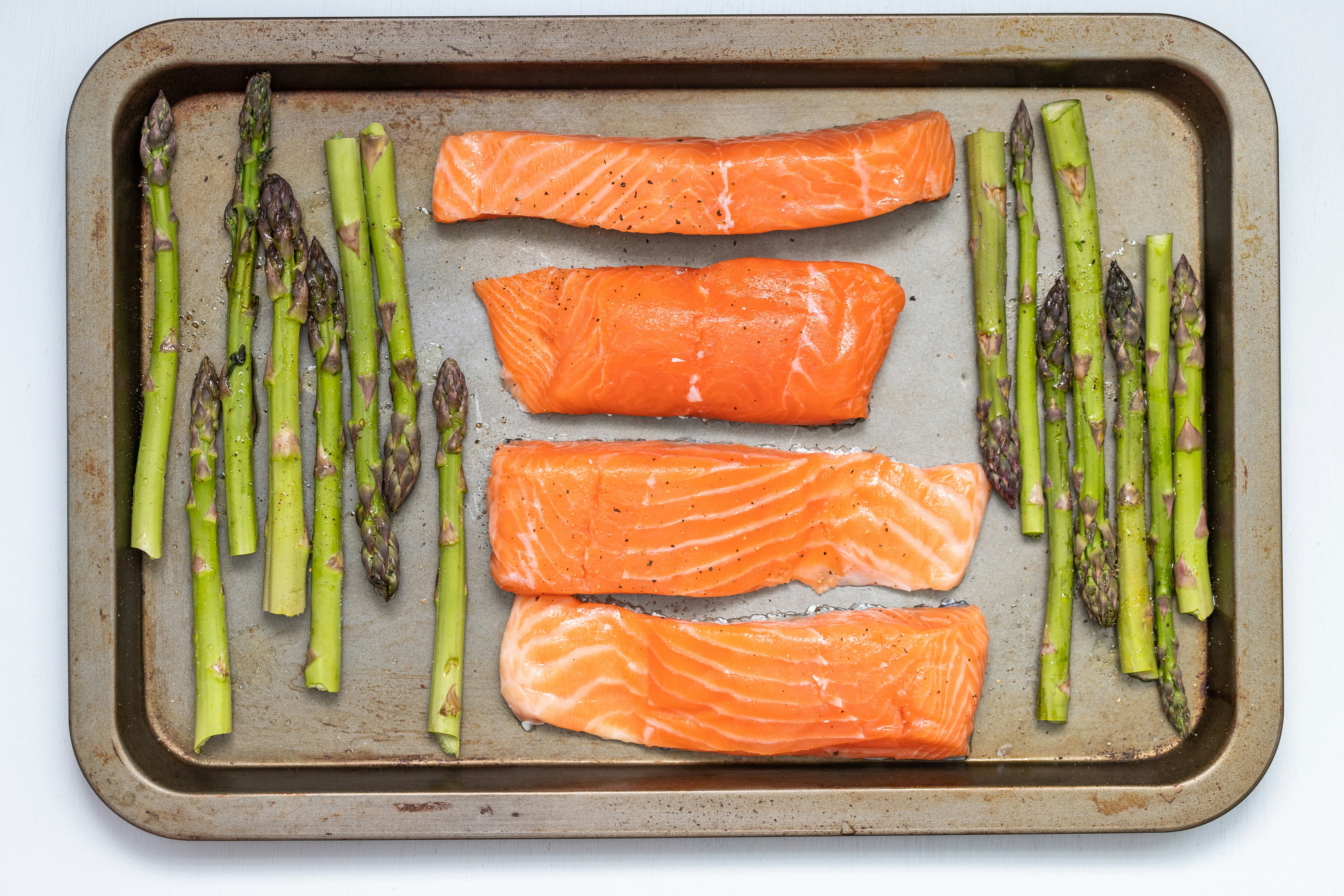
| Proteins | Grass-fed meat, poultry, fish, eggs |
| Low-Carb Vegetables | Spinach, broccoli, cauliflower, zucchini |
By choosing high-quality, whole foods, you’ll fuel your body properly while promoting health and weight loss.
3. Meal Planning
Planning your meals in advance can save you time and prevent the temptation of high-carb foods. Create a weekly meal plan that includes keto-friendly recipes, ensuring you have all the ingredients on hand.
Having a structured meal plan could help you stick to your goals and avoid last-minute decisions that might derail your progress.
4. Staying Hydrated
Often overlooked, hydration plays a crucial role in your weight loss journey. The keto diet can cause your body to lose water weight initially due to reduced insulin levels. Remember to drink plenty of water throughout the day. You might also consider electrolyte supplementation to help maintain balance.
Maintaining proper hydration can keep your energy levels up and support overall health.
Common Challenges and Solutions
While the keto diet offers many benefits, you may encounter challenges as you transition into this way of eating. Here are some common issues and how to tackle them:
1. Keto Flu
As you start the keto diet, some people experience what’s known as the “keto flu.” Symptoms may include headaches, fatigue, and irritability. This discomfort occurs as your body adjusts to burning fat instead of carbohydrates.
Solution:
- Gradually reduce carbohydrates instead of making drastic changes all at once.
- Ensure you’re consuming enough electrolytes through food or supplements.
- Stay hydrated to help manage symptoms.
Understanding that these symptoms are temporary can help you stay the course.
2. Social Situations
Social gatherings can pose a challenge with food options often skewing towards high-carb choices. You might feel uncomfortable or tempted to stray from your diet.
Solution:
- Communicate dietary preferences with friends or family ahead of time.
- Bring your own keto-friendly dishes to share.
- Focus on non-food-related aspects of social interactions to take the pressure off your eating choices.
By planning ahead, you can enjoy social situations without sacrificing your dietary goals.
3. Plateaus
You may hit a weight loss plateau after a period of success on keto. This can be frustrating but is a common occurrence in many weight loss journeys.
Solution:
- Re-evaluate your macros to ensure they align with your goals.
- Adjust your physical activity levels by introducing new workouts.
- Ensure you’re getting enough sleep and managing stress levels.
Recognizing plateaus as a normal part of the journey can help you stay motivated and engaged.
Should You Try the Keto Diet?
As you consider your options, it’s essential to ask: is the keto diet the right choice for you? While many people have found success and numerous benefits, it’s crucial to approach this diet mindfully.
Consult with a Healthcare Professional
Before making significant dietary changes, consult with a doctor or a registered dietitian. They can provide personalized advice based on your individual health needs, which can be especially important if you have underlying health conditions.
Listen to Your Body
Your body is unique, and its response to the keto diet may vary. Pay attention to how you feel physically and mentally during this transition. If you find improvements in energy, weight loss, and overall satisfaction, it might be a good fit for you.
Adjust as Needed
If the keto diet doesn’t give you the results you hoped for, don’t hesitate to adjust your approach. Weight loss is highly individual, and it often takes time to find what works best for your body. There’s no one-size-fits-all solution, and it’s perfectly fine to modify your dietary habits along the way.
Conclusion
The keto diet may present an attractive option for you if you are looking to lose weight, improve energy levels, and enhance mental clarity. With its emphasis on high-fat, low-carb eating and the potential for entering ketosis, many individuals have successfully achieved their weight loss goals.
As you embark on this journey, remember to stay informed, consult with professionals as needed, and listen to your body. With the right approach and dedication, you can harness the benefits of the keto diet to meet your weight loss objectives and improve your overall health.






