
When you embark on the ketogenic diet, you may find that hydration takes on a new level of significance. The keto diet, characterized by its low carbohydrate intake and high fat consumption, can lead to a state of ketosis, where your body burns fat for fuel instead of carbohydrates. This metabolic shift can result in a variety of changes in your body, including increased water loss.
As your body adapts to this new way of fueling itself, it tends to excrete more water and electrolytes, making it crucial for you to prioritize hydration. Staying adequately hydrated while on the keto diet is essential for several reasons. First, proper hydration supports optimal bodily functions, including digestion, circulation, and temperature regulation.
When you are dehydrated, you may experience fatigue, headaches, and decreased cognitive function, all of which can hinder your ability to stick to your dietary goals. Additionally, hydration plays a vital role in maintaining electrolyte balance, which is particularly important on a keto diet where electrolyte imbalances can lead to symptoms commonly referred to as the “keto flu.” By ensuring you drink enough water, you can help mitigate these symptoms and support your overall health.
Key Takeaways
- Hydration is crucial on the keto diet to support metabolism, regulate body temperature, and aid in digestion.
- Factors such as climate, physical activity, and individual metabolism can influence your water intake on the keto diet.
- Calculate your individual water needs by dividing your body weight in pounds by 2 to get the number of ounces of water to drink daily.
- Stay hydrated on the keto diet by carrying a water bottle, setting reminders, and flavoring water with lemon or cucumber.
- Watch out for signs of dehydration such as dry mouth, headache, dizziness, and dark urine while on the keto diet.
- Electrolytes play a key role in maintaining hydration on the keto diet, so consider adding salt, potassium, and magnesium to your meals.
- Incorporate water-rich foods like cucumbers, lettuce, and zucchini into your keto diet to increase your water intake.
- Adjust your water intake for exercise and physical activity by drinking an additional 8 ounces of water for every 30 minutes of exercise on the keto diet.
Factors that influence your water intake on the keto diet
Physical Activity Level
Your level of physical activity is one of the most significant factors influencing your water needs on a ketogenic diet. If you engage in regular exercise or have a physically demanding job, your body will require more water to compensate for the fluids lost through sweat. On the other hand, if you lead a more sedentary lifestyle, your water needs may be lower.
Individual Factors
Your individual body composition and metabolic rate also play a crucial role in determining your hydration needs. Larger individuals or those with higher muscle mass may require more water than smaller individuals due to their increased metabolic demands.
Environmental and Health Factors
Additionally, factors such as age, climate, and overall health can also impact your hydration needs. For instance, if you live in a hot climate or are experiencing illness or stress, your body may need additional fluids to maintain optimal hydration levels.
By taking these factors into account, you can better tailor your water intake to suit your unique needs on the keto diet.
Calculating your individual water needs on the keto diet

To determine how much water you should be drinking while on the keto diet, a general guideline is to aim for at least half your body weight in ounces of water each day. For example, if you weigh 150 pounds, you should strive for approximately 75 ounces of water daily. However, this is just a starting point; you may need to adjust this amount based on your activity level and other factors previously mentioned.
You can also consider using a hydration calculator or app that takes into account your weight, activity level, and dietary habits to provide a more personalized recommendation. Monitoring your urine color can also be a helpful indicator of hydration; ideally, it should be light yellow. If it appears darker, it may be a sign that you need to increase your water intake.
By being mindful of these calculations and adjustments, you can ensure that you are meeting your hydration needs effectively while following the keto diet.
Tips for staying hydrated on the keto diet
Staying hydrated on the keto diet doesn’t have to be a chore; there are several strategies you can implement to make it easier and more enjoyable. One effective tip is to carry a reusable water bottle with you throughout the day. Having water readily available encourages you to sip regularly rather than waiting until you’re thirsty.
You might also consider setting reminders on your phone or using an app that tracks your water intake to help keep you accountable. Incorporating flavored water or herbal teas can also make hydration more appealing. If plain water feels monotonous, try adding slices of lemon, cucumber, or berries for a refreshing twist.
Herbal teas can provide additional hydration while offering various health benefits without adding carbohydrates. By finding creative ways to enhance your hydration routine, you’ll be more likely to meet your daily water goals while enjoying the process.
Signs of dehydration to watch out for on the keto diet
As you navigate the keto diet, it’s essential to be aware of the signs of dehydration so that you can take action before it becomes a more serious issue. Common symptoms include dry mouth, fatigue, dizziness, and headaches. You may also notice that your urine is darker than usual or that you’re urinating less frequently than normal.
If you experience any of these symptoms, it’s crucial to increase your fluid intake immediately. In some cases, dehydration can lead to more severe complications such as kidney stones or urinary tract infections. Therefore, being proactive about hydration is vital for maintaining your health while on the keto diet.
If you find yourself consistently experiencing symptoms of dehydration despite increasing your water intake, it may be worth consulting with a healthcare professional for further evaluation and guidance.
The role of electrolytes in maintaining hydration on the keto diet
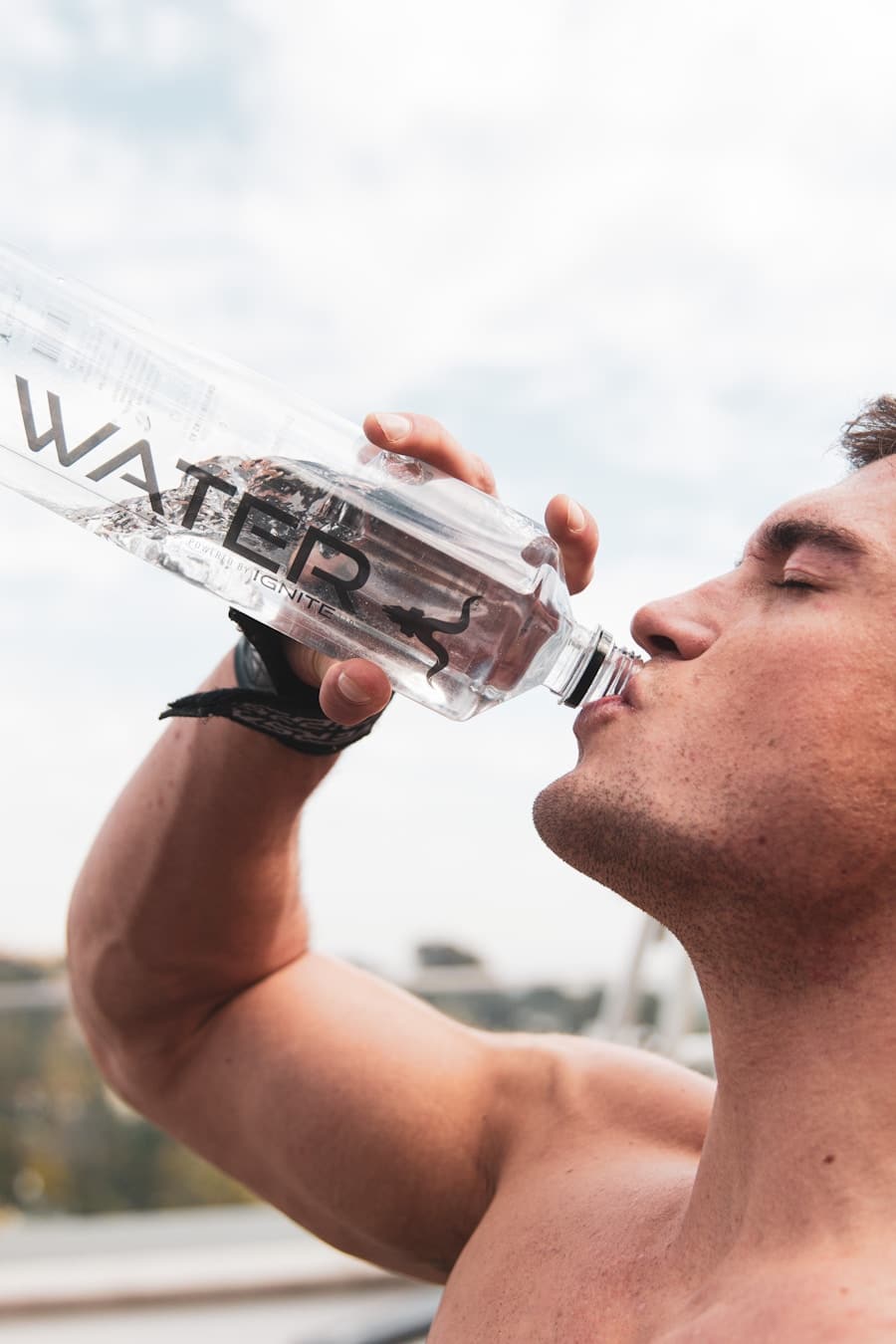
Electrolytes play a crucial role in maintaining hydration levels and overall bodily function while following a ketogenic diet. When you reduce carbohydrate intake significantly, your body tends to excrete more sodium and potassium through urine. This loss can lead to an imbalance in electrolytes, which may contribute to symptoms like muscle cramps, fatigue, and headaches—often referred to as the “keto flu.” To counteract these effects and support proper hydration, it’s essential to replenish electrolytes through dietary sources or supplements.
Foods rich in potassium such as avocados and leafy greens can help restore balance. Additionally, incorporating salt into your meals can aid in maintaining sodium levels. Staying mindful of your electrolyte intake will not only help with hydration but also enhance your overall well-being while on the keto diet.
How to incorporate water-rich foods into your keto diet
In addition to drinking plenty of water, incorporating water-rich foods into your ketogenic diet can further support hydration efforts. Many vegetables are low in carbohydrates and high in water content, making them excellent choices for those on a keto plan. Cucumbers, zucchini, lettuce, and celery are all great options that can help keep you hydrated while providing essential nutrients.
You might also consider adding broth-based soups or stews to your meals; they not only provide hydration but also offer warmth and comfort during colder months. Additionally, certain fruits like berries can be enjoyed in moderation due to their lower carbohydrate content while still contributing to your overall fluid intake. By being intentional about including these hydrating foods in your meals and snacks, you’ll enhance both your hydration levels and nutritional profile on the keto diet.
Adjusting your water intake for exercise and physical activity on the keto diet
If you’re engaging in regular exercise or physical activity while following a ketogenic diet, it’s crucial to adjust your water intake accordingly.
A good rule of thumb is to drink an additional 16-20 ounces of water for every hour of exercise.
Moreover, consider hydrating before and after workouts as well. Pre-hydration helps prepare your body for physical exertion while post-exercise hydration aids in recovery and muscle repair. If you’re participating in prolonged or intense workouts, electrolyte drinks may also be beneficial in replenishing lost minerals alongside water.
By being proactive about adjusting your hydration based on physical activity levels, you’ll support both your fitness goals and overall health while on the keto diet. In conclusion, staying hydrated on the ketogenic diet is vital for maintaining optimal health and well-being. By understanding the importance of hydration and considering various factors that influence your water intake, you can calculate your individual needs effectively.
Implementing practical tips for staying hydrated and being aware of signs of dehydration will further enhance your experience on this dietary journey. Remember that electrolytes play an essential role in maintaining hydration levels as well; incorporating both hydrating foods and mindful drinking habits will set you up for success as you navigate the keto lifestyle.
FAQs
What is the keto diet?
The keto diet is a high-fat, low-carbohydrate diet that has been shown to help with weight loss and improve certain health conditions.
How much water should I be drinking on the keto diet?
It is recommended to drink at least 8-10 cups (64-80 ounces) of water per day while on the keto diet to stay properly hydrated.
Why is it important to drink enough water on the keto diet?
Drinking enough water is important on the keto diet to help prevent dehydration, support kidney function, and aid in the process of ketosis.
What are the signs of dehydration on the keto diet?
Signs of dehydration on the keto diet can include dry mouth, dark urine, headaches, fatigue, and dizziness.
Are there any specific considerations for water intake on the keto diet?
Some people on the keto diet may need to increase their water intake, especially if they are exercising, living in a hot climate, or experiencing increased urination due to the diuretic effect of ketosis.





