
The ketogenic diet, commonly referred to as the keto diet, is a high-fat, low-carbohydrate dietary regimen designed to shift the body’s metabolism from relying on glucose as its primary energy source to utilizing fat. This metabolic state, known as ketosis, occurs when carbohydrate intake is significantly reduced, typically to less than 50 grams per day. In this state, the liver converts fatty acids into ketones, which serve as an alternative fuel source for the brain and body.
The standard macronutrient breakdown for a keto diet generally consists of approximately 70-75% fat, 20-25% protein, and only about 5-10% carbohydrates. The origins of the keto diet can be traced back to the early 20th century when it was developed as a treatment for epilepsy. However, it has gained immense popularity in recent years as a weight-loss strategy and a means to improve overall health.
Proponents of the diet argue that it can lead to significant weight loss, improved mental clarity, and enhanced energy levels. The diet encourages the consumption of whole foods while eliminating processed carbohydrates, sugars, and grains, which are often linked to various health issues.
Key Takeaways
- The Keto Diet is a high-fat, low-carb diet that aims to put the body into a state of ketosis, where it burns fat for fuel instead of carbohydrates.
- Protein is an essential component of the Keto Diet as it helps maintain muscle mass, supports satiety, and aids in weight loss.
- Animal protein sources for Keto include meat, poultry, fish, eggs, and dairy products, which are all rich in high-quality protein and essential nutrients.
- Benefits of animal protein for Keto include improved muscle mass, increased metabolism, and better appetite control.
- Animal protein is highly nutritious, providing essential amino acids, vitamins, and minerals necessary for overall health and well-being.
Importance of Protein in the Keto Diet
Protein plays a crucial role in the keto diet, serving multiple functions that are essential for maintaining health and supporting the body’s metabolic processes. While the primary focus of the keto diet is on high fat intake, protein is necessary for preserving lean muscle mass, especially during weight loss. When carbohydrate intake is restricted, the body may begin to break down muscle tissue for energy if protein consumption is inadequate.
Therefore, ensuring sufficient protein intake is vital for those following a ketogenic lifestyle. Moreover, protein contributes to satiety, helping individuals feel full and satisfied after meals. This can be particularly beneficial in a low-carb diet where cravings for carbohydrates may arise.
By incorporating adequate protein into meals, individuals can manage hunger more effectively and reduce the likelihood of overeating or succumbing to unhealthy food choices. Additionally, protein has a thermogenic effect, meaning that it requires more energy to digest compared to fats and carbohydrates, which can further support weight loss efforts.
Animal Protein Sources for Keto
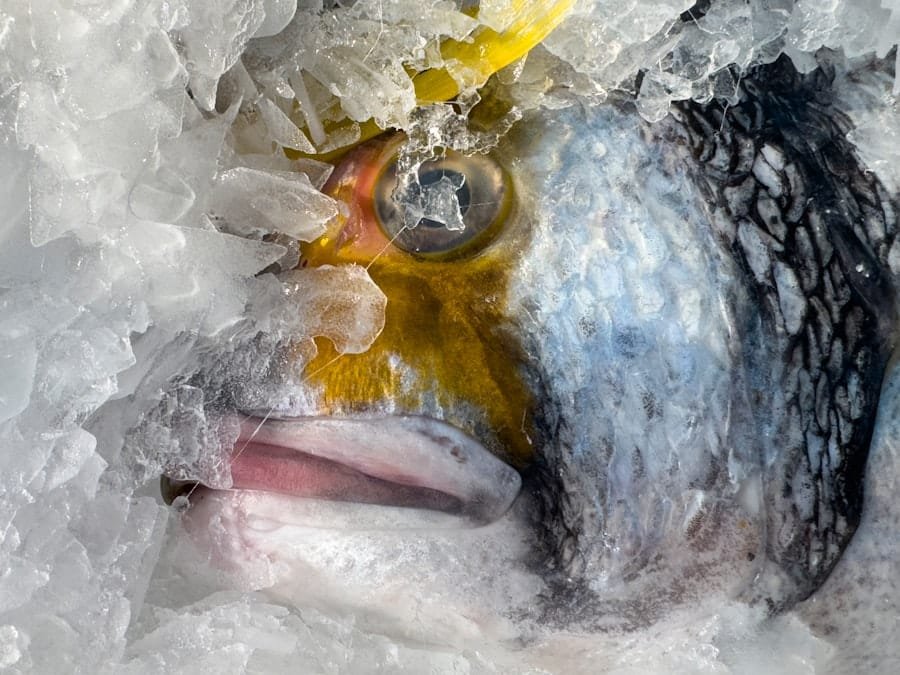
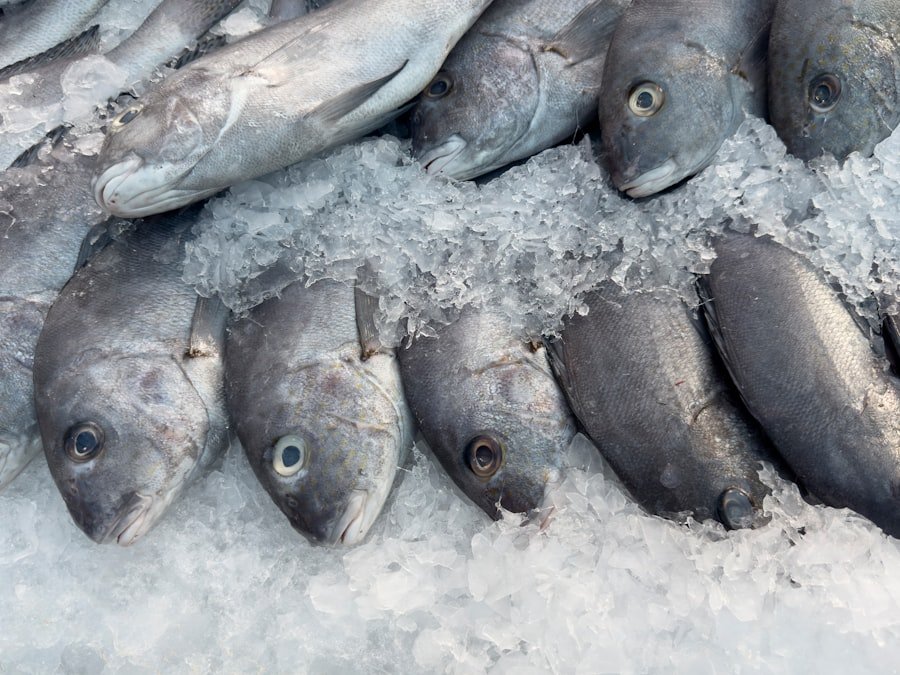
Animal protein sources are abundant and varied, making them an excellent choice for those adhering to a ketogenic diet. Common sources include meat, poultry, fish, eggs, and dairy products. Each of these categories offers unique benefits and nutritional profiles that can enhance a keto meal plan.
For instance, red meats such as beef and lamb are rich in essential nutrients like iron and zinc while providing high-quality protein that supports muscle maintenance. Poultry, including chicken and turkey, is another popular option due to its versatility and lower fat content compared to red meats. Fish, particularly fatty varieties like salmon and mackerel, not only provide protein but also deliver omega-3 fatty acids that are beneficial for heart health.
Eggs are often considered a keto staple due to their high protein content and healthy fats. They can be prepared in numerous ways and are easy to incorporate into various dishes. Dairy products like cheese and Greek yogurt also serve as excellent sources of animal protein while adding flavor and creaminess to meals.
Benefits of Animal Protein for Keto
Incorporating animal protein into a ketogenic diet offers several advantages that can enhance overall health and well-being. One significant benefit is the high bioavailability of animal proteins compared to plant-based sources. This means that the body can more efficiently absorb and utilize the amino acids found in animal proteins, which are essential for various bodily functions such as muscle repair, hormone production, and immune system support.
Additionally, animal proteins are often complete proteins, meaning they contain all nine essential amino acids that the body cannot produce on its own. This is particularly important for individuals on a restrictive diet like keto, where ensuring adequate nutrient intake is crucial. The presence of these essential amino acids supports muscle synthesis and recovery, making animal protein an ideal choice for those engaging in regular physical activity or strength training while following a ketogenic lifestyle.
Nutritional Value of Animal Protein
The nutritional value of animal protein extends beyond just its protein content; it also encompasses a range of vitamins and minerals that are vital for maintaining health. For example, red meat is an excellent source of vitamin B12, which is essential for nerve function and the production of red blood cells. It also contains heme iron, which is more readily absorbed by the body compared to non-heme iron found in plant sources.
Fish provides not only high-quality protein but also essential fatty acids like omega-3s that play a critical role in reducing inflammation and supporting cardiovascular health. Poultry is often lower in calories and saturated fat while still delivering substantial amounts of protein. Eggs are nutrient-dense; they contain choline, which is important for brain health and metabolism.
Dairy products contribute calcium and vitamin D, both of which are crucial for bone health. The diverse nutritional profiles of these animal protein sources make them indispensable components of a well-rounded keto diet.
How to Incorporate Animal Protein into Keto Meals
Incorporating animal protein into keto meals can be both simple and enjoyable. One effective strategy is to plan meals around a primary protein source while complementing it with low-carb vegetables and healthy fats. For instance, a grilled chicken breast can be served alongside sautéed spinach cooked in olive oil or butter, creating a balanced meal that adheres to keto guidelines.
Another approach is to utilize animal proteins in various forms throughout the day. Breakfast could include scrambled eggs with cheese and avocado, while lunch might feature a salad topped with grilled salmon or chicken. Dinner could consist of a hearty beef stew made with low-carb vegetables like zucchini or cauliflower.
Snacks can also be enhanced with animal proteins; options such as beef jerky or hard-boiled eggs provide convenient sources of protein on the go.
Best Animal Protein Choices for Keto
When selecting animal protein sources for a ketogenic diet, certain options stand out due to their favorable macronutrient profiles and overall health benefits. Fatty fish such as salmon, sardines, and trout are excellent choices because they provide both high-quality protein and beneficial omega-3 fatty acids. These fish not only support heart health but also contribute to satiety.
Grass-fed beef is another top choice; it tends to have higher levels of omega-3s compared to grain-fed beef and offers a rich source of vitamins and minerals. Pork belly and bacon can also be included in moderation due to their high-fat content, which aligns well with keto principles. Eggs remain one of the most versatile options; they can be prepared in various ways and are packed with nutrients.
Additionally, full-fat dairy products like cheese and Greek yogurt can enhance meals while providing both protein and healthy fats.
Potential Drawbacks of Animal Protein on Keto
While animal protein offers numerous benefits within a ketogenic framework, there are potential drawbacks that individuals should consider. One concern is the saturated fat content found in certain animal proteins, particularly red meats and processed meats like bacon or sausage. Excessive consumption of saturated fats has been linked to increased cholesterol levels and cardiovascular disease risk in some studies.
Therefore, moderation is key when incorporating these foods into a diet. Another consideration is the environmental impact associated with animal agriculture. The production of meat has been criticized for its contribution to greenhouse gas emissions and resource depletion.
Individuals following a keto diet may want to balance their animal protein intake with plant-based options or consider sourcing their meat from sustainable farms that prioritize ethical practices.
Animal Protein and Ketosis
The relationship between animal protein consumption and ketosis is complex but essential for those following a ketogenic diet. While protein is necessary for muscle maintenance and overall health, excessive intake can potentially hinder ketosis due to gluconeogenesis—the process by which the body converts excess amino acids into glucose. This can lead to elevated blood sugar levels that may disrupt the state of ketosis.
To maintain ketosis while ensuring adequate protein intake, individuals should aim for moderate protein consumption—typically around 20-25% of total caloric intake—while keeping carbohydrates low. This balance allows the body to utilize fat as its primary energy source while still providing enough protein for muscle preservation and overall health.
Tips for Choosing High-Quality Animal Protein for Keto
Selecting high-quality animal protein sources is crucial for maximizing health benefits while following a ketogenic diet. One important tip is to prioritize grass-fed or pasture-raised options whenever possible. These animals are often raised on natural diets that lead to healthier meat products with better fatty acid profiles.
Additionally, individuals should look for organic or hormone-free meats to minimize exposure to harmful substances that may be present in conventionally raised animals. When it comes to fish, choosing wild-caught varieties over farmed options can ensure higher nutrient content and lower levels of contaminants like mercury. Lastly, incorporating a variety of animal proteins into meals not only enhances flavor but also ensures a broader spectrum of nutrients essential for overall health.
Animal Protein as a Key Component of the Keto Diet
Animal protein serves as a fundamental component of the ketogenic diet due to its high-quality nutrient profile and ability to support muscle maintenance while promoting satiety. By incorporating diverse sources such as meat, poultry, fish, eggs, and dairy products into their meal plans, individuals can enjoy flavorful dishes that align with their dietary goals while reaping the numerous health benefits associated with animal proteins. Balancing these proteins with healthy fats and low-carb vegetables creates satisfying meals that support both weight loss efforts and overall well-being within the framework of a ketogenic lifestyle.
FAQs
What is animal protein?
Animal protein refers to the protein found in animal products such as meat, poultry, fish, eggs, and dairy. It is a complete protein source, meaning it contains all the essential amino acids that the body needs.
How does animal protein fit into a keto diet?
Animal protein is a key component of a keto diet as it provides essential nutrients and helps maintain muscle mass while keeping carbohydrate intake low. It also helps keep you feeling full and satisfied, which can aid in weight loss and management.
What are some examples of animal protein for a keto diet?
Examples of animal protein for a keto diet include beef, chicken, turkey, pork, lamb, fish, shellfish, eggs, and dairy products such as cheese, yogurt, and cottage cheese.
Is animal protein the only source of protein on a keto diet?
While animal protein is a popular source of protein on a keto diet, there are also plant-based sources of protein such as tofu, tempeh, and seitan that can be included in a keto meal plan.
Are there any potential health concerns with consuming too much animal protein on a keto diet?
Consuming too much animal protein on a keto diet may lead to an increased intake of saturated fats, which can raise cholesterol levels and increase the risk of heart disease. It’s important to balance animal protein with healthy fats and a variety of non-starchy vegetables on a keto diet.