The ketogenic diet, commonly referred to as the keto diet, is a low-carbohydrate, high-fat eating plan that has gained immense popularity in recent years. At its core, the keto diet aims to shift your body’s metabolism from relying on carbohydrates for energy to utilizing fats instead. This metabolic state is known as ketosis, where your body becomes highly efficient at burning fat for fuel.
By drastically reducing your carbohydrate intake and replacing it with healthy fats, you can encourage your body to enter this state, leading to various health benefits. As you embark on your keto journey, you may find that the diet not only helps with weight loss but also improves mental clarity and energy levels. Many people report feeling more focused and alert when they are in ketosis.
Additionally, the keto diet has been studied for its potential therapeutic effects on certain medical conditions, including epilepsy and type 2 diabetes. However, it’s essential to approach this diet with a clear understanding of its principles and how it affects your body, ensuring that you make informed choices along the way.
Key Takeaways
- The Keto Diet is a low-carb, high-fat diet that helps the body burn fat more effectively for energy.
- Understanding macronutrients on Keto is crucial, with a focus on consuming high amounts of healthy fats, moderate protein, and very low carbohydrates.
- Essential beginner Keto foods to stock up on include avocados, eggs, olive oil, and nuts and seeds.
- Keto-friendly vegetables include leafy greens, broccoli, cauliflower, and zucchini, which are low in carbs and high in fiber.
- Healthy fats for Keto include coconut oil, butter, ghee, and fatty fish like salmon, which provide essential nutrients and support ketosis.
Understanding Macronutrients on Keto
To successfully navigate the keto diet, you need to grasp the concept of macronutrients—carbohydrates, proteins, and fats—and how they fit into your daily intake. On a standard keto diet, your macronutrient ratio typically consists of about 70-75% fats, 20-25% protein, and only 5-10% carbohydrates. This significant reduction in carbs is what helps your body transition into ketosis.
By limiting your carb intake, you force your body to seek alternative energy sources, primarily fat. Understanding how to balance these macronutrients is crucial for your success on the keto diet. You’ll want to focus on high-quality fats, such as avocados, nuts, and olive oil, while being mindful of your protein sources to ensure you’re not consuming too much.
It’s also important to track your carbohydrate intake carefully; even small amounts can hinder your progress if you’re not cautious. By familiarizing yourself with these macronutrient ratios and how they impact your body, you can create meals that align with your keto goals.
Essential Beginner Keto Foods to Stock Up On
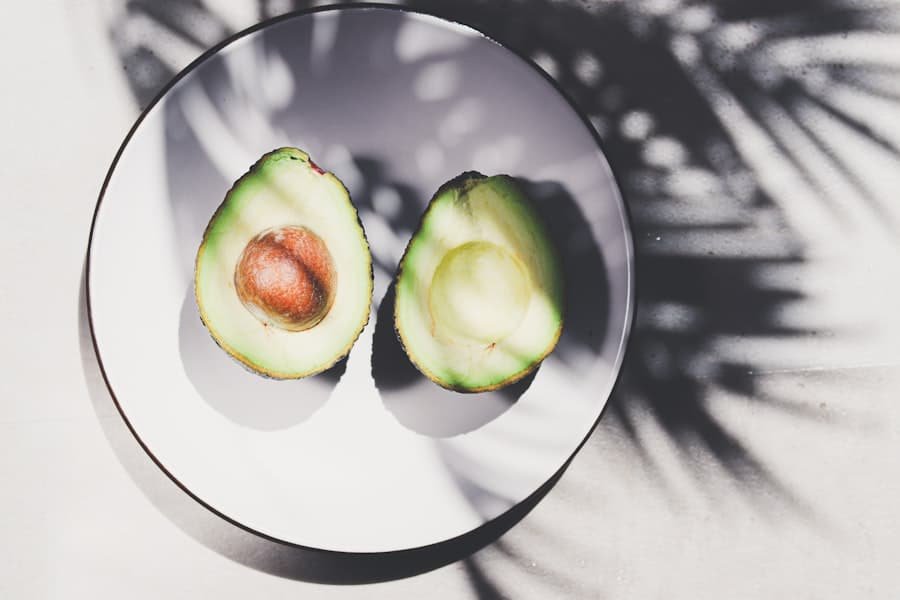
When starting the keto diet, stocking your kitchen with the right foods is essential for setting yourself up for success. Begin by filling your pantry with healthy fats like olive oil, coconut oil, and butter. These fats will be the cornerstone of your meals and snacks, providing the energy you need while keeping you satiated.
Additionally, consider adding avocados and nuts to your shopping list; they are not only rich in healthy fats but also packed with essential nutrients. In terms of proteins, opt for high-quality sources such as grass-fed meats, wild-caught fish, and organic eggs. These options will help you meet your protein needs without exceeding your carbohydrate limits.
Don’t forget to include low-carb vegetables like leafy greens and cruciferous vegetables; they are vital for providing fiber and essential vitamins while keeping your carb count low. By carefully selecting these foods, you can create a solid foundation for your keto journey.
Keto-Friendly Vegetables
Vegetables are an essential component of any healthy diet, including the keto diet. However, not all vegetables are created equal when it comes to carbohydrate content. As you begin your keto journey, focus on incorporating low-carb vegetables into your meals.
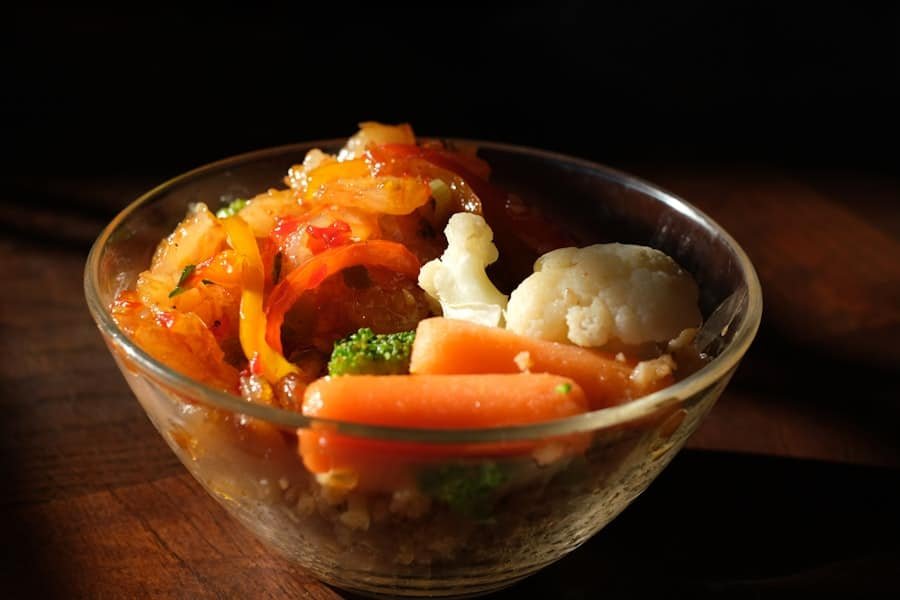
Leafy greens such as spinach, kale, and arugula are excellent choices; they are low in carbs but high in nutrients and fiber. You can use them as a base for salads or sauté them as a side dish. Other great options include cruciferous vegetables like broccoli, cauliflower, and Brussels sprouts.
These veggies are not only low in carbohydrates but also provide a wealth of vitamins and minerals that support overall health. You can roast them, steam them, or even use cauliflower as a substitute for rice or mashed potatoes. By prioritizing these keto-friendly vegetables in your meals, you’ll ensure that you’re getting the nutrients you need while staying within your carb limits.
Healthy Fats for Keto
Healthy fats are the cornerstone of the ketogenic diet and play a crucial role in helping you achieve and maintain ketosis. When selecting fats for your meals, prioritize sources that are rich in monounsaturated and polyunsaturated fats. Olive oil is an excellent choice; it’s versatile and can be used for cooking or drizzling over salads.
Coconut oil is another popular option due to its unique medium-chain triglycerides (MCTs), which can provide quick energy and support fat burning. In addition to oils, consider incorporating avocados into your diet. They are not only delicious but also packed with heart-healthy fats and fiber.
Nuts and seeds are also great sources of healthy fats; almonds, walnuts, chia seeds, and flaxseeds can be enjoyed as snacks or added to meals for an extra crunch. By focusing on these healthy fat sources, you’ll ensure that you’re fueling your body properly while enjoying a variety of flavors and textures.
Protein Sources for Keto Beginners
When following a ketogenic diet, it’s essential to choose protein sources wisely to ensure you’re meeting your nutritional needs without exceeding your carbohydrate limits. High-quality animal proteins should be at the forefront of your choices. Grass-fed beef, pasture-raised chicken, and wild-caught fish are excellent options that provide essential amino acids while being low in carbs.
Eggs are another fantastic source of protein; they are versatile and can be prepared in numerous ways. If you prefer plant-based proteins, consider options like tofu or tempeh; however, be mindful of their carbohydrate content. Incorporating protein-rich foods into each meal will help keep you feeling full and satisfied while supporting muscle maintenance during weight loss.
Remember that while protein is important on the keto diet, moderation is key; consuming too much protein can lead to gluconeogenesis, where excess protein is converted into glucose, potentially hindering ketosis.
Dairy Products for Keto Beginners
Dairy products can be a delicious addition to your ketogenic diet if chosen wisely. Full-fat dairy options are generally lower in carbohydrates compared to their low-fat counterparts. Cheese is a popular choice among keto enthusiasts; varieties like cheddar, mozzarella, and cream cheese can add flavor and richness to your meals without significantly impacting your carb intake.
Greek yogurt is another option; just be sure to select unsweetened varieties to keep sugar levels in check. Heavy cream is a fantastic ingredient for adding creaminess to dishes or coffee while providing healthy fats. However, some individuals may be sensitive to dairy or find that it affects their digestion; if this is the case for you, consider alternatives like coconut milk or almond milk that are unsweetened and low in carbs.
By incorporating these dairy products mindfully into your meals, you can enjoy their flavors while adhering to your keto goals.
Keto-Friendly Snack Options
Snacking on a ketogenic diet doesn’t have to be boring or restrictive; there are plenty of delicious options available that align with your dietary goals. Nuts and seeds make for convenient snacks that are rich in healthy fats and protein. Almonds, macadamia nuts, and pumpkin seeds are all excellent choices that can help curb hunger between meals.
Another tasty option is cheese crisps or cheese sticks; they provide a satisfying crunch while being low in carbs. If you’re looking for something sweet without the sugar crash, consider making fat bombs—small snacks made from healthy fats like coconut oil or nut butter mixed with flavorings such as cocoa powder or vanilla extract. These snacks can help satisfy cravings while keeping you on track with your keto lifestyle.
Beverages for Keto Beginners
Staying hydrated is crucial on any diet, including the ketogenic one. When it comes to beverages on keto, water should be your go-to choice; it’s calorie-free and essential for overall health. If you’re looking for something with flavor, consider herbal teas or sparkling water infused with lemon or lime for a refreshing twist without added sugars.
Coffee is another popular beverage among those following a ketogenic lifestyle; many people enjoy it black or with a splash of heavy cream for added richness. Just be cautious with flavored coffees or creamers that may contain hidden sugars or carbs. Additionally, bone broth is an excellent option that provides hydration along with electrolytes—important for maintaining balance as you transition into ketosis.
Sweeteners for Keto
Finding suitable sweeteners can be one of the trickiest aspects of transitioning to a ketogenic diet since traditional sugars are off-limits due to their high carbohydrate content. Fortunately, there are several keto-friendly sweeteners available that can satisfy your sweet tooth without derailing your progress. Stevia is a popular natural sweetener derived from the leaves of the stevia plant; it’s calorie-free and doesn’t impact blood sugar levels.
Erythritol is another excellent option; it’s a sugar alcohol that has minimal calories and doesn’t spike insulin levels like regular sugar does. Monk fruit sweetener is also gaining popularity among keto dieters due to its natural origins and sweetness without calories or carbs. When using these sweeteners in moderation, you can enjoy desserts and treats while staying true to your ketogenic lifestyle.
Tips for Meal Planning on Keto
Effective meal planning is key to succeeding on the ketogenic diet; it helps you stay organized and ensures that you have access to nutritious meals throughout the week. Start by setting aside time each week to plan out your meals and snacks; this will help prevent last-minute decisions that could lead to unhealthy choices. Create a shopping list based on your meal plan so that you have all the necessary ingredients on hand.
Batch cooking can also be incredibly beneficial; preparing larger portions of meals allows you to have leftovers ready for busy days when cooking may not be feasible. Consider investing in meal prep containers to portion out individual servings for easy grab-and-go options throughout the week. Lastly, don’t forget to experiment with new recipes; keeping things fresh will help maintain your enthusiasm for the diet while ensuring you enjoy a variety of flavors and textures along the way.
By following these guidelines and tips as you embark on your keto journey, you’ll be well-equipped to navigate this lifestyle change successfully while enjoying delicious foods that support your health goals.
FAQs
What are some beginner keto foods?
Some beginner keto foods include avocados, eggs, cheese, nuts, seeds, low-carb vegetables (such as spinach, broccoli, and cauliflower), and meats (such as chicken, beef, and fish).
Are there any fruits that are keto-friendly for beginners?
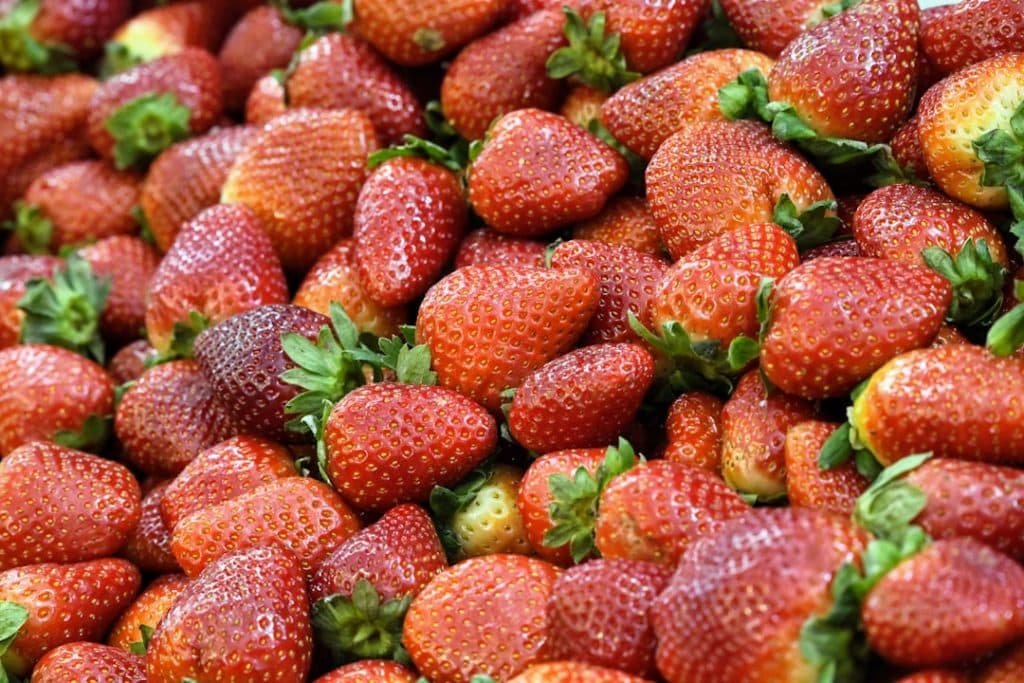
Yes, some fruits that are keto-friendly for beginners include berries (such as strawberries, blueberries, and raspberries) in moderation.
Can I eat dairy on a beginner keto diet?
Yes, dairy can be included in a beginner keto diet. Options such as cheese, heavy cream, and full-fat yogurt can be consumed in moderation.
What are some snacks that are suitable for a beginner keto diet?
Some suitable snacks for a beginner keto diet include cheese sticks, nuts, seeds, hard-boiled eggs, and low-carb vegetables with dip.
Is it important to track macronutrients on a beginner keto diet?
Yes, tracking macronutrients, specifically carbohydrates, is important on a beginner keto diet to ensure that you are staying within the recommended daily carb intake.