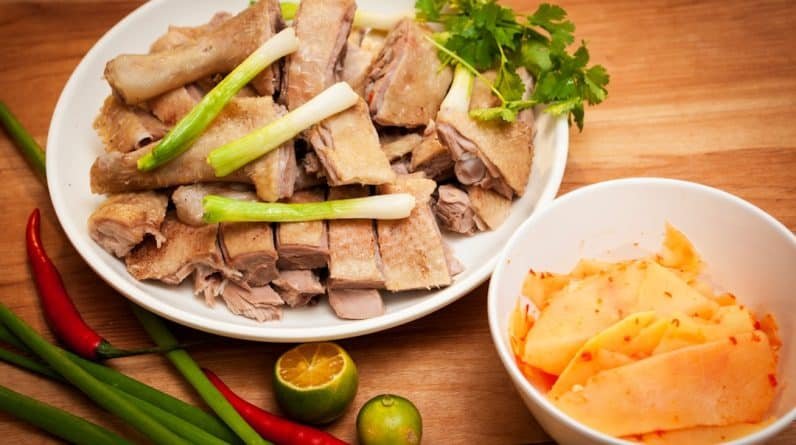
The ketogenic diet, commonly referred to as the keto diet, is a high-fat, low-carbohydrate eating plan designed to shift your body’s metabolism from burning glucose to burning fat for energy. By drastically reducing your carbohydrate intake and replacing it with fat, you enter a metabolic state known as ketosis. In this state, your body becomes incredibly efficient at burning fat for fuel, which can lead to significant weight loss and improved energy levels.
The typical macronutrient breakdown for a keto diet consists of approximately 70-75% fat, 20-25% protein, and only about 5-10% carbohydrates. As you embark on this dietary journey, it’s essential to understand that the keto diet is not just a fad; it has been used for decades, initially developed to help manage epilepsy in children. Over time, its benefits have expanded to include weight loss, improved mental clarity, and better blood sugar control.
However, transitioning to a keto lifestyle requires commitment and a willingness to change your eating habits. You may find that the initial phase can be challenging, but many people report feeling more energetic and focused once they adapt to this new way of eating.
Key Takeaways
- The Keto Diet is a high-fat, low-carb diet that aims to put the body in a state of ketosis, where it burns fat for fuel instead of carbohydrates.
- Understanding macros and tracking is essential for success on the Keto Diet, as it involves monitoring and adjusting your intake of fats, proteins, and carbohydrates.
- Meal planning and prepping are key to staying on track with the Keto Diet, as it helps to ensure that you have keto-friendly options readily available.
- Stocking your kitchen with keto-friendly foods and ingredients is crucial for sticking to the diet and avoiding temptation.
- When dining out on the Keto Diet, it’s important to look for high-fat, low-carb options and to ask for modifications to suit your dietary needs.
Understanding Macros and Tracking
To successfully navigate the keto diet, you need to familiarize yourself with macronutrients—commonly referred to as macros. These are the three primary components of food: carbohydrates, proteins, and fats. Each plays a unique role in your body’s functioning, but on a keto diet, the focus shifts significantly toward fats.
Understanding how to balance these macros is crucial for achieving and maintaining ketosis. You’ll want to keep your carbohydrate intake low while ensuring you consume enough healthy fats and adequate protein. Tracking your macros can seem daunting at first, but it’s an essential part of the process.
You can use various apps or tools to help you log your food intake and monitor your macro ratios. By doing so, you’ll gain insight into what you’re eating and how it affects your body. This practice not only helps you stay within your carb limits but also allows you to make informed choices about the foods you consume.
As you become more comfortable with tracking, you’ll likely find it easier to plan meals that align with your dietary goals.
Meal Planning and Prepping
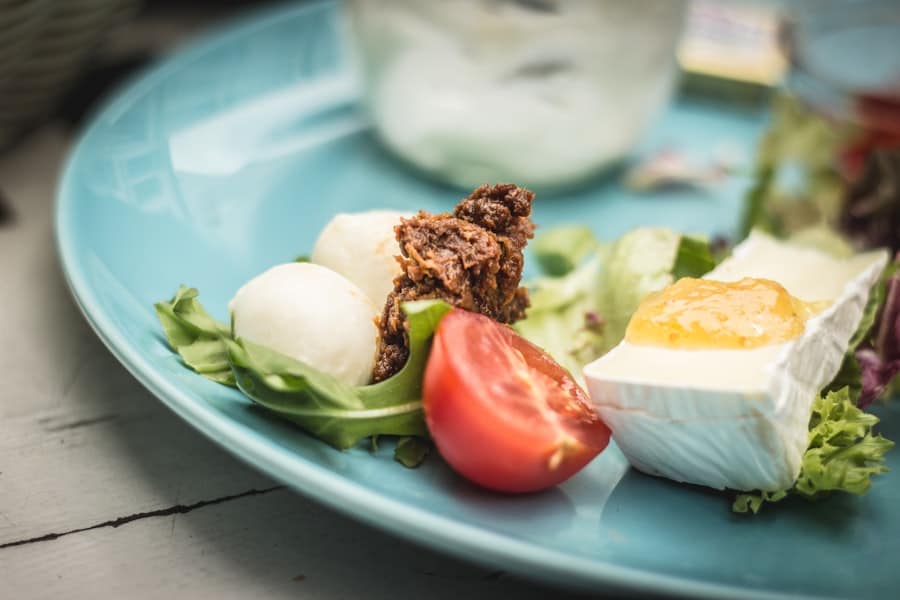
Meal planning is a cornerstone of success on the keto diet. By taking the time to plan your meals for the week ahead, you can ensure that you have all the necessary ingredients on hand and avoid the temptation of reaching for high-carb options when hunger strikes. Start by selecting recipes that fit within your macro goals and create a shopping list based on those meals.
This proactive approach will save you time and stress during busy weekdays. Once you have your meals planned out, consider dedicating a day to meal prepping. This could involve cooking large batches of food that can be portioned out for the week or simply chopping vegetables and marinating proteins in advance.
Having ready-to-eat meals on hand will make it much easier to stick to your keto lifestyle, especially when life gets hectic. Additionally, meal prepping allows you to experiment with different flavors and ingredients, keeping your meals exciting and satisfying.
Stocking Your Keto Kitchen
Creating a keto-friendly kitchen is essential for long-term success on this diet. Start by clearing out any high-carb foods that may tempt you during moments of weakness. This includes sugary snacks, bread, pasta, and other processed items that don’t align with your new eating habits.
Once you’ve decluttered your pantry and fridge, it’s time to stock up on keto staples that will support your journey. Fill your kitchen with healthy fats such as avocados, olive oil, coconut oil, and nuts. These will be your primary sources of energy on the keto diet.
Additionally, stock up on low-carb vegetables like leafy greens, broccoli, cauliflower, and zucchini. These veggies are not only nutritious but also versatile in various recipes. Don’t forget about protein sources like eggs, fatty fish, and grass-fed meats.
By having these ingredients readily available, you’ll be well-equipped to whip up delicious meals that keep you in ketosis.
Tips for Dining Out on Keto
Dining out while following a keto diet can be challenging but not impossible. Many restaurants now offer options that cater to various dietary preferences, including low-carb choices. When you’re perusing the menu, look for dishes that feature protein and non-starchy vegetables while avoiding anything breaded or fried in high-carb batters.
Grilled meats or fish paired with a side salad or steamed vegetables are often excellent choices. Don’t hesitate to ask your server for modifications to dishes if necessary. Most restaurants are willing to accommodate dietary requests, whether it’s substituting a side of fries for extra vegetables or omitting sauces that may contain hidden sugars.
Additionally, consider checking the restaurant’s menu online before you go out; this way, you can plan ahead and feel more confident in your choices when you arrive.
Staying Hydrated and Supplementing

Staying hydrated is crucial on the keto diet, especially as your body adjusts to burning fat for fuel instead of carbohydrates. When you reduce carb intake, your body tends to excrete more water and electrolytes, which can lead to dehydration if not addressed properly. Aim to drink plenty of water throughout the day—at least eight glasses or more depending on your activity level.
You might also want to incorporate electrolyte-rich beverages or supplements to help maintain balance. In addition to hydration, consider supplementing with vitamins and minerals that may be lacking in a strict keto diet. Magnesium, potassium, and sodium are particularly important for maintaining proper bodily functions during this transition period.
You might also want to explore omega-3 fatty acids or MCT oil as they can provide additional energy sources while supporting overall health.
Overcoming Keto Flu and Side Effects
As you begin your keto journey, you may experience what is commonly referred to as “keto flu.” This term describes a collection of symptoms that some individuals face during the initial adjustment period as their bodies adapt to ketosis. Symptoms can include fatigue, headaches, irritability, and digestive issues. While these side effects can be uncomfortable, they are typically temporary and can be managed with proper care.
To alleviate symptoms of keto flu, focus on staying hydrated and ensuring you’re getting enough electrolytes in your diet. Incorporating bone broth or electrolyte supplements can help replenish lost minerals and ease discomfort. Additionally, be patient with yourself; it may take several days or even weeks for your body to fully adapt to this new way of eating.
Remember that many people find that once they push through this initial phase, they experience increased energy levels and improved mental clarity.
Tracking Progress and Adjusting for Success
Tracking your progress is an essential part of any successful diet plan, including keto. Regularly monitoring changes in weight, measurements, or how your clothes fit can provide valuable insights into how well you’re adhering to the diet and whether adjustments are needed. Consider keeping a journal or using an app to log not only your food intake but also how you feel physically and mentally throughout the process.
As you track your progress, be open to making adjustments as necessary. If you’re not seeing the results you desire after several weeks on the diet, it may be time to reassess your macro ratios or meal choices. Remember that everyone’s body responds differently to dietary changes; what works for one person may not work for another.
Stay flexible in your approach and be willing to experiment until you find what best supports your health goals while enjoying the benefits of a ketogenic lifestyle.
FAQs
What is the keto diet?
The keto diet is a high-fat, low-carbohydrate diet that has been shown to help with weight loss and improve certain health conditions. It involves drastically reducing carbohydrate intake and replacing it with fat, forcing the body into a state of ketosis.
How does the keto diet work?
The keto diet works by reducing the body’s reliance on glucose for energy and shifting it to using fat as its primary fuel source. This metabolic state is known as ketosis, and it can lead to increased fat burning and weight loss.
What foods are allowed on the keto diet?
Foods allowed on the keto diet include high-fat foods such as meat, fish, eggs, dairy, nuts, seeds, and healthy oils. Low-carbohydrate vegetables and some fruits in moderation are also permitted.
What foods should be avoided on the keto diet?
Foods to avoid on the keto diet include high-carbohydrate foods such as grains, sugar, starchy vegetables, and most fruits. Processed and sugary foods should also be limited or eliminated.
What are the potential benefits of the keto diet?
Potential benefits of the keto diet include weight loss, improved blood sugar control, increased energy levels, and reduced inflammation. Some people also report improved mental clarity and focus.
Are there any potential risks or side effects of the keto diet?
Potential risks and side effects of the keto diet can include nutrient deficiencies, constipation, bad breath, and the “keto flu” during the initial transition period. It’s important to consult with a healthcare professional before starting the keto diet, especially for those with certain medical conditions.