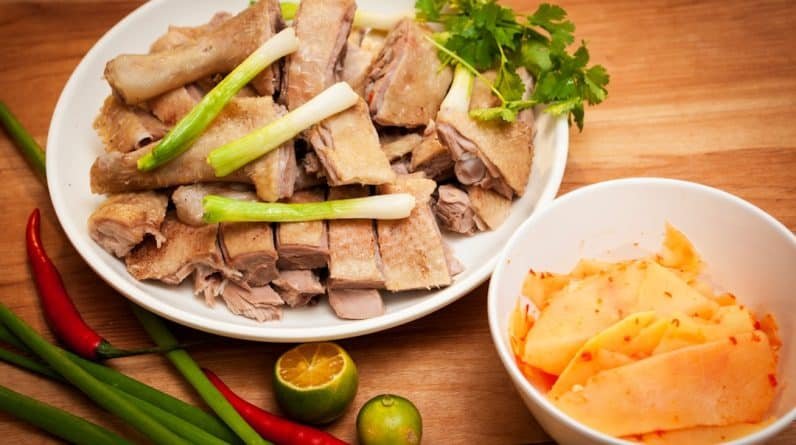
The Keto diet, short for the ketogenic diet, is a high-fat, low-carbohydrate eating plan designed to shift your body’s metabolism from burning carbohydrates for energy to burning fat. This dietary approach typically involves drastically reducing your carbohydrate intake and replacing it with fat, which can lead to a state known as ketosis. In this state, your body becomes incredibly efficient at burning fat for energy, which can result in weight loss and other health benefits.
You may find that this diet not only alters your eating habits but also transforms your relationship with food. As you embark on the Keto journey, you will notice that the focus is on consuming healthy fats, moderate protein, and minimal carbohydrates. This means that traditional staples like bread, pasta, and sugary snacks are largely eliminated from your diet.
Instead, you will be encouraged to indulge in avocados, nuts, seeds, and oils. The Keto diet has gained popularity not just for its potential weight loss benefits but also for its ability to improve mental clarity and energy levels. Understanding the principles behind this diet can help you make informed choices as you navigate your new eating habits.
Key Takeaways
- The Keto Diet is a high-fat, low-carbohydrate diet that aims to put the body into a state of ketosis, where it burns fat for fuel instead of carbohydrates.
- Ketosis is a metabolic state in which the body produces ketones as an alternative fuel source when glucose is in short supply, leading to increased fat burning and weight loss.
- The Keto Diet has been associated with numerous health benefits, including weight loss, improved blood sugar control, and increased mental clarity and focus.
- Foods to eat on the Keto Diet include high-fat, low-carb options such as meat, fish, eggs, avocados, and non-starchy vegetables.
- Foods to avoid on the Keto Diet include high-carb items such as grains, sugars, fruits, and starchy vegetables, as well as processed and high-sugar foods.
Understanding Ketosis
To fully grasp the Keto diet, it’s essential to understand ketosis, the metabolic state that the diet aims to achieve. When you significantly reduce your carbohydrate intake, your body is deprived of its primary source of energy—glucose. In response, your liver begins to convert fatty acids into ketones, which serve as an alternative fuel source for your brain and body.
This process is what defines ketosis and is the cornerstone of the Keto diet’s effectiveness. As you enter ketosis, you may experience a range of physical and mental changes. Many people report increased energy levels and improved focus as their bodies adapt to burning fat instead of carbohydrates.
However, transitioning into ketosis can take time, often ranging from a few days to a week. During this period, your body is adjusting to its new fuel source, which can lead to symptoms commonly referred to as the “Keto flu.” Understanding this process can help you prepare for the initial challenges and appreciate the benefits that come with sustained ketosis.
Benefits of the Keto Diet
The Keto diet offers a variety of potential benefits that extend beyond weight loss. One of the most notable advantages is its ability to promote fat loss while preserving lean muscle mass. By shifting your body’s metabolism to burn fat for fuel, you may find it easier to shed unwanted pounds without feeling deprived or hungry.
Additionally, many individuals report improved satiety when consuming a high-fat diet, which can help curb cravings and reduce overall calorie intake. Beyond weight management, the Keto diet has been linked to several health benefits. Research suggests that it may improve insulin sensitivity and lower blood sugar levels, making it a potential option for those with type 2 diabetes or prediabetes.
Furthermore, some studies indicate that the Keto diet may have neuroprotective effects, potentially benefiting individuals with neurological disorders such as epilepsy or Alzheimer’s disease. As you explore the Keto lifestyle, you may discover these advantages can enhance not only your physical health but also your overall well-being.
Foods to Eat on the Keto Diet
When following the Keto diet, it’s crucial to know which foods align with its principles. Your meals will primarily consist of healthy fats, moderate protein sources, and low-carbohydrate vegetables. Foods such as avocados, olive oil, coconut oil, and butter should become staples in your kitchen.
These fats not only provide energy but also support various bodily functions and promote satiety. In addition to healthy fats, you can enjoy a variety of protein sources while on the Keto diet. Meats like beef, pork, chicken, and fish are excellent choices that can help you meet your protein needs without exceeding your carbohydrate limits.
Low-carb vegetables such as leafy greens, broccoli, cauliflower, and zucchini are also encouraged. These vegetables are nutrient-dense and can add volume to your meals without significantly impacting your carb intake. By focusing on these food groups, you can create satisfying meals that keep you in line with your dietary goals.
Foods to Avoid on the Keto Diet
While there are many delicious foods to enjoy on the Keto diet, there are also several items you should avoid to maintain ketosis effectively. The most significant culprits are high-carbohydrate foods that can quickly derail your progress. This includes grains such as bread, pasta, rice, and cereals.
Sugary snacks like candy, cookies, and pastries are also off-limits due to their high sugar content. In addition to these obvious offenders, it’s essential to be cautious with certain fruits and starchy vegetables. While fruits are generally healthy, many contain high levels of natural sugars that can hinder your ability to stay in ketosis.
Bananas, grapes, and apples are examples of fruits that should be limited or avoided altogether. Similarly, starchy vegetables like potatoes and corn can contribute excessive carbohydrates to your diet. By being mindful of what you consume and steering clear of these foods, you can better support your journey on the Keto diet.
Meal Planning for the Keto Diet
Effective meal planning is a cornerstone of success on the Keto diet. By preparing meals in advance, you can ensure that you have access to compliant foods when hunger strikes. Start by creating a weekly meal plan that includes breakfast, lunch, dinner, and snacks.
This will help you stay organized and reduce the temptation to reach for non-Keto options when you’re pressed for time. When planning your meals, consider incorporating a variety of flavors and textures to keep things interesting. Experiment with different cooking methods such as grilling, roasting, or sautéing to enhance the taste of your dishes.
You might also want to batch-cook certain items like proteins or low-carb vegetables so that they are readily available throughout the week. By taking the time to plan your meals thoughtfully, you can set yourself up for success and make adhering to the Keto diet more manageable.
Tips for Success on the Keto Diet
To thrive on the Keto diet, there are several tips you can implement that will enhance your experience and increase your chances of success. First and foremost, staying hydrated is crucial. Drinking plenty of water helps flush out toxins and supports overall health while on this high-fat diet.
Additionally, consider supplementing with electrolytes such as sodium, potassium, and magnesium to help balance any deficiencies that may arise during ketosis. Another important tip is to listen to your body and adjust your approach as needed. Everyone’s experience with the Keto diet is unique; what works for one person may not work for another.
Pay attention to how different foods affect your energy levels and satiety. If you find yourself feeling sluggish or experiencing cravings, it may be worth reevaluating your macronutrient ratios or meal timing. By being flexible and responsive to your body’s signals, you can create a sustainable approach that aligns with your individual needs.
Common Mistakes to Avoid on the Keto Diet
As you embark on your Keto journey, it’s essential to be aware of common pitfalls that could hinder your progress. One frequent mistake is not tracking your macronutrient intake accurately. While it may seem tedious at first, keeping a food diary or using an app can help ensure you’re staying within your desired carb limits while meeting your fat and protein goals.
Another common error is underestimating hidden carbohydrates in processed foods or condiments. Many sauces and dressings contain added sugars or starches that can quickly add up and push you out of ketosis without you realizing it. Always read labels carefully and opt for whole foods whenever possible to minimize these hidden carbs in your diet.
By avoiding these mistakes and staying vigilant about what you consume, you’ll be better equipped to achieve lasting success on the Keto diet.
Incorporating Exercise with the Keto Diet
While the Keto diet focuses primarily on nutrition, incorporating exercise into your routine can further enhance its benefits. Regular physical activity not only supports weight loss but also improves overall health by boosting cardiovascular fitness and building muscle strength. As you adapt to a low-carb lifestyle, consider integrating both aerobic exercises—like walking or cycling—and strength training into your weekly regimen.
It’s important to note that when starting the Keto diet, you may initially experience a dip in energy levels during workouts as your body adjusts to burning fat for fuel instead of carbohydrates. However, many individuals find that their endurance improves over time as they become more efficient at utilizing fat stores for energy during exercise. By combining a well-rounded fitness routine with the principles of the Keto diet, you’ll be setting yourself up for optimal health and well-being.
Managing Keto Flu
As you transition into ketosis on the Keto diet, you may encounter symptoms commonly referred to as “Keto flu.” This temporary condition can include fatigue, headaches, irritability, nausea, and brain fog as your body adapts to its new fuel source. While these symptoms can be uncomfortable, they are typically short-lived and resolve within a few days to a week. To manage Keto flu effectively, focus on staying hydrated by drinking plenty of water throughout the day.
Additionally, replenishing electrolytes through food sources or supplements can help alleviate symptoms associated with this transition period. Consuming adequate amounts of healthy fats will also provide energy and support overall well-being during this adjustment phase. By taking proactive steps to manage Keto flu symptoms, you’ll be better equipped to embrace the benefits of ketosis once you’ve fully transitioned.
Seeking Professional Guidance for the Keto Diet
While many people successfully navigate the Keto diet independently, seeking professional guidance can provide valuable support tailored specifically to your needs. A registered dietitian or nutritionist experienced in ketogenic diets can help you create a personalized meal plan that aligns with your health goals while ensuring you’re meeting all necessary nutrient requirements. Additionally, professional guidance can be particularly beneficial if you have underlying health conditions or specific dietary restrictions that need consideration during your transition into ketosis.
They can offer insights into managing potential side effects or complications while providing ongoing support as you adapt to this new lifestyle. By enlisting professional help when needed, you’ll be better positioned for long-term success on the Keto diet while prioritizing your overall health and well-being. In conclusion, embarking on the Keto diet requires understanding its principles and being prepared for both its challenges and rewards.
By familiarizing yourself with what foods to eat and avoid while planning meals effectively and incorporating exercise into your routine, you’ll set yourself up for success on this transformative journey toward better health.
FAQs
What is the keto diet?
The keto diet is a high-fat, low-carbohydrate diet that has been shown to help with weight loss and improve certain health conditions. It involves drastically reducing carbohydrate intake and replacing it with fat, which puts the body into a metabolic state called ketosis.
How does the keto diet work?
The keto diet works by reducing the body’s reliance on glucose for energy and shifting it to using fat instead. This metabolic state, known as ketosis, can lead to increased fat burning and weight loss.
What foods are allowed on the keto diet?
Foods allowed on the keto diet include high-fat foods such as meat, fish, eggs, dairy, nuts, seeds, and healthy oils. Low-carbohydrate vegetables and some fruits in moderation are also permitted.
What foods should be avoided on the keto diet?
Foods to avoid on the keto diet include high-carbohydrate foods such as grains, sugar, starchy vegetables, and most fruits. Processed foods and sugary snacks should also be limited or eliminated.
What are the potential benefits of the keto diet?
Potential benefits of the keto diet include weight loss, improved blood sugar control, increased energy levels, and reduced risk of certain diseases such as diabetes and heart disease.
Are there any potential risks or side effects of the keto diet?
Potential risks and side effects of the keto diet can include nutrient deficiencies, constipation, bad breath, and in some cases, an increase in LDL cholesterol levels. It is important to consult with a healthcare professional before starting the keto diet, especially for those with underlying health conditions.
Is the keto diet suitable for everyone?
The keto diet may not be suitable for everyone, especially those with certain medical conditions such as pancreatitis, liver disease, or disorders of fat metabolism. Pregnant or breastfeeding women should also approach the keto diet with caution. It is important to consult with a healthcare professional before starting the keto diet.