
To grasp the relationship between ketosis and brain function, it’s essential to first understand what ketosis is. Ketosis is a metabolic state in which your body, deprived of carbohydrates, begins to burn fat for fuel instead of glucose. This process leads to the production of ketones, which serve as an alternative energy source for your brain and body.
When you enter ketosis, your body adapts to using these ketones, which can have profound effects on your cognitive abilities and overall mental clarity. As you delve deeper into the mechanics of ketosis, you’ll discover that the brain is a highly energy-demanding organ, consuming about 20% of the body’s total energy. Under normal circumstances, glucose is the primary fuel source for brain function.
However, during periods of low carbohydrate intake, such as during fasting or following a ketogenic diet, your brain can efficiently utilize ketones. This shift not only provides a steady energy supply but may also enhance various cognitive functions, making it a fascinating area of study for those interested in optimizing brain health.
Key Takeaways
- Ketosis is a metabolic state in which the body uses fat for fuel instead of carbohydrates, and it has been shown to have positive effects on brain function.
- Ketosis can improve brain health by reducing inflammation, increasing energy production, and promoting the growth of new brain cells.
- Research suggests that ketosis can enhance cognitive function, improve focus, and protect against age-related cognitive decline.
- To achieve ketosis, one must significantly reduce carbohydrate intake and increase consumption of healthy fats and moderate amounts of protein.
- Ketosis may lead to improved mental clarity, enhanced focus, and better overall cognitive performance, as well as potential memory enhancement.
The Benefits of Ketosis for Brain Health
The benefits of ketosis extend beyond mere weight loss; they encompass significant improvements in brain health as well. One of the most notable advantages is the potential for enhanced mental clarity. Many individuals who adopt a ketogenic lifestyle report experiencing sharper focus and improved concentration.
This heightened state of mental acuity can be attributed to the brain’s ability to utilize ketones more efficiently than glucose, leading to a more stable energy supply and reduced fluctuations in blood sugar levels. Moreover, ketosis has been linked to neuroprotective effects. Research suggests that ketones may help protect brain cells from damage and reduce inflammation, which is crucial in preventing neurodegenerative diseases such as Alzheimer’s and Parkinson’s.
By fostering an environment that promotes brain health, ketosis may not only enhance cognitive function but also contribute to long-term mental resilience. As you explore these benefits, you may find yourself motivated to consider how adopting a ketogenic lifestyle could positively impact your own cognitive well-being.
The Science Behind Ketosis and Cognitive Function
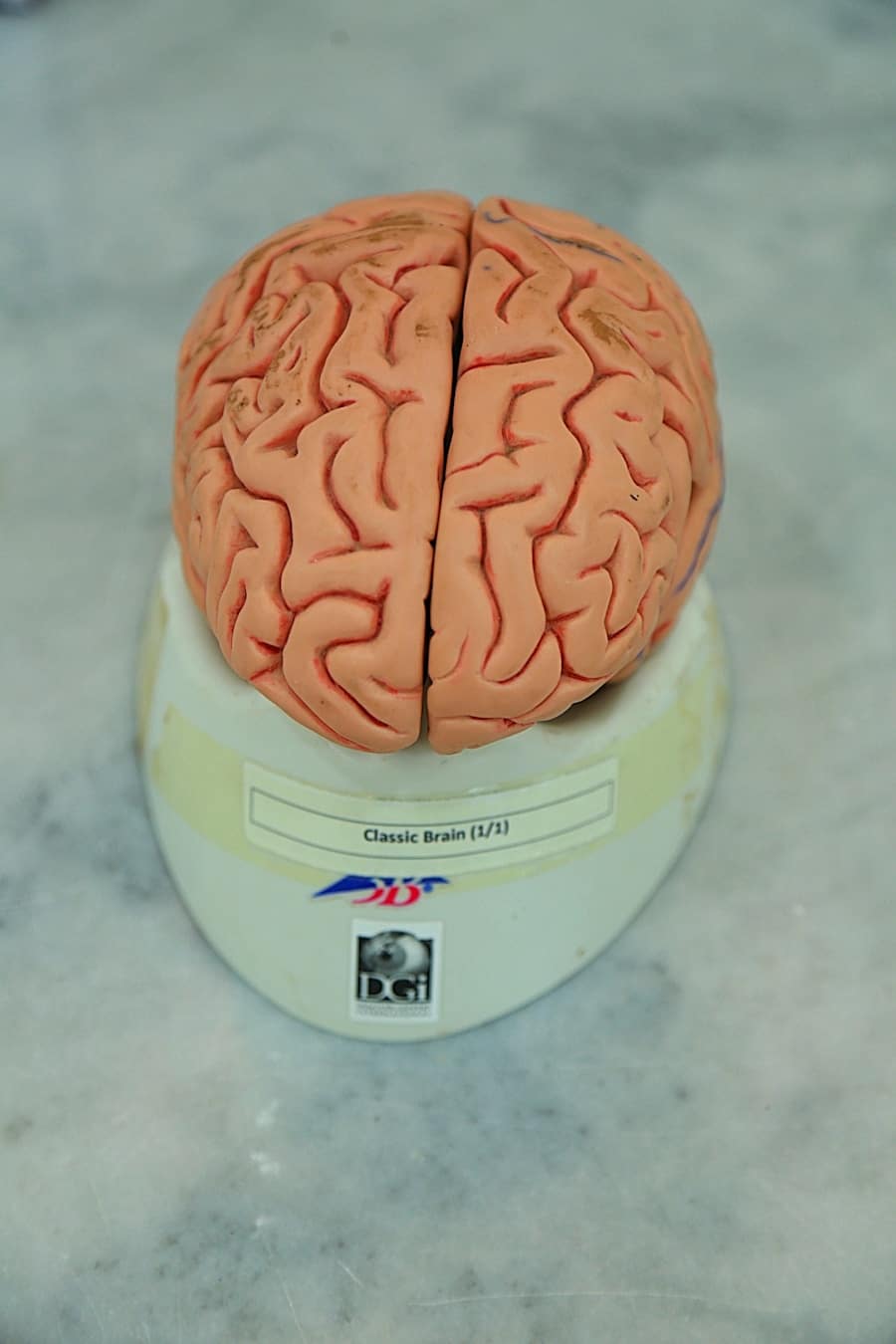
The science behind ketosis and its effects on cognitive function is both intriguing and complex. When your body enters ketosis, it produces three primary types of ketones: acetoacetate, beta-hydroxybutyrate (BHB), and acetone. Among these, BHB is particularly noteworthy due to its ability to cross the blood-brain barrier, providing a direct source of energy for brain cells.
This unique characteristic allows BHB to support various cognitive processes, including memory formation and problem-solving. Additionally, studies have shown that ketosis can lead to increased mitochondrial biogenesis in neurons. Mitochondria are often referred to as the powerhouses of cells, responsible for producing energy.
By enhancing mitochondrial function, ketosis may improve overall brain efficiency and resilience against stressors. This scientific foundation underscores the potential of ketosis as a tool for enhancing cognitive performance and maintaining optimal brain health throughout life.
How to Achieve Ketosis for Improved Brain Function
Achieving ketosis requires a strategic approach to your diet and lifestyle. The cornerstone of entering this metabolic state is significantly reducing your carbohydrate intake while increasing your consumption of healthy fats. Typically, this means limiting carbohydrates to around 20-50 grams per day while ensuring that fats make up approximately 70-80% of your total caloric intake.
Foods such as avocados, nuts, seeds, olive oil, and fatty fish become staples in your diet as you transition into ketosis. In addition to dietary changes, incorporating intermittent fasting can further accelerate your journey into ketosis. By extending the time between meals or limiting your eating window, you encourage your body to deplete its glycogen stores more rapidly, prompting a quicker shift into fat-burning mode.
As you embark on this journey, it’s essential to listen to your body and make adjustments as needed. Monitoring your ketone levels through urine strips or blood tests can provide valuable feedback on your progress and help you fine-tune your approach for optimal brain function.
Ketosis and Mental Clarity
One of the most celebrated benefits of ketosis is its impact on mental clarity. Many individuals report experiencing a heightened sense of focus and concentration once they adapt to a ketogenic diet. This phenomenon can be attributed to the stable energy supply provided by ketones, which helps prevent the energy crashes often associated with high-carbohydrate diets.
As you transition into ketosis, you may notice that your thoughts feel clearer and more organized, allowing you to tackle tasks with greater efficiency. Furthermore, the reduction in blood sugar fluctuations plays a crucial role in enhancing mental clarity. When you consume a diet high in carbohydrates, your blood sugar levels can spike and crash throughout the day, leading to feelings of fatigue and brain fog.
In contrast, the steady release of energy from fat metabolism in ketosis helps maintain stable blood sugar levels, promoting sustained focus and cognitive performance. As you experience these benefits firsthand, you may find yourself more productive and engaged in both personal and professional pursuits.
Ketosis and Memory Enhancement

In addition to improving mental clarity, ketosis has been linked to memory enhancement. Research indicates that ketones may play a role in supporting synaptic plasticity—the brain’s ability to adapt and form new connections—which is essential for learning and memory retention. As you embrace a ketogenic lifestyle, you might find that recalling information becomes easier and that you can learn new concepts more quickly.
Moreover, some studies suggest that the neuroprotective properties of ketones may help mitigate age-related cognitive decline. By reducing oxidative stress and inflammation in the brain, ketosis could potentially safeguard against memory loss associated with aging or neurodegenerative diseases. As you explore these possibilities, consider how adopting a ketogenic diet could not only enhance your current cognitive abilities but also contribute to long-term memory preservation.
Potential Risks and Considerations of Using Ketosis for Brain Function
While the benefits of ketosis for brain function are compelling, it’s essential to approach this dietary shift with caution. One potential risk is the “keto flu,” a collection of symptoms that some individuals experience during the initial transition into ketosis. These symptoms may include fatigue, headaches, irritability, and difficulty concentrating as your body adapts to burning fat instead of carbohydrates.
Understanding this phase can help you prepare mentally and physically for the changes ahead. Additionally, it’s crucial to ensure that your ketogenic diet is well-balanced and nutrient-dense. Relying heavily on processed foods or unhealthy fats can lead to deficiencies in essential vitamins and minerals that are vital for overall health and cognitive function.
As you embark on this journey, prioritize whole foods rich in nutrients while being mindful of portion sizes and macronutrient ratios. Consulting with a healthcare professional or registered dietitian can provide personalized guidance tailored to your specific needs.
Incorporating Ketosis into Your Overall Brain-Boosting Lifestyle
Incorporating ketosis into your overall brain-boosting lifestyle involves more than just dietary changes; it requires a holistic approach that encompasses various aspects of well-being. Regular physical activity is essential for maintaining optimal brain health while on a ketogenic diet. Exercise not only enhances blood flow to the brain but also promotes the release of neurotrophic factors that support neuronal growth and repair.
Additionally, prioritizing sleep is crucial for cognitive function and overall health. Quality sleep allows your brain to consolidate memories and rejuvenate itself for optimal performance during waking hours. As you adopt a ketogenic lifestyle, ensure that you are also cultivating healthy sleep habits by establishing a consistent sleep schedule and creating a restful environment.
By integrating these practices into your daily routine alongside a ketogenic diet, you can create a comprehensive strategy for enhancing brain function and overall well-being. Embrace this journey with an open mind and a willingness to experiment with what works best for you; the potential rewards for your cognitive health could be transformative.
FAQs
What is ketosis?
Ketosis is a metabolic state in which the body uses fat as its primary fuel source, producing ketones as a byproduct. This occurs when the body’s carbohydrate intake is very low, such as during fasting or following a ketogenic diet.
How does ketosis affect brain function?
Ketones produced during ketosis can provide an alternative fuel source for the brain, which can lead to improved cognitive function, mental clarity, and focus for some individuals.
Can ketosis improve brain function?
Some research suggests that ketosis may have potential benefits for brain function, including improved focus, mental clarity, and cognitive performance. However, more studies are needed to fully understand the effects of ketosis on brain function.
Are there any risks or side effects associated with using ketosis to improve brain function?
While some people may experience benefits from ketosis, others may experience side effects such as fatigue, headaches, and difficulty concentrating. It’s important to consult with a healthcare professional before making significant changes to your diet or lifestyle.
How can I achieve ketosis?
Ketosis can be achieved through a strict low-carbohydrate, high-fat ketogenic diet, fasting, or by using exogenous ketone supplements. It’s important to approach ketosis with caution and under the guidance of a healthcare professional, especially if you have any underlying health conditions.





