In recent years, the ketogenic diet, commonly known as the keto diet, has gained immense popularity for its potential benefits in weight loss and overall health. However, an intriguing aspect of this low-carbohydrate, high-fat diet is its relationship with skin health, particularly acne. As you delve into the world of keto, you may find yourself wondering how this dietary approach could influence your skin’s condition.
Acne, a common skin issue affecting millions, can be influenced by various factors, including hormones, genetics, and notably, diet. Understanding the connection between what you eat and how your skin reacts is essential for anyone looking to improve their complexion. The keto diet emphasizes a significant reduction in carbohydrate intake while increasing fats and moderate protein consumption.
This shift in macronutrient balance can lead to various physiological changes in your body, which may have implications for acne development. As you explore the potential benefits of keto for your skin, it’s crucial to consider both the positive and negative effects that this diet may have on acne. By examining the relationship between diet and acne, you can make informed decisions about whether the keto lifestyle is right for you.
Key Takeaways
- Keto diet may have an impact on acne due to its effects on hormones and inflammation.
- Research suggests that a low-carb, high-fat diet like keto may help improve acne symptoms.
- Keto diet involves consuming high amounts of healthy fats, moderate protein, and very low carbohydrates.
- Keto diet can affect hormones like insulin and androgen, which are linked to acne development.
- Personal experiences with keto and acne vary, with some individuals reporting improvements in their skin condition.
The Relationship Between Diet and Acne
Diet plays a pivotal role in skin health, and numerous studies have suggested that certain foods can exacerbate or alleviate acne symptoms. For many individuals, high-glycemic foods—those that cause rapid spikes in blood sugar—are linked to increased acne severity. When you consume these foods, your body releases insulin to help regulate blood sugar levels.
Elevated insulin levels can lead to increased oil production in your skin, which can clog pores and contribute to acne formation. Therefore, understanding how your dietary choices impact your skin is essential for managing breakouts effectively. As you consider the keto diet, it’s important to recognize that it inherently limits high-glycemic foods.
By reducing carbohydrates, particularly refined sugars and grains, you may experience a decrease in insulin levels and improved blood sugar regulation. This shift could potentially lead to fewer breakouts and clearer skin. However, it’s not just about cutting out carbs; the quality of the fats and proteins you consume also matters.
Incorporating nutrient-dense foods while on a keto diet can further support your skin health and overall well-being.
Understanding the Keto Diet

The ketogenic diet is characterized by its unique macronutrient composition: typically, it consists of about 70-75% fats, 20-25% protein, and only 5-10% carbohydrates. This drastic reduction in carbohydrates forces your body into a metabolic state known as ketosis, where it begins to burn fat for fuel instead of glucose derived from carbs. As you embark on this dietary journey, you may find that your body undergoes significant changes, both physically and mentally.
One of the key components of the keto diet is its emphasis on healthy fats. Foods such as avocados, nuts, seeds, olive oil, and fatty fish are staples in this eating plan. These fats not only provide energy but also contain essential nutrients that can benefit your skin.
For instance, omega-3 fatty acids found in fatty fish can help reduce inflammation, which is often a contributing factor to acne. By understanding the principles of the keto diet and how it alters your body’s metabolism, you can better appreciate its potential effects on your skin.
The Impact of Keto on Hormones and Acne
Hormonal fluctuations are a significant contributor to acne development, particularly during puberty or menstrual cycles. Insulin is one hormone that plays a crucial role in this process; when insulin levels are elevated due to high carbohydrate intake, it can lead to increased androgen production. Androgens are male hormones that can stimulate oil production in the skin, leading to clogged pores and breakouts.
By adopting a keto diet and reducing carbohydrate intake, you may experience lower insulin levels, which could help regulate hormone production and potentially reduce acne flare-ups. Moreover, the keto diet may also influence other hormones related to skin health. For example, some studies suggest that a low-carb diet can improve insulin sensitivity and reduce inflammation in the body.
This reduction in inflammation may not only benefit your overall health but could also lead to clearer skin. As you navigate the complexities of hormonal balance while on a keto diet, it’s essential to monitor how your body responds and make adjustments as needed.
Research and Studies on Keto and Acne
While anecdotal evidence abounds regarding the benefits of the keto diet for acne management, scientific research is still emerging in this area. Some studies have indicated that low-glycemic diets can lead to improvements in acne severity. For instance, a study published in the Journal of the American Academy of Dermatology found that participants who followed a low-glycemic index diet experienced a significant reduction in acne lesions compared to those who consumed a high-glycemic diet.
Additionally, research has shown that diets rich in omega-3 fatty acids—often emphasized in keto—can have anti-inflammatory effects that may benefit those with acne-prone skin. While more research is needed specifically on the keto diet’s direct impact on acne, existing studies suggest that dietary changes can play a crucial role in managing this common skin condition. As you consider adopting keto for acne management, staying informed about ongoing research can help you make educated choices.
Personal Experiences with Keto and Acne
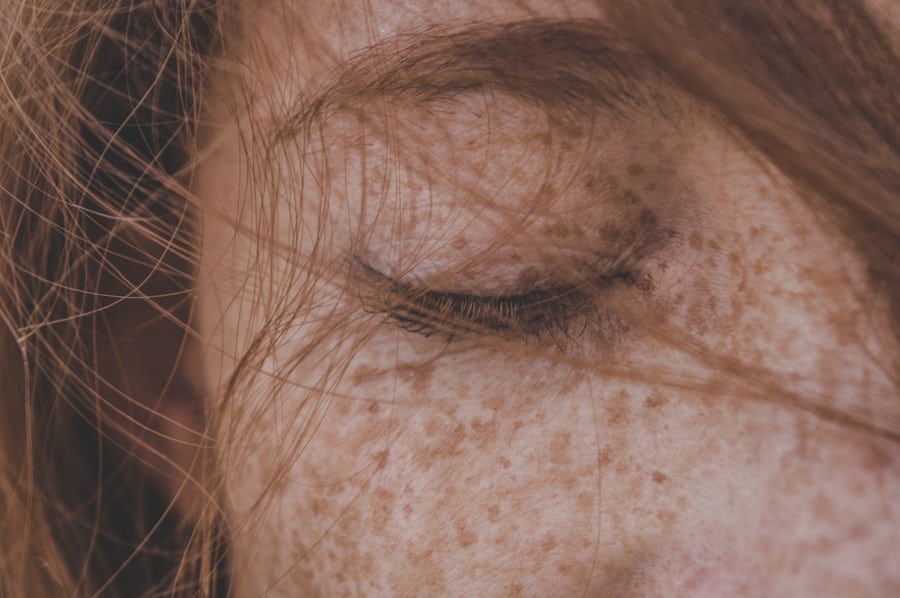
Many individuals who have transitioned to a ketogenic lifestyle report varying experiences with their skin health. Some find that their acne improves significantly after adopting the diet, while others may not notice any change or even experience initial breakouts as their bodies adjust to ketosis. It’s important to remember that everyone’s skin is unique; what works for one person may not work for another.
For those who have seen positive results, the reasons often cited include reduced inflammation and improved hormonal balance due to lower insulin levels. Many individuals also report feeling more energized and focused on keto, which can contribute to an overall sense of well-being that reflects on their skin. However, it’s essential to approach these personal experiences with caution; individual results can vary widely based on factors such as genetics, lifestyle choices, and adherence to the diet.
Tips for Using Keto to Manage Acne
If you’re considering using the keto diet as a strategy for managing acne, there are several tips you can follow to maximize its potential benefits. First and foremost, focus on whole foods rather than processed options. Incorporating plenty of leafy greens, non-starchy vegetables, healthy fats like avocados and olive oil, and high-quality proteins will provide essential nutrients that support skin health.
Additionally, staying hydrated is crucial while on a keto diet. Dehydration can exacerbate skin issues, so aim to drink plenty of water throughout the day. You might also want to consider incorporating supplements such as omega-3 fatty acids or zinc if you’re not getting enough from your food sources; both have been linked to improved skin health.
Lastly, be patient with yourself as you transition into this new way of eating; it may take time for your body—and your skin—to adjust.
Potential Drawbacks and Considerations
While the keto diet offers potential benefits for managing acne, it’s essential to be aware of possible drawbacks as well. One concern is that some individuals may experience an initial breakout when starting the diet due to changes in hormone levels or detoxification processes as their bodies adjust to ketosis. This phenomenon is often temporary but can be discouraging for those seeking immediate results.
Moreover, strict adherence to a ketogenic lifestyle may lead some individuals to miss out on essential nutrients found in fruits and whole grains that are typically limited on this diet. It’s crucial to ensure that you’re still getting a balanced intake of vitamins and minerals necessary for overall health and skin vitality. Consulting with a healthcare professional or registered dietitian before making significant dietary changes can help you navigate these challenges effectively.
In conclusion, while the ketogenic diet presents an intriguing option for managing acne through dietary changes, individual experiences will vary widely based on personal factors such as genetics and lifestyle choices. By understanding the relationship between diet and acne and approaching keto mindfully, you can make informed decisions about whether this dietary approach aligns with your goals for clearer skin.
FAQs
What is keto diet?
The keto diet is a high-fat, low-carbohydrate diet that has been shown to help with weight loss and improve certain health conditions.
How does keto diet affect acne?
Some studies suggest that the keto diet may help improve acne by reducing inflammation and regulating hormone levels, which are both factors that can contribute to acne.
Are there any scientific studies supporting the link between keto diet and acne improvement?
While there is some evidence to suggest that the keto diet may help with acne, more research is needed to fully understand the relationship between the two.
What are the potential benefits of keto diet for acne?
The keto diet may help improve acne by reducing inflammation, balancing hormone levels, and regulating insulin levels, all of which can contribute to acne development.
Are there any potential risks or side effects of using keto diet to treat acne?
Some people may experience side effects such as keto flu, nutrient deficiencies, or difficulty maintaining the diet long-term. It’s important to consult with a healthcare professional before starting any new diet, especially if you have underlying health conditions.