
The ketogenic lifestyle, often referred to simply as “keto,” is a low-carbohydrate, high-fat dietary approach that has gained immense popularity in recent years. At its core, the keto diet aims to shift your body’s metabolism from relying on carbohydrates for energy to utilizing fats instead. This metabolic state, known as ketosis, occurs when your carbohydrate intake is significantly reduced, prompting your body to burn fat for fuel.
By drastically lowering your carb consumption and increasing your fat intake, you can encourage your body to enter this state, which can lead to weight loss and various health benefits. As you embark on the ketogenic journey, it’s essential to understand the types of foods that fit within this framework. Foods rich in healthy fats, such as avocados, nuts, seeds, and olive oil, become staples in your diet.
Meanwhile, you’ll need to limit or eliminate high-carb foods like bread, pasta, and sugary snacks. This shift can be challenging at first, but many find that the increased satiety from fats helps curb cravings and reduces hunger pangs. Additionally, the keto diet has been associated with improved mental clarity and energy levels, making it an appealing option for those looking to enhance their overall well-being.
Key Takeaways
- The ketogenic lifestyle focuses on high fat, moderate protein, and low carb intake to achieve ketosis and promote weight loss and improved health.
- The paleo diet emphasizes consuming whole, unprocessed foods that mimic the diet of our hunter-gatherer ancestors, excluding grains, legumes, and dairy.
- The Mediterranean diet is rich in fruits, vegetables, whole grains, and healthy fats like olive oil, with moderate consumption of fish and poultry, and low intake of red meat and sweets.
- The ketogenic diet and paleo diet both prioritize whole foods and restrict certain food groups, but the ketogenic diet is higher in fat and lower in carbs, while the paleo diet allows for more carbs and less emphasis on fat intake.
- The ketogenic diet and Mediterranean diet both promote heart health and weight management, but the ketogenic diet is higher in fat and lower in carbs, while the Mediterranean diet focuses on whole foods and healthy fats.
Exploring the Paleo Diet
The Paleo diet, often referred to as the “caveman diet,” is based on the premise of eating like our ancestors did during the Paleolithic era. This dietary approach emphasizes whole, unprocessed foods that would have been available to early humans. By focusing on lean meats, fish, fruits, vegetables, nuts, and seeds while avoiding processed foods, grains, legumes, and dairy products, you can align your eating habits with what is believed to be a more natural way of nourishing your body.
One of the key principles of the Paleo diet is its emphasis on nutrient-dense foods. By prioritizing whole foods that are rich in vitamins and minerals, you can support your body’s health and vitality. Many followers of the Paleo lifestyle report increased energy levels and improved digestion as they eliminate processed foods and refined sugars from their diets.
However, it’s important to note that the Paleo diet can be quite restrictive for some individuals, particularly those who enjoy grains or dairy. As you explore this dietary approach, consider how it aligns with your personal preferences and lifestyle.
Unpacking the Mediterranean Diet

The Mediterranean diet is often celebrated for its heart-healthy benefits and emphasis on fresh, seasonal ingredients. Rooted in the traditional eating patterns of countries bordering the Mediterranean Sea, this diet encourages a balanced intake of fruits, vegetables, whole grains, legumes, fish, and healthy fats like olive oil. Unlike more restrictive diets, the Mediterranean approach promotes moderation and variety, making it a sustainable option for many individuals seeking to improve their overall health.
One of the standout features of the Mediterranean diet is its focus on healthy fats. Olive oil serves as a primary source of fat in this eating pattern, providing essential fatty acids and antioxidants that can support cardiovascular health. Additionally, the Mediterranean diet encourages regular consumption of fish and seafood, which are rich in omega-3 fatty acids known for their anti-inflammatory properties.
By incorporating a wide range of colorful fruits and vegetables into your meals, you can ensure that you’re getting a diverse array of nutrients that contribute to long-term health and well-being.
Comparing Ketogenic and Paleo Diets
When comparing the ketogenic and Paleo diets, it’s essential to recognize both their similarities and differences. Both approaches emphasize whole foods while eliminating processed items; however, their macronutrient compositions set them apart. The ketogenic diet is characterized by its high-fat content and very low carbohydrate intake, while the Paleo diet allows for a broader range of carbohydrates from fruits and vegetables.
Another key distinction lies in the types of foods that are emphasized or restricted. While both diets promote healthy fats and lean proteins, the ketogenic diet may include more dairy products like cheese and cream due to its focus on fat intake.
In contrast, the Paleo diet excludes dairy entirely in favor of more natural food sources. As you consider which approach might be best for you, think about your personal preferences and lifestyle factors. Are you more comfortable with a higher fat intake or do you prefer a more balanced approach with carbohydrates?
Understanding these nuances can help guide your decision-making process.
Comparing Ketogenic and Mediterranean Diets
The ketogenic and Mediterranean diets offer distinct approaches to nutrition that cater to different health goals and preferences. While both diets prioritize whole foods over processed options, their macronutrient distributions differ significantly. The ketogenic diet focuses on achieving ketosis through a high-fat, low-carb regimen, whereas the Mediterranean diet emphasizes a balanced intake of healthy fats alongside moderate carbohydrates from whole grains and fruits.
In terms of health benefits, both diets have been associated with positive outcomes such as weight loss and improved metabolic health. However, the Mediterranean diet is often lauded for its heart-healthy properties due to its emphasis on omega-3 fatty acids from fish and healthy monounsaturated fats from olive oil. If cardiovascular health is a primary concern for you, the Mediterranean approach may be more appealing.
On the other hand, if rapid weight loss or managing certain medical conditions is your goal, the ketogenic diet might be worth exploring further.
Combining Ketogenic and Paleo Diets
Creating a Unique Dietary Approach
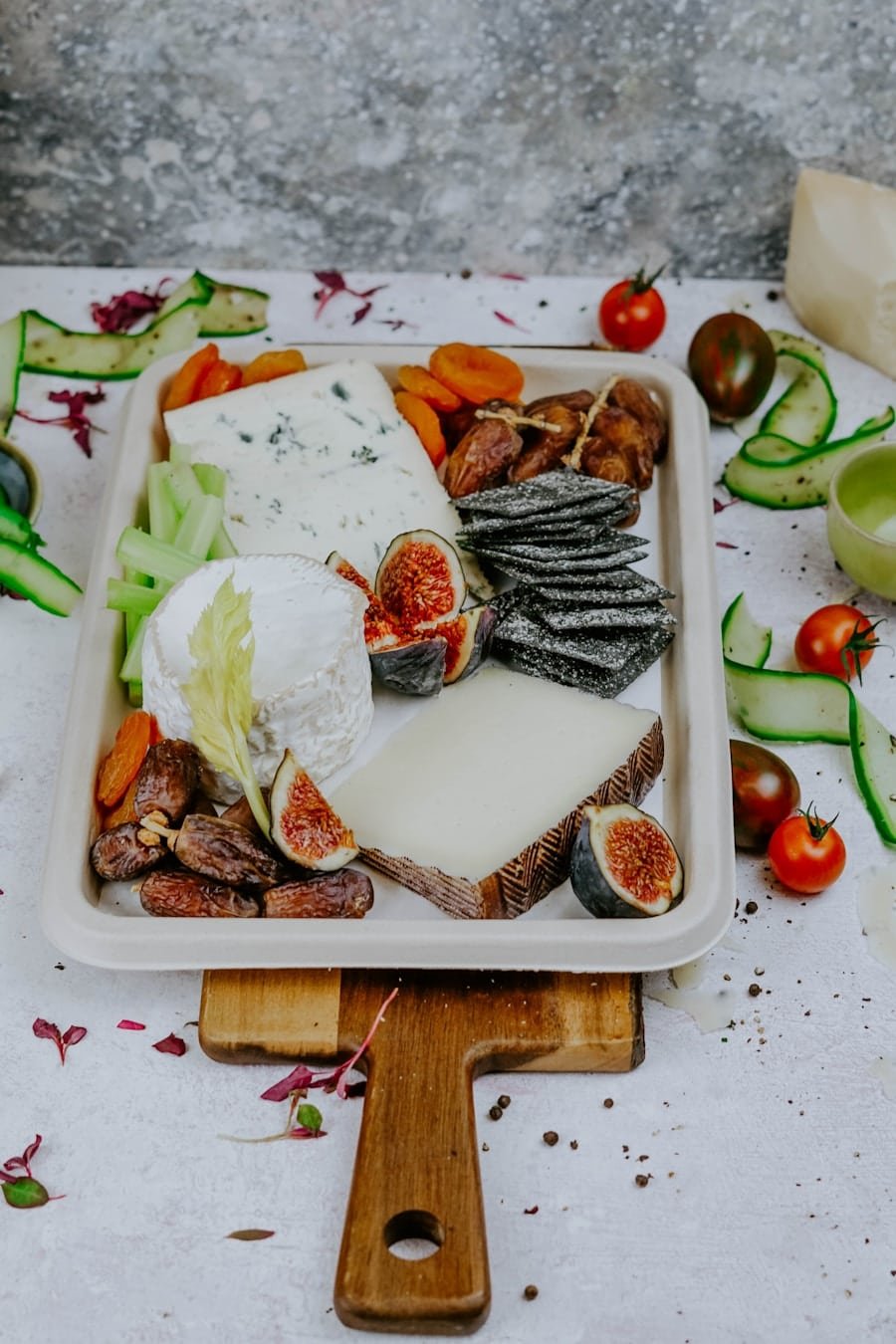
For those who find themselves drawn to both the ketogenic and Paleo diets, combining elements from each can create a unique dietary approach tailored to your needs. By focusing on whole foods while maintaining a low carbohydrate intake, you can enjoy the benefits of both lifestyles without feeling restricted by either one.
Key Principles to Keep in Mind
This hybrid approach allows you to prioritize healthy fats from sources like avocados and nuts while still adhering to the principles of eating unprocessed foods. When combining these two diets, it’s crucial to pay attention to your macronutrient ratios to ensure you remain in ketosis while following Paleo guidelines.
Finding the Right Balance
This may involve experimenting with different food combinations to find what works best for your body. For instance, incorporating non-starchy vegetables like leafy greens can provide essential nutrients without significantly impacting your carb intake. As you navigate this combined approach, listen to your body’s signals and adjust accordingly to find a balance that supports your health goals.
Combining Ketogenic and Mediterranean Diets
Merging the ketogenic and Mediterranean diets can offer a flavorful and nutritious way to enhance your eating habits while still reaping the benefits of both approaches. By focusing on healthy fats from sources like olive oil and fatty fish while keeping carbohydrates low, you can create meals that are not only satisfying but also aligned with your health objectives. This combination allows you to enjoy dishes rich in flavor while prioritizing nutrient-dense ingredients.
To successfully integrate these two dietary styles, consider incorporating Mediterranean staples such as olives, artichokes, and fresh herbs into your meals while maintaining a low-carb focus. For example, a salad topped with grilled salmon drizzled with olive oil and sprinkled with fresh herbs can provide a delicious meal that adheres to both dietary principles. As you experiment with different recipes and flavors from both cuisines, you may discover new favorites that keep your meals exciting while supporting your health journey.
Tips for Successfully Integrating Different Dietary Approaches
Successfully integrating different dietary approaches requires careful planning and mindfulness about your food choices. Start by educating yourself about each diet’s principles so you can make informed decisions about what works best for you. Consider keeping a food journal to track what you eat and how it makes you feel; this can help identify patterns that may inform your dietary choices moving forward.
Meal prepping is another effective strategy for successfully combining different dietary approaches. By preparing meals in advance that align with your chosen dietary principles, you can ensure that you always have healthy options available when hunger strikes. Additionally, don’t hesitate to experiment with recipes that incorporate elements from each diet; creativity in the kitchen can lead to delicious discoveries that keep you motivated on your journey toward better health.
In conclusion, whether you choose to follow one specific dietary approach or combine elements from multiple styles like ketogenic, Paleo, or Mediterranean diets, it’s essential to find what works best for you personally. By understanding each diet’s principles and experimenting with different combinations of foods, you can create a sustainable eating plan that supports your health goals while still being enjoyable. Remember that flexibility is key; listen to your body’s needs and adjust as necessary to maintain balance in your nutritional journey.
FAQs
What is the Ketogenic lifestyle?
The ketogenic lifestyle is a high-fat, low-carbohydrate diet that has been shown to help with weight loss, improve blood sugar control, and provide other health benefits.
What is the Paleo diet?
The Paleo diet, also known as the caveman diet, focuses on consuming foods that would have been available to our ancestors, such as lean meats, fish, fruits, vegetables, nuts, and seeds, while avoiding processed foods, grains, and dairy.
What is the Mediterranean diet?
The Mediterranean diet is based on the traditional eating habits of people in countries bordering the Mediterranean Sea. It emphasizes consuming fruits, vegetables, whole grains, fish, and healthy fats like olive oil, while limiting red meat and processed foods.
Can the Ketogenic lifestyle be combined with the Paleo diet?
Yes, the ketogenic lifestyle can be combined with the Paleo diet by focusing on consuming high-fat, low-carbohydrate foods that align with the principles of the Paleo diet, such as lean meats, fish, fruits, vegetables, nuts, and seeds.
Can the Ketogenic lifestyle be combined with the Mediterranean diet?
Yes, the ketogenic lifestyle can be combined with the Mediterranean diet by incorporating high-fat, low-carbohydrate foods into the traditional Mediterranean diet, such as olive oil, nuts, seeds, and fatty fish, while limiting carbohydrates from grains and starchy vegetables.