The ketogenic diet, commonly referred to as the keto diet, is a high-fat, low-carbohydrate eating plan designed to shift your body’s metabolism from burning glucose to burning fat. By drastically reducing your carbohydrate intake and replacing it with fat, your body enters a state known as ketosis. In this metabolic state, your liver converts fat into ketones, which serve as an alternative energy source for your brain and body.
This shift can lead to significant weight loss and improved energy levels, making the keto diet appealing to many individuals seeking to enhance their health and well-being. As you embark on the keto journey, you may find that the diet emphasizes whole foods such as meats, fish, eggs, dairy, nuts, seeds, and low-carb vegetables. The goal is to keep your daily carbohydrate intake typically below 20-50 grams.
This restriction forces your body to adapt to using fat for fuel instead of carbohydrates. While the keto diet can be effective for weight loss and managing certain health conditions, it also requires careful planning and consideration of food choices to ensure you remain in ketosis.
Key Takeaways
- The Keto Diet is a high-fat, low-carbohydrate diet that aims to put the body into a state of ketosis, where it burns fat for fuel instead of carbohydrates.
- Oatmeal is a nutritious whole grain that provides fiber, protein, and various vitamins and minerals, making it a beneficial addition to a balanced diet.
- Oatmeal is relatively high in carbohydrates, with a 1-cup serving containing around 27 grams of net carbs, which may not be suitable for those following a strict keto diet.
- Consuming oatmeal can impact ketosis due to its carbohydrate content, potentially causing a shift in the body’s metabolic state away from burning fat for fuel.
- There are several low-carb alternatives to oatmeal that can be incorporated into a keto diet, such as chia seed pudding, flaxseed meal porridge, or coconut flour porridge.
Nutritional Benefits of Oatmeal
The High Fiber Content of Oatmeal
One of the standout features of oatmeal is its high fiber content, particularly soluble fiber known as beta-glucan. This type of fiber has been shown to help lower cholesterol levels, improve heart health, and promote feelings of fullness, which can aid in weight management. When you consume oatmeal, you may find that it keeps you satiated for longer periods, reducing the likelihood of unhealthy snacking throughout the day.
Vitamins and Minerals in Oatmeal
In addition to fiber, oatmeal is a good source of several important vitamins and minerals. It contains B vitamins, which play a crucial role in energy metabolism, as well as iron, magnesium, and zinc. These nutrients are vital for maintaining overall health and supporting various bodily functions.
By incorporating oatmeal into your diet, you can enjoy a nutrient-dense food that contributes positively to your overall health.
Carbohydrate Content of Oatmeal
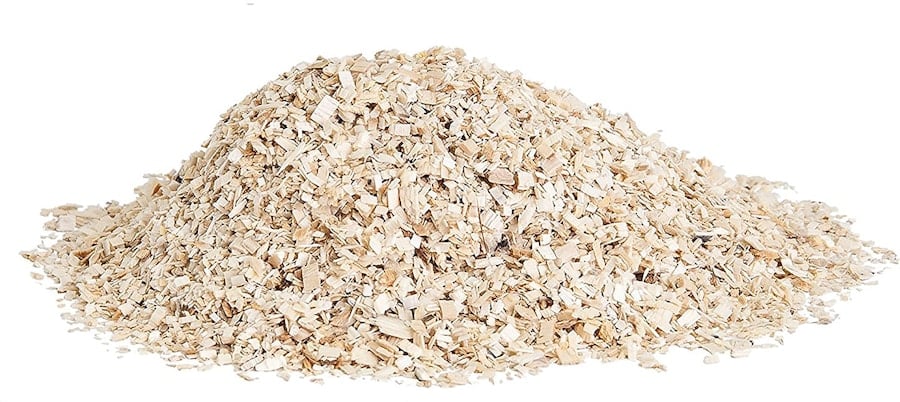
When considering oatmeal as part of your diet, it’s essential to examine its carbohydrate content closely. A typical serving of cooked oatmeal (about one cup) contains approximately 27 grams of carbohydrates. While this may not seem excessive at first glance, it’s important to remember that the keto diet restricts carbohydrate intake significantly.
For those following a strict keto regimen, this amount can quickly exceed the daily limit of carbohydrates needed to maintain ketosis. Moreover, the carbohydrate content in oatmeal primarily comes from starches and sugars. While these carbohydrates are complex and digest slowly compared to simple sugars, they still contribute to your overall carb count for the day.
If you’re aiming to stay within a specific carbohydrate range on keto, you’ll need to be mindful of how oatmeal fits into your daily meal plan. This consideration is crucial for ensuring that you remain in ketosis and continue to reap the benefits of the ketogenic lifestyle.
Impact of Oatmeal on Ketosis
The impact of oatmeal on ketosis is a significant concern for those following a ketogenic diet. Since ketosis relies on maintaining low levels of carbohydrates in the body, consuming oatmeal can potentially disrupt this delicate balance. When you eat oatmeal, your body breaks down the carbohydrates into glucose, which can lead to an increase in blood sugar levels.
This spike can signal your body to switch back to using glucose for energy rather than fat, thereby hindering your ability to remain in ketosis. If you decide to include oatmeal in your diet while on keto, it’s essential to monitor how it affects your individual state of ketosis. Some people may find that they can tolerate small amounts of oatmeal without significantly impacting their ketone levels, while others may experience a more pronounced effect.
It’s advisable to test your blood ketone levels after consuming oatmeal to determine how it influences your body’s metabolic state. This personalized approach will help you make informed decisions about whether or not oatmeal can fit into your keto lifestyle.
Alternatives to Oatmeal on Keto
If you find that oatmeal doesn’t align with your ketogenic goals, there are several alternatives that can provide similar textures and flavors without compromising your carb limits. One popular option is chia seed pudding. Chia seeds are low in carbohydrates and high in fiber and healthy fats.
When soaked in liquid, they expand and create a pudding-like consistency that can be flavored with vanilla or cocoa powder for added taste. Another alternative is flaxseed meal, which can be used to make low-carb pancakes or porridge. Flaxseeds are rich in omega-3 fatty acids and fiber while being low in net carbs.
You might also consider coconut flour or almond flour as bases for various baked goods or breakfast dishes that mimic the comforting qualities of oatmeal without the high carbohydrate content.
Ways to Incorporate Oatmeal into a Keto Diet

If you’re determined to include oatmeal in your keto diet despite its carbohydrate content, there are creative ways to do so while minimizing its impact on ketosis. One approach is to use a smaller portion size than what is typically recommended. Instead of a full cup of cooked oatmeal, consider having half a serving mixed with plenty of healthy fats like butter or coconut oil.
This combination can help balance out the carb content while providing satiety. You might also experiment with adding low-carb toppings to your oatmeal. For instance, incorporating nuts or seeds can enhance the nutritional profile while adding healthy fats and protein.
Additionally, consider mixing in unsweetened cocoa powder or cinnamon for flavor without adding extra carbs. By being mindful of portion sizes and toppings, you can enjoy a small serving of oatmeal while still adhering to your ketogenic goals.
Potential Drawbacks of Eating Oatmeal on Keto
While oatmeal has its benefits, there are potential drawbacks when it comes to incorporating it into a ketogenic diet. The most significant concern is its carbohydrate content, which can easily push you over your daily limit if not carefully managed. This could lead to a halt in weight loss progress or even weight gain if you’re not vigilant about tracking your intake.
Another drawback is that some individuals may experience digestive discomfort when consuming oats due to their high fiber content. If you’re not accustomed to eating fiber-rich foods regularly, introducing oatmeal into your diet could lead to bloating or gas. It’s essential to listen to your body and adjust accordingly if you notice any adverse effects after consuming oatmeal.
Can You Eat Oatmeal on Keto?
In conclusion, whether or not you can eat oatmeal on a ketogenic diet largely depends on your individual goals and how your body responds to carbohydrates. While oatmeal offers numerous nutritional benefits and can be part of a balanced diet for many people, its higher carbohydrate content poses challenges for those aiming for strict ketosis. If you choose to include oatmeal in your meals, consider portion control and pairing it with healthy fats to mitigate its impact on blood sugar levels.
Ultimately, the key lies in understanding your body’s unique response and finding a balance that works for you. If you find that oatmeal disrupts your ketosis or hinders your progress toward your health goals, there are plenty of low-carb alternatives available that can provide similar satisfaction without compromising your dietary principles. As with any dietary choice, staying informed and attuned to how different foods affect you will empower you on your journey toward optimal health and wellness on the keto diet.
FAQs
What is the keto diet?
The keto diet is a high-fat, low-carbohydrate diet that has been shown to help with weight loss and improve certain health conditions. It involves drastically reducing carbohydrate intake and replacing it with fat, putting the body into a metabolic state called ketosis.
Can you eat oatmeal on the keto diet?
Oatmeal is relatively high in carbohydrates, so it is generally not recommended for the keto diet. However, some people may be able to include small amounts of oatmeal in their keto diet if it fits within their daily carbohydrate limit.
Are there low-carb alternatives to oatmeal for the keto diet?
Yes, there are several low-carb alternatives to oatmeal that can be enjoyed on the keto diet. These include chia seed pudding, flaxseed porridge, and coconut flour porridge, which are all lower in carbohydrates and higher in fat.
What are the potential drawbacks of eating oatmeal on the keto diet?
Eating oatmeal on the keto diet can potentially kick the body out of ketosis due to its high carbohydrate content. Additionally, oatmeal may cause blood sugar spikes in some individuals, which can interfere with the goals of the keto diet.
How can I determine if oatmeal is suitable for my keto diet?
It is important to track your daily carbohydrate intake and ensure that including oatmeal does not exceed your carbohydrate limit for the day. Additionally, monitoring your blood sugar levels and ketone levels can help determine if oatmeal is suitable for your keto diet. Consulting with a healthcare professional or a registered dietitian is also recommended.