The Keto diet, short for ketogenic diet, is a high-fat, low-carbohydrate eating plan designed to shift your body’s metabolism from burning glucose to burning fat. By drastically reducing your carbohydrate intake and replacing it with fat, you enter a metabolic state known as ketosis. In this state, your body becomes incredibly efficient at burning fat for energy, which can lead to weight loss and other health benefits.
The typical macronutrient breakdown for a keto diet consists of approximately 70-75% fat, 20-25% protein, and only about 5-10% carbohydrates. As you embark on this dietary journey, you may find that the keto diet not only helps with weight management but also offers potential improvements in mental clarity and energy levels. Many people report feeling more focused and alert when in ketosis.
However, transitioning to this way of eating can be challenging, especially if you are accustomed to a higher carbohydrate intake. Understanding the principles of the keto diet is essential for successfully navigating your food choices and achieving your health goals.
Key Takeaways
- The Keto Diet is a high-fat, low-carbohydrate diet that aims to put the body in a state of ketosis.
- Carbohydrate limits on Keto typically range from 20-50 grams per day, with the majority of carbs coming from non-starchy vegetables.
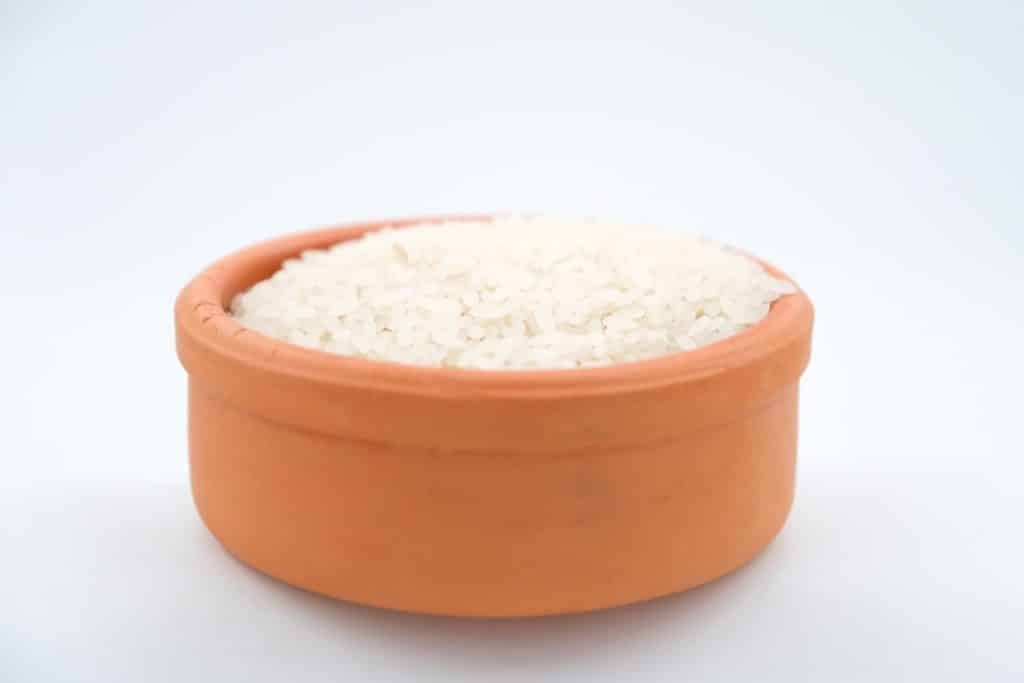
- Rice is high in carbohydrates and is not typically included in a Keto diet due to its potential to disrupt ketosis.
- The nutritional profile of rice includes high levels of carbohydrates and low levels of fat and protein.
- Alternatives to rice on Keto include cauliflower rice, shirataki rice, and broccoli rice.
Understanding Carbohydrate Limits on Keto
To effectively follow a keto diet, it’s crucial to understand the limits on carbohydrate intake. Generally, most people aim to consume between 20 to 50 grams of net carbohydrates per day. Net carbs are calculated by subtracting fiber from total carbohydrates, as fiber does not significantly impact blood sugar levels.
This limited carbohydrate intake is what helps your body enter and maintain ketosis. You might find it helpful to track your carbohydrate consumption initially to ensure you stay within these limits. This can involve reading food labels carefully and being mindful of hidden sugars in processed foods.
As you become more familiar with the carbohydrate content of various foods, you’ll develop a better intuition for what fits into your daily allowance. Remember that not all carbohydrates are created equal; focusing on low-carb vegetables and high-fiber foods can help you meet your nutritional needs while staying within your carb limits.
The Role of Rice in a Keto Diet
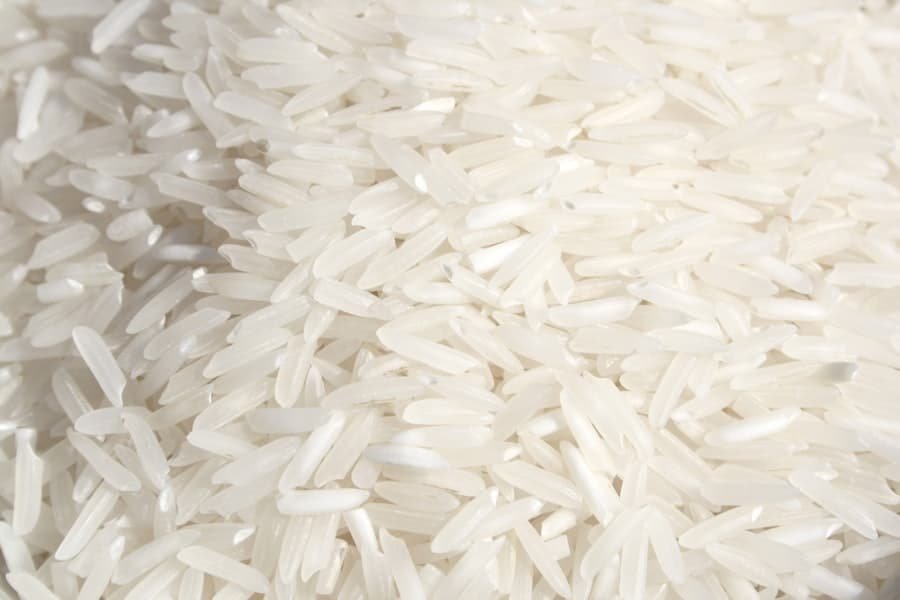
Rice is a staple food in many cultures around the world, but it poses a significant challenge for those following a keto diet due to its high carbohydrate content. A single cup of cooked white rice can contain around 45 grams of carbohydrates, which can quickly exceed your daily limit if you’re trying to maintain ketosis. Therefore, understanding the role of rice in a keto diet is essential for making informed dietary choices.
While traditional rice is generally off-limits on keto, it’s important to recognize that there are alternatives and creative ways to incorporate rice-like textures into your meals without derailing your diet. For instance, cauliflower rice has gained popularity as a low-carb substitute that mimics the texture of rice while providing minimal carbohydrates. By exploring these alternatives, you can still enjoy dishes that resemble your favorite rice-based meals without compromising your dietary goals.
Nutritional Profile of Rice
When considering rice as part of your diet, it’s essential to examine its nutritional profile. White rice is primarily composed of carbohydrates, with very little protein or fat. It also lacks significant vitamins and minerals compared to whole grains or other nutrient-dense foods.
While brown rice offers more fiber and nutrients than white rice, it still contains a considerable amount of carbohydrates that can hinder your progress on a keto diet. In contrast, cauliflower rice provides a much lower carbohydrate count while offering vitamins C and K, as well as antioxidants that can support overall health. Understanding the nutritional differences between traditional rice and its alternatives can help you make better choices that align with your dietary goals.
By prioritizing nutrient-dense foods, you can ensure that you’re not only staying within your carb limits but also nourishing your body effectively.
Alternatives to Rice on Keto
If you’re looking for alternatives to rice that fit within the parameters of a keto diet, there are several options available that can satisfy your cravings without compromising your carb intake. Cauliflower rice is perhaps the most popular substitute; it’s made by grating or processing cauliflower into small pieces that resemble rice grains. This versatile option can be sautéed, steamed, or even used in stir-fries.
Another alternative is shirataki rice, made from konjac root. This low-calorie option is virtually carb-free and can be used in various dishes. Additionally, broccoli rice is another great substitute; simply pulse raw broccoli florets in a food processor until they reach a rice-like consistency.
These alternatives not only help you stay within your carb limits but also add variety and nutrition to your meals.
How to Incorporate Rice on a Keto Diet
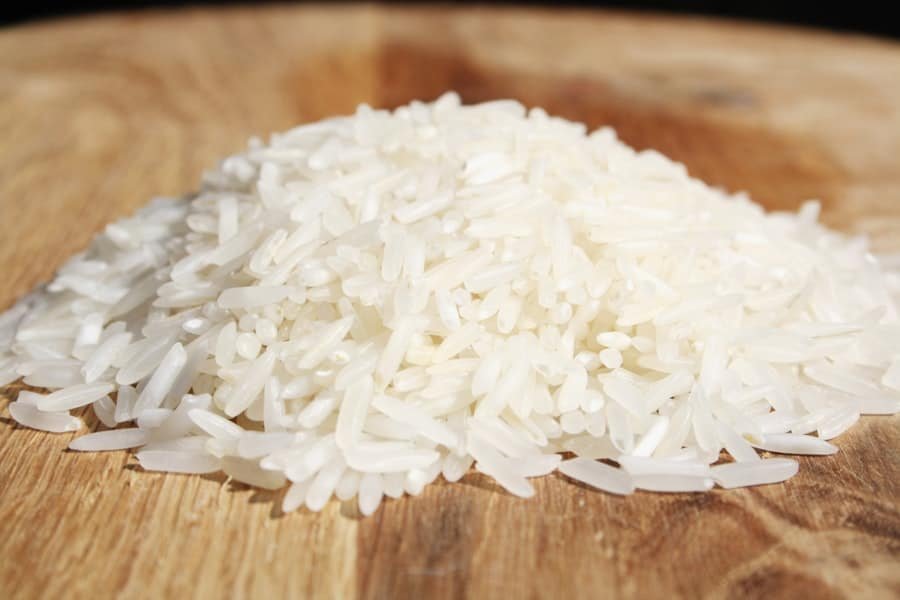
Incorporating rice into a keto diet requires creativity and an understanding of portion control. If you’re determined to include traditional rice in your meals occasionally, consider using it as a small side dish rather than the main component of your meal. For example, pairing a small serving of brown or wild rice with a protein-rich dish and plenty of low-carb vegetables can help balance your meal while keeping carbs in check.
Alternatively, focus on using cauliflower or other low-carb substitutes as the base for your meals. You can create delicious stir-fries or grain bowls using cauliflower rice topped with protein sources like chicken or tofu and an array of colorful vegetables. Experimenting with different seasonings and cooking methods can enhance the flavor and texture of these alternatives, making them satisfying substitutes for traditional rice dishes.
Risks and Benefits of Eating Rice on Keto
While there are potential benefits to including small amounts of rice in your keto diet—such as enjoying familiar flavors and textures—there are also risks associated with this choice. The primary concern is exceeding your carbohydrate limit, which could disrupt ketosis and hinder weight loss efforts. Additionally, consuming too much rice may lead to cravings for other high-carb foods, making it challenging to stick to your dietary goals.
On the other hand, if you choose to incorporate low-carb alternatives like cauliflower or shirataki rice, you can enjoy the benefits of increased vegetable intake without the risks associated with traditional rice. These alternatives provide essential nutrients while keeping your carbohydrate consumption low, allowing you to maintain ketosis and support overall health.
Tips for Choosing the Right Type of Rice on Keto
If you decide to include rice in your keto diet, selecting the right type is crucial for managing your carbohydrate intake effectively. Opt for whole grain varieties like brown or wild rice over white rice when possible; they offer more fiber and nutrients that can aid digestion and overall health. However, keep in mind that even these options should be consumed in moderation due to their higher carbohydrate content.
When shopping for rice alternatives, look for products specifically labeled as low-carb or keto-friendly. Cauliflower rice is widely available in grocery stores, often found in the frozen section or pre-packaged fresh produce aisles. Additionally, consider making your own alternatives at home; this allows you to control ingredients and ensure freshness while experimenting with flavors that suit your palate.
Recipes for Keto-friendly Rice Dishes
Creating delicious keto-friendly dishes using rice alternatives can be both fun and rewarding. One popular recipe is cauliflower fried rice, where you sauté riced cauliflower with vegetables like bell peppers, peas, and carrots, adding scrambled eggs and soy sauce for flavor. This dish mimics traditional fried rice while keeping carbs low.
Another option is broccoli rice casserole; simply combine riced broccoli with cream cheese, shredded cheese, and cooked chicken or sausage for a hearty meal that’s both satisfying and nutritious. You can also experiment with different spices and herbs to create unique flavor profiles that keep your meals exciting while adhering to your dietary goals.
Potential Side Effects of Eating Rice on Keto
While incorporating small amounts of traditional rice into your keto diet may seem harmless, it’s essential to be aware of potential side effects. Consuming too many carbohydrates can lead to a spike in blood sugar levels, which may result in energy crashes or cravings for more carbs later on. This cycle can make it difficult to maintain ketosis and stick to your dietary plan.
Additionally, some individuals may experience digestive discomfort when reintroducing grains after a period of strict keto adherence. If you notice bloating or other gastrointestinal issues after consuming rice, it may be best to limit or avoid it altogether in favor of low-carb alternatives that are easier on the digestive system.
Making Informed Choices on Keto
Navigating the world of the keto diet requires careful consideration of food choices, especially when it comes to staples like rice. While traditional rice may not fit within the strict parameters of a ketogenic lifestyle due to its high carbohydrate content, there are numerous alternatives available that allow you to enjoy similar textures and flavors without compromising your goals. By understanding the nutritional profiles of different types of rice and their alternatives, you can make informed decisions that align with your dietary needs.
Whether you choose to incorporate small amounts of traditional rice or opt for low-carb substitutes like cauliflower or shirataki rice, the key is moderation and mindfulness in your eating habits. Ultimately, embracing creativity in the kitchen will help you maintain a satisfying and enjoyable keto lifestyle while achieving your health objectives.
FAQs
What is the keto diet?
The keto diet is a high-fat, low-carbohydrate diet that has been shown to help with weight loss and improve certain health conditions. It involves drastically reducing carbohydrate intake and replacing it with fat, putting the body into a metabolic state called ketosis.
Can you eat rice on the keto diet?
Rice is high in carbohydrates, so it is generally not recommended to eat rice on the keto diet. The goal of the keto diet is to keep carbohydrate intake very low, so foods like rice, which are high in carbs, are typically avoided.
Are there any alternatives to rice on the keto diet?
Yes, there are several low-carb alternatives to rice that can be enjoyed on the keto diet. These include cauliflower rice, shirataki rice, and broccoli rice, which are all lower in carbohydrates and can be used as substitutes in keto-friendly recipes.
What are the benefits of following a keto diet?
Some potential benefits of following a keto diet include weight loss, improved blood sugar control, and increased levels of HDL (good) cholesterol. It may also have benefits for certain neurological conditions and could potentially help with reducing inflammation in the body.
Is it important to track macronutrients on the keto diet?
Yes, tracking macronutrients, specifically carbohydrates, is important on the keto diet. Keeping carbohydrate intake low is essential for achieving and maintaining ketosis, so it’s important to be mindful of the carb content of foods and track them accordingly.