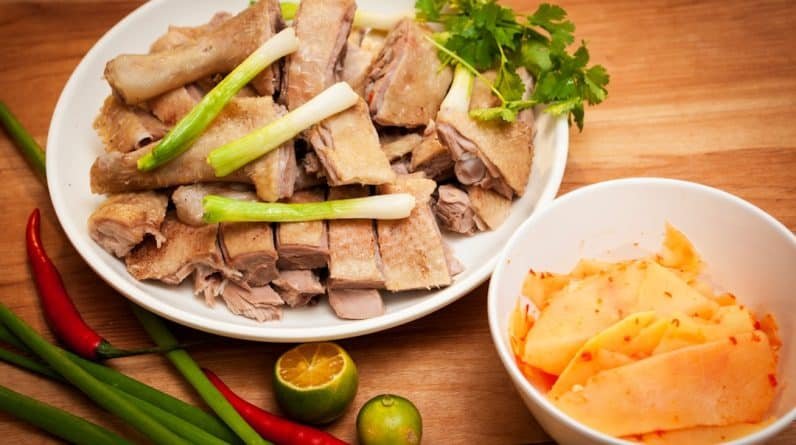
As you embark on your journey with the Clean Keto Diet, it’s essential to grasp its fundamental principles. Unlike traditional ketogenic diets that may allow for processed foods and unhealthy fats, the Clean Keto Diet emphasizes whole, nutrient-dense foods. This approach not only aims to induce ketosis—a metabolic state where your body burns fat for fuel—but also prioritizes your overall health.
You’ll find that the focus is on high-quality fats, lean proteins, and low-carb vegetables, steering clear of artificial additives and refined sugars. In adopting this diet, you’ll likely experience a shift in how you view food. Instead of merely counting carbs and fats, you’ll begin to appreciate the nutritional value of what you consume.
This means choosing avocados, nuts, seeds, and olive oil over processed snacks and unhealthy oils. By doing so, you’re not just aiming for weight loss; you’re also nurturing your body with vitamins, minerals, and antioxidants that support your health in the long run. Understanding these principles will set a solid foundation for your Clean Keto journey.
Key Takeaways
- Clean keto focuses on consuming whole, unprocessed foods and healthy fats while minimizing carb intake
- The link between cholesterol and keto diet is complex, with some studies showing an increase in LDL cholesterol
- Choosing the right fats for clean keto involves prioritizing monounsaturated and polyunsaturated fats over saturated fats
- Incorporating fiber into the diet is crucial for cholesterol management and can be achieved through consuming non-starchy vegetables and low-sugar fruits
- Lean proteins play a key role in clean keto by providing essential nutrients and supporting muscle health
The Link Between Cholesterol and Keto Diet
When considering the Clean Keto Diet, it’s crucial to understand how it interacts with cholesterol levels in your body. Many people have concerns about dietary fat and its impact on cholesterol, often fearing that a high-fat diet will lead to elevated cholesterol levels. However, research suggests that not all fats are created equal.
In fact, the types of fats you consume can significantly influence your cholesterol profile. As you navigate this diet, it’s important to differentiate between healthy fats and unhealthy ones. You may find that while some individuals experience an increase in LDL cholesterol (often referred to as “bad” cholesterol) on a traditional keto diet, those who follow a clean approach often see improvements in their lipid profiles.
This is largely due to the emphasis on healthy fats from sources like avocados, nuts, and fatty fish. These foods not only provide essential fatty acids but also contain compounds that can help improve heart health. Understanding this link will empower you to make informed choices as you pursue a Clean Keto lifestyle.
Choosing the Right Fats for Clean Keto
Selecting the right fats is a cornerstone of the Clean Keto Diet. As you delve into this dietary approach, focus on incorporating monounsaturated and polyunsaturated fats while minimizing saturated and trans fats. Avocado oil, olive oil, and coconut oil are excellent choices that can enhance your meals while providing health benefits.
These oils are rich in antioxidants and can help reduce inflammation in your body. Moreover, don’t overlook the importance of omega-3 fatty acids found in fatty fish like salmon and sardines. These healthy fats not only support brain health but also play a role in managing cholesterol levels.
As you plan your meals, consider adding nuts and seeds to your diet as well; they are packed with nutrients and healthy fats that can keep you satiated while promoting heart health. By making conscious choices about the fats you consume, you’ll be setting yourself up for success on your Clean Keto journey.
Incorporating Fiber for Cholesterol Management
While the Clean Keto Diet is low in carbohydrates, it’s vital to ensure you’re still getting enough fiber in your meals. Fiber plays a crucial role in managing cholesterol levels by helping to lower LDL cholesterol and improve overall heart health. As you navigate this diet, focus on incorporating low-carb, high-fiber foods such as leafy greens, broccoli, chia seeds, and flaxseeds into your meals.
You might be surprised to learn that fiber not only aids in cholesterol management but also supports digestive health and helps regulate blood sugar levels. By including these fiber-rich foods in your diet, you’ll create a balanced approach that complements the high-fat nature of Clean Keto. This balance is essential for maintaining overall health while still achieving your weight loss or wellness goals.
The Role of Lean Proteins in Clean Keto
Incorporating lean proteins into your Clean Keto Diet is another vital aspect of achieving a balanced nutritional intake. While traditional keto diets may allow for higher-fat meats, focusing on lean protein sources can help you maintain muscle mass while promoting heart health. Options such as chicken breast, turkey, and fish are excellent choices that provide essential amino acids without excessive saturated fat.
As you plan your meals, consider diversifying your protein sources to include plant-based options as well. Foods like tempeh, tofu, and legumes can offer protein while also providing additional nutrients and fiber. This variety not only keeps your meals interesting but also ensures that you’re meeting your nutritional needs without compromising your health goals.
By prioritizing lean proteins, you’ll be supporting both your weight management efforts and overall well-being.
The Importance of Phytonutrients in Clean Keto
Phytonutrients are compounds found in plants that offer numerous health benefits, including antioxidant properties and anti-inflammatory effects. As you embrace the Clean Keto Diet, it’s essential to include a variety of colorful vegetables and fruits to maximize your intake of these beneficial compounds. Foods like berries, leafy greens, and cruciferous vegetables are rich in phytonutrients that can support heart health and overall wellness.
Incorporating a diverse range of plant-based foods into your diet not only enhances flavor but also provides essential vitamins and minerals that may be lacking in a high-fat diet. You might find that experimenting with different recipes allows you to discover new favorites while ensuring you’re getting a broad spectrum of nutrients. By prioritizing phytonutrients in your meals, you’ll be taking an important step toward maintaining optimal health on your Clean Keto journey.
Managing Cholesterol Levels with Clean Keto
Managing cholesterol levels while following a Clean Keto Diet requires a proactive approach to food choices and lifestyle habits. As you navigate this dietary path, it’s essential to monitor how different foods affect your cholesterol levels. You may find that certain high-fat foods can lead to an increase in LDL cholesterol for some individuals while having little effect on others.
To effectively manage your cholesterol levels, consider keeping a food diary to track what you eat and how it impacts your body. This practice can help you identify which foods work best for you and which ones may need to be limited or avoided altogether. Additionally, incorporating regular check-ups with your healthcare provider can provide valuable insights into how your dietary choices are influencing your cholesterol levels over time.
Meal Planning for Clean Keto and Cholesterol Control
Effective meal planning is key to successfully following the Clean Keto Diet while managing cholesterol levels. As you create your weekly meal plan, focus on incorporating a variety of whole foods that align with both dietary principles. Start by selecting lean proteins, healthy fats, and plenty of low-carb vegetables to form the foundation of each meal.
Consider batch cooking or preparing meals in advance to make it easier to stick to your plan throughout the week. This strategy not only saves time but also helps prevent impulsive food choices that may not align with your goals. By planning ahead and being intentional about what you eat, you’ll find it easier to maintain both a Clean Keto lifestyle and healthy cholesterol levels.
The Impact of Exercise on Cholesterol and Clean Keto
Exercise plays a significant role in managing cholesterol levels and enhancing the benefits of the Clean Keto Diet. Engaging in regular physical activity can help raise HDL cholesterol (the “good” cholesterol) while lowering LDL cholesterol levels. As you adopt this dietary approach, consider incorporating both aerobic exercises—such as walking or cycling—and strength training into your routine.
You might find that exercise not only supports heart health but also enhances your overall well-being by boosting mood and energy levels. Setting realistic fitness goals can help keep you motivated as you navigate both diet and exercise changes. By making physical activity a priority alongside your Clean Keto journey, you’ll be taking comprehensive steps toward achieving optimal health.
Monitoring Cholesterol Levels on a Clean Keto Diet
Monitoring your cholesterol levels is an essential aspect of following the Clean Keto Diet effectively. Regular check-ups with your healthcare provider can help track changes in your lipid profile as you adjust your eating habits. You may want to consider getting blood tests done periodically to assess how well you’re managing cholesterol levels while adhering to this dietary approach.
In addition to professional monitoring, self-assessment through tracking how certain foods affect your body can provide valuable insights into what works best for you. By staying informed about your cholesterol levels and making adjustments as needed, you’ll be better equipped to maintain a healthy balance while enjoying the benefits of the Clean Keto Diet.
Seeking Professional Guidance for Clean Keto and Cholesterol Control
As you navigate the complexities of the Clean Keto Diet and its impact on cholesterol levels, seeking professional guidance can be invaluable. A registered dietitian or nutritionist can provide personalized advice tailored to your specific needs and health goals. They can help you create a balanced meal plan that aligns with both keto principles and cholesterol management strategies.
Additionally, working with healthcare professionals can ensure that you’re making informed decisions about supplements or medications if necessary. They can also help monitor any changes in your health as you progress on this dietary journey. By seeking professional guidance, you’ll be setting yourself up for success as you strive for optimal health through the Clean Keto Diet while effectively managing cholesterol levels.
FAQs
What is Clean Keto?
Clean Keto is a variation of the traditional ketogenic diet that focuses on consuming whole, nutrient-dense foods while minimizing processed and inflammatory ingredients. It emphasizes high-quality fats, lean proteins, and non-starchy vegetables.
How does Clean Keto help with cholesterol control?
Clean Keto can help with cholesterol control by promoting the consumption of healthy fats, such as avocados, nuts, and olive oil, which have been shown to improve cholesterol levels. Additionally, Clean Keto encourages the avoidance of processed and refined foods that can contribute to high cholesterol.
What are some examples of Clean Keto foods for cholesterol control?
Examples of Clean Keto foods for cholesterol control include fatty fish like salmon and mackerel, avocados, nuts and seeds, olive oil, non-starchy vegetables, and lean proteins such as chicken and turkey.
Is Clean Keto safe for individuals with high cholesterol?
Clean Keto can be safe for individuals with high cholesterol, as it emphasizes the consumption of heart-healthy fats and nutrient-dense foods. However, it is important for individuals with high cholesterol to consult with a healthcare professional before making any significant dietary changes.
Are there any potential drawbacks to Clean Keto for cholesterol control?
One potential drawback of Clean Keto for cholesterol control is the potential for consuming high amounts of saturated fats from sources such as red meat and full-fat dairy, which may not be suitable for everyone. It is important to focus on consuming healthy fats and lean proteins while following Clean Keto for cholesterol control.