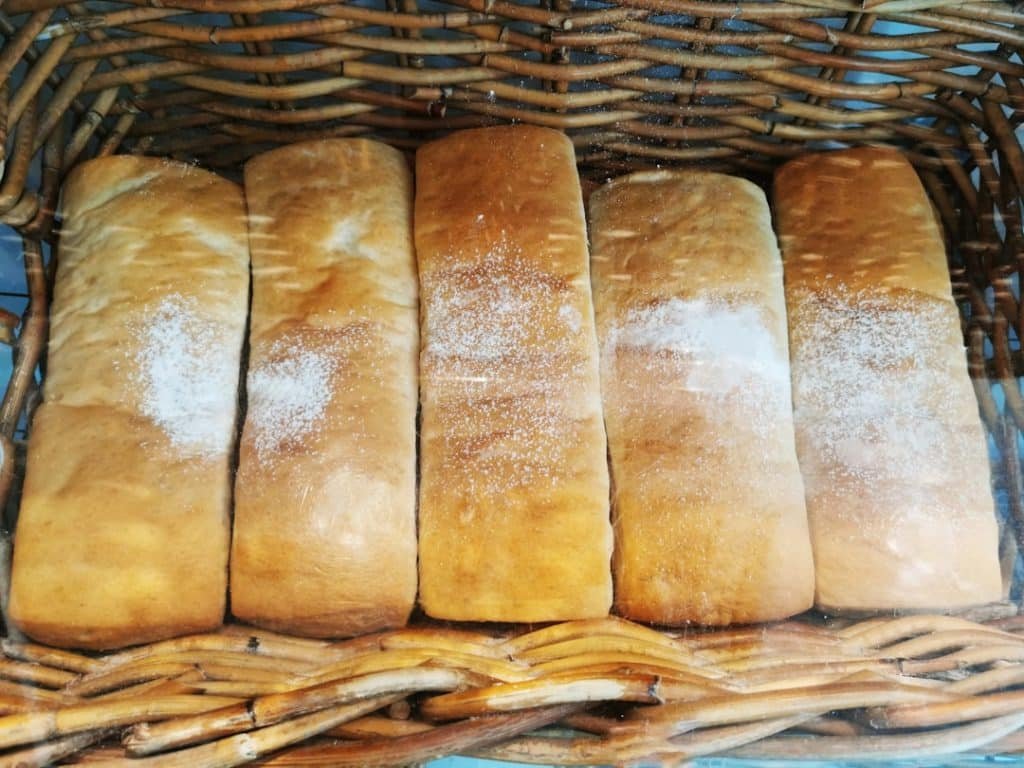
Dairy-free keto bread is a delicious alternative for those following a ketogenic diet while avoiding dairy products. This type of bread is specifically designed to be low in carbohydrates and high in healthy fats, making it suitable for individuals who want to maintain ketosis without the inclusion of dairy ingredients. Traditional bread recipes often rely on flour and dairy, but dairy-free keto bread substitutes these components with nut flours, seeds, and other low-carb ingredients.
This allows you to enjoy the texture and satisfaction of bread without compromising your dietary goals. In essence, dairy-free keto bread provides a versatile base for various meals and snacks while adhering to the principles of a ketogenic lifestyle. Whether you are looking for a way to enjoy sandwiches, toast, or simply a slice of bread with your favorite spread, this option allows you to indulge without the guilt.
The absence of dairy also makes it suitable for those with lactose intolerance or dairy allergies, broadening its appeal to a wider audience.
Key Takeaways
- Dairy-free Keto Bread is a low-carb, gluten-free bread alternative that is suitable for those following a ketogenic diet and are sensitive to dairy products.
- Benefits of Dairy-free Keto Bread include helping to maintain ketosis, reducing carb intake, and providing a bread option for those with dairy allergies or intolerances.
- Ingredients for Dairy-free Keto Bread typically include almond flour, coconut flour, eggs, baking powder, and a dairy-free fat such as coconut oil or avocado oil.
- To make Dairy-free Keto Bread, you will need to mix the dry ingredients, add the wet ingredients, pour the batter into a loaf pan, and bake until golden brown.
- Tips for baking Dairy-free Keto Bread include using room temperature ingredients, greasing the loaf pan, and allowing the bread to cool completely before slicing.
Benefits of Dairy-free Keto Bread
One of the primary benefits of dairy-free keto bread is its ability to support your ketogenic diet effectively. By keeping carbohydrate content low and focusing on healthy fats, this bread helps you maintain ketosis, which is essential for burning fat for energy. This can lead to weight loss and improved energy levels, making it an excellent choice for those looking to shed pounds or enhance their overall health.
Additionally, dairy-free keto bread is often rich in nutrients due to its use of wholesome ingredients like almond flour, coconut flour, and seeds. These ingredients not only provide essential vitamins and minerals but also contribute to a higher fiber content compared to traditional bread. Increased fiber intake can aid digestion and promote a feeling of fullness, which can be beneficial for weight management.
Furthermore, the absence of dairy means that you can enjoy this bread without worrying about potential digestive issues associated with lactose.
Ingredients for Dairy-free Keto Bread
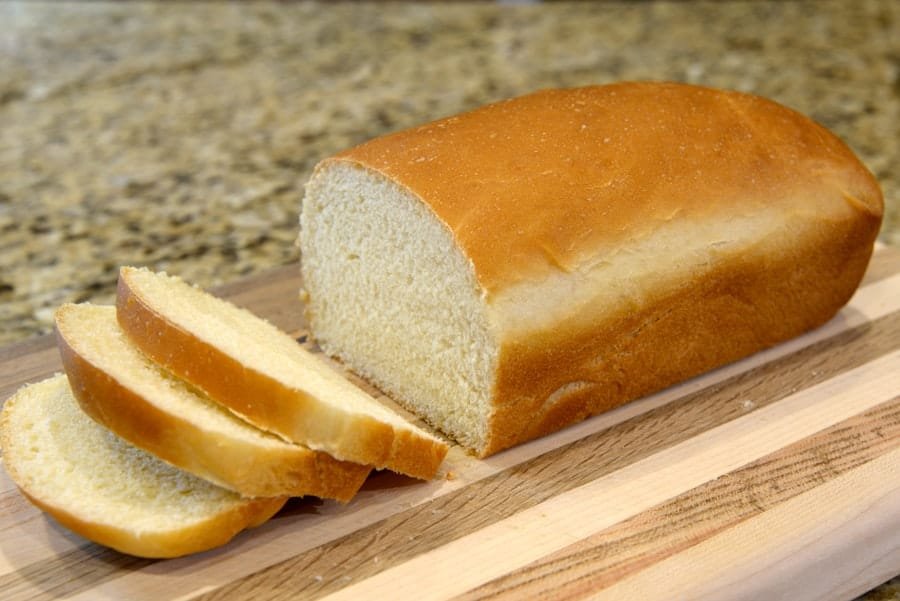
When it comes to making dairy-free keto bread, the ingredients you choose play a crucial role in achieving the desired texture and flavor. Commonly used flours include almond flour and coconut flour, both of which are low in carbohydrates and high in healthy fats. Almond flour provides a nutty flavor and moist texture, while coconut flour adds a subtle sweetness and absorbs moisture well.
You may also consider using flaxseed meal or chia seeds as binding agents, which help create a cohesive structure in the absence of gluten. In addition to the flours, you’ll need eggs as a key ingredient. Eggs not only provide structure but also contribute to the bread’s richness and moisture.
For added flavor, you can incorporate ingredients like garlic powder, onion powder, or herbs such as rosemary or thyme. These additions can elevate the taste profile of your bread, making it more enjoyable to eat. Lastly, don’t forget about baking powder or baking soda, which are essential for helping the bread rise and achieve that light, airy texture.
How to Make Dairy-free Keto Bread
Making dairy-free keto bread is a straightforward process that can be accomplished in just a few simple steps. Start by preheating your oven to the appropriate temperature, usually around 350°F (175°C). In a mixing bowl, combine your chosen flours—such as almond flour and coconut flour—with any dry ingredients like baking powder and salt.
Whisk these together until they are well blended. Next, in a separate bowl, beat the eggs and add any wet ingredients you plan to use, such as olive oil or apple cider vinegar. Once combined, pour the wet mixture into the dry ingredients and stir until you achieve a smooth batter.
If you’re using flaxseed meal or chia seeds as binders, make sure they are well incorporated into the mixture. Pour the batter into a greased loaf pan and smooth the top with a spatula before placing it in the oven. Bake for approximately 30-40 minutes or until the top is golden brown and a toothpick inserted into the center comes out clean.
Tips for Baking Dairy-free Keto Bread
To ensure your dairy-free keto bread turns out perfectly every time, consider some helpful tips during the baking process. First, be mindful of measuring your ingredients accurately. Using too much flour or not enough eggs can significantly affect the texture of your bread.
It’s best to use a kitchen scale for precise measurements if possible. Another important tip is to allow your bread to cool completely before slicing it. This step is crucial because cutting into warm bread can result in a gummy texture.
Once cooled, store any leftovers in an airtight container to maintain freshness. If you find that your bread is too dense or crumbly, you may want to experiment with adding more eggs or adjusting the ratio of flours used in your recipe.
Variations of Dairy-free Keto Bread
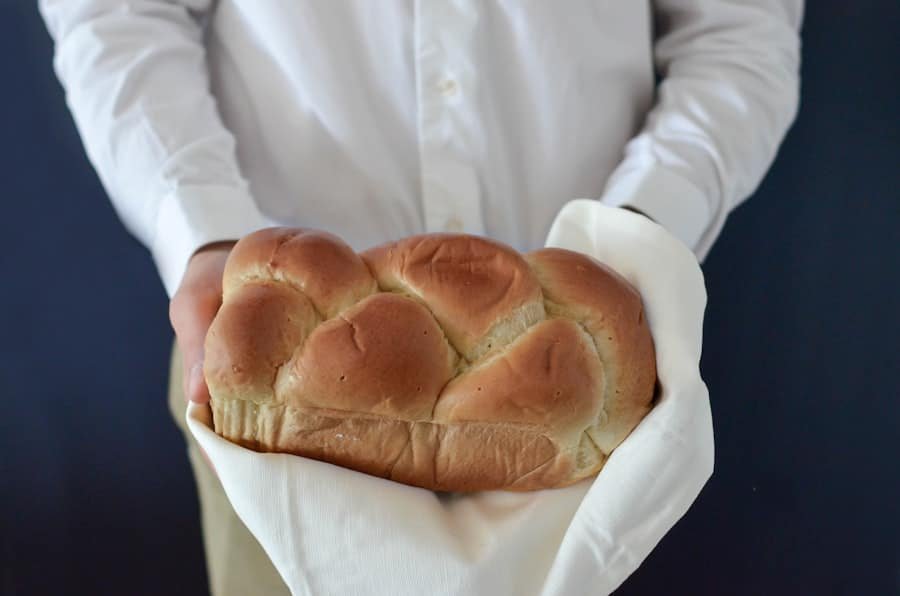
Savory Options
For a savory twist, consider adding herbs like oregano or basil into the batter. You could also incorporate sun-dried tomatoes or olives for an Italian-inspired flavor that pairs beautifully with olive oil.
Sweet Treats
If you prefer something sweeter, you might experiment with adding sugar substitutes like erythritol or stevia along with spices such as cinnamon or nutmeg. You could even fold in some unsweetened cocoa powder for a chocolate-flavored version that satisfies your sweet tooth while remaining keto-friendly.
Endless Possibilities
The possibilities are endless when it comes to creating variations of dairy-free keto bread that cater to your unique tastes. With a little creativity, you can craft a bread that not only meets your dietary requirements but also delights your taste buds.
Serving Suggestions for Dairy-free Keto Bread
Once you’ve baked your dairy-free keto bread, you’ll want to explore various serving suggestions that enhance its flavor and versatility. One popular option is to use it as a base for sandwiches; layer your favorite deli meats, avocado slices, and leafy greens between two slices for a satisfying meal. You can also spread some nut butter on top for a quick breakfast or snack that provides healthy fats and protein.
Another delightful way to enjoy this bread is by making toast. Simply slice your loaf and toast it until golden brown before topping it with smashed avocado and a sprinkle of salt or even some sugar-free jam for a sweet treat. You could also use it as a side for soups or salads, providing that comforting element without derailing your dietary goals.
Storing Dairy-free Keto Bread
Proper storage is essential for maintaining the freshness and quality of your dairy-free keto bread. If you plan to consume it within a few days, store it in an airtight container at room temperature. This will help prevent it from drying out while keeping it easily accessible for snacking or meals.
For longer storage options, consider freezing your bread. Slice it before freezing so that you can easily take out individual pieces as needed. Wrap each slice in plastic wrap or place them in a freezer-safe bag to protect against freezer burn.
When you’re ready to enjoy some bread again, simply thaw it at room temperature or pop it in the toaster for a quick reheating option.
Nutritional Information of Dairy-free Keto Bread
Understanding the nutritional information of dairy-free keto bread can help you make informed choices while following your ketogenic diet. Typically, a slice of dairy-free keto bread made from almond flour contains around 100-150 calories, depending on the specific recipe and portion size. The carbohydrate content is usually low—often around 2-5 grams per slice—making it an excellent choice for those monitoring their carb intake.
Moreover, this type of bread tends to be high in healthy fats due to its nut-based ingredients, providing essential fatty acids that support overall health. Additionally, you’ll find that it’s rich in protein thanks to the inclusion of eggs and nut flours, making it a filling option that can keep you satisfied throughout the day.
Frequently Asked Questions about Dairy-free Keto Bread
As you embark on your journey with dairy-free keto bread, you may have some questions regarding its preparation and consumption. One common inquiry is whether it’s possible to substitute different flours in recipes; while almond flour and coconut flour are popular choices, experimenting with other low-carb flours like sunflower seed flour can yield interesting results. Another frequently asked question revolves around how long dairy-free keto bread lasts once baked.
Generally speaking, when stored properly at room temperature in an airtight container, it should remain fresh for about 3-5 days. If frozen, it can last up to three months without losing its quality.
Enjoying Dairy-free Keto Bread in a Keto Diet
In conclusion, dairy-free keto bread offers an exciting way to enjoy the pleasures of bread while adhering to a ketogenic lifestyle free from dairy products. With its myriad benefits—including low carbohydrate content, high healthy fats, and versatility—this type of bread can easily become a staple in your diet. By using wholesome ingredients and following simple recipes, you can create delicious loaves that cater to your taste preferences.
Whether you’re making sandwiches for lunch or enjoying toast with breakfast, dairy-free keto bread allows you to indulge without compromising your health goals. So go ahead and experiment with different flavors and variations; you’ll find that this delightful alternative not only satisfies your cravings but also supports your journey toward better health on a ketogenic diet.
FAQs
What is dairy-free keto bread?
Dairy-free keto bread is a type of bread that is made without dairy products and is suitable for a ketogenic diet. It is typically low in carbohydrates and high in healthy fats, making it a popular choice for those following a keto lifestyle.
What are the main ingredients in dairy-free keto bread?
The main ingredients in dairy-free keto bread often include almond flour, coconut flour, eggs, and non-dairy milk such as almond milk or coconut milk. Some recipes may also include ingredients like psyllium husk, flaxseed meal, and baking powder.
Is dairy-free keto bread suitable for people with lactose intolerance or dairy allergies?
Yes, dairy-free keto bread is suitable for people with lactose intolerance or dairy allergies since it does not contain any dairy products. It is a great alternative for those who need to avoid dairy in their diet.
Is dairy-free keto bread low in carbohydrates?
Yes, dairy-free keto bread is typically low in carbohydrates, making it a suitable option for those following a ketogenic diet. The use of almond flour and coconut flour instead of traditional wheat flour helps to keep the carbohydrate content low.
Can dairy-free keto bread be made without eggs?
While many dairy-free keto bread recipes do call for eggs as a binding agent, there are also egg-free variations available that use ingredients like flax eggs or chia seeds as substitutes. These alternatives can be used to make dairy-free keto bread suitable for those following an egg-free diet.