Diabetes remission is a term that has gained traction in recent years, particularly as more individuals seek effective ways to manage their condition. When you think of diabetes, you might envision a lifelong struggle with blood sugar levels, medications, and dietary restrictions. However, remission suggests a different narrative—one where you can achieve normal blood sugar levels without the need for medication.
This state is not merely the absence of symptoms; it represents a significant shift in how your body processes glucose and responds to insulin. Understanding this concept is crucial as it opens the door to various lifestyle changes that can lead to improved health outcomes. Achieving diabetes remission is not a one-size-fits-all journey.
It often requires a combination of dietary changes, physical activity, and sometimes medical intervention. The idea is to create an environment in your body that promotes better insulin sensitivity and glucose metabolism. For many, this means adopting a healthier lifestyle that includes regular exercise and a balanced diet.
As you explore the possibilities of remission, it’s essential to recognize that while the journey may be challenging, the potential rewards—such as improved energy levels, weight loss, and reduced risk of complications—are well worth the effort.
Key Takeaways
- Diabetes remission is the term used when a person with diabetes has normal blood sugar levels for at least 1 year without needing to take medication.
- The keto diet is a high-fat, low-carbohydrate eating plan that has been shown to help with weight loss and blood sugar control.
- The science behind the keto diet and diabetes remission lies in the fact that it helps the body enter a state of ketosis, where it burns fat for fuel instead of glucose.
- The benefits of the keto diet for diabetes management include improved blood sugar control, weight loss, and reduced reliance on medication.
- To start the keto diet for diabetes remission, it’s important to gradually reduce carbohydrate intake, increase healthy fats, and monitor blood sugar levels closely.
What is the Keto Diet?
The ketogenic diet, commonly known as the keto diet, has surged in popularity over the past few years, particularly among those looking to lose weight or manage health conditions like diabetes. At its core, the keto diet is a high-fat, low-carbohydrate eating plan designed to shift your body’s metabolism from burning carbohydrates for energy to burning fat. This metabolic state is known as ketosis, where your body becomes highly efficient at converting fat into ketones, which serve as an alternative energy source.
When you embark on the keto diet, you significantly reduce your intake of carbohydrates—typically to about 5-10% of your total daily calories—while increasing your fat intake to around 70-80%. This drastic reduction in carbs forces your body to adapt by utilizing fat for fuel instead of glucose. As you adjust to this new way of eating, you may experience various benefits, including weight loss and improved mental clarity.
However, it’s essential to approach this diet with a clear understanding of its principles and potential impacts on your health.
The Science Behind Keto and Diabetes Remission

The science behind the keto diet and its potential for diabetes remission lies in its ability to influence insulin sensitivity and blood sugar levels. When you consume fewer carbohydrates, your body produces less insulin—a hormone responsible for regulating blood sugar levels. Lower insulin levels can lead to improved insulin sensitivity, which is particularly beneficial for those with type 2 diabetes.
By reducing carbohydrate intake, you may find that your blood sugar levels stabilize, making it easier to manage your condition. Research has shown that individuals following a ketogenic diet often experience significant reductions in HbA1c levels—a key marker for long-term blood sugar control. This improvement can lead to a decrease in the need for diabetes medications or even complete remission in some cases.
Additionally, the keto diet may help reduce inflammation and improve metabolic health, further supporting your journey toward diabetes remission. Understanding these scientific principles can empower you to make informed decisions about your dietary choices and their potential impact on your health.
Benefits of Keto for Diabetes Management
The benefits of adopting a keto diet for diabetes management extend beyond just weight loss and improved blood sugar control. One of the most notable advantages is the potential for increased energy levels. As your body becomes more efficient at burning fat for fuel, you may experience fewer energy crashes associated with high-carb diets.
This sustained energy can enhance your overall quality of life and make it easier to engage in physical activities. Another significant benefit is the potential for reduced cravings and hunger pangs. Many individuals on a keto diet report feeling more satiated after meals due to the high-fat content, which can help you resist the temptation to snack on unhealthy foods.
This aspect is particularly important for those managing diabetes, as maintaining stable blood sugar levels often requires careful attention to portion sizes and food choices. By feeling fuller for longer periods, you may find it easier to stick to your dietary goals and maintain better control over your condition.
How to Start the Keto Diet for Diabetes Remission
Starting the keto diet can feel overwhelming at first, especially if you’re accustomed to a higher carbohydrate intake. However, with careful planning and preparation, you can make the transition smoother. Begin by educating yourself about which foods are keto-friendly and which ones to avoid.
Focus on incorporating healthy fats such as avocados, nuts, seeds, olive oil, and fatty fish into your meals while minimizing grains, sugars, and starchy vegetables. Meal planning is an essential step in successfully adopting the keto diet. Consider preparing meals in advance to ensure you have easy access to keto-friendly options throughout the week.
You might also want to explore various recipes that align with your dietary goals. As you embark on this journey, keep track of your macronutrient intake—specifically your carbohydrate, protein, and fat ratios—to ensure you’re staying within the recommended guidelines for ketosis.
Potential Challenges and Side Effects of Keto for Diabetes
While many people experience positive outcomes on the keto diet, it’s essential to be aware of potential challenges and side effects that may arise during your transition. One common issue is what’s often referred to as “keto flu.” This term describes a collection of symptoms—such as fatigue, headaches, irritability, and nausea—that some individuals experience when they first reduce their carbohydrate intake significantly. These symptoms typically subside within a few days as your body adjusts to its new fuel source.
Another challenge you may encounter is social situations involving food. Dining out or attending gatherings can be tricky when you’re following a strict keto regimen. You might find it difficult to find suitable options on menus or feel pressured to indulge in high-carb foods when surrounded by others.
Being prepared with strategies for navigating these situations can help you stay committed to your dietary goals while still enjoying social interactions.
Tips for Success on the Keto Diet
To maximize your chances of success on the keto diet, consider implementing several practical tips that can help you stay on track. First and foremost, focus on whole foods rather than processed options. Whole foods are typically more nutrient-dense and can provide essential vitamins and minerals that support overall health while adhering to keto guidelines.
Incorporating plenty of non-starchy vegetables into your meals can also help ensure you’re getting adequate fiber. Another helpful tip is to stay hydrated and maintain electrolyte balance. As your body transitions into ketosis, it may excrete more water and electrolytes than usual, leading to dehydration or imbalances.
Drinking plenty of water and considering electrolyte supplements can help mitigate these issues. Additionally, surrounding yourself with a supportive community—whether through online forums or local groups—can provide motivation and encouragement as you navigate your keto journey.
Monitoring and Managing Diabetes on the Keto Diet
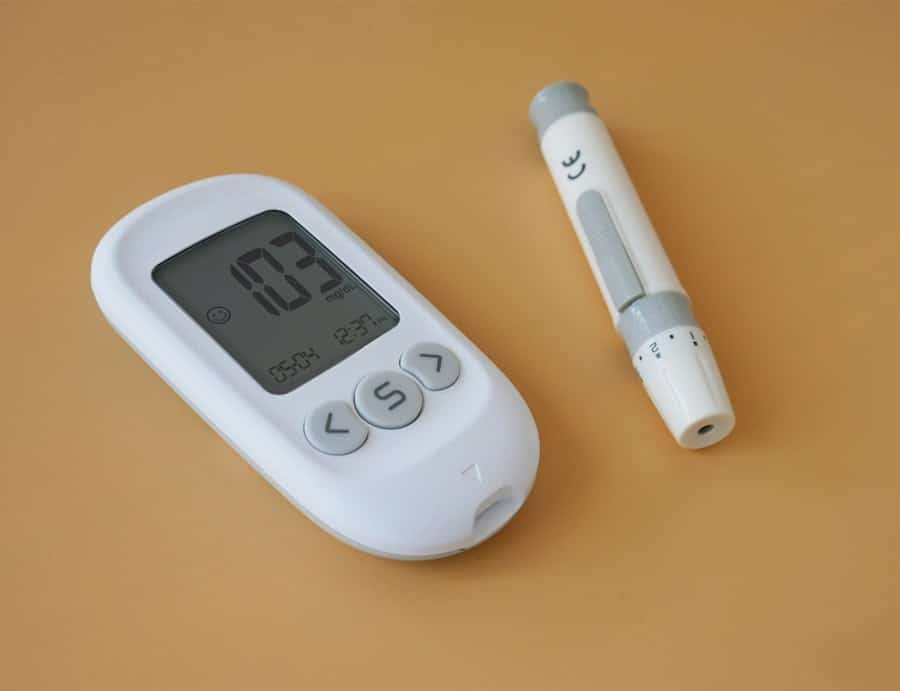
Monitoring your blood sugar levels becomes even more critical when following a keto diet for diabetes management. Regularly checking your glucose levels will help you understand how different foods affect your body and allow you to make necessary adjustments to your meal plan. You may find that certain foods or combinations impact your blood sugar more than others; keeping a food diary can be an effective way to track these patterns.
In addition to monitoring blood sugar levels, it’s essential to stay vigilant about other aspects of your health while on the keto diet. Regular check-ups with your healthcare provider can help ensure that you’re meeting your nutritional needs and managing any potential side effects effectively. Open communication with your healthcare team will empower you to make informed decisions about your diabetes management strategy.
Incorporating Exercise into Keto for Diabetes Remission
Exercise plays a vital role in managing diabetes and can complement the benefits of a ketogenic diet significantly. Engaging in regular physical activity helps improve insulin sensitivity and supports weight loss efforts—two critical factors in achieving diabetes remission. Whether you prefer walking, cycling, swimming, or strength training, finding an activity you enjoy will make it easier to incorporate exercise into your daily routine.
As you begin exercising while following a keto diet, pay attention to how your body responds during workouts. Some individuals may experience changes in energy levels or performance as they adapt to ketosis. It’s essential to listen to your body and adjust your exercise routine accordingly.
You might find that incorporating shorter bursts of high-intensity workouts works well for you or that longer sessions at a moderate pace are more manageable.
Success Stories of Diabetes Remission with Keto
The success stories of individuals who have achieved diabetes remission through the keto diet are both inspiring and motivating. Many people report significant improvements in their blood sugar control after adopting this lifestyle change, often leading them to reduce or eliminate their reliance on medications altogether. These personal accounts highlight not only the physical transformations but also the emotional benefits that come with regaining control over one’s health.
Hearing about others’ journeys can provide valuable insights into practical strategies that worked for them—whether it was meal prepping techniques or specific recipes they found helpful. These stories serve as reminders that while the path may be challenging at times, achieving diabetes remission through dietary changes is possible with dedication and perseverance.
Consultation with Healthcare Professionals for Diabetes Remission with Keto
Before embarking on any significant dietary change—especially one as impactful as the keto diet—it’s crucial to consult with healthcare professionals who understand both diabetes management and nutrition. Your doctor or a registered dietitian can provide personalized guidance based on your unique health needs and goals. They can help you navigate potential challenges associated with transitioning to a ketogenic lifestyle while ensuring that you’re meeting all necessary nutritional requirements.
Regular check-ins with healthcare professionals will also allow you to monitor your progress effectively and make adjustments as needed. They can assist in tracking key health markers such as blood sugar levels, cholesterol levels, and overall metabolic health throughout your journey toward diabetes remission with keto. By working collaboratively with healthcare experts, you’ll be better equipped to achieve lasting results while prioritizing your well-being.
FAQs
What is diabetes remission with keto?
Diabetes remission with keto refers to the use of a ketogenic diet to effectively manage and potentially reverse type 2 diabetes. This involves following a high-fat, low-carbohydrate diet to induce a state of ketosis in the body, which can improve insulin sensitivity and blood sugar control.
How does a ketogenic diet help with diabetes remission?
A ketogenic diet can help with diabetes remission by reducing the body’s reliance on glucose for energy and shifting towards using ketones instead. This can lead to improved insulin sensitivity, lower blood sugar levels, and potential weight loss, all of which are beneficial for managing and potentially reversing type 2 diabetes.
Is diabetes remission with keto suitable for everyone with diabetes?
Diabetes remission with keto may not be suitable for everyone with diabetes, especially those who are on certain medications or have specific medical conditions. It is important to consult with a healthcare professional before making any significant dietary changes, especially for individuals with diabetes.
What are the potential benefits of diabetes remission with keto?
The potential benefits of diabetes remission with keto include improved blood sugar control, reduced insulin resistance, weight loss, and potential reversal of type 2 diabetes. Some individuals may also experience increased energy levels and improved overall health.
Are there any risks or drawbacks to diabetes remission with keto?
Some potential risks or drawbacks of diabetes remission with keto include the possibility of nutrient deficiencies, the need for careful monitoring of ketone levels, and the potential for adverse effects such as “keto flu” during the initial adaptation phase. It is important to work with a healthcare professional to mitigate these risks and ensure a balanced approach to the ketogenic diet.