
The ketogenic diet, often referred to simply as “keto,” is a high-fat, low-carbohydrate eating plan that has gained immense popularity in recent years. At its core, the diet aims to shift your body’s metabolism from relying on carbohydrates for energy to utilizing fats instead. This metabolic state is known as ketosis, where your body becomes efficient at burning fat for fuel.
By drastically reducing your carbohydrate intake and replacing it with fats, you encourage your body to enter this state, which can lead to significant weight loss and other health benefits. As you embark on this dietary journey, it’s essential to understand the macronutrient breakdown that characterizes the ketogenic diet. Typically, a standard keto diet consists of approximately 70-75% fats, 20-25% protein, and only about 5-10% carbohydrates.
This stark contrast to traditional dietary guidelines can be quite shocking at first, but it’s this unique composition that helps you achieve and maintain ketosis. You may find that your meals are rich in avocados, nuts, seeds, oils, and fatty cuts of meat while being low in bread, pasta, and sugary foods. This shift not only alters your energy source but also influences how your body processes food and stores fat.
Key Takeaways
- The ketogenic diet is a high-fat, low-carbohydrate diet that aims to put the body in a state of ketosis, where it burns fat for fuel instead of carbohydrates.
- Calories play a crucial role in weight management, as consuming more calories than the body needs leads to weight gain, while consuming fewer calories leads to weight loss.
- The ketogenic diet can naturally lead to reduced caloric intake due to the satiating effects of fat and protein, which can help with weight management.
- Tracking macros (macronutrients like fat, protein, and carbohydrates) can be more effective than simply counting calories on a ketogenic diet, as it ensures the right balance of nutrients for ketosis.
- Not counting calories on a ketogenic diet can lead to overeating and hinder weight loss efforts, so it’s important to be mindful of portion sizes and overall caloric intake.
The Role of Calories in Weight Management
When it comes to weight management, understanding the role of calories is crucial. Simply put, a calorie is a unit of energy that your body uses to perform various functions, from basic metabolic processes to physical activities. To lose weight, you need to create a caloric deficit, meaning you consume fewer calories than your body expends.
Conversely, if you consume more calories than you burn, you will gain weight. This fundamental principle of energy balance is applicable regardless of the type of diet you follow. However, while the concept of calories is straightforward, the quality of those calories can significantly impact your overall health and weight loss journey.
Not all calories are created equal; for instance, 100 calories from a sugary snack will affect your body differently than 100 calories from a nutrient-dense meal. The latter not only provides essential vitamins and minerals but also keeps you satiated for longer periods. Therefore, while counting calories can be an effective strategy for weight management, focusing on the nutritional value of the foods you consume is equally important.
How the Ketogenic Diet Affects Caloric Intake
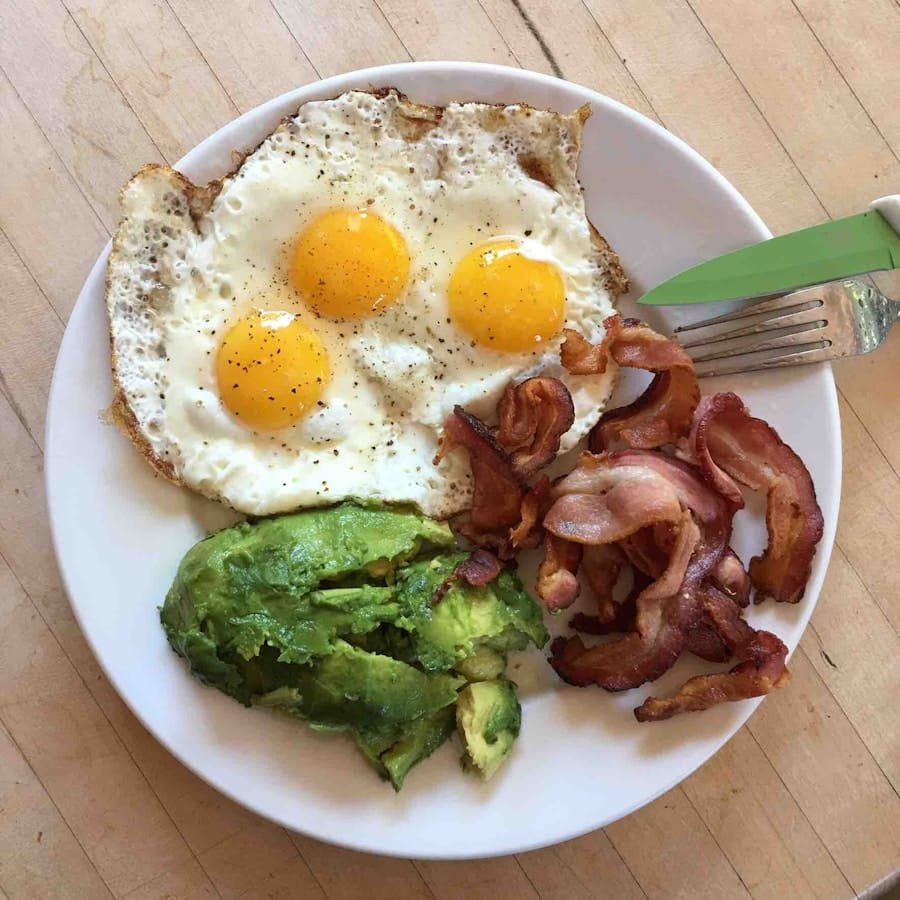
The ketogenic diet can have a profound effect on your caloric intake due to its unique macronutrient composition. As you transition into ketosis, many people report a natural reduction in appetite. This phenomenon can be attributed to several factors, including increased ketone production and changes in hunger hormones.
When your body is in ketosis, it becomes more efficient at burning fat for energy, which can lead to a decrease in cravings and an overall reduction in food intake. Moreover, the high-fat content of the ketogenic diet tends to be more satiating than a carbohydrate-rich diet. Fats take longer to digest and can help you feel fuller for extended periods.
As a result, you may find yourself eating fewer meals throughout the day or consuming smaller portions without feeling deprived. This shift can make it easier to maintain a caloric deficit if weight loss is your goal. However, it’s essential to remain mindful of portion sizes and food choices to ensure that you’re not inadvertently consuming more calories than intended.
When following a ketogenic diet, you may wonder whether it’s more beneficial to track macronutrients (macros) or simply count calories. Tracking macros involves monitoring the specific amounts of fats, proteins, and carbohydrates you consume each day. This approach allows you to ensure that you’re staying within the recommended macronutrient ratios for ketosis while also being aware of your overall caloric intake.
On the other hand, counting calories focuses solely on the total number of calories consumed without necessarily considering their macronutrient breakdown. While this method can be effective for some individuals, it may not provide the same level of insight into how your body responds to different types of foods. For those on a ketogenic diet, tracking macros can be particularly beneficial because it helps you maintain the delicate balance required for ketosis while also promoting nutrient-dense food choices.
Ultimately, the best approach may vary from person to person; some may find success with one method over the other or even a combination of both.
Potential Pitfalls of Not Counting Calories on a Ketogenic Diet
While the ketogenic diet can lead to weight loss without strict calorie counting for many individuals, there are potential pitfalls associated with neglecting caloric awareness altogether. One significant risk is the possibility of overeating high-calorie foods that are still considered “keto-friendly.” Foods like nuts, cheese, and oils are calorie-dense and can quickly lead to excessive caloric intake if not monitored carefully. Without an understanding of how many calories you’re consuming, you may inadvertently sabotage your weight loss efforts.
Additionally, not counting calories can lead to an imbalanced diet where you might prioritize fats over other essential nutrients. While fats are crucial on a ketogenic diet, it’s important to ensure that you’re also getting adequate protein and micronutrients from vegetables and other sources. Failing to do so could result in nutrient deficiencies over time or hinder your overall health goals.
Therefore, even if you choose not to count every calorie meticulously, maintaining some level of awareness about your caloric intake can help you stay on track.
Tips for Managing Caloric Intake on a Ketogenic Diet
Managing caloric intake on a ketogenic diet doesn’t have to be overwhelming; there are several practical strategies you can implement to help keep your consumption in check. First and foremost, meal planning can be an invaluable tool. By preparing your meals in advance and portioning them out according to your caloric needs, you can avoid impulsive eating and ensure that you’re sticking to your dietary goals.
Consider using apps or journals to track what you eat and how it aligns with your macro targets. Another effective strategy is to focus on whole foods that are naturally low in carbohydrates but high in nutrients. Incorporating plenty of non-starchy vegetables into your meals not only adds volume but also provides essential vitamins and minerals without significantly increasing caloric intake.
Additionally, staying hydrated is crucial; sometimes thirst can be mistaken for hunger. Drinking water throughout the day can help curb unnecessary snacking and keep your appetite in check.
The Importance of Nutrient-Dense Foods on a Ketogenic Diet

On a ketogenic diet, prioritizing nutrient-dense foods is vital for overall health and well-being. While it may be tempting to indulge in high-fat processed foods that fit within keto guidelines, these options often lack essential nutrients that your body needs to function optimally. Instead, focus on whole foods such as avocados, leafy greens, fatty fish, eggs, and high-quality meats that provide not only healthy fats but also vitamins and minerals.
Incorporating a variety of nutrient-dense foods into your meals can also help prevent deficiencies that may arise from restrictive eating patterns. For example, leafy greens are rich in fiber and antioxidants while providing minimal carbohydrates. Similarly, fatty fish like salmon offers omega-3 fatty acids that are beneficial for heart health.
By ensuring that your diet is rich in these types of foods, you’ll not only support your weight loss goals but also promote long-term health benefits.
Consulting a Professional for Personalized Advice
As with any dietary change, consulting a healthcare professional or registered dietitian before embarking on a ketogenic diet is highly recommended. A professional can provide personalized advice tailored to your specific health needs and goals. They can help you navigate potential challenges associated with the diet and ensure that you’re meeting all your nutritional requirements while pursuing ketosis.
Additionally, working with a professional can offer accountability and support throughout your journey. They can assist in creating meal plans that align with your caloric and macronutrient goals while also considering any underlying health conditions or dietary restrictions you may have. Ultimately, having expert guidance can enhance your experience on the ketogenic diet and help you achieve sustainable results while prioritizing your overall health and well-being.
FAQs
What is a ketogenic diet?
A ketogenic diet is a high-fat, low-carbohydrate diet that has been shown to help with weight loss and improve certain health conditions. It involves drastically reducing carbohydrate intake and replacing it with fat, which puts the body into a metabolic state called ketosis.
Do I need to count calories on a ketogenic diet?
While some people find success on a ketogenic diet without counting calories, others may benefit from tracking their calorie intake to ensure they are in a calorie deficit for weight loss. It ultimately depends on individual goals and preferences.
How does a ketogenic diet work for weight loss?
A ketogenic diet works for weight loss by forcing the body to burn fat for fuel instead of carbohydrates. This can lead to a reduction in body fat and weight loss. Additionally, the high-fat and protein content of the diet can help increase feelings of fullness and reduce overall calorie intake.
What are the benefits of a ketogenic diet?
Some potential benefits of a ketogenic diet include weight loss, improved blood sugar control, increased energy levels, and reduced inflammation. It may also have potential benefits for certain neurological conditions and cognitive function.
Are there any potential risks or drawbacks to a ketogenic diet?
Some potential risks or drawbacks of a ketogenic diet include nutrient deficiencies if not properly planned, the “keto flu” during the initial transition period, and potential increases in cholesterol levels. It’s important to consult with a healthcare professional before starting a ketogenic diet, especially for those with underlying health conditions.