
Have you ever considered trying the Keto diet but felt overwhelmed by all the information out there? If so, you’re not alone. The Keto diet has gained immense popularity, and while it can be a game-changer for those looking to improve their health, starting out can seem a bit daunting.
What is the Keto Diet?
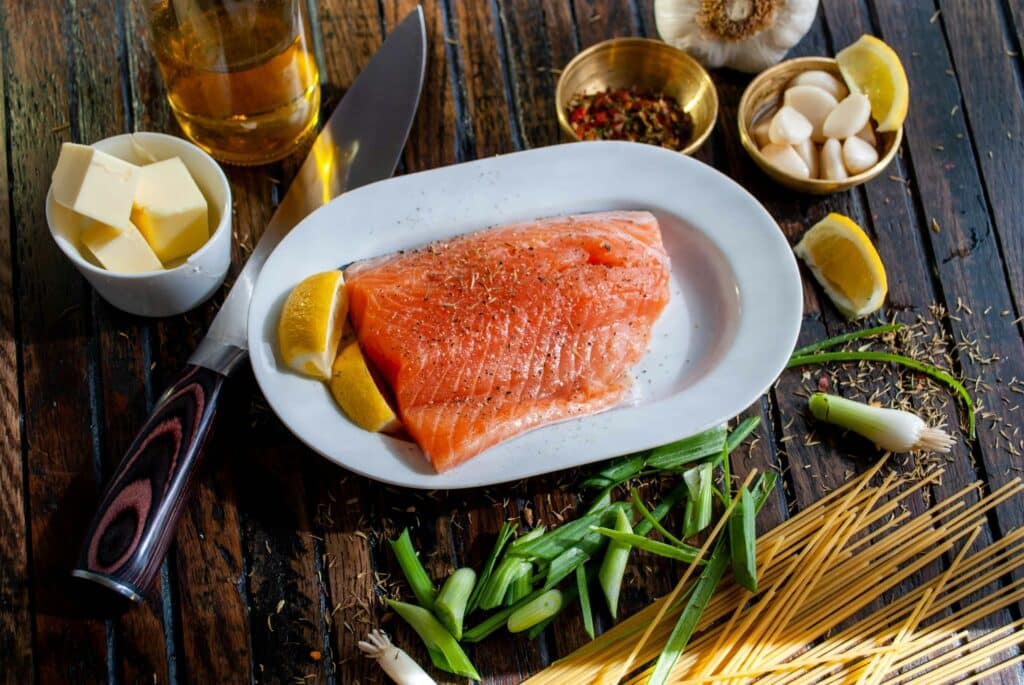
The Keto diet, short for ketogenic diet, emphasizes a significant reduction in carbohydrate intake, replacing it with fats. This dietary shift aims to put your body into a metabolic state called ketosis, where it becomes efficient at burning fat for energy instead of carbohydrates.
The Science Behind Ketosis
When your carbohydrate intake is drastically reduced, your body enters ketosis. In this state, your liver starts breaking down fats into ketones, which serve as an alternative energy source for your cells. This metabolic shift can help with weight loss, increased energy, and even mental clarity.
Key Components of the Keto Diet
Understanding the key components of the Keto diet can set you up for success. Primarily, the diet consists of high fat, moderate protein, and very low carbohydrates. Here’s how to think about your macronutrient ratios:
| Macronutrient | Recommended Percentage |
|---|---|
| Fat | 70-75% |
| Protein | 20-25% |
| Carbohydrates | 5-10% |
This table gives you a clear picture of how to structure your meals while adhering to the Keto diet.
Getting Started with the Keto Diet
If you’re ready to take the plunge into the Keto world, there are a few initial steps to consider.
Educate Yourself
Before you embark on this new journey, it’s crucial to educate yourself about Keto. Read articles, watch videos, and follow credible sources like Dr. Berg to understand the basic principles and benefits. Knowledge will empower you to make informed choices.
Plan Your Meals
Meal planning is vital for the Keto diet’s success. Create a menu that aligns with your macronutrient needs, emphasizing high-fat foods. This may include avocados, nuts, seeds, and healthy oils. Additionally, lean protein sources like chicken, fish, and eggs are great options, along with low-carb vegetables like spinach and broccoli.
Stock Your Pantry
Having the right ingredients on hand simplifies your journey. Here’s a list of staples to keep in your pantry and fridge:
| Category | Examples |
|---|---|
| Fats | Avocado oil, olive oil, butter |
| Proteins | Eggs, poultry, fatty fish |
| Vegetables | Leafy greens, cauliflower |
| Snacks | Nuts, cheese, hard-boiled eggs |
With these essentials ready, you’ll find it easier to whip up delicious Keto-friendly meals.
Common Mistakes to Avoid
As a beginner, it’s easy to make minor missteps that can hinder your progress. Here are some common mistakes to be aware of:
Skipping Vegetables
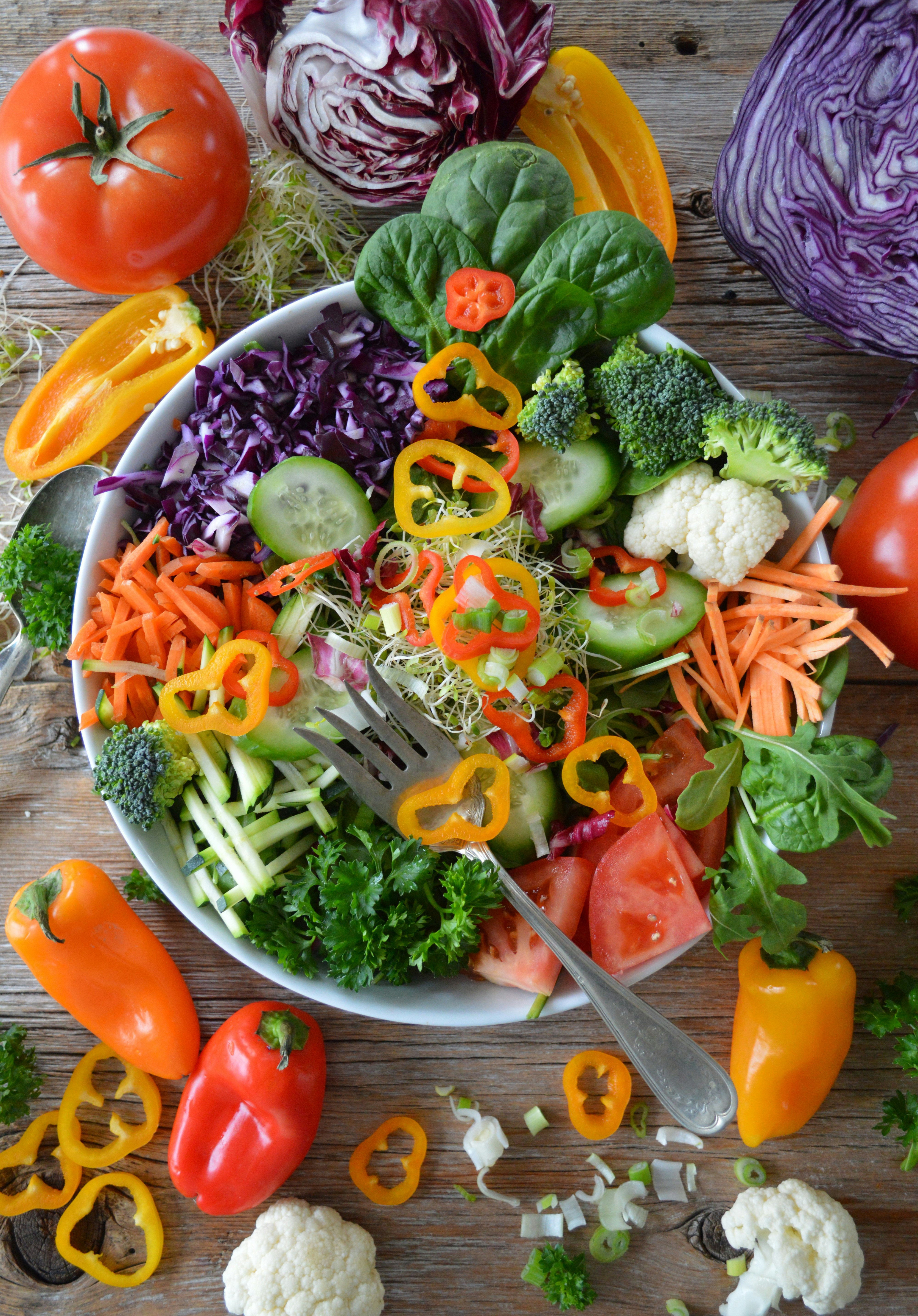
Many newcomers to the Keto diet often overlook the importance of vegetables, believing they’re too high in carbohydrates. However, low-carb veggies are essential for providing nutrients and fiber. Make sure to include options like zucchini, leafy greens, and bell peppers in your diet.
Ignoring Hidden Carbs
Carbohydrates can sneak into your diet in various unexpected places. Items like sauces, dressings, and snack foods may contain added sugar or starches. Always read labels and avoid products with a long list of ingredients or high sugar content.
Relying Too Heavily on Processed Foods
While there are plenty of Keto-friendly processed snacks available, it’s best to limit them in favor of whole, unprocessed foods. Whole foods tend to be more nutrient-dense and can help you feel more satisfied, leading to better adherence to the diet.
Health Benefits of the Keto Diet
The Keto diet offers a variety of potential health benefits.
Weight Loss
One of the most significant benefits is weight loss. By eliminating carbohydrates, your body learns to utilize fat for energy, which can lead to a significant reduction in body fat over time. Many people who start the Keto diet report rapid initial weight loss due to water weight reduction.
Enhanced Mental Clarity
Another compelling benefit that many people experience is increased mental clarity. Ketones, which are produced during ketosis, can provide a stable energy source for the brain, leading to improved focus and concentration.
Better Blood Sugar Control
For those struggling with insulin sensitivity or diabetes, the Keto diet can be beneficial. Lowering carbohydrate intake helps regulate blood sugar levels, potentially leading to decreased reliance on medications for some individuals.
Increased Energy Levels
Many people transitioning to a Keto diet report heightened energy levels. Once your body becomes accustomed to burning fat for energy, you may find that you experience fewer crashes and more steady energy throughout the day.
Transitioning into the Keto Diet
Making a sudden change to your eating habits can be challenging, but there are ways to ease into the Keto diet effectively.
Begin Gradually
Instead of cutting out all carbs immediately, consider gradually reducing your carbohydrate intake over several days. This approach can make the transition easier and more sustainable.
Stay Hydrated
Drinking plenty of water is crucial during your transition into ketosis. Increased urination can occur as your body sheds excess water weight, so maintaining hydration is essential. Plus, proper hydration can help alleviate some of the common symptoms of ketosis, often referred to as the “Keto flu.”
Electrolyte Balance
Along with staying hydrated, keep an eye on your electrolyte balance. Low-carb diets can affect levels of sodium, potassium, and magnesium in your body. Consider adding a pinch of salt to your meals, eating potassium-rich foods like avocados and leafy greens, and perhaps supplementing with magnesium if needed.
Managing “Keto Flu”
As you make your transition, you may experience what’s known as “Keto flu.” This is a term used to describe a group of symptoms some individuals face when their bodies are adapting to ketosis.
Symptoms of Keto Flu
Common symptoms include:
- Fatigue
- Headaches
- Nausea
- Irritability
- Difficulty sleeping
Tips to Alleviate Symptoms
To make the transition smoother, consider the following tips:
- Make sure you’re well-hydrated.
- Increase electrolyte intake through broth or supplements.
- Get plenty of rest to give your body time to adjust.

Meal Ideas for Beginners
If you’re looking for some inspiration, here are a few simple meal ideas that fit within the Keto framework.
Breakfast Options
- Egg Muffins: Whisk eggs with spinach, cheese, and bacon, then bake in muffin tins for an on-the-go breakfast.
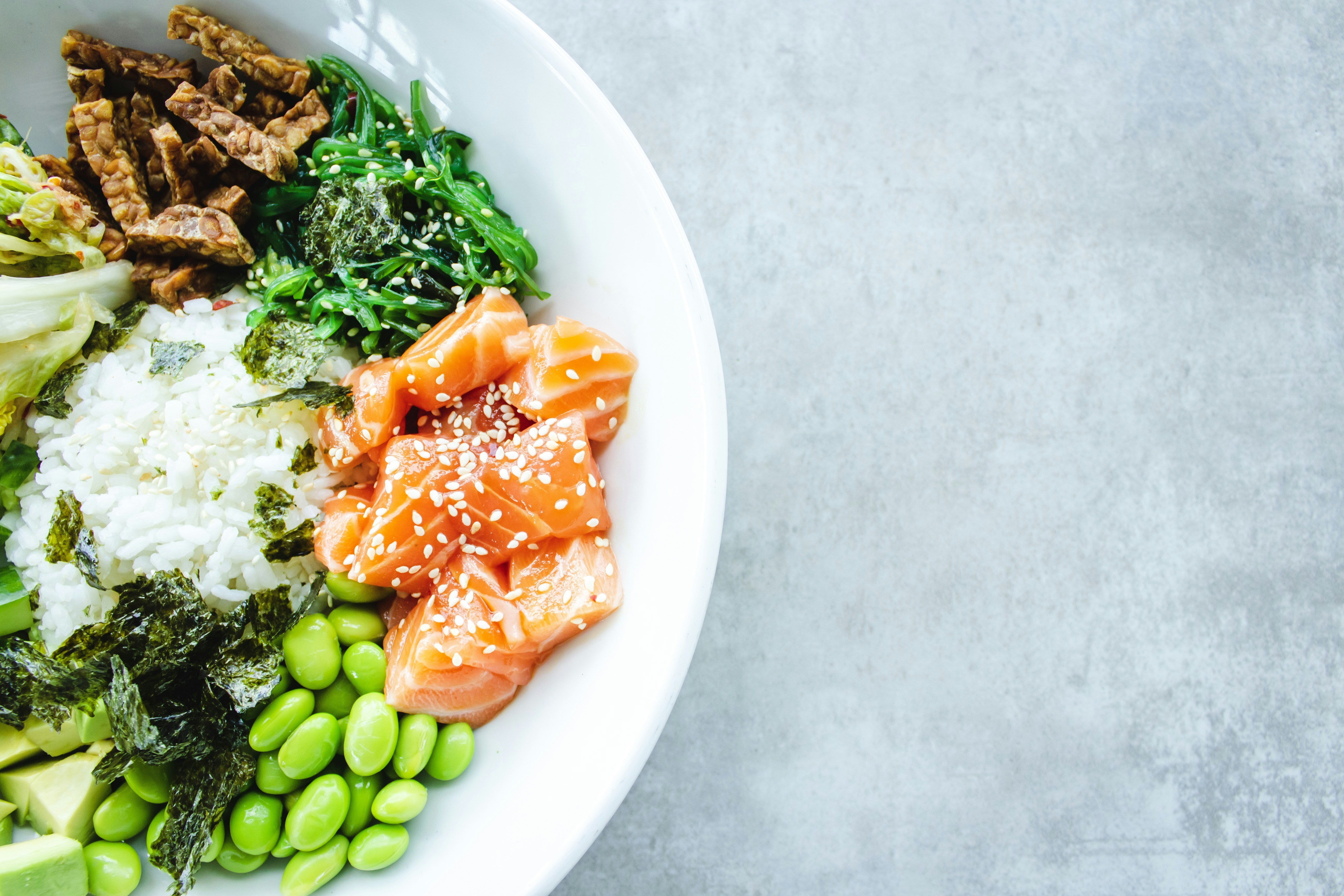
- Avocado and Smoked Salmon: Top half an avocado with smoked salmon and a sprinkle of sesame seeds.
Lunch Ideas
- Keto Salad: Use greens as a base and top with grilled chicken, avocado, nuts, and a high-fat dressing like ranch or olive oil.
- Cauliflower Fried Rice: Pulse cauliflower into rice-sized pieces, then stir-fry with vegetables, eggs, and your choice of protein.
Dinner Suggestions
- Zucchini Noodles with Pesto: Use a spiralizer to create noodles and toss them with homemade or store-bought Keto-friendly pesto.
- Stuffed Bell Peppers: Fill bell peppers with ground meat, cheese, and spices, and then bake until the peppers are tender.
Snack Ideas
- Cheese and Salami Slices: Pair slices of cheese with salami or other cured meats for a satisfying snack.
- Nuts and Seeds: Keep a mix of almonds, walnuts, and sunflower seeds handy to munch on throughout the day.
Portion Control and Intuitive Eating
While sticking to your macronutrient ratios is important on the Keto diet, you also want to be mindful of portion sizes.
Understanding Portion Sizes
Getting a good grasp of portion sizes can aid in effective weight management. For example, a standard serving size of meat is about the size of your palm, while nuts should be limited to a small handful.
Listening to Your Body
Also, it’s crucial to practice intuitive eating. Your body will communicate its hunger and fullness signals, so become mindful of how you feel when eating. This awareness can help you maintain a healthy relationship with food while on the Keto diet.

Finding Support and Community
Starting a new diet can sometimes feel isolating. Finding a support system can provide motivation and encouragement along the way.
Online Communities
There are numerous online forums and social media groups dedicated to Keto. Joining these communities can offer valuable insights, recipe swaps, and camaraderie as you embark on your journey.
Keto Coaches
If you’re looking for personalized guidance, consider hiring a Keto coach or nutritionist. They can help you navigate your diet, answer questions, and provide tailored advice for your specific needs.
Friends and Family
Don’t shy away from involving your friends and family in your journey. Sharing your experiences and finding a workout buddy or meal prep partner can also help you stay accountable.
Tracking Your Progress
Measuring and tracking your progress can enhance your motivation during your Keto journey.
Tools for Tracking
Several apps are available that can help you log your food intake and monitor your macronutrient ratios. Some popular ones include:
- MyFitnessPal: A comprehensive tool for tracking calories and macronutrients.
- Carb Manager: Specifically designed for low-carb diets, simplifying the tracking of your carbs.
- Cronometer: Great for tracking micronutrients along with macronutrients.
Setting Goals
Consider establishing realistic and achievable goals. Whether it’s aiming for a specific weight, fitting into a certain size, or just feeling more energetic, having clear goals can help guide your journey.
Questions and Concerns
As you start your Keto diet, you might have lingering questions or concerns.
Is Keto Safe for Everyone?
While many people find success with the Keto diet, it may not be suitable for everyone. Always consult with a healthcare professional before making significant dietary changes, particularly if you have underlying health issues or concerns.
Can You Work Out on Keto?
You certainly can exercise while on the Keto diet! In fact, many find that their stamina increases once their bodies fully adapt to burning fat for fuel. Just ensure you’re consuming enough calories and keeping your protein intake moderate.
How Long Should You Stay On the Keto Diet?
The duration depends on your goals. Some people use Keto as a short-term weight loss solution, while others adopt it as a lifestyle change. Listen to your body and adjust accordingly.
The Bottom Line on the Keto Diet
Embarking on the Keto diet can be a fantastic way to improve your health and shed unwanted pounds. With a firm grasp of the fundamentals, meal planning, and a supportive community, you’ll be well on your way to enjoying the plethora of benefits this diet has to offer.
Be patient with yourself, as change takes time. Remember that it’s not just about what you eat; it’s about how you feel and how you nourish your body. By understanding the principles behind the Keto diet and having strategies in place, you’ll set yourself up for a successful and rewarding experience. You’re taking a proactive step toward better health, and that’s something to celebrate!





