Have you ever wondered how a ketogenic diet could transform your health and wellness journey? If you’ve been curious about this low-carb, high-fat eating plan, you’ve come to the right place. Dr. Berg’s guide to the ketogenic diet for beginners offers simple steps and insightful tips to help you navigate this popular lifestyle change.
What is the Ketogenic Diet?
At its core, the ketogenic diet focuses on shifting your body’s metabolism from burning carbohydrates to burning fat as its primary source of energy. By significantly reducing your carb intake and increasing your fat consumption, you enter a state known as ketosis. This metabolic process helps you burn fat effectively, which can lead to weight loss and various health benefits.
The Science Behind Ketosis
Understanding ketosis is essential, as it serves as the foundation of the ketogenic diet. When your carbohydrate intake is low, your body doesn’t have enough glucose (sugar) for energy. In response, it starts breaking down fat for fuel, creating molecules called ketones from the liver. These ketones serve as an alternative energy source for your brain and body.
Benefits of the Ketogenic Diet
The ketogenic diet offers numerous benefits beyond weight loss. Here are a few you might find particularly appealing:
- Weight Loss: Many people find they can shed pounds quickly on a ketogenic diet due to reduced hunger levels and increased fat oxidation.
- Improved Mental Clarity: Ketosis provides your brain with a steady supply of energy, which may enhance focus and concentration.
- Better Blood Sugar Control: By reducing carbohydrates, the diet may help stabilize blood sugar levels, benefiting those with insulin sensitivity or type 2 diabetes.
- Increased Energy Levels: Many individuals report having consistent energy throughout the day when following a keto lifestyle – no more mid-afternoon crashes!
- Potential Health Benefits: Research suggests the ketogenic diet may also aid conditions such as epilepsy, neurological diseases, and even certain types of cancer.
Understanding Macros in the Ketogenic Diet
To successfully follow a ketogenic diet, you’ll want to understand the concept of macronutrients, or macros for short. These are the three main components of our diet: carbohydrates, proteins, and fats.
Ideal Macro Ratios for Ketosis
The typical macronutrient breakdown for a ketogenic diet is as follows:
| Macronutrient | Recommended Percentage |
|---|---|
| Fats | 70-75% |
| Proteins | 20-25% |
| Carbohydrates | 5-10% |
How to Calculate Your Individual Macros
Just as everyone is unique, so are your dietary needs. To find your ideal macronutrient ratios, you may want to consider factors such as your weight, age, activity level, and health goals. Here are some simplified steps to determine your macros:
- Calculate your daily caloric needs:
- You can use online calculators to estimate your Total Daily Energy Expenditure (TDEE).
- Decide on a calorie deficit:
- For weight loss, subtract 500-1000 calories from your TDEE.
- Apply the macro percentages:
- Multiply your daily calorie intake by the percentages listed above to find out how many grams of each macronutrient you should aim for.
Tracking Your Progress
Using a food journal or mobile app can help you keep track of your macro intake. By logging what you eat, you’ll become more mindful of your choices and can adjust as needed.
Foods to Enjoy on a Ketogenic Diet
Transitioning to a ketogenic diet means making some changes to your grocery list. Here are some foods you can savor while keeping your carb intake low.
Healthy Fats
Healthy fats should serve as the cornerstone of your ketogenic diet. These include:
- Avocados
- Olive oil
- Coconut oil
- Grass-fed butter
- Nuts and seeds (in moderation)
Protein Sources
Maintaining adequate protein intake is crucial for maintaining muscle mass. Opt for:
- Grass-fed beef
- Poultry (chicken, turkey)
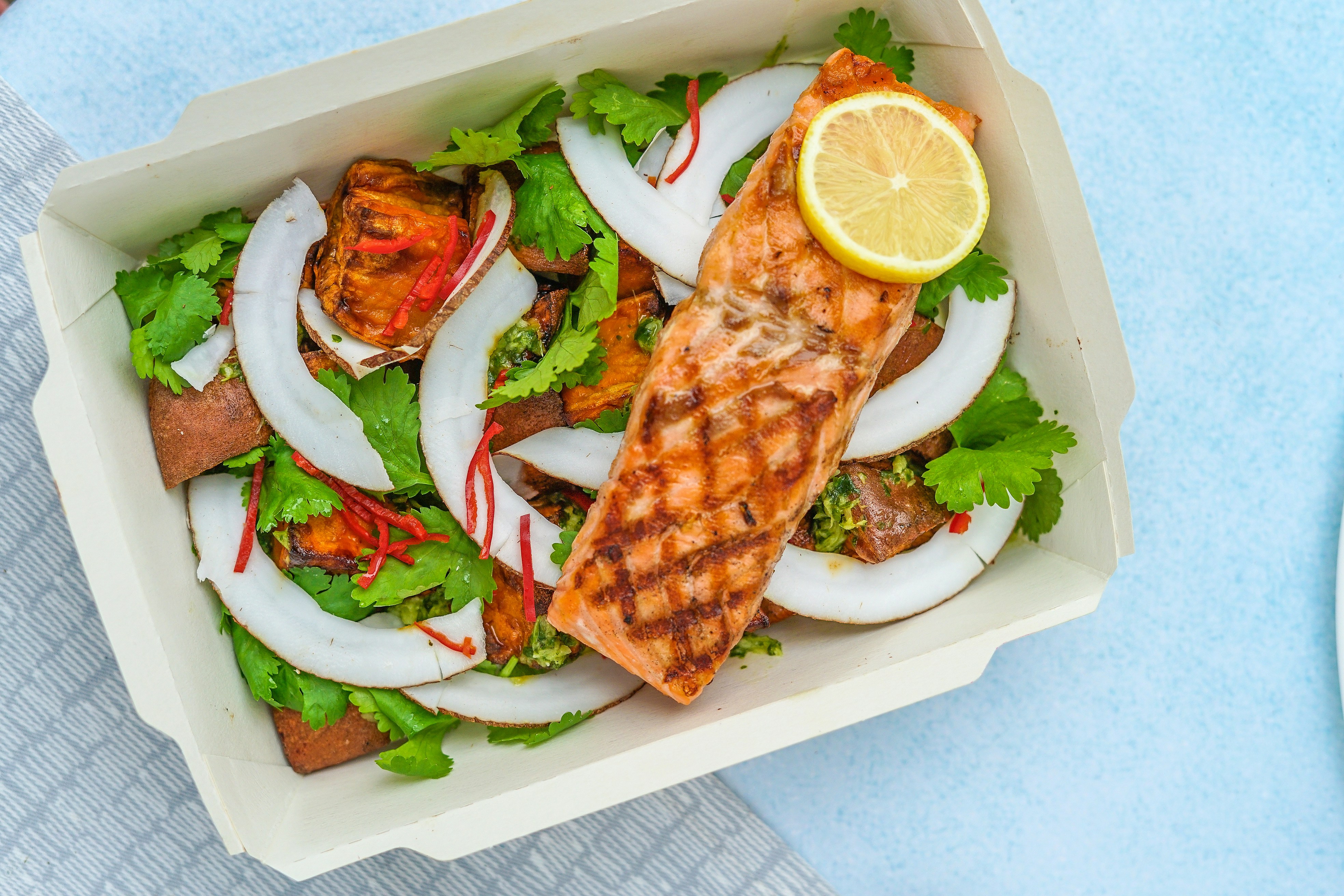
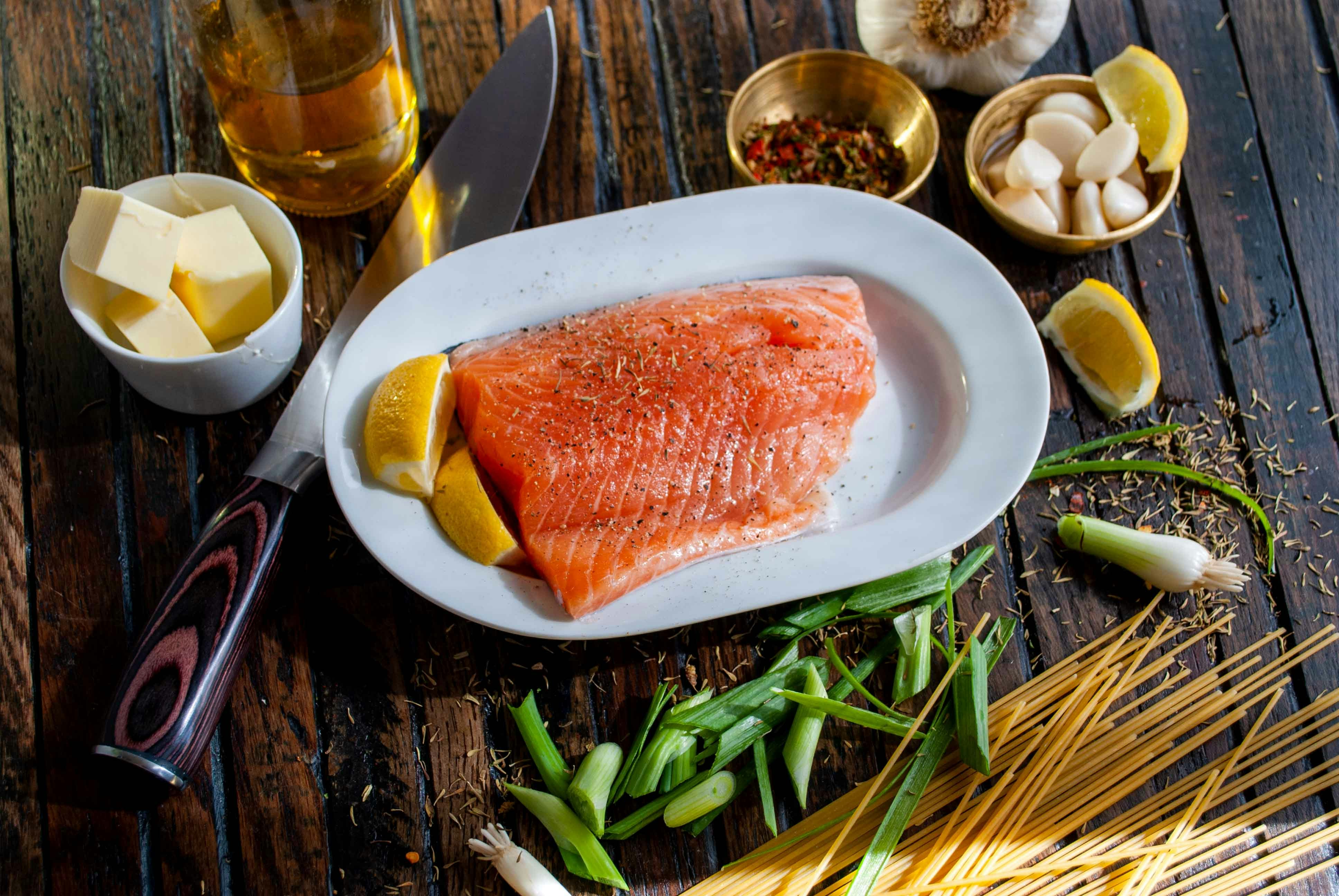
- Fish (especially fatty fish like salmon)
- Eggs
- Low-carb dairy products (cheese, sour cream, full-fat yogurt)
Low-Carb Vegetables
Vegetables are your friends, but it’s important to choose those that are low in carbohydrates. Some tasty options include:
- Leafy greens (spinach, kale, lettuce)
- Broccoli
- Cauliflower
- Zucchini
- Bell peppers
Foods to Avoid
To get the most out of your ketogenic lifestyle, it’s equally important to know what to avoid. Steer clear of:
- Sugary foods (sodas, candies, cookies)
- Grains (bread, pasta, rice)
- Starchy vegetables (potatoes, corn)
- Most fruits (bananas, apples, grapes)
- Processed foods
Meal Planning for Success
Planning meals can make or break your experience on a ketogenic diet. With a little preparation, you can set yourself up for success. Here are some tips to keep in mind.
Create a Weekly Meal Plan
Designate a specific time each week to create a meal plan. Consider what recipes you’ll want to prepare and how to incorporate a variety of foods.
A sample meal plan could include:
| Meal | Example Dish |
|---|---|
| Breakfast | Scrambled eggs with spinach and avocados |
| Lunch | Chicken salad with olive oil dressing |
| Dinner | Grilled salmon with broccoli and butter |
| Snacks | Celery sticks with almond butter |
Prepare Your Meals in Advance
Batch cooking can save time during busy weeks. Prepare several portions of your favorite keto recipes and store them in airtight containers for easy access.
Stay Flexible
While meal planning provides structure, it’s essential to remain flexible. If you have an unexpected dinner invitation, don’t stress. You can still make keto-friendly choices when you eat out.

Common Challenges on the Ketogenic Diet
Embarking on any new diet can present its challenges, and the ketogenic lifestyle is no exception. Here, we’ll address some common obstacles you might face and how to overcome them.
The Keto Flu
When transitioning to ketosis, you might initially experience flu-like symptoms, often referred to as the “keto flu.” This may include fatigue, headaches, irritability, and cravings. To minimize these symptoms:
- Stay Hydrated: Drink plenty of water to help with fatigue.
- Increase Electrolytes: Adding salt to your meals and consuming potassium-rich foods (like avocados) can help.
- Gradually Reduce Carbs: Instead of cutting carbs drastically, consider a gradual decrease to allow your body time to adjust.
Cravings and Hunger
You might find yourself facing cravings, especially for sugary or starchy foods. Here are several strategies to manage cravings:
- Keep Healthy Snacks Handy: Stock up on keto-friendly options such as cheese, nuts, and veggies with dip.
- Stay Busy: Engage in activities that keep your mind off food, whether it’s a hobby, exercise, or reading a book.
- Practice Mindfulness: When cravings strike, take a moment to pause and assess whether you’re genuinely hungry or if it’s more of a habit.
Social Situations
Dining out or attending social gatherings can sometimes feel intimidating when on a restrictive diet. Here’s how to navigate those scenarios:
- Choose Restaurants Wisely: Before heading out, check menus online and look for places that offer keto-friendly options.
- Communicate: Don’t hesitate to inform the server of your dietary preferences. Many establishments are accommodating.
- Bring Your Own Food: If you’re attending a gathering, consider bringing a keto dish to share that you know you can enjoy.
Enhancing Your Keto Journey
To make your ketogenic experience even more enjoyable and effective, consider these additional tips.
Supplement Wisely
Some individuals find that adding specific supplements can enhance their ketogenic journey. Talk to a healthcare professional about the following options:
- Electrolytes: As you lose water weight, replenishing electrolytes can help avoid the keto flu.
- MCT Oil: Medium-chain triglycerides (MCTs) can help boost ketone levels. They’re digestible fats that provide a quick energy source.
- Omega-3 Fatty Acids: Found in fish oil, these supplements can help balance overall fat intake and promote heart health.
Incorporate Exercise
While diet plays a pivotal role, exercising regularly can boost your progress. Consider including both cardiovascular and resistance training into your routine. Exercise can help increase insulin sensitivity and support your overall well-being.
Monitor Your Health
Regularly check in on how you feel both physically and mentally. If you’re experiencing adverse effects or if your goals aren’t progressing, you may want to reevaluate your plan. It’s essential to listen to your body.

Celebrating Your Milestones
Every small success is worth celebrating on your ketogenic journey! Whether you’re counting pounds lost, feeling more energetic, or surpassing a personal fitness goal, take time to acknowledge your progress.
- Personal Rewards: Instead of food-based rewards, treat yourself to something meaningful, such as a new workout outfit, a massage, or a special outing with friends.
- Connect with Others: Join support groups or online communities where you can share your experiences, seek advice, and encourage others in their journey.
Conclusion
As you embark on this exciting journey toward better health, remember that the ketogenic diet is not just about adhering to strict rules; it’s about finding a balanced lifestyle that works for you. Dr. Berg’s guide has highlighted the essential elements to get started, from understanding macros to meal planning and overcoming challenges. Embrace the learning process, make gradual changes, and enjoy the improvements you see in your health.
By equipping yourself with the right knowledge and support, you’re setting yourself up for long-term success. Every step you take will bring you closer to achieving your health and wellness goals. Happy keto journey!