Have you ever wondered how some people achieve their weight loss goals while enjoying delicious meals? If so, the keto diet might be the answer you’ve been searching for. This low-carb, high-fat eating plan has gained popularity for its effectiveness in shedding pounds while still allowing you to indulge in tasty foods. Let’s discuss what the keto diet really involves and how you can create an effective plan tailored to your lifestyle and preferences.
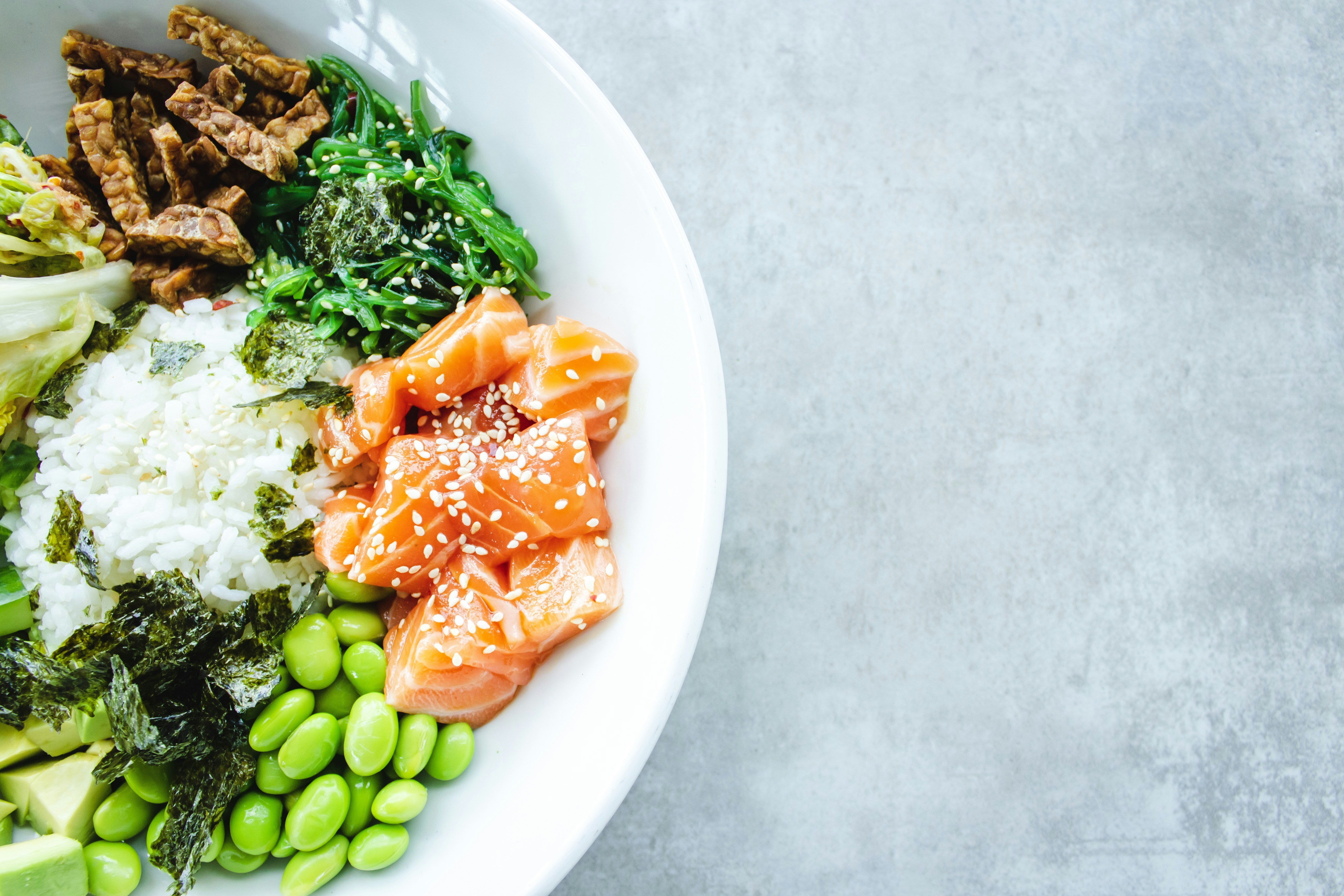
Understanding the Keto Diet
The ketogenic diet, or keto diet for short, is a low-carb, high-fat diet that can help you burn fat more effectively. By significantly reducing your carbohydrate intake and replacing it with fat, your body enters a metabolic state known as ketosis. In this state, your body becomes incredibly efficient at burning fat for fuel instead of relying on carbohydrates.
What Are the Basics of the Keto Diet?
To get started on a keto diet, it’s essential to understand the macronutrient breakdown you need to aim for:
| Macronutrient | Percentage of Daily Intake |
|---|---|
| Fats | 70-75% |
| Proteins | 20-25% |
| Carbohydrates | 5-10% |
These percentages can vary slightly depending on personal goals and activity levels, but this general guideline is a great starting point for committing to a keto lifestyle.
How Does Ketosis Work?
When you lower your carbohydrate intake, your body eventually runs out of its stored glucose (sugar). Once this happens, it turns to stored fat for energy, breaking down fat into ketones, a type of fuel that your body can utilize. This shift can lead to significant weight loss and can potentially offer other health benefits as well.
Why Choose the Keto Diet?
You might be wondering why the keto diet has become so popular. Here are a few compelling reasons:
1. Effective Weight Loss
Many people turn to the keto diet primarily for its ability to help quickly shed body fat. In fact, studies show that individuals following a ketogenic diet often lose more weight than those on traditional low-fat diets.
2. Appetizing Meal Options
Unlike many fad diets that require you to eat bland, boring foods, the keto diet allows for a variety of flavorful meals. This high-fat approach can help you feel full and satisfied, reducing cravings that often lead to snacking.
3. Increased Energy Levels
Once your body adapts to burning fat for fuel, you may experience increased energy levels. This change can help enhance your physical performance and improve mental clarity.

Getting Started with Your Keto Diet Plan
Now that you understand the basics, let’s look at how you can structure your keto diet plan for effective weight loss.
1. Calculate Your Daily Macronutrient Needs
Your first step will be to determine how many calories you should consume daily and how to divide these calories into the appropriate macronutrients. There are various online calculators that can help you estimate your caloric needs based on factors like age, gender, weight, height, and activity level.
2. Plan Your Meals
Planning your meals in advance is key to success on the keto diet. Start by creating a weekly menu that includes a variety of meals featuring low-carb ingredients. This will not only help you stay on track but also keep your meals exciting.
Sample Weekly Keto Meal Plan
| Day | Breakfast | Lunch | Dinner | Snack |
|---|---|---|---|---|
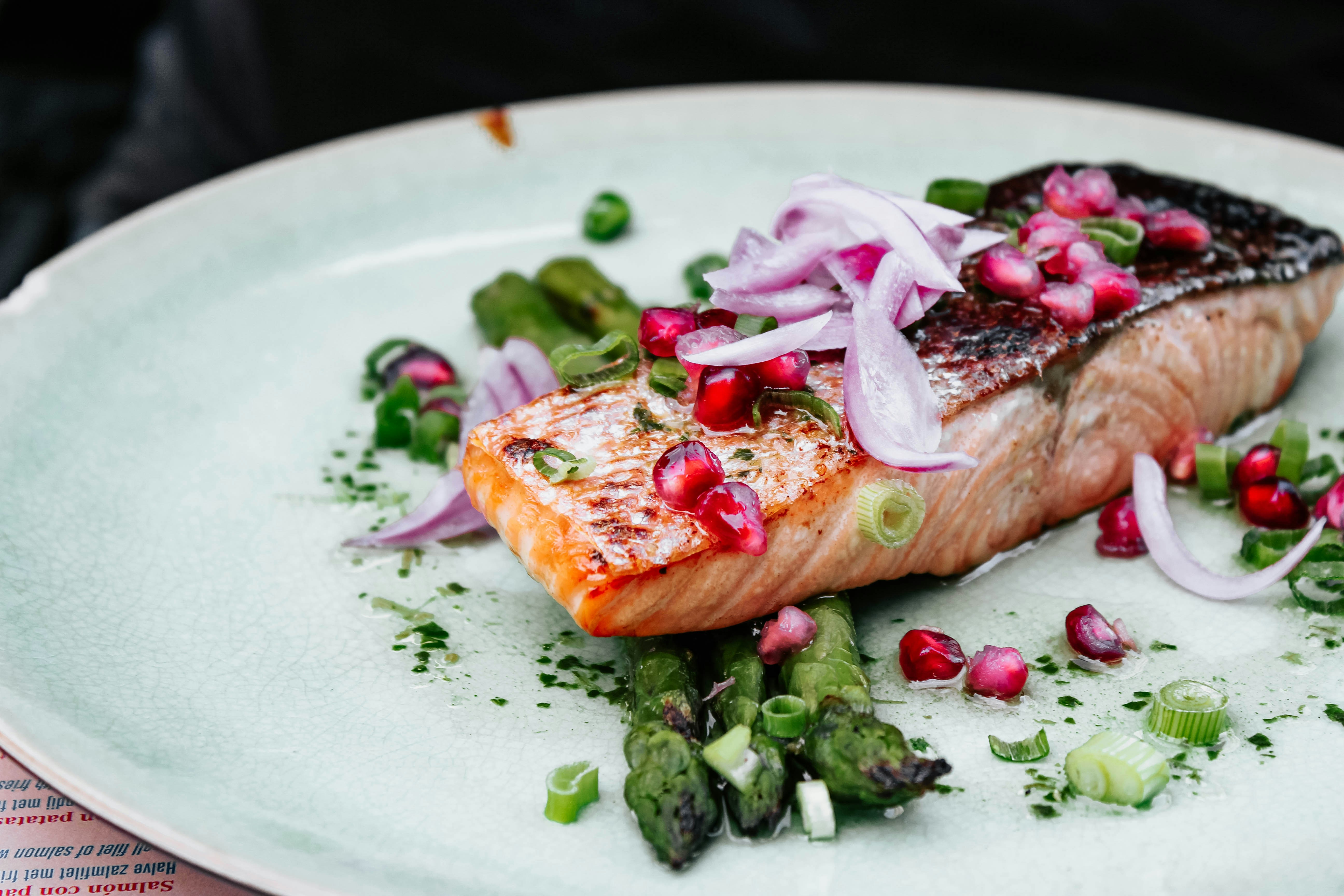
| Monday | Scrambled eggs with spinach | Chicken salad with avocado | Grilled salmon with asparagus | Almonds |
| Tuesday | Greek yogurt with nuts | Zucchini noodles with pesto | Beef stir-fry with vegetables | Cheese slices |
| Wednesday | Omelet with cheese and bacon | Egg salad with lettuce | Pork chops with broccoli | Celery with peanut butter |
| Thursday | Chia seed pudding | Shrimp salad | Meatballs with zucchini pasta | Olives |
| Friday | Smoothie with spinach | Lettuce wraps with turkey | Cauliflower rice stir-fry | Hard-boiled eggs |
| Saturday | Frittata with mushrooms | Chicken and vegetable soup | Ribeye steak with green beans | Dark chocolate (70% cacao) |
| Sunday | Breakfast casserole | Tuna salad | Roast chicken with Brussels sprouts | Avocado |
This meal plan is just a starting point. Feel free to swap out items or modify recipes to suit your taste buds.
3. Stock Up on Keto-Friendly Foods
Make sure your kitchen is stocked with keto-friendly foods to help you stay focused on your goals. Some staples include:
- Healthy Fats: Olive oil, coconut oil, avocados, nuts, and seeds.
- Proteins: Grass-fed meats, fish, eggs, and low-carb dairy products.
- Low-Carb Vegetables: Leafy greens, broccoli, cauliflower, zucchini, and bell peppers.
4. Prepare for Challenges
Starting a new diet can be challenging, and the keto diet is no exception. You may experience what is known as the “keto flu” as your body transitions into ketosis. Symptoms can include fatigue, headaches, irritability, and sugar cravings. To combat this, it’s essential to stay hydrated and replenish electrolytes.
Tips for Long-Term Success on the Keto Diet
Making significant lifestyle changes can be difficult, but here are some friendly tips to help you along your keto journey.
1. Stay Hydrated
Drink plenty of water to stay hydrated and support your body in the transition to ketosis. Dehydration can lead to fatigue and may amplify symptoms of keto flu.
2. Listen to Your Body
Pay attention to how your body reacts as you adjust to the keto diet. You may need to tweak your macronutrient ratios or meal timing based on your energy levels and hunger cues.
3. Exercise Regularly
Incorporating physical activity into your routine can help accelerate weight loss and improve overall health. Choose workouts you enjoy—whether it’s walking, yoga, or weight lifting— to make exercise a lasting habit.
4. Find a Support System
Having friends or family members support you can make all the difference. Consider joining local or online keto communities to share experiences, ask questions, and gather motivation.
5. Track Your Progress
Keep a journal of your food intake, exercise, and weight loss progress. This habit will help you stay accountable and identify any patterns that may need to be adjusted.
Common Misconceptions About the Keto Diet
With the rise of the keto diet’s popularity, several misconceptions have popped up. It’s important to dispel these myths to have a clearer understanding of what to expect.
Myth 1: Keto Is a High-Protein Diet
While the keto diet does include protein, its primary macronutrient is fat. Consuming too much protein can throw you out of ketosis, so it’s essential to find the right balance.
Myth 2: You Can Eat as Much as You Want
While you don’t need to calorie-count obsessively, it’s still important to be mindful of portion sizes. Even healthy fats can contribute to weight gain if consumed in excess.
Myth 3: The Keto Diet Is Dangerous
Most people can safely follow the keto diet as long as proper planning and monitoring are in place. However, if you have pre-existing medical conditions or concerns, it’s wise to consult a healthcare professional before making any significant changes to your diet.
Health Benefits Beyond Weight Loss
In addition to weight loss, several studies suggest that a ketogenic lifestyle may offer additional health benefits, including:
1. Improved Blood Sugar Control
For individuals with type 2 diabetes or insulin resistance, the keto diet can help stabilize blood sugar levels by reducing the intake of carbohydrates that cause spikes in glucose.
2. Enhanced Cognitive Function
Some research indicates that the ketones produced during ketosis can enhance brain function, potentially benefiting individuals with neurodegenerative diseases like Alzheimer’s.
3. Reduced Inflammation
The keto diet may also help lower inflammation in the body, which could be beneficial for those with inflammatory diseases.

Potential Downsides to Consider
While the keto diet offers various benefits, it’s crucial to consider some potential downsides:
1. Nutrient Deficiencies
Restricting carbohydrates may limit your intake of certain nutrients, particularly fiber and vitamins found in fruits and grains. Be sure to include a variety of low-carb vegetables to mitigate deficiencies.
2. Sustainability
Some individuals find it challenging to adhere to a strict low-carb diet in the long term. Consider setting realistic goals and incorporating cheat days or meals if necessary.
3. Social Situations
Eating out or attending social gatherings can be tricky on the keto diet, as many food options may not align with your eating plan. Planning ahead can help you navigate these situations more smoothly.
Transitioning Off the Keto Diet
If you decide to transition off the keto diet, it’s vital to do so carefully. Gradually reintroduce carbohydrates into your diet to avoid shocking your system and to maintain progress.
1. Reintroduce Carbs Slowly
Start by adding small amounts of healthy carbohydrates such as fruits, sweet potatoes, or whole grains. Monitor your body’s reaction to adjust your intake to your preferences.
2. Continue to Prioritize Whole Foods
Aim to keep your diet filled with whole, nutrient-dense foods. Avoid reverting to processed foods high in sugar and empty calories that can lead to weight gain.
3. Stay Active
Continue to engage in regular physical activity even after transitioning off the keto diet. Maintaining an active lifestyle can support your health and help manage weight.

Conclusion
Adopting an effective keto diet plan for weight loss can be an enjoyable and rewarding journey. From embracing delicious meals to experiencing improved energy levels, the benefits can extend far beyond just shedding pounds. With careful planning, supportive resources, and an understanding of the principles behind the diet, you can tailor your approach to fit your lifestyle and preferences.
Whether you choose to go all-in on keto or gradually incorporate elements into your routine, the key is to remain flexible and in tune with your body’s needs. Just remember that you don’t have to go through this process alone. Enjoy the journey, connect with others, and most importantly, savor every delicious moment along the way.