
Have you ever wondered what you should stock up on when starting a keto diet? Transitioning into keto can feel overwhelming, especially when it comes to grocery shopping. But with the right grocery list, you can set yourself up for success on this low-carb journey. Let’s help you navigate those grocery aisles and discover the essentials you need!
Understanding the Keto Diet
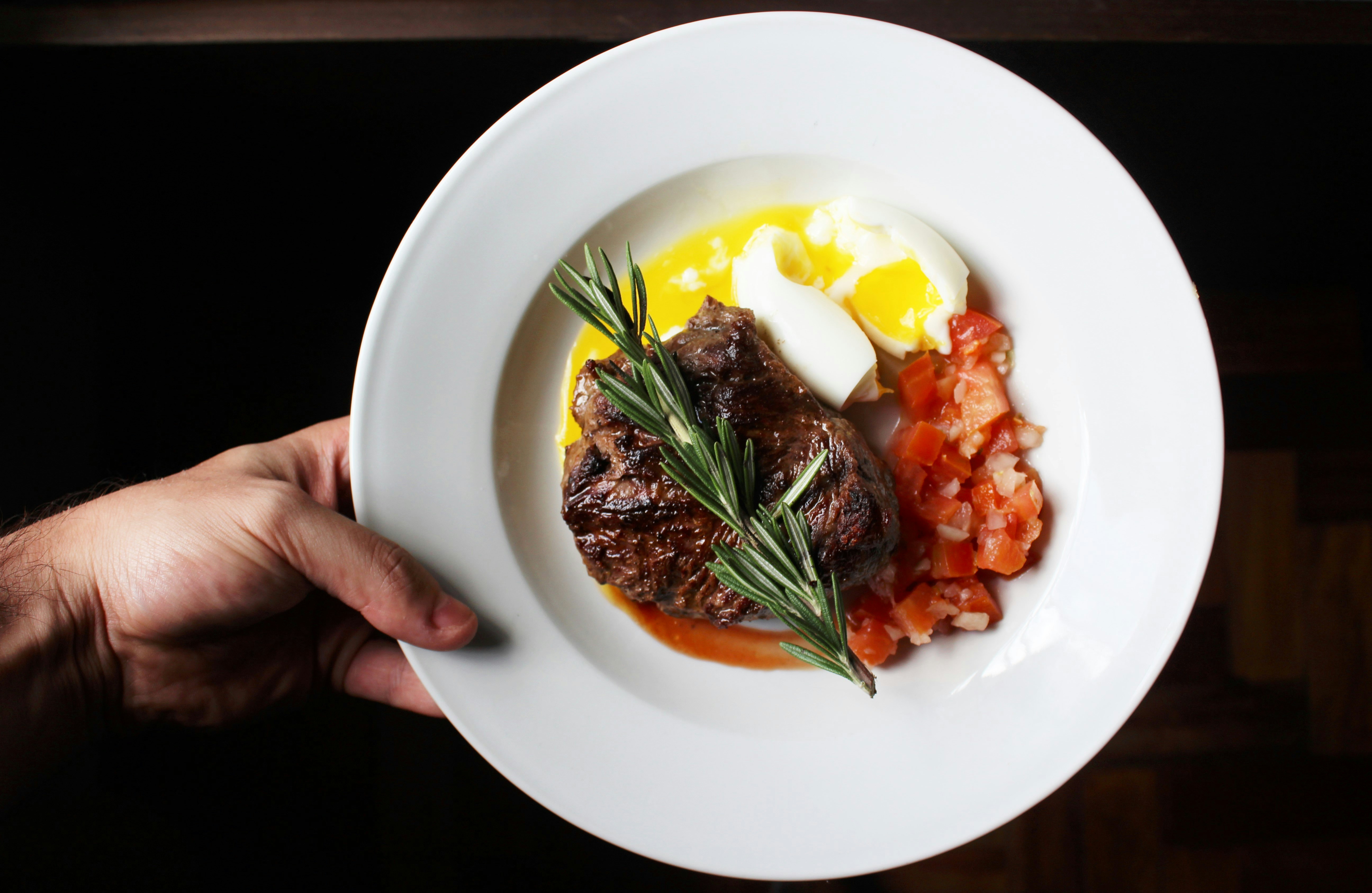
Before you start filling your cart, it’s essential to grasp what the keto diet entails. The ketogenic diet is a high-fat, low-carb eating plan that aims to put your body into a state of ketosis. In ketosis, your body becomes highly efficient at burning fat for energy, which can lead to weight loss and various health benefits.
Why Choose Keto?
Making the switch to keto can help you manage your weight, improve mental clarity, and boost energy levels. Many people report feeling more satisfied with their meals, thanks to the increased fat intake. Plus, with various delicious food options available, it can be both enjoyable and effective.
Starting Your Keto Grocery List
Creating a grocery list can simplify your shopping experience and make it easier to stick to your diet. Here’s a categorized list that you can refer to so you won’t miss out on essential ingredients.
Proteins
When it comes to protein on the keto diet, the focus is on high-quality sources, including:
Meat
- Beef: Look for ground beef, steak, or roasts. Choose cuts with higher fat content when possible.
- Pork: Bacon, pork chops, and ground pork are excellent choices.
- Poultry: Chicken (especially dark meat), turkey, and duck are all suitable options.
Seafood
- Fatty Fish: Salmon, mackerel, and sardines are fantastic for those omega-3 fatty acids.
- Shellfish: Shrimp, crab, and mussels provide protein without many carbs.
Eggs
Eggs are a staple in any keto diet. They’re versatile, packed with protein, and contain healthy fats. You can enjoy them boiled, scrambled, or in omelets with your favorite low-carb veggies.
Dairy
Dairy can be a great source of fats and proteins on a keto diet. Look for full-fat options where possible.
- Cheddar Cheese: This cheese is rich in flavor and low in carbs.
- Cream Cheese: A creamy addition to many recipes.
- Greek Yogurt: Choose unsweetened, full-fat Greek yogurt for a satisfying snack or breakfast.
Low-Carb Vegetables
Veggies are an essential part of any diet, but you want to opt for low-carb varieties. Leafy greens and cruciferous vegetables are a good choice.
- Spinach: Perfect for salads or sautéed as a side dish.
- Broccoli: A versatile vegetable that can be roasted or steamed.
- Zucchini: Great for “zoodles” or as a side.
Healthy Fats
Healthy fats are at the heart of the ketogenic diet. They provide energy and keep you feeling full.
- Avocado: Packed with monounsaturated fats and fiber.
- Olive Oil: Use it for cooking or as a salad dressing.
- Coconut Oil: An excellent cooking oil that adds a tropical flavor to dishes.
Nuts and Seeds
These small powerhouses are packed with nutrients and healthy fats but keep portions in mind due to the calorie density.
- Almonds: Great for a quick snack.
- Chia Seeds: Add them to smoothies or make chia pudding.
- Walnuts: A deliciously crunchy addition to salads.
Avoiding High-Carb Foods
To thrive on a keto diet, it’s important to avoid certain high-carb foods that can knock you out of ketosis.
Sugary Foods
This includes candies, pastries, and sweetened beverages. Instead, opt for foods that naturally satisfy your sweet tooth without high sugar content.
Grains
Breads, pasta, and rice are high in carbs. You might want to try alternatives like cauliflower rice or zucchini noodles.
Starchy Vegetables
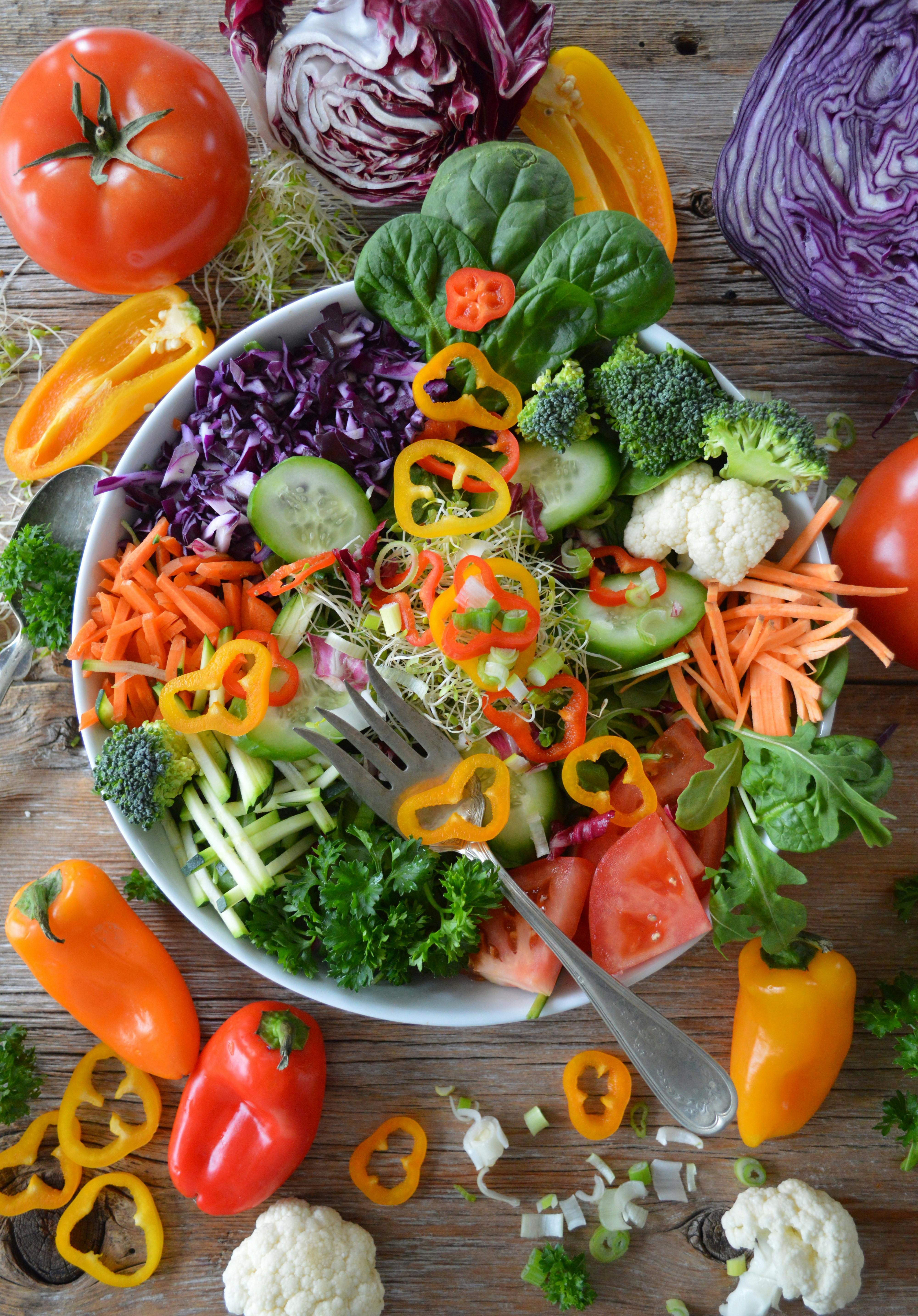
Certain vegetables, like potatoes and corn, can also spike your carb intake. Stick to above-ground veggies such as bell peppers and greens.
Fruit
While fruit is healthy, many varieties are high in sugars. Berries, such as strawberries and raspberries, are lower in carbs and a good option in moderation.
Snack Ideas for Keto
Having keto-friendly snacks on hand will keep you from reaching for unhealthy options when cravings hit.
Keto Snacks
- Nuts and Seeds: A handful can be quite satisfying.
- Cheese Crisps: You can find these at stores or make your own at home.
- Hard-Boiled Eggs: Perfect for grab-and-go snacking.
Preparing Ahead
Meal prep is key to staying on track. Here’s how you can get a head start.
- Batch Cooking: Cook large portions of proteins, such as marinated chicken or meatballs, and store them in individual servings.
- Pre-chopped Vegetables: Having them ready to go makes cooking quick and easy.
- Pre-made Meals: Consider using keto meal delivery services or pre-packaged options if you’re short on time.

Condiments and Seasonings
Flavor plays a vital role in enjoyment and satisfaction. Stocking up on the right condiments and seasonings can elevate your meals.
Keto-Friendly Condiments
- Mustard: Adds a tangy punch without the carbs.
- Mayonnaise: Look for sugar-free varieties for a creamy addition to your meals.
- Hot Sauce: Spice up your dishes without added sugars.
Flavor Boosters
Herbs and Spices
Fresh or dried herbs can turn a basic dish into something exciting. Here are some lovely options to consider:
- Basil: Fresh basil can brighten a dish with its aromatic flavor.
- Garlic Powder: A staple in many kitchens that adds a warm, savory touch.
- Cumin: This spice adds depth and richness to your meals.
Reading Labels
When you’re shopping, reading labels becomes crucial for staying compliant with the keto diet. Look for key factors:
Serving Size
Always check the serving size. It’s easy to underestimate how many carbs you’re actually consuming.
Total Carbohydrates
Understand the difference between total carbs and net carbs. For keto, focus on net carbs (total carbs minus fiber and certain sugar alcohols).
Added Sugars
Be vigilant about sugars in your foods. Ingredients like high fructose corn syrup can sneak into unexpected products, pushing your carb count higher than it should be.
Dining Out on Keto
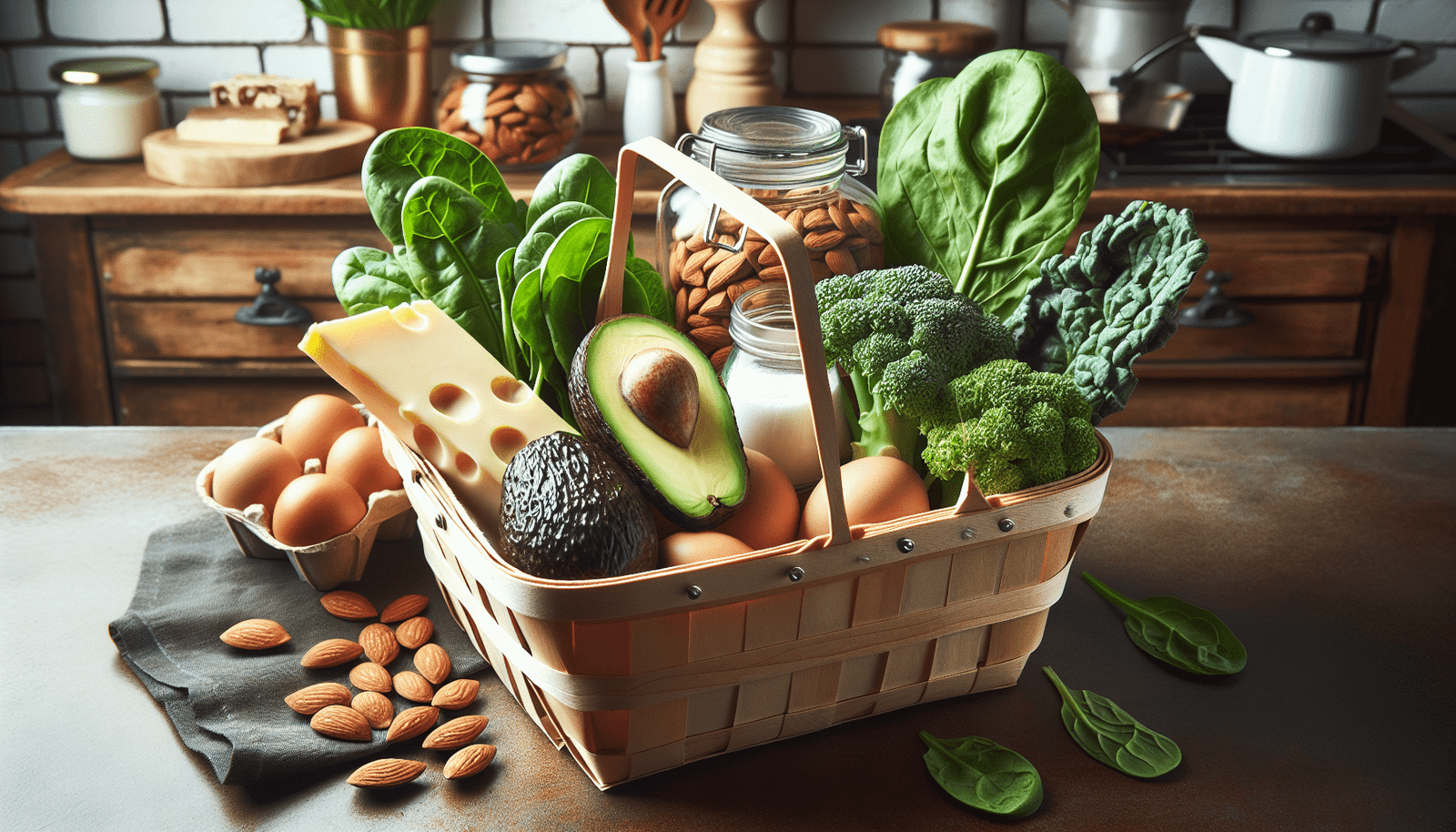
Eating out while sticking to your diet doesn’t have to be a challenge. With a bit of strategy, you can enjoy a meal without ruining your efforts.
Making Smart Choices
- Opt for Grilled or Baked Proteins: Avoid fried options that may be breaded.
- Load Up on Vegetables: When possible, replace carb-heavy sides like fries with steamed or grilled veggies.
- Ask for Modifications: Don’t hesitate to request substitutions or changes to your dish to make it more keto-friendly.
Restaurant Types
Some types of restaurants are more conducive to keto eating:
- Steakhouses: Great for hearty proteins and low-carb veggie options.
- Sushi Places: Opt for sashimi instead of rolls with rice.
- Salad Bars: Customize your own salad with plenty of leafy greens and healthy fats.
Staying Motivated
Switching to a keto lifestyle can be challenging, but the rewards are often worth it. Find what inspires you to stick to your goals:
Set Realistic Goals
Instead of aiming for perfection, focus on progress. Set achievable goals, whether weight loss, improved health markers, or simply trying new recipes.
Keep a Journal
Document your meals, snacks, and how you feel on your keto journey. This not only keeps you accountable but also helps you identify patterns in your eating habits.
Join a Support Group
Connecting with others on a similar journey can provide much-needed encouragement. Consider online forums, social media groups, or local meetups to share experiences, recipes, and tips.
Final Thoughts
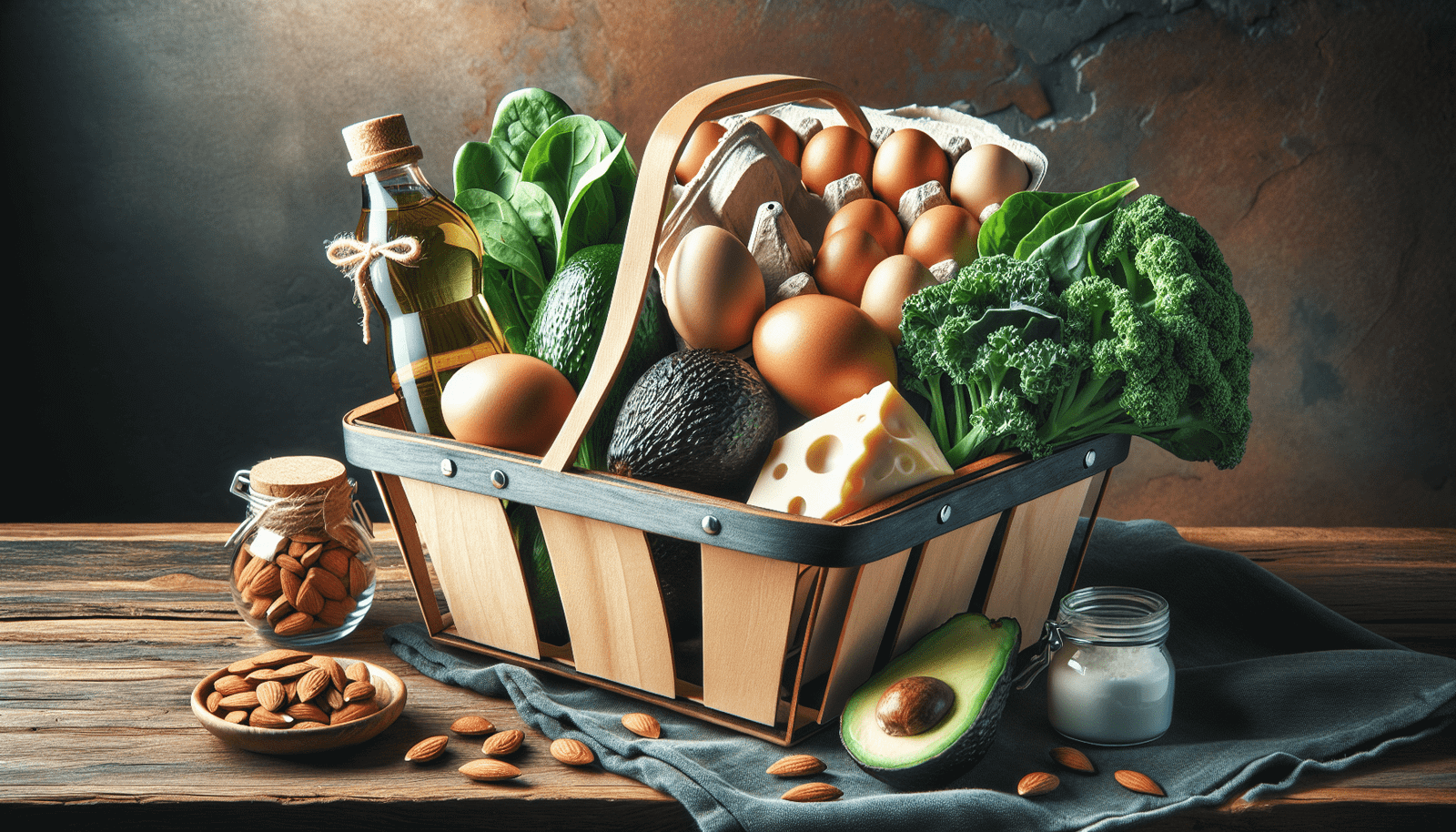
Transitioning to a keto diet opens up a whole new world of food explorations. With the right grocery list in hand and a supportive mindset, you can embark on this delicious journey focused on health and satisfaction. Remember, the key to success is constant learning and adapting, so don’t be afraid to try new things and adjust your approach as needed.
With a better understanding of what foods to choose, avoiding pitfalls, and how to prepare yourself for success, you’re well on your way to making keto a sustainable part of your lifestyle. So grab that grocery list, and get ready to step into a world filled with flavors and incredible health benefits!