Have you ever wondered what all the buzz is about the ketogenic diet? Many people are talking about its potential benefits, but what does it really entail, and how can it impact your health? Let’s take a closer look at the ketogenic diet, its benefits, and some key aspects you should consider.

What is the Ketogenic Diet?
The ketogenic diet, commonly referred to as keto, is a high-fat, low-carbohydrate diet that shifts your body’s energy source from carbohydrates to fats. Typically, a standard ketogenic diet involves reducing carbohydrate intake to about 5-10% of total daily calories, increasing fat intake to around 70-75%, and keeping protein around 20%.
The Science Behind Keto
By drastically reducing carbohydrate intake, your body enters a state called ketosis. In ketosis, your liver converts fats into ketones, which then become the primary source of energy for your body and brain. This shift can lead to various physiological changes and potential benefits.
Understanding Macros
To effectively follow the ketogenic diet, it’s essential to understand the roles of macronutrients: fats, carbohydrates, and proteins. Here’s a simple breakdown of your typical macro distribution on a keto plan:
| Macronutrient | Percentage of Daily Intake |
|---|---|
| Fats | 70-75% |
| Proteins | 20-25% |
| Carbohydrates | 5-10% |
By focusing on this macronutrient balance, you’ll encourage your body to enter and maintain ketosis.
Benefits of the Ketogenic Diet
You might be curious about why so many people are adopting this diet. Here are some of the primary benefits that could pique your interest:
Weight Loss and Management
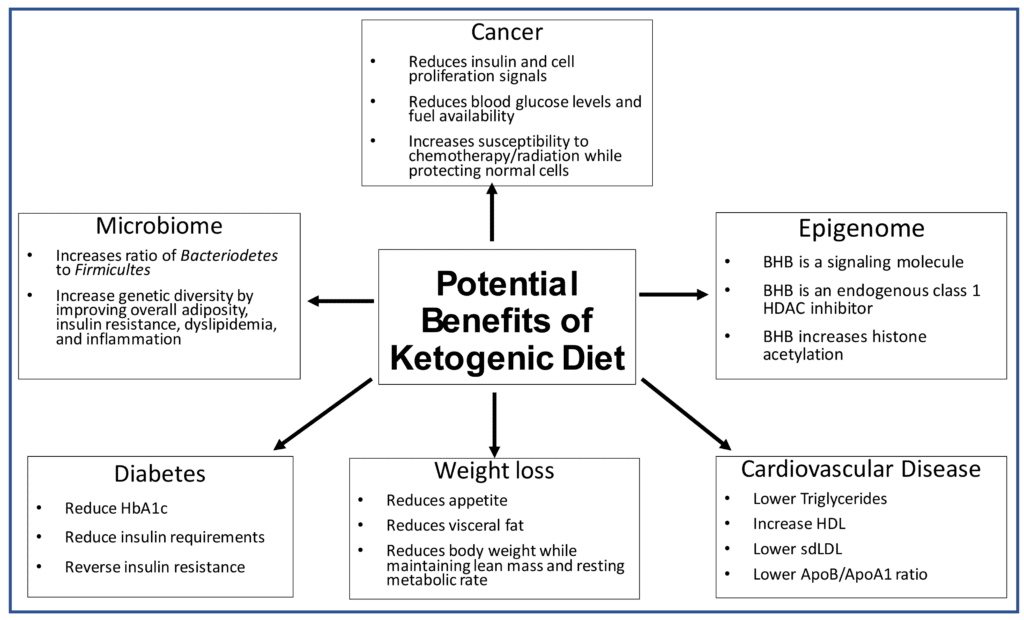
One of the most significant advantages of the ketogenic diet is weight loss. Since the body is burning fat for fuel instead of carbohydrates, you may find that weight loss can occur more rapidly. Additionally, the increase in fat intake leads to greater satiety, meaning you might feel fuller longer and therefore consume fewer calories overall.
Improved Blood Sugar Control
If you have concerns about blood sugar levels or pre-diabetes, the ketogenic diet may offer some advantages. By dramatically reducing carb intake, your blood sugar levels may stabilize, leading to improved insulin sensitivity. This can help you manage energy levels and reduce the risk of type 2 diabetes.
Enhanced Mental Clarity and Focus
You may find that switching to a ketogenic diet can positively affect your mental clarity and focus. Many people report experiencing improved concentration and cognitive performance while in ketosis. This boost is likely attributed to the brain’s favorite fuel – ketones – which provide a more efficient energy source compared to glucose.
Increased Energy Levels
Imagine having sustained energy throughout the day! When your body adapts to burning fat for fuel, you might experience more stable energy levels compared to the energy spikes and crashes associated with high-carb diets. This can be particularly beneficial if you’re active or have a demanding lifestyle.
Better Heart Health
Though it might sound counterintuitive to adopt a high-fat diet, certain types of fats can actually promote heart health. The ketogenic diet emphasizes healthy fats such as avocados, nuts, seeds, and olive oil. These fats can improve your cholesterol profile, increase HDL (good cholesterol), and lower triglycerides.

Potential Challenges of the Ketogenic Diet
While there are numerous benefits, it’s essential to be aware of the potential challenges you may face on your ketogenic journey.
The Keto Flu
As your body transitions into ketosis, you may experience what is known as the “keto flu.” Symptoms like fatigue, headache, irritability, and nausea can occur as your body adapts. This phase typically lasts a few days to a week. Staying hydrated and ensuring you’re getting enough electrolytes can help alleviate these symptoms.
Nutrient Deficiencies
If not planned properly, following a ketogenic diet could lead to nutrient deficiencies. As you cut out specific food groups, you must be mindful of incorporating a variety of nutrient-dense foods to ensure you’re meeting your vitamins and minerals needs. Consider focusing on non-starchy vegetables, nuts, seeds, and high-quality animal products.
Social and Lifestyle Adjustments
Adopting a unique diet can lead to challenges in social situations. Dining out or attending gatherings might require extra effort to ensure there are keto-friendly options available. Communicating your dietary preferences to friends and family can help facilitate supportive experiences.
Who Should Consider the Ketogenic Diet?
Individuals Looking to Lose Weight
If your goal is to shed some extra pounds, the ketogenic diet can be a helpful tool. Many people have successfully lost weight by adopting this approach, leading to improved overall health and well-being.
People with Insulin Resistance or Type 2 Diabetes
This diet may also be beneficial for those managing insulin resistance or type 2 diabetes. By focusing on low-carb foods, you can help stabilize blood sugar levels, which is crucial for diabetes management.
Athletes and Active Individuals
For those who engage in high-intensity exercise, the ketogenic diet may enhance endurance by forcing the body to rely on fat stores for energy. However, it’s essential to consider individual performance goals, as some may prefer carbohydrate-based diets for explosive energy during workouts.
Individuals with Neurological Conditions
Research suggests that the ketogenic diet may help manage certain neurological conditions, such as epilepsy and Alzheimer’s disease. The diet’s therapeutic effect on brain function has drawn attention in the medical community. Still, consult with a healthcare professional before making any dietary changes.

Getting Started with the Ketogenic Diet
Now that you’re familiar with the potential benefits and considerations of the ketogenic diet, you might be eager to make the switch. Here are some practical steps to help you get started.
Educate Yourself About Foods
Understanding which foods fit into your new lifestyle is vital for success. Focus on foods that are low in carbohydrates and high in healthy fats. Here’s a simple list to guide you:
| Foods to Eat | Foods to Avoid |
|---|---|
| Avocados | Bread |
| Eggs | Pasta |
| Leafy greens | Sugar and sweets |
| Nuts and seeds | Starchy vegetables |
| Fatty fish | Fruits (high-sugar) |
| Cheese | Legumes |
| Coconut oil | Processed foods |
| Olive oil | Sugary drinks |
Track Your Macros
As you embark on this journey, tracking your macronutrient intake can help you stay on course. You can use various apps and websites designed for this purpose, making it easy to monitor your food consumption.
Meal Preparation
Preparing your meals ahead of time can be a game-changer. By planning your meals, you’ll avoid the temptation to reach for high-carb snacks when hunger strikes. Create a weekly meal plan, and consider batch-cooking to simplify your week.
Stay Hydrated
Staying hydrated is crucial on a ketogenic diet, especially while adjusting to ketosis. Not only does hydration support overall health, but it may also help manage the keto flu symptoms. Aim for at least 8 glasses of water per day, and consider including electrolyte-rich beverages.
Connect with a Community
Finding support can enhance your ketogenic journey. Whether it’s through online forums, social media groups, or local meet-ups, connecting with others who share similar goals can provide inspiration, tips, and encouragement to stay on track.
Delicious Keto-Friendly Recipes
You might be surprised to learn that a ketogenic diet doesn’t have to be bland or boring. Here are a few tasty recipes to keep your meals exciting.
Avocado Egg Salad
Ingredients:
- 2 ripe avocados
- 4 hard-boiled eggs
- 2 tablespoons mayonnaise
- Salt and pepper to taste
- Chopped fresh herbs (such as dill or cilantro)
Directions:
- In a bowl, mash the avocados.
- Chop the hard-boiled eggs and add to the bowl, combining well.
- Stir in mayonnaise, salt, pepper, and herbs.
- Serve in lettuce wraps or on cucumber slices for a refreshing snack.
Zucchini Noodles with Pesto
Ingredients:
- 2 medium zucchinis
- 1 cup fresh basil leaves
- 1/4 cup pine nuts
- 1/4 cup grated Parmesan cheese
- 1/4 cup olive oil
- Salt and pepper to taste
Directions:
- Spiralize the zucchinis to create noodle strands.
- In a food processor, combine basil, pine nuts, Parmesan, and olive oil. Blend until smooth.
- Toss the zucchini noodles with your homemade pesto and season to taste.
- Serve immediately for a light and satisfying meal.
Keto Cauliflower Pizza
Ingredients:
- 1 head cauliflower, riced
- 1 cup shredded mozzarella cheese
- 1 egg
- 1 teaspoon Italian seasoning
- Toppings of your choice (pepperoni, bell peppers, olives, etc.)
Directions:
- Preheat the oven to 400°F (200°C).
- Steam the riced cauliflower until tender, then let it cool and squeeze out excess moisture.
- In a bowl, combine cauliflower, mozzarella, egg, and Italian seasoning to form a dough.
- Spread the mixture onto a baking sheet and shape into a pizza crust.
- Bake for 20 minutes, add your desired toppings, then return to the oven for an additional 10 minutes.
Maintaining Your Keto Lifestyle
You might find that the ketogenic diet is a successful approach for you, but maintaining this lifestyle can require ongoing commitment. Here are some strategies to help you stick with it long-term.
Listen to Your Body
As you progress, it’s essential to pay attention to how your body responds. Some people find that their macronutrient ratios need to be adjusted based on activity levels, cravings, and overall energy. Listen to what your body is telling you and make changes accordingly.
Don’t Rush
Transitioning into a ketogenic lifestyle takes time. Allow yourself the opportunity to adjust without feeling pressured to achieve specific results immediately. Gradual changes can lead to sustainable habits.
Redefine Treats and Rewards
If you’re used to rewarding yourself with sugary treats or starchy meals, consider shifting your perspective on what a reward looks like. Treat yourself with activities or events that you enjoy, rather than using food as a reward.
Celebrate Non-Scale Victories
While weight loss is often the primary goal, it’s essential to recognize and celebrate non-scale victories. These can include improved energy, better sleep, enhanced mental clarity, or even just fitting into clothes that may have felt tight before. Acknowledge and appreciate your progress beyond the numbers on a scale.
Conclusion
Shifting to a ketogenic diet can be a life-changing decision that may benefit your health and well-being. However, it’s important to approach this lifestyle change with knowledge, support, and an open mindset. With an array of potential benefits from weight loss to improved mental clarity, you could find a new sense of vitality and purpose in your everyday life.
As with any dietary change, consulting with a healthcare professional or registered dietitian can provide personalized guidance and ensure you stay safe and healthy throughout your journey. Remember, your health is not just about the numbers; it’s about feeling great and living your best life!