Have you ever wondered what the ketogenic diet is all about and how it can benefit you? If so, you’re in the right place! The ketogenic diet, or keto for short, has gained popularity for its potential benefits in weight loss and overall health. In this article, we’ll be examining the intricacies of the ketogenic diet, along with insights from Dr. Berg, a well-known advocate for this way of eating.

What is the Ketogenic Diet?
The ketogenic diet is a low-carbohydrate, high-fat diet designed to shift your body’s metabolism away from carbs and towards fat. When you significantly reduce your carbohydrate intake, your body enters a state called ketosis. In this state, your body becomes incredibly efficient at burning fat for energy instead of glucose.
The macronutrient breakdown typical of a ketogenic diet consists of about 70-75% fats, 20-25% protein, and only 5-10% carbohydrates. This unique configuration helps to deplete glycogen stores and mobilize fat from adipose tissue.
How Does It Work?
In essence, when you consume less than 50 grams of carbohydrates per day, your body starts using fat as the primary source of energy. The liver converts fatty acids into ketones, which then enter the bloodstream and supply energy to your cells, including your brain.
Who is Dr. Berg?
Dr. Eric Berg is a chiropractor and interning nutritionist who specializes in the ketogenic diet. He’s known for breaking down complex health topics related to keto in a simple, understandable manner. Through his YouTube channel and other platforms, he shares valuable tips and insights on not just the ketogenic diet, but also nutrition and health in general.
Benefits of the Ketogenic Diet
Adopting a ketogenic lifestyle can offer multiple benefits. Let’s take a closer look at some of the most significant health advantages.
Weight Loss
One of the primary reasons many people turn to the ketogenic diet is its potential for weight loss. When your body is in ketosis, it becomes a fat-burning machine, leading to reduced body fat as your body utilizes stored fat for energy. You may find that you feel less hungry while on this diet, thanks to the satiating nature of high-fat foods.
Improved Mental Clarity
Many individuals report enhanced mental clarity and focus while following a ketogenic diet. Ketones provide a more efficient fuel source for the brain compared to glucose. This can lead to improved cognitive function and overall mental performance.
Stabilized Blood Sugar Levels
A ketogenic diet can be a boon for those looking to stabilize their blood sugar levels. By minimizing carbohydrate intake, you can avoid the dramatic spikes and drops in blood sugar that cause cravings and energy crashes. This is particularly beneficial for individuals with insulin sensitivity or type 2 diabetes.
Increased Energy Levels
Once your body adapts to burning fat for fuel, you may notice an increase in energy levels. Unlike carbohydrates, which can provide a temporary energy spike followed by a crash, fat provides a steady, prolonged source of energy. This can lead to increased stamina during workouts or daily activities.
Reduced Inflammation
One of the often-overlooked benefits of the ketogenic diet is its potential to reduce inflammation in the body. This can be particularly helpful for individuals suffering from chronic inflammation, autoimmune diseases, or arthritis. The high-fat, low-carb nature of the diet might help lower inflammation levels and improve overall health.

Nutritional Components of the Ketogenic Diet
Understanding what you can eat on a ketogenic diet is crucial for success. The following table outlines various food categories and examples to help you navigate your meal planning.
| Food Category | Recommended Foods | Foods to Avoid |
|---|---|---|
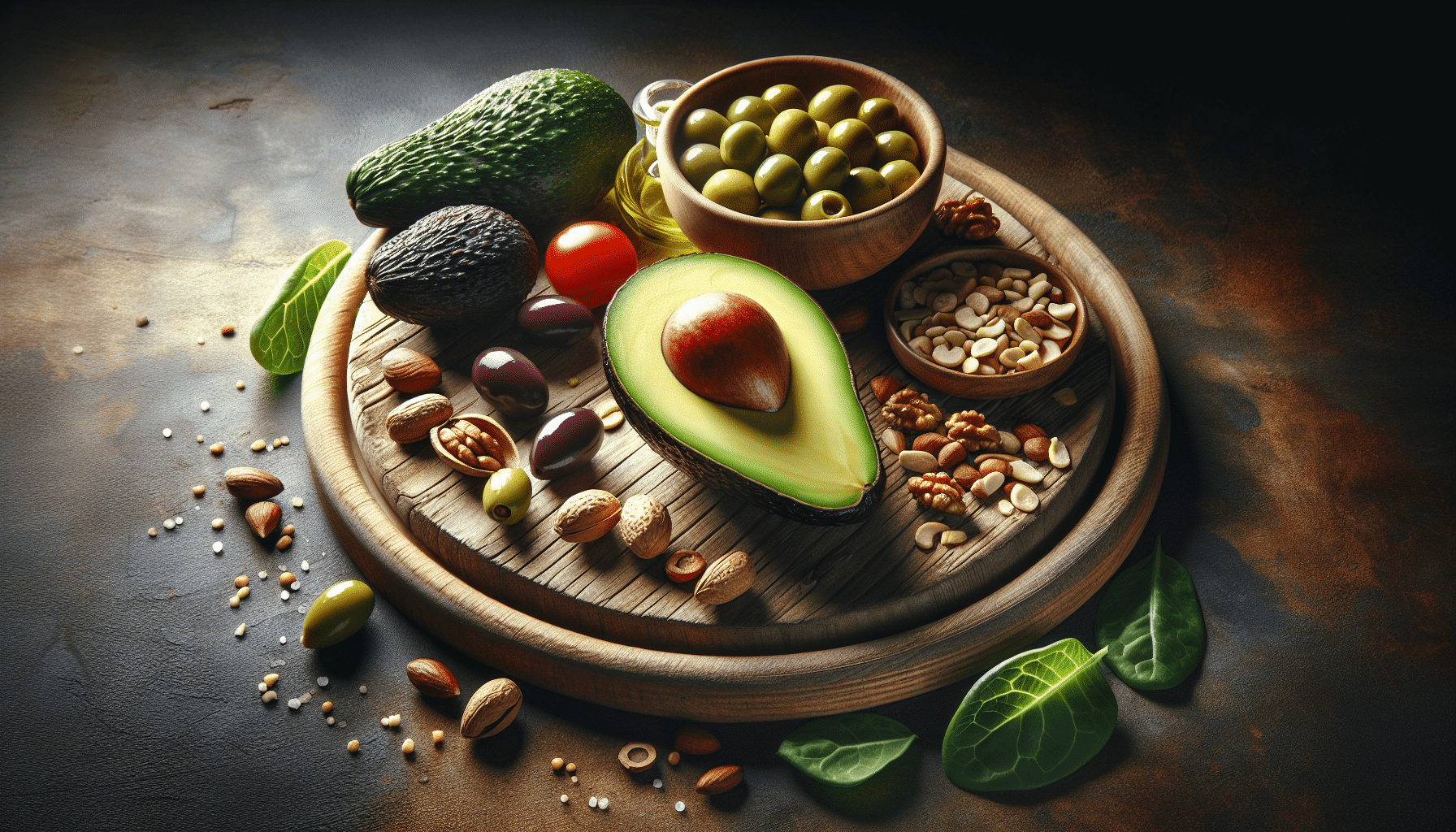
| Fats | Avocado, olive oil, coconut oil | Processed oils and margarine |
| Proteins | Meat, fish, eggs, and cheese | Breaded meats and sugary proteins |
| Vegetables | Leafy greens, broccoli, and cauliflower | Starchy vegetables like potatoes and corn |
| Nuts and Seeds | Almonds, walnuts, and chia seeds | Legumes and corn |
| Dairy | Heavy cream, full-fat yogurt | Low-fat and sugary dairy products |
Meal Planning and Preparation
Successful adaptation to the ketogenic diet requires thoughtful meal planning. Aim to create meals that are rich in healthy fats, moderate in protein, and low in carbohydrates. Here’s a simple meal idea to get you started:
Breakfast: Scrambled eggs cooked in coconut oil with spinach and avocado on the side.
Lunch: Grilled chicken salad topped with olive oil dressing and a sprinkle of nuts.
Dinner: Zucchini noodles with pesto sauce and sautéed shrimp.
Snacks: Cheese slices, olives, or a handful of nuts.
Common Challenges and Solutions
Transitioning to a ketogenic diet can come with its share of challenges, especially at the beginning. Here are some common hurdles and practical solutions.
Keto Flu
Many people experience flu-like symptoms when they first start a ketogenic diet, often referred to as the “keto flu.” This can manifest as fatigue, headaches, and irritability.
Solution: To ease into the diet gradually, consider reducing your carbohydrate intake over a week rather than cutting it out all at once. Staying hydrated and replenishing electrolytes through broth or supplemental minerals can also help.
Social Situations
Dining out or socializing can pose challenges when you’re following a keto lifestyle, as many traditional foods are carb-heavy.
Solution: Don’t hesitate to ask about modifications when ordering food at restaurants, or consider bringing your own dish to gatherings to ensure you have something delicious and on-plan to enjoy.
Maintaining Long-Term Success
Sustaining a ketogenic lifestyle can be tricky for some individuals.
Solution: Focus on diversity in your meals to keep things exciting. Experiment with different recipes and try new foods that align with your keto goals. Joining online communities for support can also motivate you to stick with your commitment.

Understanding Ketogenic Variants
There are different iterations of the ketogenic diet, each suited to various goals and lifestyles.
Standard Ketogenic Diet (SKD)
This is the most common version, following the typical macronutrient breakdown of 70-75% fats, 20-25% protein, and 5-10% carbohydrates. It’s ideal for weight loss and general ketogenic benefits.
Targeted Ketogenic Diet (TKD)
In this approach, individuals consume extra carbs around workouts to provide a quick energy source. It’s particularly popular among athletes or those engaged in high-intensity training.
Cyclical Ketogenic Diet (CKD)
This involves cycling between periods of low-carb intake followed by higher-carb days. This can help with muscle gain while still maintaining the benefits of ketosis.
High-Protein Ketogenic Diet
Similar to the standard diet, but with a higher protein intake. It consists of around 60% fats, 35% protein, and 5% carbohydrates. This option is often preferred by those who want to preserve muscle mass.
Vegetarian or Vegan Ketogenic Diet
While trickier to navigate, it can be done! Focus on plant-based fats like avocados, nuts, and coconut products while limiting carbs from grains and starchy vegetables.
The Role of Exercise in a Ketogenic Diet
Integrating physical activity into your routine can amplify the benefits of the ketogenic diet. Regular exercise can bolster weight loss and maintain muscle mass.
Types of Exercise to Consider
- Strength Training: Lifting weights can help you build muscle and improve metabolic rate.
- Cardio Workouts: Activities like running, cycling, or swimming can enhance cardiovascular health.
- High-Intensity Interval Training (HIIT): This training method effectively burns fat and builds strength in a short amount of time.
Timing Your Workouts
You may find that your energy levels fluctuate during the initial stages of the ketogenic diet. Consider scheduling workouts at times when you feel most energized, and be mindful of how you fuel your body pre- and post-exercise.

Keto and Mental Health
Emerging research is highlighting the connection between diet and mental health. The ketogenic diet may offer potential benefits for mood regulation and mental clarity.
Reducing Anxiety and Depression
Some studies indicate that a ketogenic diet may have a positive effect on reducing symptoms of anxiety and depression. This effect may be linked to the stabilization of blood sugar levels and reduced inflammation, which can impact mood.
Enhancing Focus
Many individuals experience increased cognitive function while following the ketogenic diet. This can be particularly beneficial for students or professionals seeking enhanced productivity.
Dr. Berg’s Insights on the Ketogenic Diet
Throughout his work, Dr. Berg emphasizes certain principles that can help you succeed on the ketogenic diet. Here are some key takeaways:
Focus on Nutritional Quality
Prioritize nutrient-dense foods instead of merely focusing on macronutrient ratios. For example, opt for whole, unprocessed foods to maximize your health benefits.
Personalized Approach
Understand that everyone’s body reacts differently to dietary changes. What works for one person may not work for you. It’s crucial to listen to your body and adjust your approach accordingly.
Long-Term Lifestyle Change
Think of the ketogenic diet as a long-term lifestyle change rather than a quick-fix solution. Creating sustainable habits will lead to lasting results.
Conclusion
Understanding the benefits and nuances of the ketogenic diet can empower you to make informed choices about your health. With guidance from experts like Dr. Berg, you can harness these advantages effectively. As you start or continue your ketogenic journey, remember to be patient with yourself. Dietary changes take time, and the payoff can be transformative for your health and well-being. Enjoy the process and celebrate your achievements, big or small!