
The ketogenic diet, commonly referred to as the keto diet, has gained immense popularity in recent years as a weight-loss strategy and a means to improve overall health. At its core, the keto diet is a high-fat, low-carbohydrate eating plan that aims to shift your body’s metabolism from burning carbohydrates for energy to burning fat. This metabolic state is known as ketosis, where your body becomes highly efficient at converting fat into ketones, which serve as an alternative energy source.
By drastically reducing your carbohydrate intake and replacing it with healthy fats, you can encourage your body to enter this state of ketosis, leading to various health benefits. As you embark on this dietary journey, it’s essential to understand the principles behind the keto diet. Typically, a standard keto diet consists of approximately 70-75% fats, 20-25% protein, and only about 5-10% carbohydrates.
This significant reduction in carbs forces your body to adapt to a new way of fueling itself. While many people experience rapid weight loss and increased energy levels, others may encounter challenges during the initial transition phase. Understanding these potential hurdles can help you navigate the early days of the keto diet more effectively.
Key Takeaways
- The keto diet is a high-fat, low-carb diet that aims to put the body into a state of ketosis, where it burns fat for fuel instead of carbohydrates.
- Keto headaches can be caused by dehydration, electrolyte imbalances, or the body adjusting to the new diet.
- Symptoms of keto headaches can include throbbing pain, sensitivity to light and sound, and nausea.
- Managing keto headaches involves staying hydrated, replenishing electrolytes, getting enough sleep, and managing stress.
- Foods to eat on the keto diet include meat, fish, eggs, low-carb vegetables, and healthy fats, while foods to avoid include sugar, grains, fruit, and starchy vegetables.
Causes of Keto Headaches
As you transition into the keto diet, you may experience a range of symptoms, including headaches. These keto headaches can be attributed to several factors that arise during the initial stages of dietary change. One primary cause is the sudden reduction in carbohydrate intake.
Your body is accustomed to using glucose as its primary energy source, and when you cut carbs drastically, it can lead to withdrawal-like symptoms, including headaches. This is often referred to as the “keto flu,” a collection of symptoms that some individuals experience as their bodies adjust to ketosis. Another contributing factor to keto headaches is dehydration.
When you reduce your carbohydrate intake, your body tends to lose water weight rapidly. Carbohydrates hold onto water in your body, so when you cut them out, you may find yourself losing more fluids than usual. This loss of hydration can lead to headaches and other symptoms like fatigue and dizziness.
Additionally, electrolyte imbalances can occur due to this fluid loss, further exacerbating headache symptoms. Understanding these causes can help you prepare for and manage any discomfort you may experience during your keto journey.
Symptoms of Keto Headaches
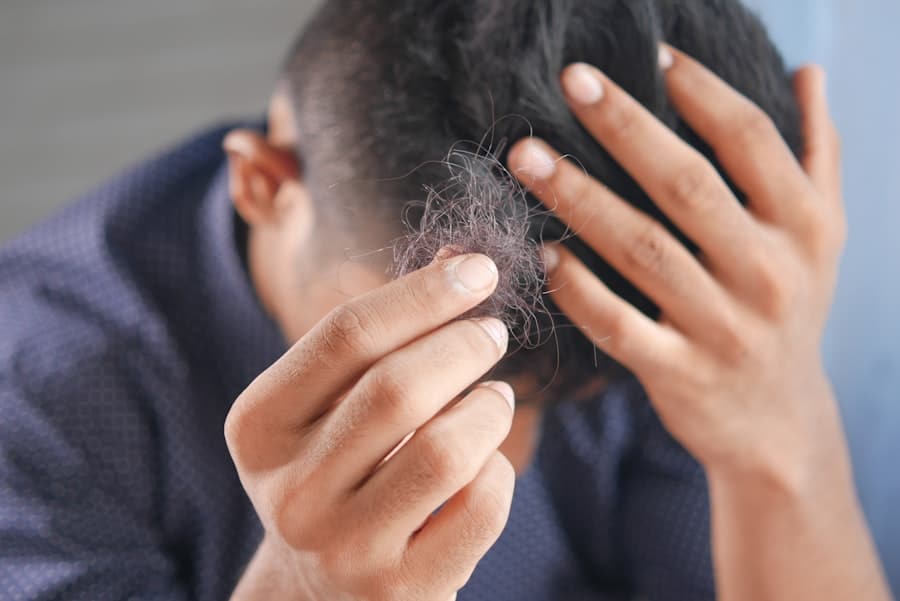
Keto headaches can manifest in various ways, and recognizing these symptoms is crucial for effective management. You might experience a dull ache or a more intense throbbing sensation in your head. These headaches can occur on one side or both sides and may be accompanied by other symptoms such as fatigue, irritability, or difficulty concentrating.
The intensity and duration of these headaches can vary from person to person; some may find relief within a few days, while others may experience them for a longer period. In addition to the physical discomfort of headaches, you may also notice changes in your mood and cognitive function during this adjustment period. Many individuals report feeling foggy or mentally sluggish as their bodies adapt to burning fat instead of carbohydrates for energy.
This cognitive shift can be frustrating, especially if you’re trying to maintain productivity in your daily life. Being aware of these symptoms can help you stay patient and committed to your keto journey while implementing strategies to alleviate discomfort.
Managing Keto Headaches
Managing keto headaches involves a combination of strategies aimed at addressing the underlying causes while providing relief from symptoms. One of the most effective ways to combat these headaches is by ensuring you stay adequately hydrated. Drinking plenty of water throughout the day can help counteract dehydration and alleviate headache symptoms.
Aim for at least eight glasses of water daily, and consider increasing your intake if you’re physically active or live in a hot climate. In addition to hydration, replenishing electrolytes is crucial for managing keto headaches. As your body loses water weight, it also loses essential minerals like sodium, potassium, and magnesium.
Incorporating foods rich in these electrolytes into your diet can help restore balance and reduce headache frequency. Foods such as avocados, leafy greens, nuts, and seeds are excellent sources of potassium and magnesium. You might also consider adding electrolyte supplements or drinks specifically designed for those on a ketogenic diet to ensure you’re meeting your body’s needs.
Foods to Eat and Avoid on the Keto Diet
When following the keto diet, making informed food choices is essential for achieving and maintaining ketosis while minimizing potential side effects like headaches. Focus on incorporating healthy fats into your meals, such as avocados, olive oil, coconut oil, and fatty fish like salmon. These foods not only provide essential nutrients but also help keep you satiated throughout the day.
Additionally, prioritize high-quality protein sources like grass-fed meats, eggs, and dairy products while keeping an eye on portion sizes. On the flip side, it’s crucial to avoid high-carbohydrate foods that can hinder your progress toward ketosis. This includes sugary snacks, bread, pasta, rice, and starchy vegetables like potatoes and corn.
Processed foods often contain hidden sugars and unhealthy fats that can derail your efforts as well. By being mindful of what you eat and focusing on whole, nutrient-dense foods, you can create a sustainable eating plan that supports your health goals while minimizing discomfort.
Hydration and Electrolytes on the Keto Diet

Hydration plays a pivotal role in your success on the keto diet, especially when it comes to preventing headaches and other symptoms associated with the initial transition phase. As you reduce carbohydrate intake, your body tends to excrete more water and electrolytes through urine. This increased fluid loss can lead to dehydration if you’re not proactive about replenishing lost fluids.
To combat this issue, make it a habit to carry a water bottle with you throughout the day and set reminders to drink regularly. In addition to water intake, focusing on electrolyte balance is equally important for maintaining overall well-being on the keto diet. Sodium is often lost during the initial stages of ketosis due to reduced insulin levels, which leads to increased sodium excretion through urine.
To counteract this loss, consider adding a pinch of salt to your meals or consuming broth made from bone or vegetables. Potassium-rich foods like spinach and avocados can also help maintain electrolyte levels while providing essential nutrients that support your body’s functions.
Seeking Professional Help for Keto Headaches
While many individuals successfully navigate the challenges of the keto diet on their own, there may be times when seeking professional help is necessary—especially if you’re experiencing persistent or severe headaches that don’t improve with self-care measures. Consulting with a healthcare professional or a registered dietitian who specializes in ketogenic diets can provide valuable insights tailored to your unique needs. A professional can help assess your dietary habits and identify any potential deficiencies or imbalances contributing to your headaches.
They may recommend specific dietary adjustments or supplements that align with your health goals while ensuring you’re meeting all your nutritional needs. Additionally, if you have underlying health conditions or are taking medications that could interact with dietary changes, professional guidance becomes even more critical for ensuring your safety and well-being.
Tips for a Successful First Week on the Keto Diet
The first week on the keto diet can be both exciting and challenging as you adjust to new eating habits and navigate potential side effects like headaches. To set yourself up for success during this initial phase, consider meal prepping in advance. Preparing meals ahead of time allows you to have healthy options readily available and reduces the temptation to reach for high-carb snacks when hunger strikes.
Another helpful tip is to track your food intake using a journal or an app designed for monitoring macronutrients. Keeping track of what you eat can help ensure you’re staying within your desired macronutrient ratios while also identifying any patterns that may contribute to headaches or other symptoms. Lastly, remember that patience is key during this transition period; give yourself grace as your body adapts to its new fuel source and embrace the journey toward improved health and well-being on the keto diet.
FAQs
What are keto headaches?
Keto headaches are headaches that some people experience when they first start a ketogenic diet. These headaches are often described as a dull, throbbing pain and can be accompanied by other symptoms such as fatigue, dizziness, and irritability.
What causes keto headaches?
Keto headaches are thought to be caused by the body’s adjustment to the changes in diet when transitioning to a ketogenic state. This can include dehydration, electrolyte imbalances, and withdrawal from carbohydrates.
How long do keto headaches last?
Keto headaches can last anywhere from a few days to a couple of weeks as the body adapts to the ketogenic diet. However, individual experiences may vary.
How can keto headaches be prevented?
To prevent keto headaches, it is important to stay hydrated, maintain proper electrolyte balance, and gradually reduce carbohydrate intake when starting a ketogenic diet. Additionally, getting enough rest and managing stress can also help prevent headaches.
When should I seek medical attention for keto headaches?
If keto headaches are severe, persistent, or accompanied by other concerning symptoms, it is important to seek medical attention. This is especially true if the headaches do not improve with time or if they interfere with daily activities.





