
Gluten-free keto bread is a unique blend of dietary choices that caters to those who are both gluten-sensitive and following a ketogenic lifestyle. The ketogenic diet emphasizes low carbohydrate intake while promoting high fat consumption, which can lead to weight loss and improved energy levels. Traditional bread, often made from wheat flour, is typically high in carbohydrates and gluten, making it unsuitable for those adhering to these dietary restrictions.
Gluten-free keto bread, on the other hand, is crafted using alternative flours and ingredients that align with both gluten-free and low-carb principles. This type of bread often incorporates ingredients such as almond flour, coconut flour, or flaxseed meal, which provide the necessary structure and texture without the gluten. The result is a bread that not only fits within the parameters of a ketogenic diet but also offers a satisfying alternative for those who miss the experience of eating bread.
Whether you’re looking for a way to enjoy sandwiches, toast, or simply a slice of bread with your meal, gluten-free keto bread can be a delicious solution.
Key Takeaways
- Gluten-free Keto Bread is a type of bread that is free from gluten and low in carbohydrates, making it suitable for those following a keto diet.
- The Benefits of Gluten-free Keto Bread include helping with weight loss, supporting a low-carb lifestyle, and providing an alternative for those with gluten sensitivities or celiac disease.
- Making Gluten-free Keto Bread at Home involves using alternative flours such as almond flour or coconut flour, along with keto-friendly ingredients like eggs and butter.
- The Best Ingredients for Gluten-free Keto Bread include almond flour, coconut flour, psyllium husk, eggs, and baking powder to achieve a low-carb, gluten-free bread.
- Tips for Baking Gluten-free Keto Bread include using a loaf pan, allowing the bread to cool completely before slicing, and storing it properly to maintain freshness.
The Benefits of Gluten-free Keto Bread
One of the primary benefits of gluten-free keto bread is its ability to support weight management. By significantly reducing carbohydrate intake, you may find that your body shifts into a state of ketosis, where it burns fat for fuel instead of carbohydrates. This metabolic change can lead to effective weight loss and improved body composition.
Additionally, gluten-free keto bread allows you to enjoy the texture and taste of bread without the associated spikes in blood sugar that traditional bread can cause. Another advantage is the potential for improved digestive health. Many individuals experience discomfort or bloating when consuming gluten-containing products.
By opting for gluten-free alternatives, you may find relief from these symptoms. Furthermore, the ingredients used in gluten-free keto bread are often rich in healthy fats and fiber, which can promote satiety and support overall digestive function. This combination not only satisfies your cravings but also contributes to a balanced diet.
How to Make Gluten-free Keto Bread at Home
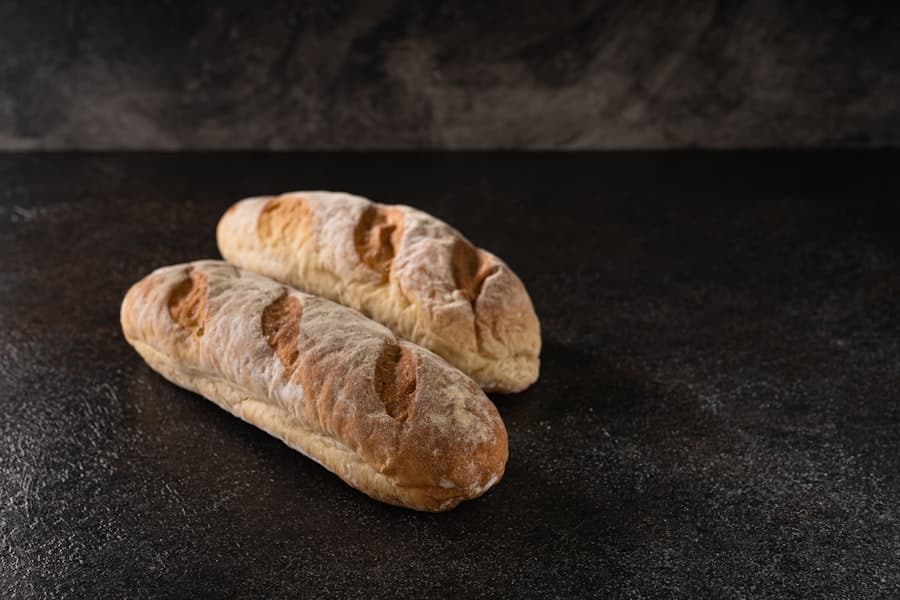
Making gluten-free keto bread at home can be a rewarding experience that allows you to customize flavors and textures to your liking. The process typically begins with selecting your base flour, such as almond or coconut flour, which will serve as the foundation for your bread. You’ll also need binding agents like eggs or psyllium husk to help hold the ingredients together and create a cohesive loaf.
To start, preheat your oven and prepare a baking pan by greasing it or lining it with parchment paper. In a mixing bowl, combine your chosen flour with baking powder, salt, and any additional seasonings you desire. Next, whisk together the wet ingredients, including eggs and any fats like melted butter or coconut oil.
Combine the wet and dry ingredients until you achieve a smooth batter, then pour it into your prepared pan. Bake until golden brown and firm to the touch, allowing it to cool before slicing.
The Best Ingredients for Gluten-free Keto Bread
When it comes to crafting gluten-free keto bread, the choice of ingredients plays a crucial role in achieving the desired flavor and texture. Almond flour is often favored for its nutty taste and low carbohydrate content, making it an excellent base for many recipes. Coconut flour is another popular option; however, it absorbs more moisture than almond flour, so adjustments in liquid ingredients may be necessary when using it.
In addition to the flours, incorporating healthy fats such as olive oil or melted butter can enhance the richness of your bread while keeping it moist. Eggs are essential not only for binding but also for adding protein and structure to the loaf. For those looking to add extra fiber or nutritional benefits, consider including seeds like chia or flaxseeds.
These ingredients not only contribute to the overall health profile of your bread but also add texture and flavor.
Tips for Baking Gluten-free Keto Bread
Baking gluten-free keto bread can present unique challenges compared to traditional bread-making methods. One key tip is to ensure that you measure your ingredients accurately; using too much flour can lead to a dense loaf that lacks the desired rise. It’s often beneficial to use a kitchen scale for precise measurements, especially when working with alternative flours.
Another important consideration is the baking time and temperature. Gluten-free breads may require different baking times than their gluten-containing counterparts. Keep an eye on your loaf as it bakes; it should be golden brown on top and firm when gently pressed.
Allowing the bread to cool completely before slicing is crucial as it helps set the structure and prevents crumbling. Experimenting with different recipes will also help you discover what works best for your taste preferences.
Gluten-free Keto Bread Recipes to Try
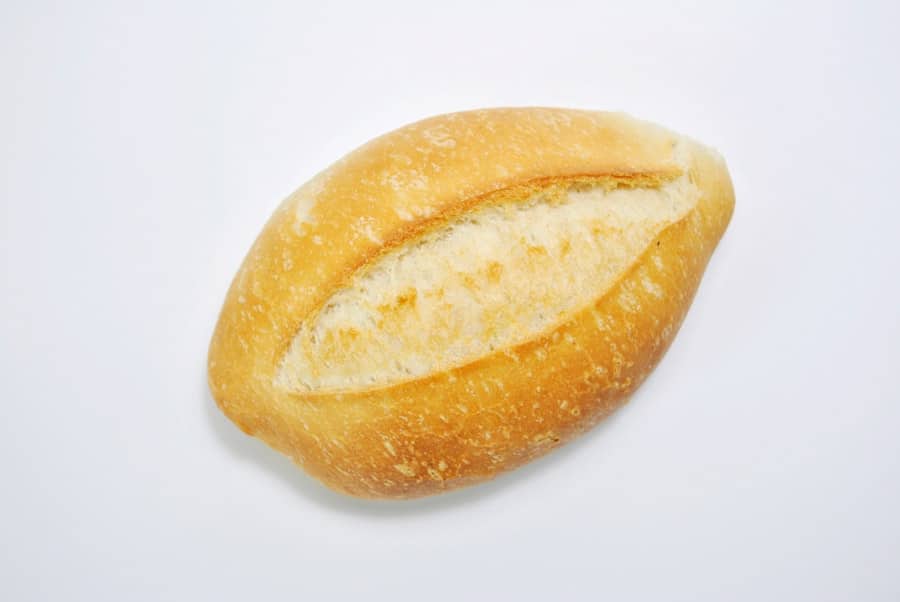
If you’re eager to dive into the world of gluten-free keto baking, there are numerous recipes available that cater to various tastes and preferences. One popular option is almond flour bread, which combines almond flour with eggs, baking powder, and seasonings for a simple yet satisfying loaf. This recipe is versatile enough to be enjoyed plain or toasted with your favorite toppings.
Another delightful recipe is coconut flour bread, which offers a slightly sweeter flavor profile due to the natural sweetness of coconut. This recipe typically requires fewer eggs than almond flour bread due to coconut flour’s unique properties. For those who enjoy a savory twist, consider making garlic herb keto bread by adding minced garlic and fresh herbs into the batter before baking.
Each of these recipes provides an opportunity to explore different flavors while adhering to your dietary needs.
Where to Buy Gluten-free Keto Bread
For those who prefer convenience or may not have the time to bake at home, gluten-free keto bread is increasingly available in stores and online. Many health food stores now carry a variety of gluten-free products, including pre-packaged keto breads made from alternative flours. When shopping for these products, be sure to read labels carefully to ensure they meet both gluten-free and low-carb criteria.
Online retailers also offer an extensive selection of gluten-free keto breads from various brands. This option allows you to explore different flavors and styles without leaving your home. Additionally, some local bakeries specialize in gluten-free options and may offer freshly baked keto breads that cater to your dietary preferences.
Exploring these avenues can help you find delicious options that fit seamlessly into your lifestyle.
How to Store Gluten-free Keto Bread
Proper storage is essential for maintaining the freshness and quality of your gluten-free keto bread. If you’ve baked a loaf at home, allow it to cool completely before storing it in an airtight container at room temperature for up to three days. If you anticipate not consuming it within that timeframe, consider freezing portions for later use.
To freeze your gluten-free keto bread, slice it into individual pieces and wrap each slice tightly in plastic wrap or aluminum foil before placing them in a freezer-safe bag or container. This method allows you to take out only what you need without defrosting the entire loaf. When you’re ready to enjoy a slice, simply toast it directly from frozen or let it thaw at room temperature.
Gluten-free Keto Bread for Weight Loss
Incorporating gluten-free keto bread into your diet can be an effective strategy for weight loss when combined with other healthy eating habits. By replacing traditional high-carb breads with low-carb alternatives, you can reduce your overall carbohydrate intake while still enjoying satisfying meals. This shift can help stabilize blood sugar levels and reduce cravings for unhealthy snacks.
Moreover, gluten-free keto bread often contains higher amounts of healthy fats and protein compared to conventional bread options. These macronutrients promote feelings of fullness and satiety, making it easier for you to stick to your dietary goals without feeling deprived. As part of a balanced diet that includes plenty of vegetables and healthy fats, gluten-free keto bread can support your weight loss journey effectively.
Gluten-free Keto Bread for a Low-Carb Lifestyle
For those embracing a low-carb lifestyle, gluten-free keto bread serves as an excellent alternative that aligns with dietary goals while still allowing for enjoyable meals. Whether you’re following a strict ketogenic diet or simply aiming to reduce carbohydrate intake, this type of bread provides versatility without compromising on taste or texture. You can use gluten-free keto bread in various ways—enjoying it as toast with avocado for breakfast, making sandwiches filled with lean proteins and vegetables for lunch, or serving it alongside soups and salads at dinner.
The adaptability of gluten-free keto bread means you can incorporate it into nearly any meal while staying true to your low-carb lifestyle.
The Future of Gluten-free Keto Bread
As dietary preferences continue to evolve and more people seek out gluten-free and low-carb options, the future of gluten-free keto bread looks promising. Innovations in food technology are likely to lead to even more diverse products that cater to these needs while maintaining great taste and texture. Expect to see new brands emerging with unique recipes that incorporate superfoods or alternative ingredients designed to enhance nutritional value.
Additionally, as awareness grows about the benefits of low-carb diets combined with gluten-free options, more restaurants and cafes may begin offering gluten-free keto bread on their menus. This trend could make it easier than ever for individuals following these diets to enjoy dining out without feeling limited in their choices. Overall, the future holds exciting possibilities for those who love gluten-free keto bread as part of their culinary journey.
FAQs
What is gluten-free keto bread?
Gluten-free keto bread is a type of bread that is made without gluten-containing ingredients and is also low in carbohydrates to fit into a ketogenic diet. It is typically made with alternative flours such as almond flour, coconut flour, or flaxseed meal.
Is gluten-free keto bread suitable for people with gluten intolerance or celiac disease?
Yes, gluten-free keto bread is suitable for people with gluten intolerance or celiac disease as it does not contain any gluten-containing ingredients. It provides a bread option for those who need to avoid gluten due to health reasons.
What are the benefits of gluten-free keto bread?
Gluten-free keto bread allows individuals following a ketogenic diet to enjoy a bread-like product while still maintaining their low-carb, high-fat dietary goals. It also provides a bread option for those who need to avoid gluten, without sacrificing their dietary preferences.
How is gluten-free keto bread different from traditional bread?
Gluten-free keto bread differs from traditional bread in that it is made without gluten-containing ingredients and is low in carbohydrates to fit into a ketogenic diet. It is typically denser and has a different texture and flavor compared to traditional bread.
Can I make gluten-free keto bread at home?
Yes, gluten-free keto bread can be made at home using alternative flours such as almond flour, coconut flour, or flaxseed meal, along with other keto-friendly ingredients such as eggs, butter, and baking powder. There are many recipes available for homemade gluten-free keto bread.





