The gluten-free keto diet combines two popular dietary approaches: the gluten-free diet and the ketogenic diet. If you’re unfamiliar with these terms, the gluten-free diet eliminates gluten, a protein found in wheat, barley, and rye, which can cause adverse reactions in individuals with celiac disease or gluten sensitivity. On the other hand, the ketogenic diet focuses on drastically reducing carbohydrate intake while increasing fat consumption, leading your body into a state of ketosis.
In this state, your body becomes efficient at burning fat for energy instead of carbohydrates. By merging these two diets, you can enjoy the benefits of both while avoiding gluten-related health issues. This means you’ll be consuming low-carb, high-fat foods that are also free from gluten.
As you embark on this journey, it’s essential to understand how these dietary restrictions work together to promote overall health and well-being. You’ll find that this combination can help you achieve weight loss goals, improve energy levels, and enhance mental clarity.
Key Takeaways
- The gluten-free keto diet combines the principles of a gluten-free diet with the low-carb, high-fat ketogenic diet.
- Going gluten-free and keto can lead to improved digestion, increased energy levels, and better blood sugar control.
- To start a gluten-free keto diet, focus on consuming low-carb, gluten-free foods such as meat, fish, eggs, non-starchy vegetables, and healthy fats.
- Essential foods to include in a gluten-free keto diet are avocados, coconut oil, nuts and seeds, leafy greens, and low-carb vegetables.
- A sample gluten-free keto meal plan may include a breakfast of scrambled eggs with spinach, a lunch of grilled chicken salad, and a dinner of salmon with roasted vegetables.
The Benefits of Going Gluten-Free and Keto
Adopting a gluten-free keto diet can offer numerous benefits that extend beyond weight loss. One of the most significant advantages is the potential for improved digestive health. Many people experience bloating, gas, and other gastrointestinal issues when consuming gluten.
By eliminating gluten from your diet, you may notice a reduction in these uncomfortable symptoms, leading to a more pleasant eating experience. Additionally, the ketogenic aspect of this diet can help stabilize blood sugar levels. When you reduce carbohydrate intake, your body relies on fat for energy, which can lead to more consistent energy levels throughout the day.
This stability can help you avoid the energy crashes often associated with high-carb diets. Furthermore, many individuals report enhanced mental clarity and focus when following a ketogenic lifestyle, making it easier to tackle daily tasks and responsibilities.
How to Start a Gluten-Free Keto Diet

Starting a gluten-free keto diet requires careful planning and preparation. First, it’s crucial to educate yourself about which foods are allowed and which should be avoided. Begin by eliminating all sources of gluten from your pantry and refrigerator.
This includes bread, pasta, cereals, and many processed foods that may contain hidden gluten ingredients. Instead, focus on whole foods that are naturally gluten-free and low in carbohydrates. Next, familiarize yourself with the macronutrient ratios typical of a ketogenic diet.
Generally, you’ll want to aim for a daily intake of about 70-75% fats, 20-25% protein, and only 5-10% carbohydrates. This may require you to track your food intake initially to ensure you’re meeting these ratios. You can use various apps or journals to help monitor your progress and make adjustments as needed.
Essential Foods to Include in a Gluten-Free Keto Diet
When embarking on a gluten-free keto diet, it’s essential to stock your kitchen with the right foods. Focus on incorporating healthy fats such as avocados, olive oil, coconut oil, and nuts into your meals. These fats will not only help you reach your macronutrient goals but also keep you feeling satiated throughout the day.
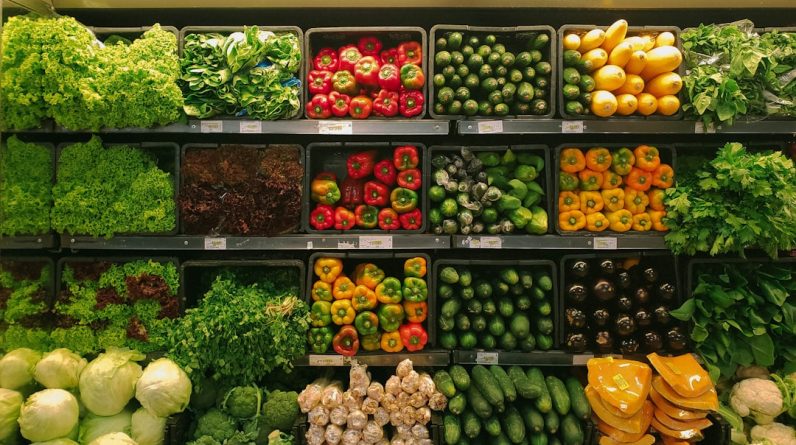
In addition to healthy fats, include plenty of low-carb vegetables like leafy greens, broccoli, cauliflower, and zucchini. These vegetables are not only nutrient-dense but also provide fiber that aids in digestion. Protein sources should also be prioritized; consider options like grass-fed meats, poultry, fish, eggs, and dairy products like cheese and Greek yogurt.
By filling your plate with these foods, you’ll create satisfying meals that align with both gluten-free and ketogenic principles.
Sample Gluten-Free Keto Meal Plan
Creating a meal plan can simplify your transition into a gluten-free keto lifestyle. For breakfast, consider starting your day with scrambled eggs cooked in butter and served with sautéed spinach and avocado slices. This meal is rich in healthy fats and protein while being low in carbohydrates.
For lunch, a salad made with mixed greens topped with grilled chicken, cherry tomatoes, cucumbers, olives, and a drizzle of olive oil makes for a refreshing option. As for dinner, try baked salmon served with roasted asparagus and a side of cauliflower rice for a deliciously satisfying meal. Don’t forget to include snacks like cheese sticks or a handful of nuts to keep hunger at bay between meals.
Tips for Success on a Gluten-Free Keto Diet

Meal Prep for Success
By preparing meals in advance, you’ll have healthy options readily available when hunger strikes. This can help prevent impulsive eating choices that may not align with your dietary goals.
Read Labels Carefully
When shopping for packaged foods, it’s essential to read labels carefully. Many products may claim to be gluten-free but still contain hidden sugars or high-carb ingredients that could disrupt your ketogenic state.
Know Your Ingredients
Familiarizing yourself with common gluten-containing ingredients will empower you to make informed choices while grocery shopping. This knowledge will help you navigate the aisles with confidence and ensure that you’re staying on track with your gluten-free keto diet.
Possible Challenges and How to Overcome Them
While transitioning to a gluten-free keto diet can be rewarding, it’s not without its challenges. One common hurdle is social situations where food is involved—such as parties or dining out—where gluten-containing options are prevalent. To navigate these situations successfully, consider eating beforehand or bringing your own gluten-free keto-friendly dish to share.
Another challenge may arise from cravings for high-carb foods that you’ve eliminated from your diet. To combat this, focus on finding satisfying alternatives that align with your dietary restrictions. For instance, if you miss pasta, try spiralized zucchini or shirataki noodles as substitutes.
Experimenting with new recipes can also keep your meals exciting and help curb cravings.
The Link Between Gluten-Free Keto Diet and Weight Loss
The gluten-free keto diet has gained popularity as an effective weight loss strategy for many individuals. By significantly reducing carbohydrate intake and increasing fat consumption, your body shifts into ketosis—a metabolic state where fat is burned for fuel instead of glucose. This process can lead to rapid weight loss as your body taps into its fat stores for energy.
Moreover, the satiating nature of high-fat foods can help control hunger levels and reduce overall calorie intake. When you feel full and satisfied after meals, you’re less likely to snack mindlessly or overeat later in the day. As you continue on this journey, you may find that weight loss becomes more manageable as you embrace this new way of eating.
Health Considerations for a Gluten-Free Keto Diet
While there are numerous benefits associated with a gluten-free keto diet, it’s essential to consider potential health implications as well. For instance, some individuals may experience nutrient deficiencies if they do not carefully plan their meals to include a variety of foods. It’s crucial to ensure that you’re getting enough vitamins and minerals from your food choices.
Additionally, if you have underlying health conditions or are taking medications that affect blood sugar levels or metabolism, it’s wise to consult with a healthcare professional before making significant dietary changes. They can provide personalized guidance based on your unique health needs and help monitor your progress as you embark on this new dietary path.
Recipes for Gluten-Free Keto Meals and Snacks
To keep your meals exciting while adhering to a gluten-free keto diet, consider trying out some delicious recipes that fit within these guidelines. For breakfast, a chia seed pudding made with unsweetened almond milk and topped with berries can be both nutritious and satisfying. For lunch or dinner, consider preparing zucchini lasagna by layering thinly sliced zucchini with ground beef or turkey and marinara sauce (ensure it’s sugar-free).
Top it off with mozzarella cheese for a comforting dish that feels indulgent without compromising your dietary goals. For snacks, whip up some homemade guacamole served with cucumber slices or make cheese crisps by baking shredded cheese until crispy.
Resources for Gluten-Free Keto Diet PDFs and Guides
As you navigate the world of the gluten-free keto diet, having access to reliable resources can be invaluable. Look for PDFs and guides that outline meal plans, grocery lists, and recipes tailored specifically for this dietary approach. Many websites dedicated to health and nutrition offer free downloadable resources that can serve as helpful tools during your journey.
Additionally, consider joining online communities or forums where individuals share their experiences and tips related to the gluten-free keto lifestyle. Engaging with others who are on similar paths can provide motivation and support as you work towards achieving your health goals. In conclusion, embarking on a gluten-free keto diet can be an empowering choice that promotes better health while accommodating specific dietary needs.
By understanding the principles behind this approach and equipping yourself with knowledge and resources, you’ll be well-prepared to thrive on this journey toward improved well-being.
FAQs
What is a gluten-free keto diet?
A gluten-free keto diet is a low-carb, high-fat diet that eliminates gluten-containing foods. It focuses on consuming healthy fats, moderate amounts of protein, and very few carbohydrates, while also avoiding gluten-containing grains such as wheat, barley, and rye.
What are the benefits of a gluten-free keto diet?
Some potential benefits of a gluten-free keto diet include weight loss, improved blood sugar control, increased energy levels, and reduced inflammation. It may also be beneficial for individuals with celiac disease or gluten sensitivity.
What foods are allowed on a gluten-free keto diet?
Foods allowed on a gluten-free keto diet include healthy fats such as avocados, olive oil, and coconut oil, as well as low-carb vegetables, nuts and seeds, and high-quality sources of protein such as fish, poultry, and tofu. Gluten-free grains such as quinoa and rice may also be included in moderation.
What foods should be avoided on a gluten-free keto diet?
Foods to avoid on a gluten-free keto diet include gluten-containing grains such as wheat, barley, and rye, as well as processed foods that may contain hidden sources of gluten. Additionally, high-carb foods such as sugary snacks, starchy vegetables, and most fruits should be limited.
Is it necessary to follow a gluten-free keto diet strictly?
For individuals with celiac disease or gluten sensitivity, following a strict gluten-free keto diet is necessary to avoid adverse health effects. However, for those without gluten-related issues, the strictness of the diet may vary based on individual tolerance and health goals. It’s important to consult with a healthcare professional before making significant dietary changes.