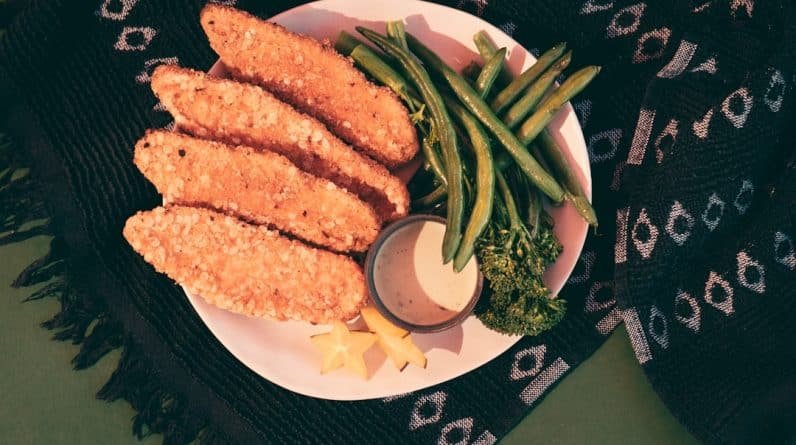
The Grain-free Keto Diet is a specialized version of the traditional ketogenic diet that eliminates all grains, including wheat, rice, corn, and oats. This approach focuses on high-fat, moderate-protein, and very low-carbohydrate intake, aiming to shift your body into a state of ketosis. In ketosis, your body becomes efficient at burning fat for energy instead of relying on carbohydrates.
By removing grains, you not only reduce your carbohydrate intake but also eliminate potential allergens and inflammatory agents that can be present in these foods. This diet is particularly appealing to those who may have sensitivities to gluten or other components found in grains. By focusing on whole, unprocessed foods, you can create a nutrient-dense eating plan that supports overall health while still adhering to the principles of the ketogenic diet.
The grain-free aspect allows you to explore a variety of alternative ingredients that can provide the necessary nutrients without the drawbacks associated with grains.
Key Takeaways
- The grain-free keto diet is a low-carb, high-fat diet that eliminates grains and focuses on consuming healthy fats, moderate protein, and low-carb vegetables.
- The ketogenic diet aims to put the body in a state of ketosis, where it burns fat for fuel instead of carbohydrates, leading to weight loss and other health benefits.
- Benefits of a grain-free keto diet may include weight loss, improved blood sugar control, increased energy levels, and reduced inflammation.
- Potential drawbacks of a grain-free keto diet may include nutrient deficiencies, constipation, and difficulty maintaining the diet long-term.
- Foods to eat on a grain-free keto diet include healthy fats like avocados and olive oil, low-carb vegetables, and high-quality proteins like grass-fed meat and wild-caught fish.
Understanding the Ketogenic Diet
To fully grasp the concept of a Grain-free Keto Diet, it’s essential to understand the foundational principles of the ketogenic diet itself. The ketogenic diet is characterized by a significant reduction in carbohydrate intake, typically to about 5-10% of your total daily calories. This drastic decrease in carbs forces your body to enter ketosis, where it begins to burn fat for fuel instead of glucose derived from carbohydrates.
The primary goal is to shift your metabolism into a state that favors fat utilization, which can lead to weight loss and improved energy levels. In addition to weight loss, many people turn to the ketogenic diet for its potential health benefits. Research suggests that it may help manage conditions such as epilepsy, type 2 diabetes, and even certain neurological disorders.
By understanding how your body reacts to different macronutrient ratios, you can tailor your diet to meet your specific health goals while enjoying a variety of delicious foods.
Benefits of a Grain-free Keto Diet

One of the most significant benefits of adopting a Grain-free Keto Diet is the potential for weight loss. By eliminating grains and focusing on high-fat foods, you may find it easier to control your appetite and reduce cravings. Healthy fats can be satiating, helping you feel full longer and reducing the likelihood of overeating.
This can lead to a natural reduction in calorie intake without the need for strict calorie counting. Another advantage is the reduction of inflammation in the body. Many grains contain anti-nutrients and gluten, which can trigger inflammatory responses in some individuals.
By removing these foods from your diet, you may experience improved digestion, reduced bloating, and enhanced overall well-being. Additionally, the Grain-free Keto Diet encourages the consumption of nutrient-dense foods such as avocados, nuts, seeds, and leafy greens, which can provide essential vitamins and minerals that support optimal health.
Potential Drawbacks of a Grain-free Keto Diet
While there are numerous benefits associated with a Grain-free Keto Diet, it’s important to consider potential drawbacks as well. One common challenge is the initial adjustment period known as the “keto flu.” As your body transitions from burning carbohydrates to burning fat for fuel, you may experience symptoms such as fatigue, headaches, irritability, and digestive issues. This phase can be uncomfortable but typically lasts only a few days to a week.
Another concern is the risk of nutrient deficiencies. By eliminating grains, you may inadvertently cut out certain vitamins and minerals that are commonly found in whole grains. It’s crucial to ensure that you are still getting a balanced intake of nutrients from other sources.
Incorporating a variety of vegetables, healthy fats, and protein sources can help mitigate this risk and ensure that your diet remains well-rounded.
Foods to Eat on a Grain-free Keto Diet
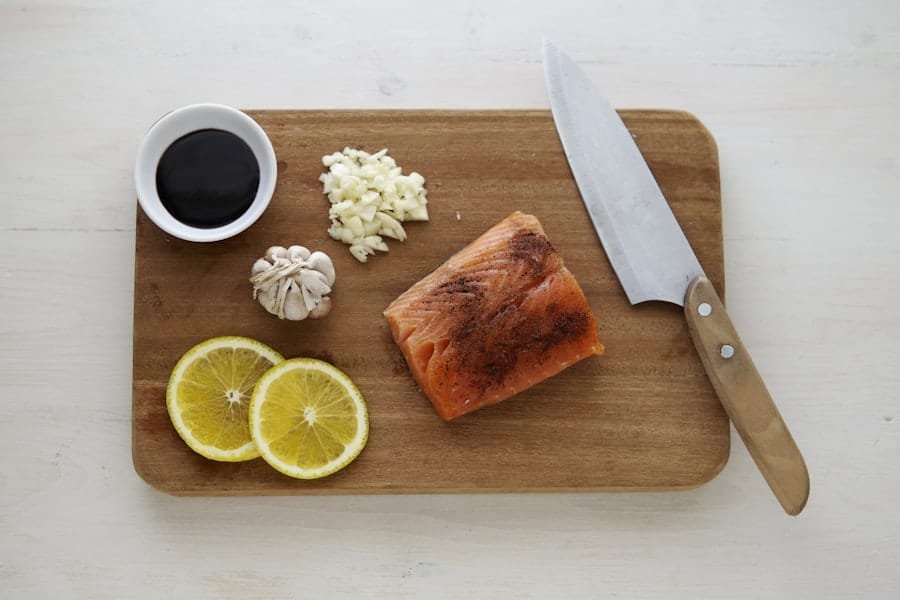
When following a Grain-free Keto Diet, you’ll want to focus on whole foods that align with both ketogenic principles and grain-free guidelines. Healthy fats should be at the forefront of your meals; think avocados, olive oil, coconut oil, and grass-fed butter. These fats not only provide energy but also support cellular health and hormone production.
Protein sources are equally important. You can enjoy meats like chicken, beef, pork, and fish while also incorporating eggs and dairy products like cheese and yogurt (if tolerated). Non-starchy vegetables such as spinach, kale, broccoli, and cauliflower are excellent choices for adding fiber and essential nutrients without significantly increasing your carbohydrate intake.
Nuts and seeds can also be included in moderation for added healthy fats and protein.
Foods to Avoid on a Grain-free Keto Diet
To successfully adhere to a Grain-free Keto Diet, it’s essential to avoid certain foods that can hinder your progress or disrupt ketosis. The most obvious culprits are all grains—this includes not only bread and pasta but also rice, quinoa, barley, and oats. Even whole grains that are often considered healthy should be eliminated during this dietary phase.
Additionally, you should steer clear of sugary foods and beverages that can spike your blood sugar levels. This includes candies, pastries, soda, and even fruit juices. Processed foods often contain hidden sugars and unhealthy fats that can derail your efforts as well.
Instead of reaching for convenience items, focus on preparing meals from scratch using whole ingredients that align with your dietary goals.
Meal Planning and Recipes for a Grain-free Keto Diet
Meal planning is an invaluable tool when embarking on a Grain-free Keto Diet. By preparing meals in advance, you can ensure that you have compliant options readily available and reduce the temptation to stray from your dietary goals. Start by creating a weekly menu that includes breakfast, lunch, dinner, and snacks.
For breakfast, consider options like scrambled eggs cooked in coconut oil with spinach or a smoothie made with avocado and unsweetened almond milk. For lunch or dinner, grilled chicken served with roasted vegetables drizzled in olive oil makes for a satisfying meal. Snacks could include celery sticks with almond butter or cheese slices paired with olives.
There are countless recipes available online that cater specifically to grain-free keto eating; exploring these can keep your meals exciting and varied.
Tips for Success on a Grain-free Keto Diet
To thrive on a Grain-free Keto Diet, it’s essential to set yourself up for success with practical strategies. First and foremost, educate yourself about food labels and ingredient lists; this knowledge will empower you to make informed choices when shopping or dining out. Keeping healthy snacks on hand can also help curb cravings when hunger strikes unexpectedly.
Another tip is to stay hydrated; drinking plenty of water can help alleviate some symptoms associated with the initial transition into ketosis. Additionally, consider tracking your food intake using an app or journal to monitor your macronutrient ratios effectively. This practice can help you stay accountable while ensuring you’re meeting your dietary goals.
Incorporating Exercise with a Grain-free Keto Diet
Exercise plays a crucial role in enhancing the benefits of a Grain-free Keto Diet. Engaging in regular physical activity not only supports weight loss but also improves overall health by boosting cardiovascular fitness and building muscle strength. When combined with a ketogenic approach, exercise can help accelerate fat loss while preserving lean muscle mass.
It’s important to listen to your body during this process; some individuals may find they have less energy during the initial stages of ketosis. Opt for low-intensity workouts like walking or yoga until you feel more adapted to burning fat for fuel. As you progress on your diet and become more accustomed to ketosis, you may find that you have increased stamina for higher-intensity workouts.
Potential Health Risks of a Grain-free Keto Diet
While many people experience positive outcomes from a Grain-free Keto Diet, it’s essential to be aware of potential health risks associated with this eating pattern. One concern is the possibility of developing disordered eating habits due to strict dietary restrictions. It’s crucial to maintain a balanced perspective on food and avoid becoming overly fixated on macronutrient ratios.
Additionally, some individuals may experience gastrointestinal issues such as constipation or diarrhea when transitioning to a low-carb diet due to changes in fiber intake. To mitigate these risks, focus on incorporating plenty of non-starchy vegetables into your meals while staying mindful of portion sizes.
Consulting with a Healthcare Professional before Starting a Grain-free Keto Diet
Before embarking on any significant dietary change like the Grain-free Keto Diet, it’s wise to consult with a healthcare professional or registered dietitian. They can provide personalized guidance based on your individual health needs and goals while helping you navigate potential challenges associated with this eating pattern. A healthcare professional can also assist in monitoring any underlying health conditions that may be affected by dietary changes.
They can help ensure that you’re meeting your nutritional needs while minimizing risks associated with restrictive eating patterns. Ultimately, having professional support can enhance your chances of success while promoting long-term health and well-being on your journey toward adopting a Grain-free Keto Diet.
FAQs
What is a grain-free keto diet?
A grain-free keto diet is a low-carbohydrate, high-fat diet that eliminates grains such as wheat, rice, and corn. It focuses on consuming healthy fats, moderate amounts of protein, and very few carbohydrates to achieve a state of ketosis.
What foods are allowed on a grain-free keto diet?
Foods allowed on a grain-free keto diet include meat, fish, eggs, non-starchy vegetables, nuts, seeds, healthy oils, and dairy products. These foods are low in carbohydrates and high in healthy fats, making them suitable for a ketogenic diet.
What are the potential benefits of a grain-free keto diet?
Some potential benefits of a grain-free keto diet may include weight loss, improved blood sugar control, increased energy levels, and reduced inflammation. It may also be beneficial for individuals with certain medical conditions such as epilepsy and metabolic syndrome.
Are there any potential risks or drawbacks to a grain-free keto diet?
Some potential risks or drawbacks of a grain-free keto diet may include nutrient deficiencies, constipation, and difficulty maintaining the diet long-term. It may also not be suitable for everyone, especially those with certain medical conditions or dietary restrictions.
Is a grain-free keto diet suitable for everyone?
A grain-free keto diet may not be suitable for everyone, especially those with certain medical conditions, dietary restrictions, or individuals who are pregnant or breastfeeding. It is important to consult with a healthcare professional before starting any new diet or making significant dietary changes.