What if you could significantly improve your mental health with the food you eat? It might sound too good to be true, but there’s increasing evidence that the ketogenic diet can play a crucial role in your overall well-being. Let’s break down how this low-carb, high-fat diet can impact your mood, cognition, and emotional stability.

Understanding the Ketogenic Diet
The ketogenic diet, commonly known as keto, is a low-carbohydrate, high-fat diet that has gained popularity not only for weight loss but also for various health benefits. At its core, the ketogenic diet aims to shift your body into a state called ketosis.
What is Ketosis?
Ketosis is a metabolic state in which your body burns fat for fuel instead of carbohydrates. Normally, your body relies on glucose (sugar) from carbohydrates for energy, but when carbs are restricted, it begins to break down fat into molecules called ketones. These ketones then serve as an alternative source of energy.
Key Components of the Ketogenic Diet
To engage in a ketogenic diet, you’ll want to focus on the following:
- Low Carbohydrates: Typically around 20-50 grams of carbs per day.
- High Healthy Fats: About 70-80% of your daily caloric intake should come from fats.
- Moderate Protein: Around 20-25% of your calories should come from protein.
Here’s a simple breakdown of the macronutrient distribution in the keto diet:
| Macronutrient | Percentage of Daily Intake |
|---|---|
| Carbohydrates | 5-10% |
| Fats | 70-80% |
| Proteins | 15-25% |
The Connection Between Diet and Mental Health
You might wonder how a change in your dietary habits could influence your mind. The connection between what you eat and your mental state is profound. Nutritional psychiatry is a field emerging to explore how food affects mood, anxiety, depression, and even cognitive function.
Nutritional Psychiatry
This approach focuses on the relationship between food and mental health. It emphasizes consuming a balanced diet rich in nutrients that are known to support brain health.
How the Keto Diet Supports Mental Health
Research suggests that the ketogenic diet may provide several benefits for mental health:
- Reduced Inflammation: A ketogenic diet can lower inflammation in the body, which is linked to various mental health issues.
- Stabilized Blood Sugar Levels: By eliminating sugar spikes and crashes, the keto diet may help stabilize mood and energy levels.
- Enhanced Brain Function: Ketones are a more efficient source of energy for the brain than glucose, which may enhance cognitive function.

Benefits of the Ketogenic Diet for Mental Health
Let’s discuss how various facets of the ketogenic diet can specifically benefit your mental health.
1. Mood Stabilization
Many individuals experience mood swings due to fluctuating blood sugar levels. By limiting carbohydrate intake and focusing on healthy fats, you can promote stable energy levels. This stability can help maintain a more balanced mood.
2. Reduced Anxiety and Depression Symptoms
Some studies indicate that following a ketogenic diet may lead to reductions in symptoms of anxiety and depression. This could be due to the diet’s impact on neurotransmitter balance and inflammation reduction.
3. Improved Cognitive Function
The brain thrives on glucose, but research shows that it can function even better on ketones. Many people report enhanced focus, clearer thinking, and better memory when they are in a state of ketosis.
4. Neuroprotective Properties
Ketogenic diets are being researched for their neuroprotective effects, potentially reducing the risk of neurological disorders such as Alzheimer’s and Parkinson’s. This could have significant implications for mental health as well.
5. Stress Reduction
Certain foods that are staples in a ketogenic diet, such as omega-3 fatty acids from fish, have been shown to reduce stress levels. When the body is less stressed, the mind tends to follow suit.
Implementing the Ketogenic Diet for Mental Wellness
Transitioning to a ketogenic diet can be a rewarding journey for your mental health. However, it’s essential to approach it thoughtfully. Here are some tips to get you started.
Start Slowly
If you’re used to consuming a high-carb diet, jumping into ketosis overnight might be challenging. Gradually reduce your carbohydrate intake over time to allow your body to adjust.
Focus on Whole Foods
Opt for whole, unprocessed foods whenever possible. This includes:
- Leafy greens
- Eggs
- Avocado
- Nuts and seeds
- Lean meats
- Fatty fish
- Full-fat dairy
Stay Hydrated
Transitioning to a ketogenic diet can lead to a decrease in hydration. Drinking plenty of water is vital for maintaining energy levels and mental clarity.
Monitor Your Macronutrients
Use apps or food logs to keep track of your macronutrient intake. This can help ensure you remain within your desired ranges for carbohydrates, fats, and proteins.
Pay Attention to Your Body
Listen to how your body feels during the transition. If you experience fatigue, headaches, or other discomforts, it could be part of the adjustment period. Ensuring you’re consuming adequate electrolytes can help alleviate some of these symptoms.
Potential Challenges and Considerations
Shifting to a ketogenic diet can be beneficial, but it also comes with potential challenges that you should be aware of.
The Keto Flu
As your body transitions to burning fat for fuel, you might experience symptoms known collectively as the “keto flu.” These symptoms can include headaches, fatigue, and irritability. Staying hydrated and increasing your intake of electrolytes can help mitigate these effects.
Nutrient Deficiencies
Limiting carbohydrate sources may lead to deficiencies in certain nutrients. Focus on eating a wide variety of foods and consider a multivitamin if you’re concerned about missing out on essential nutrients.
Individual Variability
Keep in mind that everyone’s body responds differently to dietary changes. What works for someone else may not be the best fit for you. Stay attuned to your needs and adjust accordingly.
Foods That Support the Ketogenic Diet for Better Mental Health
Incorporating specific foods into your ketogenic diet can further enhance its mental health benefits. Here are some to consider.
Omega-3 Fatty Acids
Foods rich in omega-3s include:
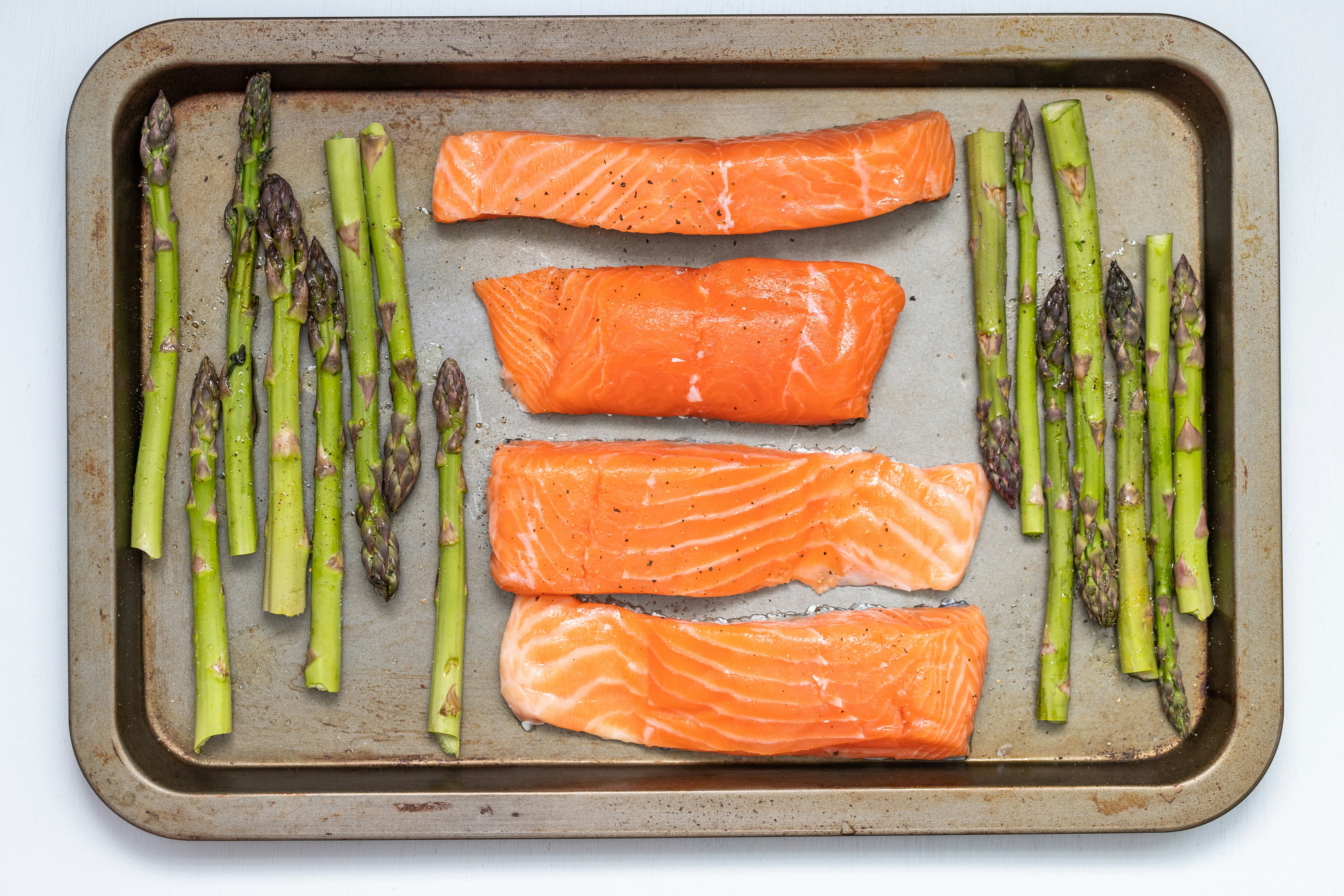
- Fatty fish (salmon, mackerel, sardines)
- Chia seeds
- Walnuts
- Flaxseeds
These healthy fats are crucial for brain health and can help reduce depression and anxiety.
Leafy Greens
A wide variety of leafy greens, such as spinach, kale, and broccoli, are low in carbs while packed with vitamins and minerals. They are also rich in antioxidants, which protect your brain from oxidative stress.
Berries
Though you’ll limit your carb intake, small portions of berries, such as blueberries and strawberries, can boast significant health benefits without adversely affecting your ketosis. They are high in antioxidants and may improve mood.
Avocado
This nutrient-dense fruit is an excellent source of healthy fats, fiber, and essential nutrients. The monounsaturated fats can support heart health and help stabilize your mood.
Nuts and Seeds
Nuts and seeds provide healthy fats and protein, making them great snacks. However, be mindful of portion sizes, as nuts can be higher in calories.

Real-Life Experiences and Testimonials
Reading about others’ experiences can often illuminate your journey. Many individuals following the ketogenic diet have shared their positive experiences regarding mental health improvements.
Case Study 1: Sarah’s Journey
Sarah, a busy professional, struggled with anxiety and mood swings. After adopting a ketogenic diet, she noticed a significant reduction in her anxiety levels and felt more in control of her emotions. She credits the increase in healthy fats and the absence of refined sugars for her newfound mental clarity.
Case Study 2: John’s Transformation
John has struggled with depression for years. After researching dietary changes, he decided to give the ketogenic diet a try. He reported an increase in energy, improved mood, and overall better mental health. John believes the stability brought about by the keto diet has changed his life.
Conclusion
Making dietary changes is a personal journey, especially when it comes to your mental health. The ketogenic diet presents an intriguing approach that may help some individuals find relief from anxiety, depression, and cognitive issues.
If you’re considering this diet for your mental wellness, take it step by step, listen to your body, and embrace a variety of nutrient-rich foods. Remember that what works for one person may not work for another, and always consult with a healthcare professional or a registered dietitian before making significant changes to your diet.
With the right approach, you can allow the power of the ketogenic diet to support your mental health, making you feel better both physically and emotionally. Your mind and body can achieve great things when nourished properly.