The ketogenic diet, commonly referred to as the keto diet, has gained immense popularity in recent years as a weight-loss strategy and a means to improve overall health. At its core, the keto diet is a high-fat, low-carbohydrate eating plan that aims to shift your body’s metabolism from burning carbohydrates for energy to utilizing fats. By drastically reducing your carbohydrate intake and replacing it with healthy fats, your body enters a state known as ketosis.
In this metabolic state, your liver converts fats into ketones, which serve as an alternative energy source for your brain and body. As you embark on this dietary journey, you may find that the initial phase can be both exciting and challenging. Many people report rapid weight loss and increased energy levels after transitioning to the keto diet.
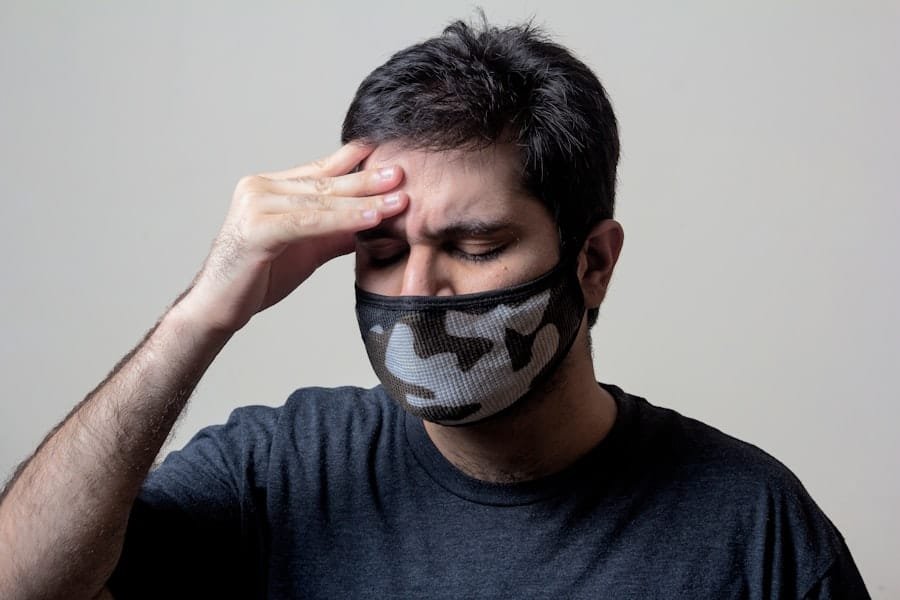
However, it’s essential to understand that this shift can also come with some side effects, particularly in the early stages. One common complaint among those new to the keto lifestyle is experiencing headaches. Understanding the underlying reasons for these headaches can help you navigate your keto journey more effectively and enjoy the benefits of this unique dietary approach.
Key Takeaways
- The keto diet is a high-fat, low-carbohydrate eating plan that aims to put the body into a state of ketosis, where it burns fat for fuel instead of carbohydrates.
- Potential causes of headaches on the keto diet include dehydration, electrolyte imbalance, low blood sugar, caffeine withdrawal, and nutrient deficiencies.
- Dehydration and electrolyte imbalance can occur on the keto diet due to increased urination and reduced water retention.
- Low blood sugar and hypoglycemia may result from the body’s adjustment to using fat for fuel instead of carbohydrates.
- Caffeine withdrawal can lead to headaches for individuals who are used to consuming high amounts of caffeine and suddenly reduce their intake on the keto diet.
- Nutrient deficiencies, particularly in magnesium, potassium, and sodium, can contribute to headaches on the keto diet.
- Tips for preventing headaches on the keto diet include staying hydrated, consuming electrolytes, monitoring blood sugar levels, gradually reducing caffeine intake, and ensuring adequate intake of essential nutrients.
- Individuals experiencing severe or persistent headaches on the keto diet should seek medical attention to rule out any underlying health issues.
Potential Causes of Headaches on the Keto Diet
Headaches can be a frustrating and uncomfortable experience, especially when you’re trying to adapt to a new way of eating. On the keto diet, several factors can contribute to the onset of headaches. One of the most significant reasons is the sudden reduction in carbohydrate intake.
When you cut back on carbs, your body undergoes a series of metabolic changes that can lead to various symptoms, including headaches. This transition period can be challenging as your body adjusts to using fat for fuel instead of glucose. Another potential cause of headaches on the keto diet is the withdrawal from sugar and processed foods.
If you have been consuming a high-sugar diet prior to starting keto, your body may react negatively to the sudden absence of these substances. This withdrawal can manifest in various ways, including irritability, fatigue, and yes, headaches. Understanding these potential triggers can help you prepare for and manage any discomfort you may experience as you adapt to your new eating habits.
Dehydration and Electrolyte Imbalance

One of the most common culprits behind headaches on the keto diet is dehydration and electrolyte imbalance. When you significantly reduce your carbohydrate intake, your body tends to excrete more water and electrolytes, leading to a higher risk of dehydration. This is because carbohydrates hold onto water in your body; when you cut them out, you may lose excess water weight quickly.
As a result, you might find yourself feeling thirsty or experiencing dry mouth, which can contribute to headache symptoms. Electrolytes such as sodium, potassium, and magnesium play crucial roles in maintaining proper hydration levels and overall bodily function. On the keto diet, if you’re not mindful of replenishing these essential minerals, you may experience imbalances that can lead to headaches.
Symptoms of electrolyte deficiency can include muscle cramps, fatigue, and dizziness, all of which can exacerbate headache discomfort. To combat this issue, it’s vital to stay hydrated and consider incorporating electrolyte-rich foods or supplements into your daily routine.
Low Blood Sugar and Hypoglycemia
Another factor that can lead to headaches while following the keto diet is low blood sugar or hypoglycemia. When you drastically reduce your carbohydrate intake, your body may take some time to adjust its insulin response and stabilize blood sugar levels. During this adjustment period, you might experience fluctuations in blood sugar that can result in headaches.
Low blood sugar can cause symptoms such as dizziness, irritability, and fatigue, all of which can contribute to headache onset. To mitigate the risk of hypoglycemia while on the keto diet, it’s essential to consume balanced meals that include healthy fats and adequate protein. These macronutrients help stabilize blood sugar levels and provide sustained energy throughout the day.
Additionally, paying attention to portion sizes and meal timing can help prevent drastic drops in blood sugar that could lead to headaches. By being proactive about your nutrition, you can minimize the likelihood of experiencing these uncomfortable symptoms.
Caffeine Withdrawal
If you are accustomed to consuming caffeine regularly and suddenly cut back or eliminate it while transitioning to the keto diet, you may experience withdrawal symptoms that include headaches. Caffeine is a stimulant that affects your central nervous system; when you suddenly stop consuming it, your body may react negatively. Withdrawal symptoms can vary in intensity but often include headaches, fatigue, irritability, and difficulty concentrating.
To avoid caffeine withdrawal headaches while on the keto diet, consider gradually reducing your caffeine intake rather than quitting cold turkey. This approach allows your body to adjust more smoothly without experiencing severe withdrawal symptoms. If you enjoy coffee or tea as part of your daily routine, you might also explore low-caffeine or caffeine-free alternatives that align with your dietary goals while still providing comfort during your transition.
Nutrient Deficiencies
As with any restrictive diet, there is a risk of developing nutrient deficiencies on the keto diet if you’re not careful about food choices. Certain vitamins and minerals are essential for overall health and well-being; if you’re not consuming a variety of nutrient-dense foods, you may find yourself lacking in key nutrients that support bodily functions. Deficiencies in vitamins such as B vitamins or minerals like magnesium can lead to various symptoms, including headaches.
To ensure you’re meeting your nutritional needs while on the keto diet, focus on incorporating a wide range of low-carb vegetables, healthy fats, and high-quality protein sources into your meals. Leafy greens, avocados, nuts, seeds, and fatty fish are excellent options that provide essential nutrients while keeping your carb intake low. Additionally, consider consulting with a healthcare professional or registered dietitian who can help guide you in creating a balanced meal plan that meets your specific needs.
Tips for Preventing Headaches on the Keto Diet
Preventing headaches while following the keto diet involves a combination of hydration, balanced nutrition, and mindful eating practices. First and foremost, make it a priority to drink plenty of water throughout the day. Staying hydrated is crucial for overall health and can help alleviate headache symptoms caused by dehydration.
Aim for at least eight glasses of water daily or more if you’re physically active or live in a hot climate. In addition to hydration, focus on maintaining balanced meals that include healthy fats, adequate protein, and low-carb vegetables. Incorporating foods rich in electrolytes—such as leafy greens, avocados, nuts, and seeds—can help prevent imbalances that contribute to headaches.
It’s also beneficial to listen to your body’s hunger cues and eat regular meals to stabilize blood sugar levels throughout the day. By being proactive about your nutrition and hydration habits, you can significantly reduce the likelihood of experiencing headaches on the keto diet.
When to Seek Medical Attention
While many headaches experienced during the keto diet are typically mild and manageable with lifestyle adjustments, there are instances when seeking medical attention is necessary. If you find that your headaches are persistent or worsening despite making dietary changes or if they are accompanied by other concerning symptoms—such as severe nausea, vomiting, visual disturbances, or neurological changes—it’s essential to consult with a healthcare professional promptly. Additionally, if you suspect that your headaches may be related to an underlying medical condition or if they significantly impact your daily life and well-being, don’t hesitate to reach out for help.
A healthcare provider can assess your symptoms more thoroughly and provide guidance tailored to your specific situation. Remember that while dietary changes can have profound effects on health, it’s crucial to prioritize your overall well-being and seek support when needed.
FAQs
What is a keto diet?
A keto diet is a high-fat, low-carbohydrate diet that has been shown to help with weight loss and improve certain health conditions. It involves reducing carbohydrate intake and replacing it with fat, which puts the body into a metabolic state called ketosis.
Can a keto diet cause headaches?
Some people may experience headaches when starting a keto diet, a phenomenon often referred to as the “keto flu.” This is thought to be due to the body adjusting to the changes in macronutrient intake and the process of entering ketosis.
How can headaches on a keto diet be managed?
To manage headaches on a keto diet, it is important to stay well-hydrated, ensure adequate electrolyte intake, and gradually transition into the diet to allow the body to adapt. Consuming foods rich in magnesium and potassium can also help alleviate headaches.
When should I seek medical advice for headaches on a keto diet?
If headaches persist or are severe, it is important to seek medical advice to rule out any underlying health issues. Additionally, if headaches are accompanied by other concerning symptoms, a healthcare professional should be consulted.