
As you embark on your journey into the ketogenic lifestyle, you may find yourself intrigued by its potential benefits. The ketogenic diet, often referred to as keto, is a low-carbohydrate, high-fat eating plan that has gained immense popularity in recent years. This dietary approach encourages your body to enter a state of ketosis, where it burns fat for fuel instead of carbohydrates.
By significantly reducing your carbohydrate intake and increasing your fat consumption, you can experience a range of health benefits, from weight loss to improved mental clarity. Adopting a ketogenic lifestyle is not merely about changing what you eat; it’s about transforming how you think about food and nutrition. You may discover that this way of eating can lead to a more profound understanding of your body’s needs and how different foods affect your overall health.
As you delve deeper into the principles of the ketogenic diet, you will likely find that it aligns with a holistic approach to wellness, emphasizing whole foods and nutrient-dense options that nourish your body and mind.
Key Takeaways
- The ketogenic lifestyle involves a high-fat, low-carbohydrate diet that has been shown to have numerous health benefits.
- Common eye health issues include dry eyes, age-related macular degeneration, and cataracts.
- The ketogenic diet may have a positive impact on eye health by reducing inflammation and oxidative stress.
- Nutrients and foods such as omega-3 fatty acids, lutein, and zeaxanthin support eye health and can be incorporated into a ketogenic diet.
- Following a ketogenic lifestyle may reduce the risk of eye diseases and promote overall eye health.
Understanding Eye Health and Common Issues
Your eyes are one of the most vital organs in your body, allowing you to experience the world around you. However, they are also susceptible to various health issues that can affect your vision and overall quality of life. Common eye problems include cataracts, glaucoma, age-related macular degeneration (AMD), and diabetic retinopathy.
Understanding these conditions is crucial for maintaining optimal eye health as you age. Cataracts, for instance, are characterized by the clouding of the lens in your eye, leading to blurred vision and difficulty seeing at night. Glaucoma is another serious condition that can result in irreversible vision loss if left untreated.
It occurs when the pressure inside your eye increases, damaging the optic nerve. Age-related macular degeneration affects the central part of your retina, leading to vision distortion and loss. By familiarizing yourself with these common eye issues, you can take proactive steps to protect your vision and seek appropriate care when necessary.
The Impact of the Ketogenic Diet on Eye Health
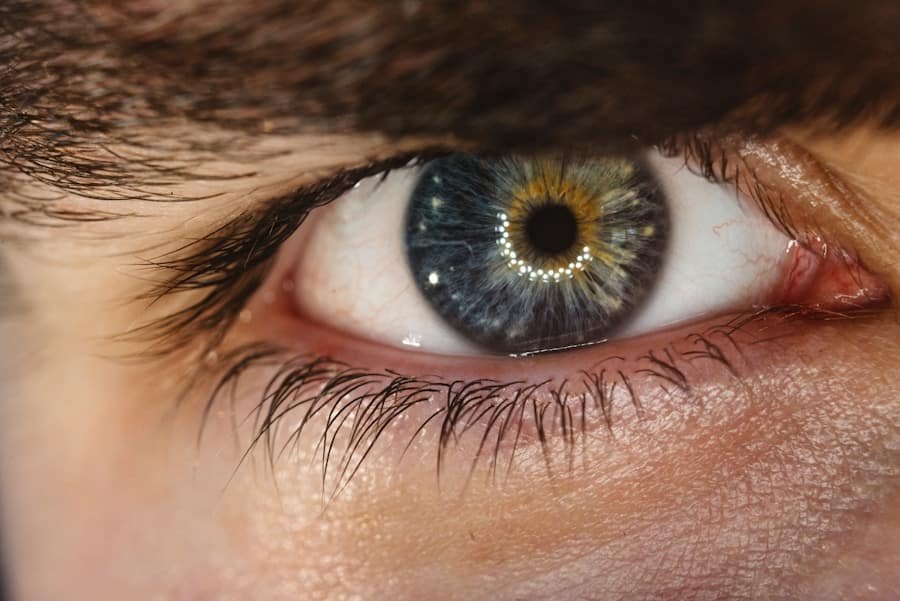
As you explore the relationship between the ketogenic diet and eye health, you may be surprised to learn about the potential benefits this dietary approach can offer. Research suggests that a ketogenic diet may have a positive impact on various aspects of eye health, particularly due to its anti-inflammatory properties and ability to stabilize blood sugar levels. By reducing carbohydrate intake, you may help mitigate the risk factors associated with certain eye diseases.
One of the key ways the ketogenic diet can benefit your eyes is through its effect on oxidative stress. High levels of oxidative stress can lead to cellular damage in the eyes, contributing to conditions like AMD and cataracts. The ketogenic diet encourages the consumption of healthy fats, which are rich in antioxidants that combat oxidative stress.
By incorporating these nutrient-dense foods into your meals, you may enhance your body’s ability to protect itself against harmful free radicals.
Nutrients and Foods that Support Eye Health in a Ketogenic Diet
When following a ketogenic diet, it’s essential to focus on incorporating specific nutrients that support eye health. Vitamins A, C, and E, along with omega-3 fatty acids, play crucial roles in maintaining optimal vision and preventing eye diseases. Foods rich in these nutrients can easily fit into your ketogenic lifestyle while providing significant benefits for your eyes.
Leafy greens such as spinach and kale are excellent sources of vitamins A and C, both of which are vital for maintaining healthy vision. These greens can be enjoyed in salads or blended into smoothies for a nutritious boost. Additionally, fatty fish like salmon and mackerel are packed with omega-3 fatty acids, which have been shown to reduce the risk of AMD and dry eye syndrome.
By prioritizing these foods in your ketogenic meal planning, you can create a delicious and eye-friendly menu that supports your overall health.
Ketogenic Lifestyle and Reduced Risk of Eye Diseases
As you continue to embrace the ketogenic lifestyle, you may find that it not only supports weight management but also plays a role in reducing the risk of various eye diseases. The anti-inflammatory effects of a low-carb diet can help lower the likelihood of developing conditions such as diabetic retinopathy, particularly for those with diabetes or prediabetes. By stabilizing blood sugar levels through dietary changes, you may protect your eyes from potential damage caused by fluctuating glucose levels.
Moreover, research indicates that individuals who follow a ketogenic diet may experience improved insulin sensitivity. This is particularly important for eye health since high insulin levels can contribute to inflammation and oxidative stress in the body. By adopting a ketogenic lifestyle, you may be taking proactive steps toward safeguarding your vision and reducing the risk of developing serious eye conditions later in life.
Benefits of Ketogenic Lifestyle for Overall Health and its Impact on Eye Health
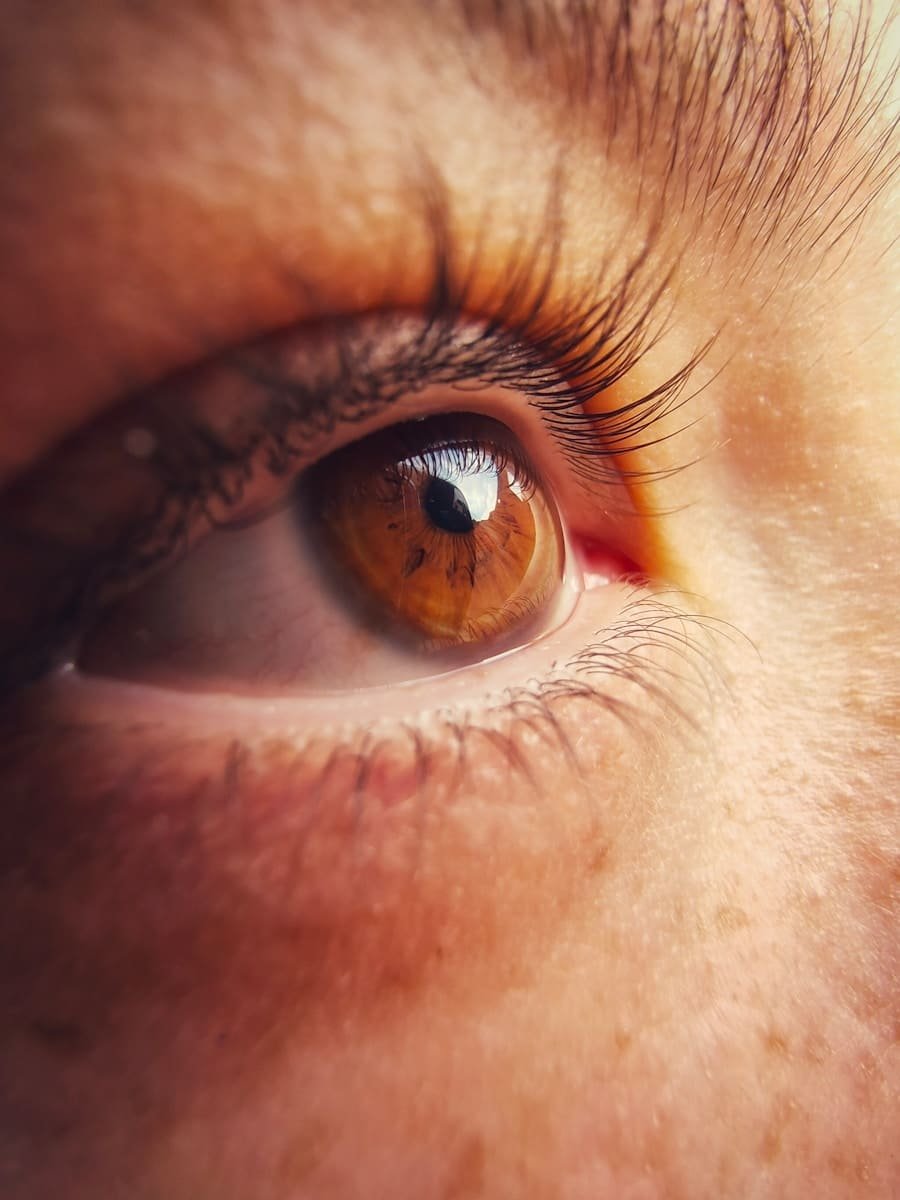
The benefits of a ketogenic lifestyle extend beyond just weight loss; they encompass a wide range of health improvements that can positively influence your eye health as well. Many individuals report increased energy levels, enhanced mental clarity, and improved mood when following a ketogenic diet. These benefits can lead to a more active lifestyle, which is essential for maintaining overall well-being.
Additionally, by prioritizing whole foods and nutrient-dense options in your diet, you may find that your body becomes more resilient against various health issues. This resilience can translate into better eye health as well. For instance, maintaining a healthy weight can reduce the risk of developing conditions like glaucoma and diabetic retinopathy.
As you embrace the ketogenic lifestyle, you may discover that it not only transforms your physical health but also enhances your quality of life in numerous ways.
Tips for Incorporating a Ketogenic Lifestyle for Improved Eye Health
If you’re eager to incorporate a ketogenic lifestyle into your routine for improved eye health, there are several practical tips you can follow. First and foremost, focus on meal planning to ensure you’re consuming a balanced diet rich in healthy fats, lean proteins, and low-carb vegetables. Preparing meals ahead of time can help you avoid reaching for unhealthy snacks or convenience foods that may not align with your dietary goals.
Another essential tip is to stay hydrated. Drinking plenty of water is crucial for overall health and can also benefit your eyes by preventing dryness and irritation. Consider incorporating herbal teas or infusing water with fruits like lemon or cucumber for added flavor without extra carbs.
Lastly, don’t forget to prioritize regular eye check-ups with an optometrist or ophthalmologist. Monitoring your eye health is vital for early detection and intervention if any issues arise.
Conclusion and Final Thoughts on the Ketogenic Lifestyle and Eye Health
In conclusion, embracing a ketogenic lifestyle can offer numerous benefits for both your overall health and eye health specifically. By understanding the connection between diet and vision, you empower yourself to make informed choices that support long-term wellness. The potential reduction in the risk of eye diseases combined with improved energy levels and mental clarity makes the ketogenic diet an appealing option for many individuals.
As you navigate this dietary journey, remember that balance is key. While focusing on low-carb foods is essential for achieving ketosis, it’s equally important to ensure you’re getting a variety of nutrients that support all aspects of your health. By prioritizing whole foods rich in vitamins and antioxidants while enjoying the benefits of a ketogenic lifestyle, you can take significant strides toward maintaining optimal eye health for years to come.
FAQs
What is a ketogenic lifestyle?
A ketogenic lifestyle involves consuming a high-fat, adequate-protein, and low-carbohydrate diet. This diet aims to induce a state of ketosis, where the body burns fat for fuel instead of carbohydrates.
How can a ketogenic lifestyle improve eye health?
A ketogenic lifestyle may improve eye health by reducing inflammation and oxidative stress, which are linked to various eye conditions such as age-related macular degeneration and diabetic retinopathy.
What are the potential benefits of a ketogenic lifestyle for the eyes?
Some potential benefits of a ketogenic lifestyle for eye health include improved blood sugar control, reduced risk of diabetic eye diseases, and enhanced production of ketone bodies, which may have neuroprotective effects on the eyes.
Are there any risks or considerations to be aware of when following a ketogenic lifestyle for eye health?
Individuals considering a ketogenic lifestyle for eye health should be aware of potential side effects such as the “keto flu,” electrolyte imbalances, and the need for long-term adherence to the diet for sustained benefits. It is important to consult with a healthcare professional before making significant dietary changes.