As you embark on your ketogenic journey, you may find yourself experiencing unexpected changes, including hair loss. This phenomenon can be alarming, especially when you are focused on improving your health and well-being. The ketogenic diet, characterized by high fat and low carbohydrate intake, can lead to significant metabolic changes in your body.
These changes may affect your hair growth cycle, leading to temporary shedding or thinning. Understanding the connection between the keto diet and hair loss is crucial for anyone looking to maintain their luscious locks while pursuing this dietary approach. The primary reason behind hair loss on a keto diet often relates to nutrient deficiencies.
When you drastically reduce your carbohydrate intake, you may inadvertently limit your consumption of essential vitamins and minerals that play a vital role in hair health. For instance, B vitamins, zinc, and iron are crucial for maintaining healthy hair follicles. If your diet lacks these nutrients, it can lead to weakened hair strands and increased shedding.
Additionally, the initial phase of transitioning to a keto diet can be stressful for your body, which may also contribute to hair loss. Recognizing these factors can help you take proactive steps to mitigate any adverse effects on your hair.
Key Takeaways
- Keto diet may lead to hair loss due to nutrient deficiencies and stress.
- Balancing nutrient intake is crucial on a keto diet to prevent hair loss.
- Incorporate hair-healthy foods like eggs, nuts, and leafy greens into your keto diet.
- Manage stress through relaxation techniques and regular exercise to prevent hair loss.
- Avoid extreme caloric deficits on a keto diet to maintain hair health.
- Consider using hair-healthy supplements and products like biotin and minoxidil.
- Seek professional guidance from a healthcare provider or nutritionist for hair loss on keto.
- Monitor and adjust your keto diet to ensure it supports hair health.
Balancing Nutrient Intake on a Keto Diet
To ensure that your hair remains healthy while following a ketogenic diet, it is essential to focus on balancing your nutrient intake. While the diet emphasizes fats, it is equally important to incorporate a variety of nutrient-dense foods that provide the vitamins and minerals necessary for optimal hair health. This means not only focusing on high-fat foods but also ensuring that you include adequate sources of protein and micronutrients in your meals.
One effective way to achieve this balance is by diversifying your food choices. Incorporate a range of low-carb vegetables such as spinach, kale, and broccoli, which are rich in vitamins A, C, and K, as well as iron and calcium. Additionally, consider including fatty fish like salmon or mackerel in your diet; these are excellent sources of omega-3 fatty acids that promote scalp health and may enhance hair growth.
By being mindful of your nutrient intake and making conscious food choices, you can support both your overall health and the vitality of your hair.
Incorporating Hair-Healthy Foods into Your Keto Diet
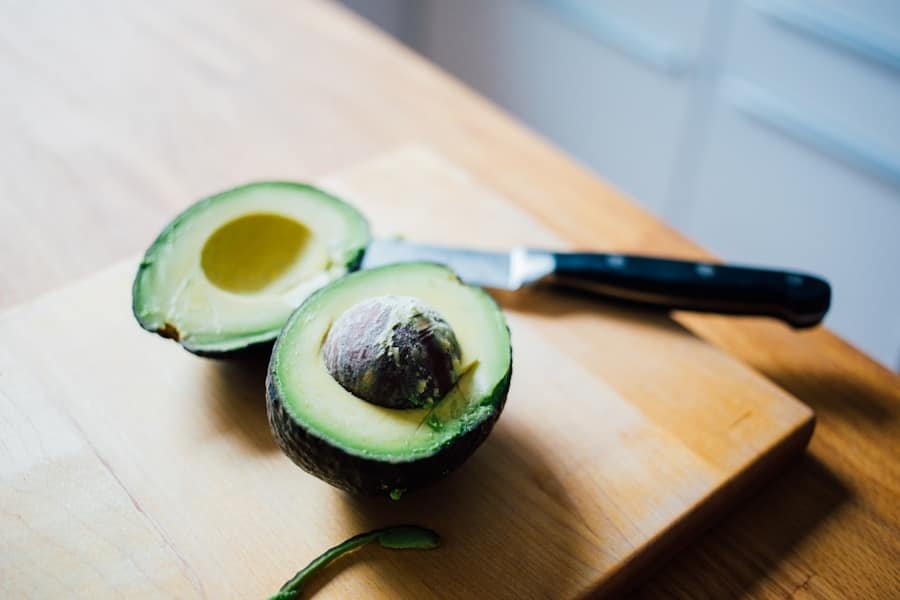
When following a ketogenic diet, it’s essential to prioritize foods that not only align with your macronutrient goals but also promote hair health. Certain foods are particularly beneficial for maintaining strong and vibrant hair. For instance, avocados are a fantastic addition to your keto meals; they are rich in healthy fats and vitamin E, which can help improve blood circulation to the scalp and nourish hair follicles.
Nuts and seeds are another excellent choice for those on a keto diet. Almonds, walnuts, and flaxseeds are packed with nutrients like biotin, zinc, and omega-3 fatty acids that support hair growth. You can easily incorporate these into your snacks or meals by adding them to salads or smoothies.
Additionally, consider including eggs in your diet; they are a complete source of protein and contain biotin, which is known for its role in promoting healthy hair. By focusing on these hair-healthy foods, you can create a delicious and nutritious keto meal plan that supports both your dietary goals and your hair health.
Managing Stress and Its Impact on Hair Loss
Stress is an often-overlooked factor that can significantly impact hair health. As you navigate the challenges of adapting to a ketogenic lifestyle, it’s essential to recognize how stress can contribute to hair loss. When you experience stress, your body produces hormones like cortisol that can disrupt the normal hair growth cycle, leading to increased shedding.
Therefore, managing stress effectively is crucial for maintaining healthy hair while on a keto diet. Incorporating stress-reducing practices into your daily routine can make a significant difference in how you feel and how your body responds to dietary changes. Consider engaging in activities such as yoga or meditation, which can help calm your mind and reduce cortisol levels.
Regular physical activity is also beneficial; exercise releases endorphins that improve mood and alleviate stress. By prioritizing self-care and finding healthy ways to cope with stress, you can create an environment conducive to healthy hair growth while enjoying the benefits of a ketogenic lifestyle.
Avoiding Extreme Caloric Deficits on a Keto Diet
While it may be tempting to pursue rapid weight loss through extreme caloric deficits on a ketogenic diet, this approach can have unintended consequences for your hair health. Severely restricting calories can lead to nutrient deficiencies that negatively impact not only your overall well-being but also the strength and vitality of your hair. It’s essential to find a sustainable balance that allows for gradual weight loss while still providing your body with the nutrients it needs.
Instead of drastically cutting calories, focus on creating a moderate caloric deficit by adjusting portion sizes and making mindful food choices. This approach will help ensure that you are still consuming enough essential nutrients to support healthy hair growth. Additionally, consider tracking your food intake to ensure you’re meeting your macronutrient goals without compromising on quality nutrition.
By taking a balanced approach to caloric intake, you can achieve your weight loss goals while safeguarding the health of your hair.
Using Hair-Healthy Supplements and Products

In addition to focusing on whole foods, incorporating supplements specifically designed for hair health can be beneficial while following a ketogenic diet. Certain vitamins and minerals play crucial roles in promoting strong and healthy hair growth. Biotin is one such supplement that has gained popularity for its potential benefits in improving hair thickness and reducing shedding.
If you find it challenging to meet your nutrient needs through food alone, consider adding a high-quality biotin supplement to your routine. Moreover, omega-3 fatty acids are essential for maintaining scalp health and promoting hair growth. If you’re not consuming enough fatty fish or plant-based sources of omega-3s in your diet, consider taking a fish oil or flaxseed oil supplement.
Additionally, topical products containing ingredients like keratin or collagen can help strengthen existing hair strands and improve overall texture. By combining dietary supplements with topical treatments, you can create a comprehensive approach to supporting your hair health while enjoying the benefits of a ketogenic lifestyle.
Seeking Professional Guidance for Hair Loss on Keto
If you notice significant hair loss while following a ketogenic diet, it may be wise to seek professional guidance from a healthcare provider or a registered dietitian. They can help assess your individual situation and determine whether any underlying issues may be contributing to your hair loss. A professional can also provide personalized recommendations tailored to your specific dietary needs and health goals.
Consulting with a healthcare professional can also help rule out other potential causes of hair loss unrelated to diet, such as hormonal imbalances or medical conditions. By working with an expert, you can gain valuable insights into how to adjust your keto diet effectively while ensuring that you’re meeting all of your nutritional needs. This proactive approach will empower you to make informed decisions about your health and well-being.
Monitoring and Adjusting Your Keto Diet for Hair Health
As you continue on your ketogenic journey, it’s essential to monitor how your body responds to dietary changes over time. Pay attention to any fluctuations in hair health as well as overall well-being. Keeping a food journal can be an effective way to track what you eat and how it affects both your weight loss progress and hair condition.
This practice allows you to identify patterns and make necessary adjustments based on what works best for you. If you notice any signs of hair thinning or shedding, consider revisiting your macronutrient ratios or incorporating additional nutrient-dense foods into your meals. It’s important to remain flexible with your approach; what works for one person may not work for another.
By staying attuned to your body’s needs and making adjustments as necessary, you can create a sustainable keto lifestyle that supports both weight management and healthy hair growth. In conclusion, navigating the complexities of a ketogenic diet while maintaining healthy hair requires awareness and intentionality. By understanding the link between keto and hair loss, balancing nutrient intake, incorporating hair-healthy foods, managing stress levels, avoiding extreme caloric deficits, using supplements wisely, seeking professional guidance when needed, and monitoring your progress diligently, you can enjoy the benefits of the keto lifestyle without sacrificing the health of your hair.
Embrace this journey with confidence knowing that with the right strategies in place, you can achieve both your dietary goals and vibrant locks!
FAQs
What is keto diet and how does it relate to hair loss?
The keto diet is a high-fat, low-carbohydrate diet that has been linked to hair loss due to potential nutrient deficiencies and changes in hormone levels.
What nutrients are important for preventing hair loss on keto?
Nutrients such as biotin, zinc, iron, and protein are important for maintaining healthy hair and preventing hair loss on a keto diet.
How can I ensure I get enough nutrients to prevent hair loss on keto?
You can ensure you get enough nutrients by consuming a variety of nutrient-dense foods such as eggs, nuts, seeds, leafy greens, and lean meats. You may also consider taking supplements if needed.
Are there any keto-friendly hair care products that can help prevent hair loss?
There are keto-friendly hair care products that contain ingredients such as biotin and collagen which can help support hair health and prevent hair loss.
Can stress and lack of sleep contribute to hair loss on keto?
Yes, stress and lack of sleep can contribute to hair loss regardless of diet. It’s important to manage stress and prioritize getting enough sleep to support overall hair health.