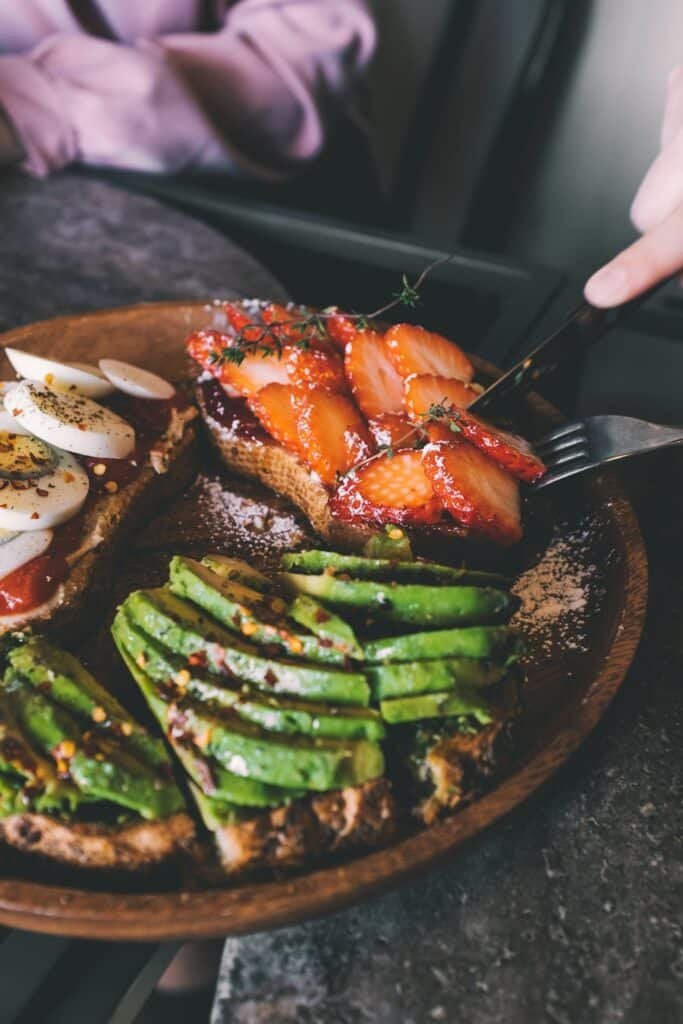
Cultural attitudes play a significant role in shaping your dietary choices, often dictating what you consider acceptable or desirable to eat. These attitudes are deeply rooted in history, tradition, and social norms, influencing everything from meal preparation to food consumption. For instance, in some cultures, communal eating is a cherished practice that fosters social bonds, while in others, individualism may lead to more solitary dining experiences.
Your cultural background can also determine the types of ingredients you favor, the cooking methods you employ, and even the timing of your meals. Moreover, cultural attitudes can create a framework for understanding health and nutrition. In certain societies, food is viewed primarily as a source of sustenance, while in others, it is celebrated as an art form or a means of expressing love and hospitality.
This perspective can significantly impact your relationship with food, leading you to prioritize certain foods over others based on their cultural significance. As you navigate your dietary choices, it’s essential to recognize how these cultural influences shape your preferences and behaviors, ultimately guiding you toward specific eating patterns.
Key Takeaways
- Cultural attitudes play a significant role in shaping dietary choices and preferences.
- Different cultures have varying perceptions of carbohydrates and fats, influencing their dietary habits.
- Traditional dietary practices may conflict with the principles of a ketogenic lifestyle, posing challenges for adoption.
- Social norms within a culture can either facilitate or hinder the adoption of a ketogenic lifestyle.
- Access to ketogenic foods may be limited by cultural factors, impacting the ability to adhere to the diet.
Cultural Perceptions of Carbohydrates and Fats
Your perception of carbohydrates and fats is often colored by the cultural lens through which you view food. In many Western cultures, carbohydrates have been demonized in recent years, often associated with weight gain and health issues. This negative perception has led to a surge in low-carb diets and a general wariness of bread, pasta, and other carbohydrate-rich foods.
Conversely, in other cultures, such as those in parts of Asia or the Mediterranean, carbohydrates are celebrated as staples that provide energy and nourishment. Rice, for example, is not just a food item but a cultural symbol that represents family and tradition. Fats also carry varying connotations across cultures.
In some societies, healthy fats from sources like avocados or olive oil are embraced for their nutritional benefits, while in others, fats are often viewed with suspicion due to their association with heart disease and obesity. Your understanding of these macronutrients can influence your dietary choices significantly. If you come from a culture that promotes low-fat diets, you may find it challenging to incorporate healthy fats into your meals, even if they are beneficial for your health.
Recognizing these cultural perceptions can help you make more informed decisions about your diet.
Traditional Dietary Practices and Ketogenic Lifestyle

Traditional dietary practices often reflect the values and beliefs of a culture, and they can either align with or conflict with the principles of a ketogenic lifestyle. The ketogenic diet emphasizes high fat intake while drastically reducing carbohydrates, which may be at odds with traditional diets that rely heavily on grains and starches. For instance, in many cultures, meals are centered around rice or bread, making it difficult to adopt a ketogenic approach without significant adjustments to your eating habits.
However, some traditional practices may surprisingly complement a ketogenic lifestyle. In cultures where meat and fish are staples—such as in Scandinavian or Inuit diets—high-fat foods are already prevalent. These traditional diets can serve as a foundation for those looking to embrace a ketogenic lifestyle while still honoring their cultural heritage.
By exploring how traditional foods can be adapted to fit ketogenic principles, you can create meals that resonate with your cultural identity while also supporting your health goals.
The Role of Social Norms in Adopting a Ketogenic Lifestyle
Social norms significantly influence your willingness to adopt a ketogenic lifestyle. If you find yourself surrounded by friends and family who prioritize high-carb diets or who view low-carb eating with skepticism, it can be challenging to maintain your commitment to a ketogenic approach. Social gatherings often revolve around food, and if the offerings do not align with your dietary choices, you may feel isolated or pressured to conform to the prevailing norms.
On the other hand, when you are part of a community that embraces low-carb or ketogenic eating, it can provide motivation and support for your journey. Social media has also played a pivotal role in creating virtual communities where individuals share recipes, tips, and success stories related to the ketogenic lifestyle. Engaging with these communities can help reinforce your commitment and provide you with the encouragement needed to navigate social situations that may otherwise challenge your dietary choices.
Cultural Factors Affecting Access to Ketogenic Foods
Access to ketogenic foods is often influenced by cultural factors such as geography, economic status, and local food availability. In urban areas with diverse grocery options, you may find it easier to source high-fat foods like avocados, nuts, and quality meats. However, in rural or economically disadvantaged regions, access to these foods may be limited.
Cultural preferences also play a role; if your community predominantly consumes high-carb staples, it may be more challenging to find suitable alternatives that align with a ketogenic diet. Additionally, cultural attitudes toward food production can impact the availability of ketogenic-friendly options. In some cultures, there is a strong emphasis on local and organic produce, which may include high-fat options like grass-fed dairy or pasture-raised meats.
Understanding these cultural factors can help you navigate the challenges of accessing ketogenic foods while remaining mindful of your dietary goals.
Attitudes Towards Health and Wellness in Different Cultures
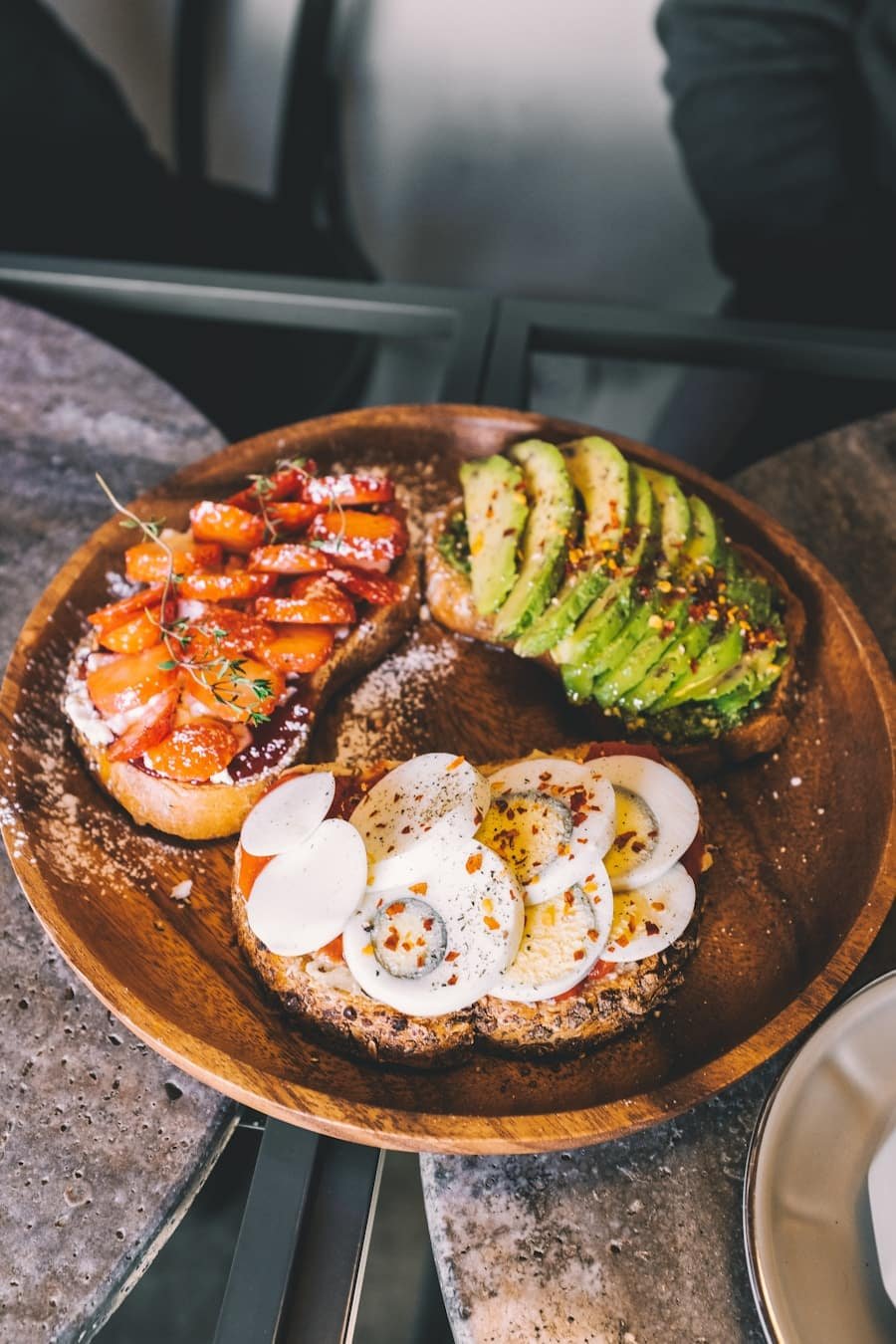
Your attitude towards health and wellness is often shaped by cultural beliefs and practices that dictate what it means to be healthy. In some cultures, wellness is viewed holistically, encompassing physical health as well as mental and spiritual well-being. This perspective encourages balanced eating habits that prioritize whole foods and natural ingredients.
In contrast, other cultures may focus more narrowly on physical appearance or weight loss as indicators of health, leading to restrictive eating patterns that can be detrimental in the long run. These differing attitudes can significantly impact how you approach a ketogenic lifestyle. If you come from a culture that emphasizes holistic wellness, you may find it easier to adopt a balanced approach to keto that includes nutrient-dense foods while still enjoying occasional treats.
Conversely, if your cultural background prioritizes strict dieting for weight loss purposes, you might struggle with the flexibility that a ketogenic diet allows. Recognizing these cultural influences can help you cultivate a healthier relationship with food and wellness.
The Impact of Cultural Beliefs on Weight Loss and Body Image
Cultural beliefs surrounding weight loss and body image can profoundly affect your self-perception and motivation to adopt a ketogenic lifestyle. In some cultures, thinness is idealized as the ultimate standard of beauty and success, leading individuals to pursue extreme dieting measures in hopes of achieving this ideal. This pressure can create an unhealthy relationship with food and body image issues that may hinder your ability to maintain a sustainable diet.
Conversely, other cultures celebrate body diversity and promote acceptance of various body types. In these environments, the focus may shift from weight loss to overall health and well-being. If you come from such a culture, you might find it easier to embrace a ketogenic lifestyle as part of a broader commitment to health rather than solely for aesthetic reasons.
Understanding how cultural beliefs shape your views on weight loss can empower you to make choices that align with your values rather than societal pressures.
Overcoming Cultural Barriers to Embrace the Ketogenic Lifestyle
Overcoming cultural barriers to embrace a ketogenic lifestyle requires both awareness and adaptability. You may need to confront ingrained beliefs about food that conflict with your dietary goals while also finding ways to incorporate traditional foods into your meals without compromising the principles of keto. This process involves creativity in meal planning and preparation—experimenting with recipes that honor your cultural heritage while aligning with ketogenic guidelines.
Additionally, seeking support from like-minded individuals can help you navigate these challenges more effectively. Whether through online communities or local groups focused on low-carb eating, connecting with others who share similar goals can provide encouragement and practical advice for overcoming cultural barriers. By fostering an open mindset and being willing to adapt your approach to fit both your cultural identity and health aspirations, you can successfully embrace the ketogenic lifestyle while celebrating the richness of your heritage.
FAQs
What is the ketogenic lifestyle?
The ketogenic lifestyle, or keto diet, is a high-fat, low-carbohydrate eating plan that has been shown to help individuals lose weight and improve certain health conditions such as epilepsy and diabetes.
How do cultural attitudes and perceptions influence the acceptance of the ketogenic lifestyle?
Cultural attitudes and perceptions can influence the acceptance of the ketogenic lifestyle by impacting how individuals view high-fat foods, the role of carbohydrates in their diet, and the importance of traditional cultural foods.
How do cultural attitudes and perceptions influence the success of the ketogenic lifestyle?
Cultural attitudes and perceptions can influence the success of the ketogenic lifestyle by affecting individuals’ adherence to the diet, their ability to find culturally appropriate foods that fit within the diet, and the support they receive from their cultural community.
What are some cultural factors that may impact the acceptance and success of the ketogenic lifestyle?
Some cultural factors that may impact the acceptance and success of the ketogenic lifestyle include traditional dietary patterns, religious or cultural food restrictions, social norms around food and eating, and the availability of culturally appropriate ketogenic-friendly foods.
How can individuals navigate cultural attitudes and perceptions to successfully adopt the ketogenic lifestyle?
Individuals can navigate cultural attitudes and perceptions to successfully adopt the ketogenic lifestyle by seeking out culturally appropriate ketogenic recipes, educating their community about the benefits of the diet, and finding support from like-minded individuals who understand and respect their cultural background.