
As you embark on your journey with intermittent fasting, it’s essential to consider the ethical implications of the animal products you may consume during your eating windows. The consumption of animal products raises significant ethical questions regarding animal welfare, environmental sustainability, and health impacts. You might find yourself grappling with the moral dilemmas associated with factory farming, where animals are often subjected to inhumane conditions.
These practices not only affect the animals but also have broader implications for society and the environment. By understanding these concerns, you can make more informed choices that align with your values.
The environmental impact of animal agriculture is profound, contributing to deforestation, greenhouse gas emissions, and water pollution. As you reflect on your dietary choices during intermittent fasting, it’s crucial to recognize how your consumption patterns can either perpetuate or alleviate these issues. By acknowledging these ethical concerns, you empower yourself to make choices that resonate with your personal beliefs and contribute positively to the world around you.
Key Takeaways
- Ethical concerns surrounding animal products in intermittent fasting include the treatment of animals, environmental impact, and health implications.
- The sourcing of animal products for intermittent fasting should prioritize animal welfare, including access to natural behaviors, proper nutrition, and humane treatment.
- When choosing animal products for intermittent fasting, it is important to consider factors such as the farming practices, animal living conditions, and slaughter methods.
- Transparency and accountability in the animal product industry are crucial for addressing ethical concerns, including clear labeling and traceability of products.
- Alternatives to animal products for ethical intermittent fasting include plant-based proteins, such as tofu, tempeh, and legumes, as well as dairy alternatives like almond milk and coconut yogurt.
Exploring the impact of animal welfare on the sourcing of animal products for intermittent fasting
When you consider incorporating animal products into your intermittent fasting regimen, it’s vital to explore the sourcing of these products and their impact on animal welfare. The conditions under which animals are raised can vary significantly, from small family farms that prioritize humane treatment to large-scale industrial operations that often prioritize profit over welfare.
You may want to seek out local farms or suppliers that adhere to higher welfare standards, ensuring that the animals are treated with respect and dignity. Additionally, the sourcing of animal products can influence not only animal welfare but also the quality of the food you consume. Animals raised in humane conditions often produce healthier products, free from antibiotics and hormones that are commonly used in industrial farming.
By prioritizing animal welfare in your sourcing decisions, you not only support ethical practices but also enhance your own health and well-being during intermittent fasting. This conscious approach allows you to enjoy the benefits of animal products while remaining aligned with your ethical beliefs.
Ethical considerations when choosing animal products for intermittent fasting
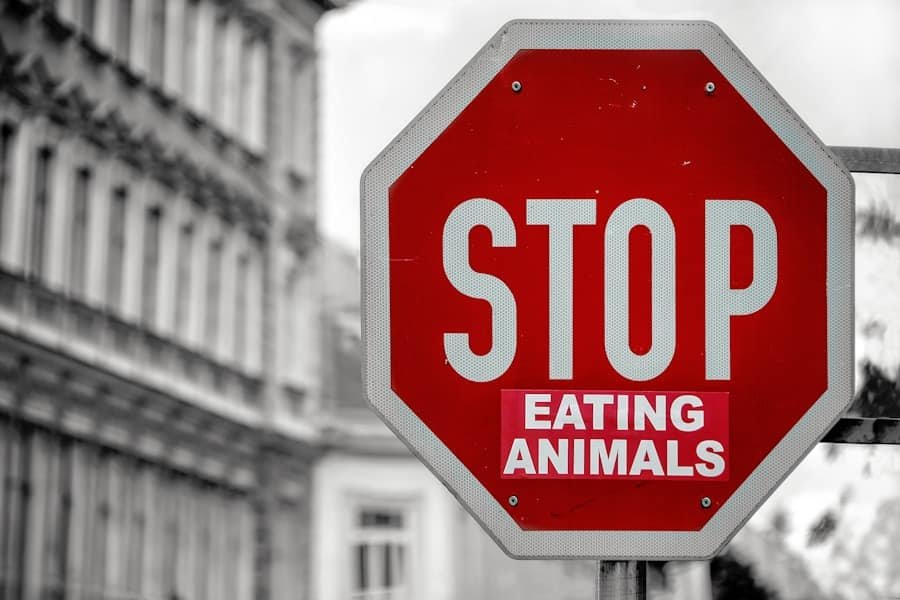
As you navigate your intermittent fasting journey, it’s important to weigh the ethical considerations involved in choosing animal products. One key aspect is understanding the different farming practices and their implications for animal welfare. You might find it beneficial to research terms like “grass-fed,” “free-range,” and “pasture-raised,” as these labels often indicate a higher standard of care for animals.
By opting for products that adhere to these practices, you can feel more confident that your choices reflect a commitment to ethical treatment. Another consideration is the environmental impact of your dietary choices. The production of certain animal products can be resource-intensive, contributing to climate change and habitat destruction.
As you plan your meals during your eating windows, think about incorporating a variety of protein sources, including plant-based options that can complement or even replace animal products. This not only supports a more sustainable food system but also allows you to explore new flavors and textures in your diet.
The role of transparency and accountability in addressing ethical concerns about animal products
Transparency and accountability play crucial roles in addressing the ethical concerns surrounding animal products in intermittent fasting. As a consumer, you have the right to know where your food comes from and how it was produced. Many companies are beginning to recognize this demand for transparency and are taking steps to provide clearer information about their sourcing practices.
By supporting brands that prioritize transparency, you can encourage more companies to adopt ethical practices in their production processes. Furthermore, accountability is essential in ensuring that companies adhere to their claims about animal welfare and sustainability. You might consider looking for third-party certifications or audits that verify a company’s practices.
These certifications can provide peace of mind that the products you choose align with your ethical values. By holding companies accountable for their practices, you contribute to a market that values ethical treatment of animals and encourages better standards across the industry.
Alternatives to animal products for ethical intermittent fasting
If you’re seeking alternatives to animal products while practicing intermittent fasting, there are numerous options available that can meet your nutritional needs without compromising your ethical beliefs. Plant-based proteins such as legumes, nuts, seeds, and whole grains can provide essential nutrients while minimizing your impact on animal welfare. Incorporating these foods into your meals can enhance your diet with a variety of flavors and textures while supporting a more sustainable food system.
Additionally, exploring plant-based dairy alternatives can be a great way to enjoy familiar flavors without relying on animal products. Options like almond milk, coconut yogurt, and cashew cheese offer delicious substitutes that can fit seamlessly into your intermittent fasting routine. By experimenting with these alternatives, you not only broaden your culinary horizons but also align your dietary choices with your commitment to ethical eating.
The importance of ethical certifications and labels for animal products in intermittent fasting

When selecting animal products for your intermittent fasting plan, paying attention to ethical certifications and labels is crucial. These certifications serve as indicators of a product’s adherence to specific welfare standards and environmental practices. For instance, labels such as “Certified Humane” or “Animal Welfare Approved” signify that the animals were raised under conditions that prioritize their well-being.
By choosing products with these certifications, you can feel confident that your dietary choices reflect a commitment to ethical treatment. Moreover, understanding these labels can empower you as a consumer. With so many options available in grocery stores, knowing what each certification means allows you to make informed decisions that align with your values.
As you navigate the aisles during your eating windows, take the time to read labels and seek out products that meet your ethical standards. This conscious approach not only benefits animals but also supports a market that values transparency and accountability.
Balancing personal health goals with ethical considerations in intermittent fasting
As you pursue intermittent fasting, balancing personal health goals with ethical considerations can be challenging yet rewarding. It’s essential to recognize that your health is interconnected with the choices you make regarding food sources. While focusing on achieving specific health outcomes—such as weight loss or improved metabolic health—consider how these goals align with your values regarding animal welfare and environmental sustainability.
You might find it helpful to create a meal plan that incorporates both nutritious foods and ethically sourced animal products or plant-based alternatives. This approach allows you to nourish your body while remaining true to your principles. By prioritizing whole foods and ethically sourced ingredients, you can achieve your health goals without compromising on ethics.
Strategies for advocating for ethical treatment of animals in the sourcing of animal products for intermittent fasting
Advocating for ethical treatment of animals in the sourcing of animal products is an important step toward creating a more compassionate food system. One effective strategy is to engage with local farmers and producers who prioritize humane practices. By supporting these businesses, you not only contribute to their success but also encourage others in the industry to adopt similar standards.
Additionally, consider using social media platforms to raise awareness about ethical issues related to animal agriculture. Sharing information about humane farming practices or highlighting brands that prioritize animal welfare can inspire others to make more conscious choices in their diets. By becoming an advocate for ethical treatment of animals, you play a vital role in fostering a culture of compassion and responsibility within the food system.
In conclusion, as you navigate the complexities of intermittent fasting, it’s essential to consider the ethical implications of your dietary choices. By understanding the concerns surrounding animal products, exploring alternatives, and advocating for transparency and accountability, you can create a balanced approach that aligns with both your health goals and ethical beliefs. Your journey toward ethical intermittent fasting not only benefits yourself but also contributes positively to the world around you.
FAQs
What is intermittent fasting?
Intermittent fasting is an eating pattern that cycles between periods of fasting and eating. It does not specify which foods to eat but rather when to eat them.
What are animal products commonly used in intermittent fasting?
Animal products commonly used in intermittent fasting include meat, poultry, fish, eggs, and dairy products.
How do individuals address concerns about the ethical treatment of animals when sourcing animal products for intermittent fasting?
Individuals may address concerns about the ethical treatment of animals by choosing animal products that are certified as humanely raised or ethically sourced. They may also opt for plant-based alternatives for their intermittent fasting diet.
What are some ethical certifications for animal products?
Some ethical certifications for animal products include Certified Humane, Animal Welfare Approved, and Global Animal Partnership.
What are some plant-based alternatives for animal products in intermittent fasting?
Plant-based alternatives for animal products in intermittent fasting include tofu, tempeh, seitan, legumes, nuts, and seeds.
How can individuals ensure the ethical treatment of animals when sourcing animal products for intermittent fasting?
Individuals can ensure the ethical treatment of animals by researching the sourcing practices of the brands they purchase from, looking for ethical certifications, and supporting local and sustainable farms.