
Intermittent fasting (IF) has gained significant popularity in recent years as a flexible approach to eating that emphasizes when you eat rather than what you eat. You may find that this method allows you to enjoy your meals without the constant pressure of calorie counting or strict dietary restrictions. The core principle of intermittent fasting involves cycling between periods of eating and fasting, which can range from a few hours to several days.
This approach not only simplifies meal planning but also offers potential health benefits, such as improved metabolic health, weight loss, and enhanced mental clarity. As you delve deeper into intermittent fasting, you might discover various methods that suit your lifestyle. The 16/8 method, for instance, involves fasting for 16 hours and eating during an 8-hour window, while the 5:2 method allows you to eat normally for five days a week and restrict calories on two non-consecutive days.
Understanding these different approaches can empower you to choose a fasting schedule that aligns with your daily routine and personal preferences. By embracing intermittent fasting, you may find a newfound sense of control over your eating habits, leading to a healthier relationship with food.
Key Takeaways
- Intermittent fasting involves cycling between periods of eating and fasting, with various methods such as the 16/8 method or the 5:2 method.
- Traveling can present challenges for intermittent fasting, such as limited food options and irregular meal times.
- Adjusting to different time zones while intermittent fasting may require flexibility in meal timing and fasting periods.
- Cultural considerations, such as religious fasting practices, may impact how intermittent fasting is approached while traveling.
- Tips for intermittent fasting while traveling include planning ahead, staying hydrated, and being mindful of portion sizes and food choices.
Challenges of Intermittent Fasting While Traveling
Traveling can be an exhilarating experience, but it often presents unique challenges when it comes to maintaining your intermittent fasting routine. You may find that your usual eating schedule is disrupted by time zone changes, unfamiliar food options, and social obligations. These factors can make it difficult to adhere to your fasting windows, leading to feelings of frustration or guilt.
The excitement of exploring new destinations can sometimes overshadow your commitment to your health goals, making it essential to find a balance between enjoyment and discipline. Moreover, the temptation of local cuisines can be hard to resist when you’re on the road. You might encounter delicious street food or enticing restaurant menus that challenge your resolve to stick to your fasting plan.
The social aspect of dining out with friends or family can also complicate matters, as you may feel pressured to indulge in meals outside your designated eating window. Recognizing these challenges is the first step toward developing strategies that allow you to enjoy your travels while still honoring your commitment to intermittent fasting.
Adjusting Intermittent Fasting to Different Time Zones

When you travel across time zones, adjusting your intermittent fasting schedule can be particularly tricky. Your body’s internal clock, or circadian rhythm, may take time to adapt to the new environment, which can affect your hunger cues and energy levels. You might find yourself feeling hungry at odd hours or struggling to maintain focus during your fasting periods.
To ease this transition, consider gradually shifting your eating window a few days before your trip. This proactive approach can help your body acclimate more smoothly to the new time zone. Once you arrive at your destination, pay attention to local meal times and try to align your fasting schedule accordingly.
If you’re traveling eastward, for example, you may need to start your eating window earlier than usual.
Staying hydrated is also crucial during this adjustment phase; drinking plenty of water can help curb hunger pangs and keep you energized as your body adapts.
By being mindful of these factors, you can maintain your intermittent fasting routine even when faced with the challenges of different time zones.
Cultural Considerations for Intermittent Fasting
Cultural norms surrounding food and meal times vary significantly from one country to another, and these differences can impact your intermittent fasting experience while traveling. In some cultures, communal meals are a vital part of social interactions, making it challenging to adhere strictly to your fasting schedule. You may find yourself invited to share meals during times that conflict with your eating window, creating a dilemma between honoring local customs and sticking to your health goals.
Understanding the cultural context of food in the places you visit can enhance your travel experience while allowing you to navigate these challenges more effectively. For instance, in countries where late-night dining is common, you might consider adjusting your eating window to accommodate local practices. Engaging with locals about their food traditions can also provide valuable insights into how they approach meals and fasting.
By embracing cultural differences and finding ways to incorporate them into your intermittent fasting routine, you can create a more enriching travel experience that respects both your health goals and the customs of the places you visit.
Tips for Intermittent Fasting While Traveling
To successfully maintain your intermittent fasting routine while traveling, consider implementing a few practical tips that can help you stay on track. First and foremost, plan ahead by researching local dining options and meal times before you arrive at your destination. This knowledge will enable you to identify restaurants that align with your eating window and help you avoid last-minute temptations that could derail your fasting schedule.
Another effective strategy is to pack healthy snacks that fit within your dietary preferences. Having nutritious options readily available can help curb hunger during travel days or long layovers when access to food may be limited. Additionally, consider using travel apps that allow you to track your fasting periods and remind you when it’s time to eat or fast.
These tools can provide structure and accountability as you navigate new environments.
Balancing Intermittent Fasting with Travel Activities
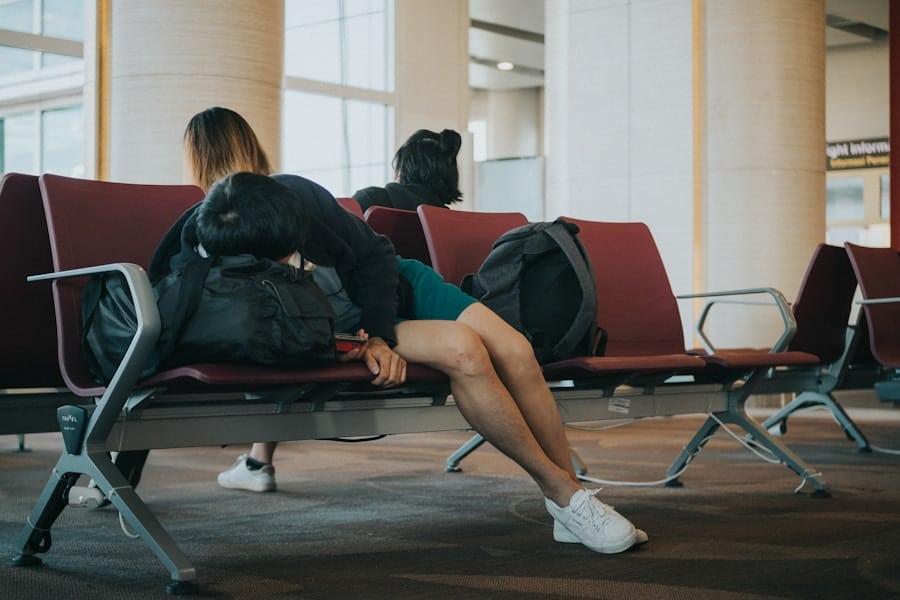
Finding a balance between intermittent fasting and travel activities is essential for enjoying your trip without compromising your health goals. You may want to prioritize activities that align with your eating schedule, such as planning sightseeing excursions during your fasting periods and reserving meal times for relaxation and socializing. This approach allows you to fully engage in the experiences around you while still adhering to your intermittent fasting routine.
Moreover, consider incorporating physical activities into your travel itinerary that complement your fasting schedule. Exploring a new city on foot or participating in outdoor adventures can help keep you active and energized during fasting periods. Engaging in these activities not only enhances your travel experience but also helps maintain a healthy lifestyle while on the go.
By being intentional about how you structure your days, you can create a fulfilling travel experience that honors both your desire for exploration and your commitment to intermittent fasting.
Maintaining Intermittent Fasting Discipline Across Different Cultures
As you travel through diverse cultures, maintaining discipline in your intermittent fasting routine may require adaptability and resilience. You might encounter various culinary delights that tempt you outside of your designated eating window, but staying committed to your goals is crucial for long-term success. One way to reinforce this discipline is by reminding yourself of the reasons why you chose intermittent fasting in the first place—whether it’s for health benefits, weight management, or improved mental clarity.
Additionally, consider setting realistic expectations for yourself while traveling. It’s important to recognize that occasional deviations from your fasting schedule are normal and can be part of the travel experience. Instead of viewing these moments as failures, embrace them as opportunities for growth and learning.
By practicing self-compassion and allowing yourself some flexibility, you can maintain a positive mindset while still prioritizing your health goals.
Seeking Support for Intermittent Fasting While Traveling
Traveling doesn’t have to be a solitary endeavor when it comes to maintaining your intermittent fasting routine; seeking support from fellow travelers or online communities can provide motivation and encouragement along the way.
Consider joining social media groups or forums dedicated to intermittent fasting where members share their experiences and advice on maintaining their routines while on the road.
Engaging with these communities can provide inspiration and practical strategies tailored to various travel scenarios. Additionally, if you’re traveling with friends or family who are supportive of your health goals, communicate openly about your intermittent fasting plan so they can help keep you accountable during the trip. In conclusion, maintaining an intermittent fasting routine while traveling presents unique challenges but also offers opportunities for growth and exploration.
By understanding the principles of intermittent fasting, adjusting to different time zones, considering cultural norms, and implementing practical strategies, you can enjoy a fulfilling travel experience without compromising your health goals. Embrace the journey ahead with confidence, knowing that with a little planning and flexibility, you can successfully navigate the world of intermittent fasting while exploring new horizons.
FAQs
What is intermittent fasting?
Intermittent fasting is an eating pattern that cycles between periods of fasting and eating. It does not specify which foods to eat but rather when to eat them.
How do individuals approach intermittent fasting when traveling?
When traveling, individuals may adjust their fasting schedule to accommodate their new time zone. They may also be flexible with their fasting windows to align with their travel schedule.
How do individuals approach intermittent fasting across different time zones?
When crossing different time zones, individuals may gradually adjust their fasting schedule to align with the new time zone. This may involve shifting their fasting and eating windows by a few hours each day until they are fully adjusted.
How do individuals approach intermittent fasting across different cultures?
When traveling to different cultures, individuals may need to be mindful of local eating customs and adjust their fasting schedule accordingly. They may also need to be flexible with their fasting windows to accommodate cultural differences in meal times.