As you embark on your journey into the realms of fitness and nutrition, you may have encountered two powerful concepts: altitude training and the ketogenic diet, commonly known as keto. Both have gained significant attention in recent years, particularly among athletes and fitness enthusiasts seeking to enhance their performance and overall health. Altitude training involves exercising at high elevations, where the air is thinner and oxygen levels are lower.
This unique environment forces your body to adapt, potentially leading to improved endurance and stamina. On the other hand, the ketogenic diet emphasizes a low-carbohydrate, high-fat approach to eating, which encourages your body to enter a state of ketosis, where it burns fat for fuel instead of carbohydrates. The intersection of altitude training and the ketogenic diet presents an intriguing opportunity for those looking to optimize their physical performance.
By understanding how these two elements interact, you can harness their combined benefits to elevate your training regimen. Whether you are a seasoned athlete or a casual fitness enthusiast, exploring the synergy between altitude training and keto can provide you with valuable insights into enhancing your endurance, improving fat adaptation, and ultimately achieving your fitness goals.
Key Takeaways
- Altitude training can enhance endurance performance and fat adaptation, making it an attractive option for athletes following a ketogenic diet.
- Altitude training can promote fat adaptation by increasing the body’s reliance on fat for fuel, which aligns with the goals of a ketogenic diet.
- Altitude training may have a positive impact on ketosis by promoting the use of ketones as a fuel source during exercise.
- Altitude training can affect metabolism on keto by increasing fat oxidation and improving the body’s ability to utilize ketones for energy.
- Combining altitude training with a ketogenic diet may optimize endurance performance by enhancing fat adaptation and metabolic flexibility.
Impact of Altitude Training on Fat Adaptation
When you engage in altitude training, your body undergoes a series of physiological changes that can significantly impact your ability to utilize fat as a primary energy source. At higher elevations, the reduced oxygen levels stimulate your body to adapt by increasing the production of red blood cells and enhancing your cardiovascular efficiency. This adaptation not only improves your aerobic capacity but also encourages your body to become more efficient at burning fat for fuel.
As you train in this challenging environment, your muscles learn to tap into fat stores more readily, which is particularly beneficial for endurance athletes. Moreover, altitude training can enhance mitochondrial density in your muscles. Mitochondria are the powerhouses of your cells, responsible for producing energy.
With increased mitochondrial density, your body becomes better equipped to oxidize fat, leading to improved endurance performance. This is where the ketogenic diet complements altitude training beautifully. By following a low-carb, high-fat diet, you further encourage your body to rely on fat as its primary energy source.
The combination of altitude training and a ketogenic lifestyle can create a powerful synergy that enhances your fat adaptation capabilities, allowing you to perform at higher intensities for longer durations.
Effects of Altitude Training on Ketosis
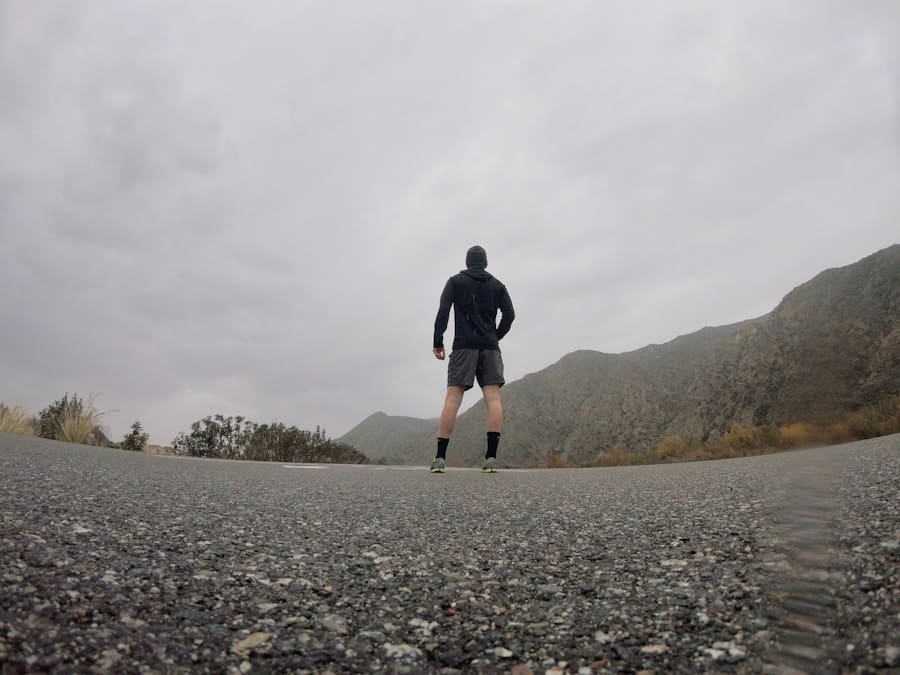
As you delve deeper into the relationship between altitude training and ketosis, it becomes evident that both practices can influence each other in remarkable ways. When you are in a state of ketosis, your body is adept at burning fat for energy due to the low availability of carbohydrates. This metabolic state can be particularly advantageous during altitude training sessions, where the demand for energy is heightened due to the challenging conditions.
The ability to efficiently utilize fat as fuel can help you maintain performance levels even when oxygen availability is compromised. Additionally, altitude training may enhance the process of entering ketosis. The stress placed on your body during high-altitude workouts can accelerate the depletion of glycogen stores, prompting a quicker transition into ketosis.
As you continue to train at altitude while adhering to a ketogenic diet, you may find that your body becomes more efficient at switching between fuel sources. This adaptability not only supports endurance performance but also helps you maintain energy levels during prolonged workouts or competitions.
How Altitude Training Affects Metabolism on Keto
The metabolic effects of altitude training on a ketogenic diet are profound and multifaceted. When you train at high altitudes, your body experiences an increase in metabolic rate due to the need for greater energy expenditure in response to lower oxygen levels. This heightened metabolic state can lead to increased fat oxidation, which aligns perfectly with the goals of a ketogenic lifestyle.
As you continue to train in this environment while consuming a high-fat diet, your metabolism may become more efficient at utilizing stored fat for energy. Moreover, altitude training can stimulate hormonal responses that further enhance fat metabolism. For instance, the production of hormones such as epinephrine and norepinephrine increases during high-intensity workouts at altitude.
These hormones play a crucial role in mobilizing fat stores for energy use. When combined with the ketogenic diet’s emphasis on fat consumption, this hormonal response can lead to an even greater reliance on fat as a fuel source during exercise. As a result, you may experience improved endurance and performance while adhering to a keto lifestyle.
Combining Altitude Training with Keto for Endurance Performance
The combination of altitude training and a ketogenic diet offers a unique advantage for endurance athletes seeking to push their limits. By integrating these two practices into your training regimen, you can optimize your body’s ability to perform under challenging conditions. The enhanced fat adaptation achieved through altitude training allows you to tap into your fat stores more effectively during long-duration activities, reducing reliance on glycogen reserves that can deplete quickly.
Furthermore, this combination can lead to improved recovery times. The physiological adaptations gained from altitude training—such as increased red blood cell production and enhanced oxygen delivery—can help expedite recovery after intense workouts or competitions. When paired with the anti-inflammatory benefits of a ketogenic diet, which often includes nutrient-dense foods rich in healthy fats, you may find that your body bounces back more quickly from strenuous efforts.
This synergy not only enhances performance but also contributes to long-term sustainability in your training routine.
Potential Risks and Considerations for Altitude Training on Keto

While the benefits of combining altitude training with a ketogenic diet are compelling, it is essential to consider potential risks and challenges associated with this approach. One significant concern is the possibility of experiencing altitude sickness, which can occur when ascending to high elevations too quickly without allowing your body adequate time to acclimatize. Symptoms may include headaches, nausea, fatigue, and dizziness.
To mitigate this risk, it is crucial to gradually increase your elevation and allow for proper acclimatization before engaging in intense workouts. Additionally, following a ketogenic diet while training at altitude may require careful planning regarding nutrient intake. The demands of high-altitude exercise can lead to increased caloric needs, and it is vital to ensure that you are consuming enough calories from healthy fats and proteins to support your energy expenditure.
Failure to do so may result in fatigue or decreased performance during workouts. Monitoring your hydration levels is equally important; dehydration can exacerbate the effects of altitude sickness and hinder performance.
Tips for Incorporating Altitude Training into a Keto Lifestyle
To successfully incorporate altitude training into your ketogenic lifestyle, consider implementing several strategies that will enhance both safety and effectiveness. First and foremost, prioritize gradual acclimatization when transitioning to higher elevations. Spend several days at moderate altitudes before attempting more intense workouts at higher elevations.
This approach will allow your body time to adjust and minimize the risk of altitude sickness. Next, focus on meal planning and preparation to ensure that you are meeting your nutritional needs while adhering to a ketogenic diet. Pack nutrient-dense snacks that are high in healthy fats—such as nuts, seeds, avocados, or low-carb protein bars—when heading out for altitude training sessions.
Additionally, consider incorporating electrolyte supplements into your routine; these can help maintain hydration levels and support optimal performance during intense workouts. Lastly, listen to your body throughout this process. Pay attention to how you feel during workouts at altitude while following a keto diet; if you experience any signs of fatigue or discomfort, it may be necessary to adjust your training intensity or nutritional intake accordingly.
Optimizing Performance with Altitude Training and Keto
In conclusion, the combination of altitude training and a ketogenic diet presents an exciting opportunity for those looking to optimize their athletic performance and overall health. By understanding how these two elements interact—enhancing fat adaptation, improving metabolic efficiency, and supporting endurance—you can create a powerful synergy that elevates your training regimen. However, it is essential to approach this combination with caution by considering potential risks and ensuring proper acclimatization and nutrition.
As you explore this unique intersection of fitness and nutrition, remember that individual responses may vary; what works for one person may not necessarily work for another. Therefore, it is crucial to listen to your body and make adjustments as needed along the way. With careful planning and dedication, you can harness the benefits of altitude training and keto to achieve new heights in your fitness journey while enjoying the process along the way.
FAQs
What is altitude training?
Altitude training involves exercising at higher altitudes where the air is thinner, leading to lower oxygen levels. This can improve an athlete’s performance by stimulating the production of red blood cells and increasing the body’s ability to deliver oxygen to the muscles.
How does altitude training work on keto?
Altitude training on a keto diet can help improve endurance and performance by enhancing the body’s ability to utilize fat for fuel. The combination of altitude training and keto can promote fat adaptation and improve metabolic efficiency.
What are the potential benefits of altitude training on keto?
Altitude training on a keto diet may lead to improved fat metabolism, increased endurance, enhanced oxygen utilization, and better overall performance. It can also help with weight management and metabolic health.
Are there any potential risks or drawbacks to altitude training on keto?
Altitude training can put additional stress on the body, and the combination of altitude training and keto may require careful monitoring of hydration, electrolyte balance, and overall energy levels. It’s important to consult with a healthcare professional before engaging in altitude training on a keto diet.