
The ketogenic diet, often referred to simply as the keto diet, has gained immense popularity in recent years as a weight-loss strategy and a means to improve overall health. At its core, the keto diet is a high-fat, low-carbohydrate eating plan that aims to shift your body’s metabolism from burning carbohydrates for energy to burning fats. This metabolic state, known as ketosis, occurs when your body has limited access to glucose, prompting it to break down fat into ketones, which serve as an alternative energy source.
As you embark on this dietary journey, you may find yourself exploring not only the benefits of weight loss but also the various effects this diet can have on your overall health, including your oral health. As you delve deeper into the keto lifestyle, it’s essential to understand how this significant dietary shift can influence different aspects of your body, particularly your mouth. While many people focus on the immediate benefits of weight loss and increased energy levels, the implications for oral health are equally important.
From saliva production to the balance of bacteria in your mouth, the keto diet can have a profound impact on your dental well-being. In this article, we will explore these effects in detail, providing you with a comprehensive understanding of how the ketogenic diet interacts with your oral health.
Key Takeaways
- The Keto diet is a high-fat, low-carbohydrate diet that has gained popularity for its potential health benefits.
- The Keto diet may lead to a decrease in saliva production, which can increase the risk of dental issues such as tooth decay and bad breath.
- The Keto diet can impact the oral microbiome, potentially leading to an imbalance of bacteria in the mouth.
- There is a relationship between the Keto diet and bad breath, which may be attributed to the increase in ketones and decrease in saliva production.
- The Keto diet may increase the risk of tooth decay due to the acidic nature of ketones and the potential decrease in saliva production.
- The Keto diet may also impact gum health, as the decrease in saliva production can lead to dry mouth and an increased risk of gum disease.
- Potential side effects of the Keto diet on oral health include dry mouth, bad breath, and an increased risk of dental issues such as cavities and gum disease.
- Tips for maintaining dental health while on the Keto diet include staying hydrated, practicing good oral hygiene, and visiting the dentist regularly for check-ups and cleanings.
Effects of Ketogenic Diet on Saliva Production
One of the first changes you may notice when starting the keto diet is a shift in your saliva production. Saliva plays a crucial role in maintaining oral health by helping to neutralize acids produced by bacteria in your mouth and facilitating the digestion of food. When you significantly reduce your carbohydrate intake, your body undergoes various metabolic changes that can affect saliva production.
Some individuals report experiencing dry mouth or a decrease in saliva flow during the initial stages of the keto diet. This reduction in saliva can lead to discomfort and may increase your risk of dental issues. Saliva is essential for washing away food particles and bacteria, and a decrease in its production can create an environment conducive to tooth decay and gum disease.
If you find yourself experiencing dry mouth while on the keto diet, it’s important to take proactive steps to mitigate these effects. Staying hydrated and incorporating foods that stimulate saliva production can help maintain a healthy oral environment.
Impact of Ketogenic Diet on Oral Microbiome

The oral microbiome consists of a diverse community of bacteria that play a vital role in maintaining oral health. When you adopt a ketogenic diet, the composition of this microbiome can change significantly due to alterations in your dietary intake. The reduction of carbohydrates can lead to a decrease in certain types of bacteria that thrive on sugars, which may initially seem beneficial.
However, this shift can also create an imbalance in the oral microbiome, potentially leading to an overgrowth of harmful bacteria. As you transition into ketosis, it’s crucial to be mindful of how these changes may affect your oral health. An imbalance in the oral microbiome can contribute to various dental issues, including cavities and gum disease.
To support a healthy microbiome while on the keto diet, consider incorporating foods rich in probiotics, such as fermented vegetables or yogurt (if it fits within your carb limits). These foods can help promote a balanced bacterial environment in your mouth and support overall oral health.
Relationship Between Keto Diet and Bad Breath
One of the more notorious side effects of the ketogenic diet is bad breath, often referred to as “keto breath.” This phenomenon occurs as your body enters ketosis and begins producing ketones for energy. One type of ketone, acetone, is released through your breath and can create a distinct odor that some people find unpleasant. If you’ve noticed a change in your breath since starting the keto diet, you’re not alone; many individuals experience this side effect during their transition into ketosis.
While bad breath can be bothersome, it’s important to remember that it is often temporary and may subside as your body fully adapts to burning fat for fuel. However, if you find that keto breath persists or becomes particularly bothersome, there are several strategies you can employ to manage it. Staying hydrated is key; drinking plenty of water can help dilute the concentration of ketones in your breath.
Additionally, chewing sugar-free gum or mints can provide a quick fix while also stimulating saliva production, which helps combat bad breath.
Keto Diet and Tooth Decay
The relationship between the ketogenic diet and tooth decay is complex and multifaceted. On one hand, reducing carbohydrate intake can lower your risk of cavities since sugar is a primary contributor to tooth decay. However, the potential for dry mouth and changes in saliva production can counteract these benefits.
When saliva flow decreases, your mouth becomes less effective at neutralizing acids and washing away food particles, creating an environment where tooth decay can thrive. Tooth decay is not solely dependent on sugar intake; it also involves factors such as oral hygiene practices and overall dietary habits. While you may be consuming fewer carbohydrates on the keto diet, it’s essential to maintain good oral hygiene by brushing and flossing regularly.
Additionally, consider incorporating foods that are low in carbohydrates but high in nutrients that support dental health, such as leafy greens and dairy products (if they fit within your dietary restrictions). By being proactive about your oral care while on the keto diet, you can help mitigate the risk of tooth decay.
Keto Diet and Gum Health
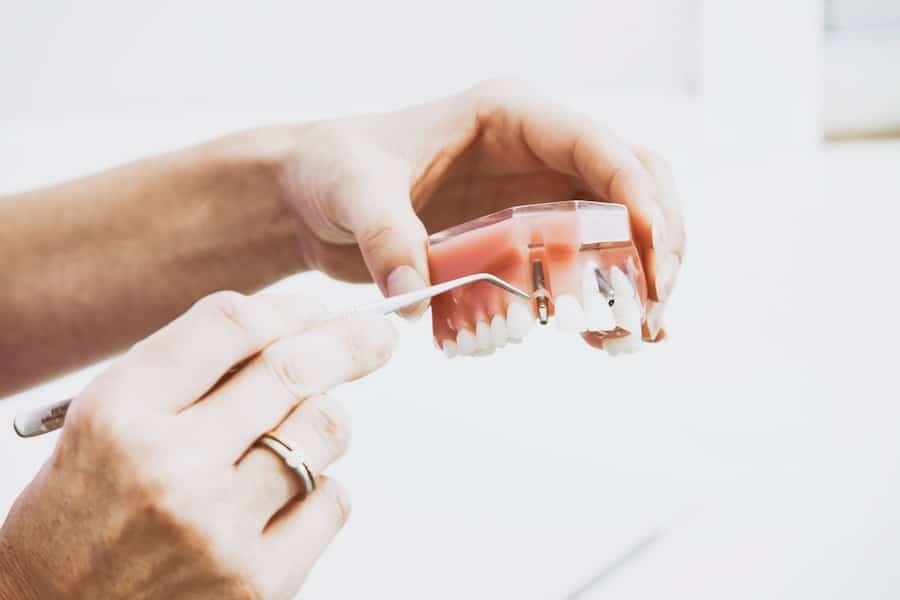
The Positive Effects of the Ketogenic Diet on Gum Health
Reducing sugar intake can lower inflammation levels in the body, which may benefit gum health by reducing the risk of gum disease.
The Negative Effects of the Ketogenic Diet on Gum Health
On the other hand, if you experience dry mouth or an imbalance in your oral microbiome due to the diet, these factors could contribute to gum issues.
Promoting Healthy Gums on a Ketogenic Diet
To promote healthy gums while following a ketogenic lifestyle, it’s essential to prioritize oral hygiene and consider incorporating anti-inflammatory foods into your diet. Foods rich in omega-3 fatty acids, such as fatty fish or flaxseeds (if they fit within your carb limits), can help reduce inflammation throughout the body, including in your gums. Regular dental check-ups are also crucial; your dentist can monitor your gum health and provide guidance tailored to your specific dietary choices.
Potential Side Effects of Keto on Oral Health
While many individuals experience positive outcomes from adopting a ketogenic diet, it’s important to be aware of potential side effects that may arise concerning oral health. In addition to dry mouth and bad breath, some people may experience changes in taste perception or increased sensitivity in their teeth and gums during the initial stages of the diet. These side effects are often temporary but can be uncomfortable nonetheless.
Another potential concern is the risk of nutrient deficiencies that may arise from strict adherence to the keto diet. If you’re not careful about including a variety of nutrient-dense foods in your meals, you may miss out on essential vitamins and minerals that support oral health. For instance, calcium and vitamin D are crucial for maintaining strong teeth and bones.
To mitigate these risks, consider working with a healthcare professional or nutritionist who can help you create a balanced meal plan that meets both your dietary goals and nutritional needs.
Tips for Maintaining Dental Health While on the Keto Diet
As you navigate the challenges of maintaining dental health while following a ketogenic diet, there are several practical tips you can implement to support your oral well-being. First and foremost, prioritize hydration; drinking plenty of water throughout the day will help combat dry mouth and promote saliva production. You might also consider incorporating sugar-free beverages or herbal teas into your routine for added variety.
In addition to staying hydrated, focus on maintaining excellent oral hygiene practices. Brush your teeth at least twice a day with fluoride toothpaste and floss daily to remove plaque buildup between teeth. Regular dental check-ups are essential for monitoring any changes in your oral health and addressing potential issues before they escalate.
Lastly, be mindful of your food choices within the framework of the keto diet. Opt for nutrient-dense foods that support dental health while keeping carbohydrates low. Incorporate healthy fats like avocados and nuts along with low-carb vegetables to ensure you’re getting a well-rounded diet that supports both weight loss and oral health.
By taking these proactive steps while following a ketogenic lifestyle, you can enjoy the benefits of this popular diet without compromising your dental well-being. Remember that every individual’s experience with the keto diet is unique; staying informed about its effects on your body will empower you to make choices that align with both your health goals and oral care needs.
FAQs
What is the keto diet?
The keto diet is a high-fat, low-carbohydrate diet that has been shown to help with weight loss and improve certain health conditions such as epilepsy and diabetes.
How does the keto diet affect dental health?
The keto diet can affect dental health in several ways. The reduction in carbohydrate intake can lead to a decrease in the consumption of sugary and starchy foods, which can help reduce the risk of tooth decay. However, the increase in fat and protein consumption can lead to an increase in acidity in the mouth, which can contribute to tooth erosion and decay.
What are some tips for maintaining dental health while on the keto diet?
Some tips for maintaining dental health while on the keto diet include staying hydrated to help reduce acidity in the mouth, practicing good oral hygiene by brushing and flossing regularly, and consuming a variety of nutrient-dense foods to ensure overall health and wellbeing.
Are there any specific dental concerns for people on the keto diet?
Some specific dental concerns for people on the keto diet include an increased risk of tooth erosion and decay due to the increase in acidity in the mouth from consuming high-fat and high-protein foods. It is important for individuals on the keto diet to be mindful of their oral health and take steps to mitigate these risks.