
The ketogenic diet, commonly referred to as the keto diet, has gained immense popularity in recent years, attracting attention from health enthusiasts, researchers, and the general public alike. This low-carbohydrate, high-fat diet is designed to shift your body’s metabolism from relying on glucose for energy to utilizing fat as its primary fuel source. By drastically reducing carbohydrate intake and increasing fat consumption, you enter a metabolic state known as ketosis.
In this state, your body becomes highly efficient at burning fat for energy, which can lead to significant weight loss and various health benefits. As you embark on the keto journey, you may find that it not only influences your physical appearance but also impacts your overall health and well-being. Many individuals report improved mental clarity, increased energy levels, and reduced cravings.
However, the implications of the keto diet extend beyond weight management and general health; emerging research suggests that it may also play a role in cellular health, particularly concerning stem cells. Understanding the intricate relationship between the keto diet and stem cells can open new avenues for therapeutic applications and enhance our comprehension of cellular regeneration and repair.
Key Takeaways
- The keto diet is a high-fat, low-carbohydrate diet that has gained popularity for its potential health benefits.
- Stem cells are undifferentiated cells that have the ability to develop into different types of cells in the body.
- Research suggests that the keto diet may have a positive impact on the proliferation of stem cells.
- The keto diet may also play a role in promoting the differentiation of stem cells into specific cell types.
- The combination of the keto diet and stem cell therapy has potential therapeutic applications in various medical conditions.
What are Stem Cells?
Stem cells are unique cells in your body with the remarkable ability to develop into various cell types. They serve as a sort of internal repair system, capable of dividing and renewing themselves for extended periods. There are two primary types of stem cells: embryonic stem cells and adult stem cells.
Embryonic stem cells are derived from early-stage embryos and can differentiate into any cell type in the body, making them incredibly versatile. In contrast, adult stem cells are found in specific tissues and have a more limited capacity for differentiation, typically giving rise to cell types relevant to their tissue of origin. The significance of stem cells lies in their potential for regeneration and repair.
They play a crucial role in healing damaged tissues and organs, making them a focal point in regenerative medicine. For instance, when you sustain an injury, adult stem cells in the affected area can activate and proliferate to replace lost or damaged cells. This regenerative capability has led to extensive research into harnessing stem cells for therapeutic purposes, including treating degenerative diseases, injuries, and even certain types of cancer.
The Relationship Between Keto Diet and Stem Cells
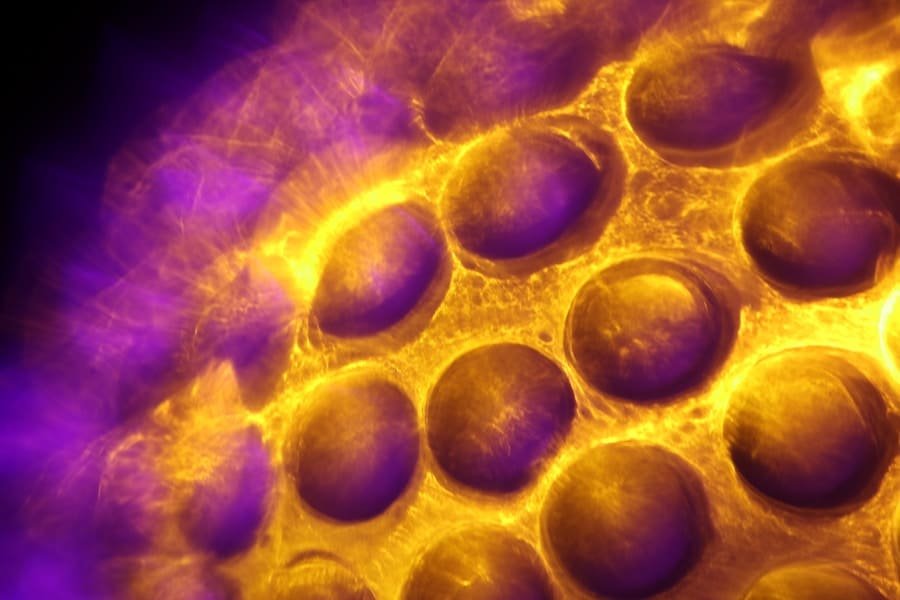
The relationship between the keto diet and stem cells is an emerging area of research that has garnered attention due to its potential implications for health and longevity. As you delve deeper into this connection, you may discover that the metabolic changes induced by the keto diet can influence stem cell behavior. The shift to ketosis alters the availability of nutrients and energy substrates, which can impact how stem cells function and respond to their environment.
One of the key aspects of this relationship is the effect of ketone bodies—byproducts of fat metabolism—on cellular processes. Ketone bodies have been shown to possess anti-inflammatory properties and can modulate cellular signaling pathways that are crucial for stem cell maintenance and differentiation. By adopting a ketogenic lifestyle, you may not only support your weight loss goals but also create an environment that promotes optimal stem cell function.
Impact of Keto Diet on Stem Cell Proliferation
Research indicates that the keto diet may positively influence stem cell proliferation, which is essential for tissue regeneration and repair. When you follow a ketogenic diet, your body produces higher levels of ketone bodies such as beta-hydroxybutyrate (BHB). These ketones have been shown to enhance the proliferation of certain types of stem cells, particularly neural stem cells.
This is particularly exciting because it suggests that dietary choices can directly impact your body’s ability to regenerate tissues. Moreover, the reduction in glucose availability during ketosis may also play a role in promoting stem cell proliferation. High glucose levels can lead to increased oxidative stress and inflammation, which can hinder stem cell function.
By lowering carbohydrate intake and shifting your metabolism towards fat utilization, you may create a more favorable environment for stem cell growth and activity. This could have significant implications for recovery from injuries or degenerative conditions where stem cell proliferation is critical.
The Role of Keto Diet in Stem Cell Differentiation
In addition to promoting proliferation, the keto diet may also influence how stem cells differentiate into specialized cell types. Differentiation is a crucial process that allows stem cells to develop into specific cells needed for various functions in the body. The metabolic state induced by the keto diet can affect signaling pathways that govern this process.
For instance, studies have suggested that ketone bodies can enhance the differentiation of mesenchymal stem cells into osteoblasts (bone-forming cells) and adipocytes (fat cells). This means that by following a ketogenic diet, you might not only support the growth of new stem cells but also guide them toward becoming specific cell types that are beneficial for your health. This dual effect could be particularly advantageous for individuals looking to improve bone health or manage body composition.
Potential Therapeutic Applications of Keto Diet and Stem Cells

Revolutionizing Neurodegenerative Disease Therapies
For instance, in neurodegenerative diseases such as Alzheimer’s or Parkinson’s, enhancing neural stem cell proliferation and differentiation via dietary interventions could offer new avenues for therapy.
Mitigating Inflammation Challenge in Stem Cell Therapies
The anti-inflammatory properties of ketone bodies may help mitigate some of the challenges associated with stem cell therapies. Inflammation can hinder the effectiveness of stem cell treatments by creating an unfavorable environment for cell survival and integration into existing tissues.
Enhancing Stem Cell Therapy Success Rates
By adopting a ketogenic diet prior to or during stem cell therapy, you may enhance the overall success rate of these treatments.
Considerations and Risks of Keto Diet on Stem Cells
While the potential benefits of the keto diet on stem cells are intriguing, it is essential to approach this dietary change with caution. Not everyone responds to the keto diet in the same way; some individuals may experience adverse effects such as nutrient deficiencies or gastrointestinal issues due to the restrictive nature of the diet. It’s crucial to ensure that you are still obtaining essential vitamins and minerals while following a ketogenic lifestyle.
Moreover, long-term adherence to a strict keto diet may not be suitable for everyone, especially those with certain medical conditions or metabolic disorders. Consulting with a healthcare professional before making significant dietary changes is advisable to ensure that it aligns with your individual health needs and goals. Balancing the potential benefits with possible risks will help you make informed decisions about incorporating the keto diet into your lifestyle.
Conclusion and Future Research on Keto Diet and Stem Cells
In conclusion, the relationship between the keto diet and stem cells presents an exciting frontier in nutritional science and regenerative medicine. As you explore this connection further, consider how dietary choices can influence cellular health and overall well-being. The potential for using dietary interventions like the keto diet to enhance stem cell function opens up new possibilities for treating various health conditions.
Future research will be crucial in unraveling the complexities of this relationship. Investigating how different macronutrient compositions affect stem cell behavior will provide deeper insights into optimizing dietary strategies for health benefits. As science continues to evolve, staying informed about these developments will empower you to make choices that support both your health goals and cellular vitality.
FAQs
What is the ketogenic diet?
The ketogenic diet is a high-fat, adequate-protein, low-carbohydrate diet that has been used to treat epilepsy and other neurological disorders. It involves drastically reducing carbohydrate intake and replacing it with fat, which puts the body into a metabolic state called ketosis.
How does the ketogenic diet affect stem cells?
Research suggests that the ketogenic diet may have a positive impact on stem cells. Studies have shown that ketone bodies, which are produced during ketosis, can enhance the function of stem cells and promote their regenerative abilities.
What are stem cells?
Stem cells are undifferentiated cells that have the potential to develop into different types of cells in the body. They play a crucial role in tissue repair, regeneration, and maintenance.
What are the potential benefits of the ketogenic diet on stem cells?
Some potential benefits of the ketogenic diet on stem cells include enhanced regenerative capacity, improved cellular stress resistance, and increased longevity of stem cells. These effects could have implications for various health conditions and aging-related processes.
Are there any potential risks or drawbacks of the ketogenic diet on stem cells?
While research on the topic is ongoing, some studies have suggested that the ketogenic diet may have both positive and negative effects on stem cells. More research is needed to fully understand the long-term impact of the ketogenic diet on stem cell function and overall health.