
The ketogenic diet, commonly referred to as the keto diet, has gained immense popularity in recent years as a weight-loss strategy and a means to manage various health conditions. This low-carbohydrate, high-fat diet encourages your body to enter a state of ketosis, where it burns fat for fuel instead of carbohydrates. While many people have experienced significant benefits from adopting this dietary approach, it is essential to consider how such a drastic change in eating habits can affect your overall health, particularly your kidney function.
Your kidneys play a crucial role in filtering waste products from your blood, regulating fluid balance, and maintaining electrolyte levels. Therefore, understanding the relationship between the keto diet and kidney health is vital for anyone considering this lifestyle change. As you embark on the keto journey, it is crucial to be aware of how your dietary choices can impact your kidneys.
The diet’s high-fat content and low carbohydrate intake can lead to changes in your metabolism and the way your body processes nutrients. While many individuals report positive outcomes, such as weight loss and improved energy levels, there are potential risks that you should be mindful of. This article will explore the intricate relationship between the keto diet and kidney function, shedding light on the role of ketones, the impact on kidney health, potential risks, and how to implement the diet safely.
Key Takeaways
- The keto diet is a high-fat, low-carbohydrate diet that has gained popularity for its potential health benefits, including weight loss and improved blood sugar control.
- Ketones, produced during the keto diet, may have a protective effect on kidney function by reducing inflammation and oxidative stress.
- While the keto diet may have some potential benefits for kidney health, it can also pose risks, such as an increased risk of kidney stones and potential negative effects on kidney function in individuals with pre-existing kidney disease.
- It is important to consult with a healthcare professional before starting the keto diet, especially for individuals with pre-existing kidney conditions, to ensure it is safe and appropriate for their specific health needs.
- Regular monitoring of kidney function through blood tests and urine analysis is crucial for individuals following the keto diet, to detect any potential changes and make necessary adjustments to their diet or treatment plan.
The Role of Ketones in Kidney Function
The Benefits of Ketones
This metabolic shift can have several implications for your kidney function. Ketones themselves are not harmful; in fact, they can provide several benefits. They may help reduce inflammation and oxidative stress, which are often linked to chronic kidney disease.
The Potential Drawbacks
However, the increased production of ketones can also lead to changes in your body’s acid-base balance. This shift may require your kidneys to work harder to maintain proper pH levels in your blood. If you have healthy kidneys, this adjustment may not pose significant issues.
Special Considerations for Those with Kidney Conditions
However, if you have kidney function, the increased workload could potentially exacerbate existing problems. Understanding this process is essential for anyone considering the keto diet, especially if you have pre-existing kidney conditions.
The Impact of Keto Diet on Kidney Health

The impact of the keto diet on kidney health can vary significantly from person to person. For some individuals, particularly those with healthy kidneys, the diet may lead to improved metabolic markers and weight loss without any adverse effects on kidney function. In fact, some studies suggest that a ketogenic approach may even benefit certain kidney conditions by reducing proteinuria (the presence of excess protein in urine) and improving overall kidney function.
However, for others—especially those with pre-existing kidney issues—the keto diet may pose risks. The high protein intake often associated with ketogenic diets can place additional strain on the kidneys, as they must work harder to filter out the byproducts of protein metabolism. This increased workload can lead to further deterioration of kidney function over time.
Therefore, it is crucial for you to assess your individual health status and consult with a healthcare professional before making significant dietary changes.
Potential Risks and Side Effects of Keto Diet on Kidney Function
While many people experience positive outcomes from the keto diet, it is essential to be aware of potential risks and side effects that could affect your kidney function. One significant concern is the risk of dehydration. The initial stages of the keto diet often lead to rapid water loss due to decreased carbohydrate intake, which can result in electrolyte imbalances and increased strain on your kidneys.
Staying adequately hydrated is crucial for maintaining optimal kidney function while on this diet. Another potential risk is the development of kidney stones. The high levels of uric acid that can result from a ketogenic diet may increase your likelihood of forming stones, particularly if you are not consuming enough fluids or if your diet is excessively high in animal proteins.
If you have a history of kidney stones or other renal issues, it is vital to monitor your dietary choices closely and ensure you are consuming adequate amounts of water and electrolytes.
How to Safely Implement Keto Diet for Kidney Health
If you are considering adopting a ketogenic diet while being mindful of your kidney health, there are several strategies you can employ to do so safely. First and foremost, consulting with a healthcare professional or a registered dietitian is essential. They can help you tailor the diet to meet your specific needs while ensuring that you are not placing undue stress on your kidneys.
Incorporating a variety of nutrient-dense foods into your keto meal plan is also crucial. Focus on healthy fats such as avocados, nuts, seeds, and olive oil while ensuring that you consume adequate amounts of non-starchy vegetables. These foods provide essential vitamins and minerals that support overall health and can help mitigate some risks associated with the diet.
Additionally, monitoring your protein intake is vital; aim for moderate protein consumption rather than excessive amounts that could strain your kidneys.
Research and Studies on Keto Diet and Kidney Function
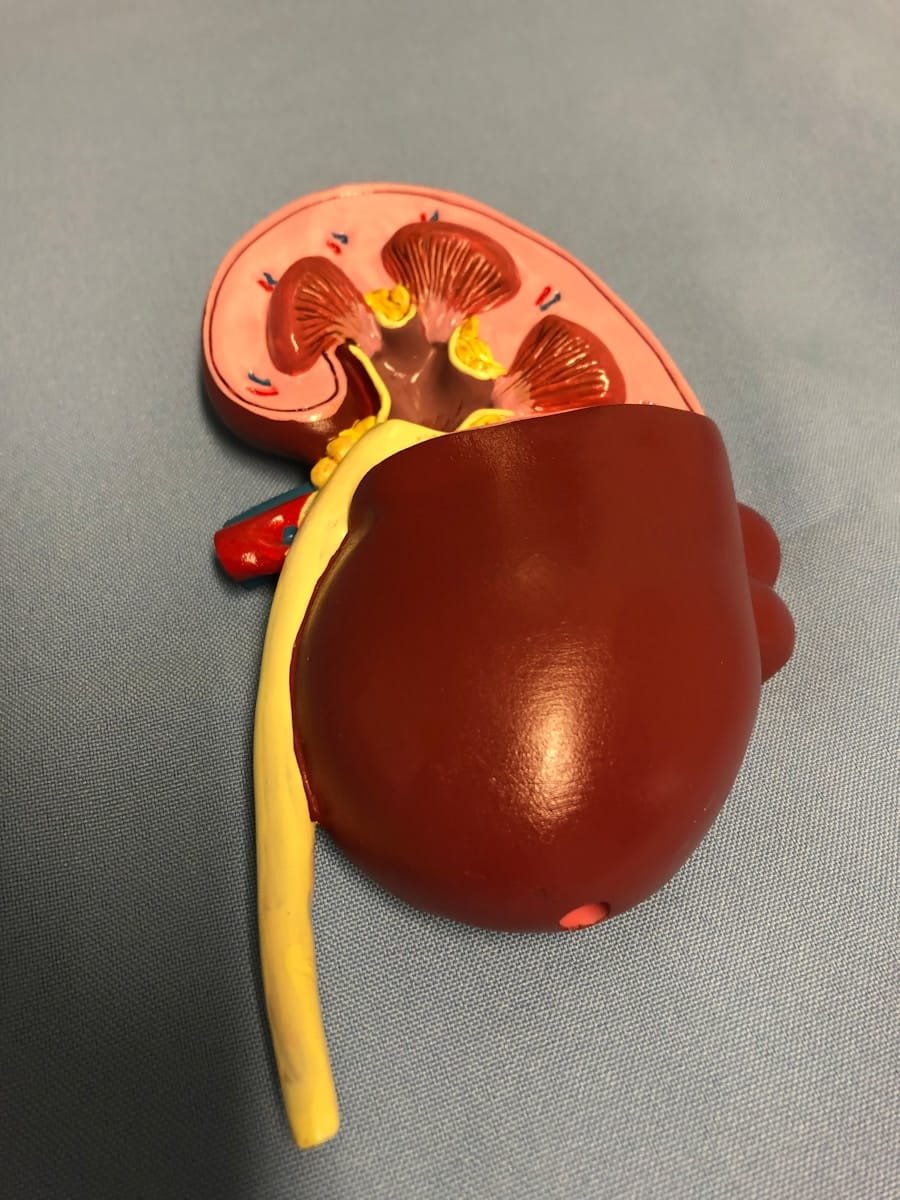
Protective Effects on Kidney Health
Some studies suggest that a well-formulated ketogenic diet may have protective effects on kidney health in certain populations, particularly those with obesity or type 2 diabetes. These studies indicate that weight loss achieved through a ketogenic approach can lead to improvements in metabolic markers that are beneficial for kidney function.
Potential Risks
However, other studies highlight potential risks associated with high protein intake and dehydration on a ketogenic diet. For individuals with pre-existing kidney conditions, these risks may outweigh the benefits.
Staying Informed
It is essential for you to stay informed about ongoing research in this area and consider how it applies to your unique health situation.
Tips for Monitoring Kidney Function while on Keto Diet
Monitoring your kidney function while following a ketogenic diet is crucial for ensuring that you maintain optimal health throughout your dietary journey. Regular check-ups with your healthcare provider can help assess your kidney function through blood tests that measure creatinine levels and glomerular filtration rate (GFR). These tests provide valuable information about how well your kidneys are functioning and whether any adjustments need to be made to your diet.
In addition to medical monitoring, paying attention to how you feel while on the keto diet is essential. Be vigilant for any signs of dehydration or changes in urination patterns, as these could indicate potential issues with kidney function. Keeping a food diary can also help you track your nutrient intake and ensure that you are meeting your dietary goals without overloading your kidneys.
Conclusion and Recommendations for Keto Diet and Kidney Health
In conclusion, while the ketogenic diet offers numerous benefits for many individuals, it is essential to approach it with caution—especially if you have concerns about your kidney health. Understanding the relationship between ketones and kidney function can help you make informed decisions about whether this dietary approach is right for you. By consulting with healthcare professionals, monitoring your nutrient intake, and staying aware of potential risks, you can implement a ketogenic lifestyle that supports both weight loss and kidney health.
Ultimately, every individual’s body responds differently to dietary changes. Therefore, it is crucial for you to listen to your body and prioritize your overall well-being as you navigate the complexities of the keto diet. With careful planning and consideration, you can enjoy the benefits of this popular dietary approach while safeguarding your kidney function for years to come.
FAQs
What is the ketogenic diet?
The ketogenic diet is a high-fat, low-carbohydrate diet that has been used to treat epilepsy since the 1920s. It has gained popularity in recent years for its potential benefits in weight loss and improving certain health conditions.
How does the ketogenic diet influence kidney function?
The ketogenic diet may have both positive and negative effects on kidney function. Some studies suggest that the diet may reduce the risk of kidney stones and improve certain markers of kidney health, while others indicate that it may put strain on the kidneys due to increased protein intake and dehydration.
Can the ketogenic diet cause kidney stones?
There is some evidence to suggest that the ketogenic diet may reduce the risk of kidney stones due to its low-carbohydrate and high-fat nature. However, it is important to stay well-hydrated and monitor mineral intake to prevent the formation of kidney stones.
Is the ketogenic diet safe for people with kidney disease?
People with kidney disease should consult with a healthcare professional before starting the ketogenic diet, as it may not be suitable for everyone. The high protein and fat intake in the diet could potentially worsen kidney function in some individuals.
What are some tips for maintaining kidney health while on the ketogenic diet?
To maintain kidney health while on the ketogenic diet, it is important to stay well-hydrated, monitor mineral intake, and ensure a balanced intake of protein, fats, and carbohydrates. Consulting with a healthcare professional and getting regular kidney function tests is also recommended.