
In today’s world, the quest for a healthier lifestyle often leads you to explore various dietary options. With an abundance of information available, it can be overwhelming to navigate through the myriad of diets that promise quick results and improved well-being. From the Mediterranean diet, known for its heart-healthy benefits, to the paleo diet, which emphasizes whole foods and eliminates processed items, each approach has its unique philosophy and set of guidelines.
As you embark on your journey toward better health, understanding these popular diets can help you make informed choices that align with your personal goals and lifestyle. Among the most talked-about diets in recent years is the ketogenic diet, or keto for short. This low-carbohydrate, high-fat diet has gained a significant following due to its potential for rapid weight loss and other health benefits.
However, it is essential to recognize that no single diet is universally effective for everyone. Your individual needs, preferences, and health conditions play a crucial role in determining which dietary approach may work best for you. In this article, we will delve into the specifics of the keto diet, compare its macronutrient ratios with other diets, and explore its impact on weight loss, energy levels, mental clarity, and long-term sustainability.
Key Takeaways
- There are many popular diets to choose from, each with its own unique approach to nutrition and weight management.
- The Keto diet is a low-carb, high-fat diet that has gained popularity for its potential to promote weight loss and improve certain health markers.
- When comparing macronutrient ratios, the Keto diet typically consists of 70-75% fat, 20-25% protein, and 5-10% carbohydrates.
- The Keto diet may lead to significant weight loss, especially in the initial stages as the body enters a state of ketosis.
- Some individuals on the Keto diet report increased energy levels and improved mental clarity, although individual experiences may vary.
Overview of the Keto Diet
The ketogenic diet is designed to shift your body’s metabolism from relying on carbohydrates for energy to utilizing fats instead. By drastically reducing your carbohydrate intake and increasing your fat consumption, you enter a metabolic state known as ketosis. In this state, your body becomes highly efficient at burning fat for fuel, which can lead to significant weight loss and other health improvements.
Typically, the macronutrient breakdown for a standard keto diet consists of approximately 70-75% fat, 20-25% protein, and only about 5-10% carbohydrates. As you consider adopting the keto diet, it’s important to understand what foods are included and excluded. Foods such as avocados, nuts, seeds, fatty fish, and oils are staples of this diet, while bread, pasta, grains, and most fruits are generally avoided.
This shift in dietary focus can be challenging at first, especially if you are accustomed to a higher carbohydrate intake. However, many people find that once they adapt to this new way of eating, they experience reduced cravings and increased satiety.
Comparison of Macronutrient Ratios
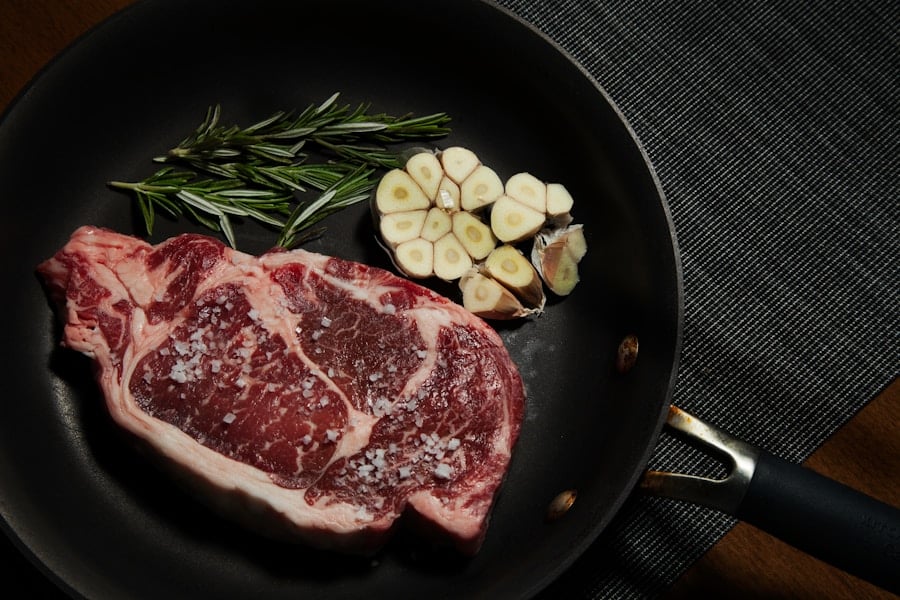
When comparing the macronutrient ratios of the keto diet to other popular diets, it becomes clear that keto stands out due to its high-fat content. For instance, the Mediterranean diet typically consists of about 40% carbohydrates, 30% fats, and 30% protein. This diet emphasizes whole grains, fruits, vegetables, and healthy fats like olive oil while allowing for moderate consumption of fish and poultry.
In contrast, the paleo diet focuses on lean meats, fish, fruits, vegetables, nuts, and seeds while excluding grains and dairy. Its macronutrient distribution can vary widely but often leans towards higher protein intake. Understanding these differences is crucial as you evaluate which diet may suit your lifestyle best.
The high-fat nature of the keto diet can be appealing if you enjoy foods like cheese and avocados; however, it may not be suitable for everyone. If you prefer a more balanced approach that includes a variety of food groups, diets like the Mediterranean or paleo may be more appropriate. Ultimately, your choice should reflect not only your health goals but also your personal preferences and how sustainable you find each dietary approach.
Impact on Weight Loss
One of the primary reasons many individuals turn to the keto diet is its potential for rapid weight loss. By significantly reducing carbohydrate intake, your body begins to burn stored fat for energy instead of relying on glucose from carbs. This process can lead to quick initial weight loss due to water loss as glycogen stores are depleted.
Many people report losing several pounds within the first week or two of starting the keto diet. However, it’s essential to recognize that while initial weight loss can be motivating, long-term success requires more than just a quick fix. As you continue on the keto journey, weight loss may slow down as your body adjusts to this new metabolic state.
It’s crucial to maintain a caloric deficit while ensuring you’re consuming nutrient-dense foods to support overall health. Additionally, incorporating regular physical activity can enhance your weight loss efforts and help you achieve sustainable results over time.
Effects on Energy Levels and Mental Clarity
Many individuals who adopt the keto diet report experiencing increased energy levels and improved mental clarity after transitioning into ketosis. Initially, you may feel fatigued or experience what is commonly referred to as the “keto flu,” which can include symptoms like headaches and irritability as your body adapts to burning fat for fuel. However, once you are fully in ketosis, many people find that their energy levels stabilize throughout the day without the typical crashes associated with high-carb diets.
Moreover, some studies suggest that ketones—produced during fat metabolism—may have neuroprotective effects that enhance cognitive function. As you adjust to this new way of eating, you might notice improved focus and concentration during tasks that require mental effort. This heightened mental clarity can be particularly beneficial for those who need sustained attention throughout their day.
Considerations for Long-Term Sustainability

While the keto diet may offer short-term benefits in terms of weight loss and energy levels, it’s essential to consider its long-term sustainability. Adhering strictly to a low-carb lifestyle can be challenging over time due to social situations involving food or cravings for previously enjoyed high-carb items. As you navigate these challenges, it’s important to assess whether this restrictive approach aligns with your lifestyle and personal preferences.
To enhance sustainability while following a keto diet, consider incorporating flexible strategies such as cyclical keto or targeted keto approaches. Cyclical keto involves alternating between periods of strict ketosis and higher carb intake on certain days to allow for more variety in your meals. Targeted keto allows for small amounts of carbohydrates around workouts to support performance without fully breaking ketosis.
These adaptations can help you maintain a balanced relationship with food while still reaping the benefits of a low-carb lifestyle.
Potential Health Benefits and Risks
The ketogenic diet has been associated with several potential health benefits beyond weight loss. Research suggests that it may help improve insulin sensitivity and lower blood sugar levels in individuals with type 2 diabetes. Additionally, some studies indicate that the keto diet may have therapeutic effects for neurological disorders such as epilepsy and Alzheimer’s disease due to its ability to provide an alternative energy source for brain cells.
However, it’s crucial to be aware of potential risks associated with long-term adherence to a ketogenic lifestyle. Some individuals may experience nutrient deficiencies if they do not carefully plan their meals to include a variety of nutrient-dense foods. Furthermore, there are concerns about the impact of high saturated fat intake on heart health; thus, choosing healthy fats from sources like avocados and olive oil is essential.
Consulting with a healthcare professional before making significant dietary changes can help mitigate these risks and ensure that you are making informed decisions about your health.
Conclusion and Recommendations
In conclusion, exploring different popular diets can provide valuable insights into what may work best for you on your journey toward better health. The ketogenic diet offers unique benefits such as rapid weight loss and increased energy levels; however, it also comes with challenges related to long-term sustainability and potential health risks. As you consider adopting this or any other dietary approach, it’s essential to evaluate your personal preferences, lifestyle factors, and health goals.
If you decide to try the keto diet or any other dietary plan, remember that balance is key. Focus on incorporating a variety of nutrient-dense foods while listening to your body’s needs. Consulting with a healthcare professional or registered dietitian can provide personalized guidance tailored to your specific circumstances.
Ultimately, finding a sustainable approach that promotes both physical health and mental well-being will lead you toward lasting success on your health journey.
FAQs
What is the keto diet?
The keto diet is a high-fat, low-carbohydrate diet that aims to put the body into a state of ketosis, where it burns fat for fuel instead of carbohydrates.
How does the keto diet compare to other popular diets like the Atkins diet?
The keto diet and the Atkins diet are both low-carbohydrate diets, but the keto diet typically involves a higher intake of healthy fats and a lower intake of protein compared to the Atkins diet.
How does the keto diet compare to other popular diets like the Mediterranean diet?
The keto diet is significantly different from the Mediterranean diet, which emphasizes whole grains, fruits, vegetables, and healthy fats like olive oil. The keto diet restricts carbohydrate intake to a much greater extent.
How does the keto diet compare to other popular diets like the Paleo diet?
The keto diet and the Paleo diet both limit carbohydrate intake, but the Paleo diet focuses on consuming whole, unprocessed foods while the keto diet emphasizes high-fat, low-carb foods to achieve ketosis.
How does the keto diet compare to other popular diets like the vegan diet?
The keto diet is high in animal products and fats, while the vegan diet excludes all animal products. The two diets are fundamentally different in their approach to food choices and macronutrient intake.





