
As you embark on the journey of the ketogenic lifestyle, you may find yourself intrigued by its potential benefits and challenges. The ketogenic diet, often referred to as keto, is a high-fat, low-carbohydrate eating plan that aims to shift your body into a state of ketosis. In this metabolic state, your body becomes adept at burning fat for fuel instead of carbohydrates, which can lead to weight loss and improved energy levels.
However, the keto lifestyle is not just about what you eat; it encompasses a broader perspective on health, sustainability, and ethical considerations. Adopting a ketogenic lifestyle requires a significant shift in your dietary habits. You will need to prioritize foods rich in healthy fats, such as avocados, nuts, and olive oil, while minimizing your intake of carbohydrates found in grains, sugars, and starchy vegetables.
This transition can be both exciting and daunting, as you explore new recipes and food combinations that align with your dietary goals. As you delve deeper into the keto world, you may also begin to consider the environmental and ethical implications of your food choices, prompting a more holistic approach to your health and well-being.
Key Takeaways
- The ketogenic lifestyle focuses on high-fat, low-carb eating to promote weight loss and improve overall health.
- The environmental impact of the ketogenic diet is significant, as it often relies on animal products and can contribute to deforestation and greenhouse gas emissions.
- Ethical considerations in ketogenic food choices include the treatment of animals and the impact of food production on local communities and ecosystems.
- Sustainable food sourcing for a keto diet involves choosing grass-fed and pasture-raised animal products, as well as organic and locally grown produce.
- Reducing food waste in a ketogenic lifestyle can be achieved through meal planning, proper storage, and creative use of leftovers.
The Environmental Impact of the Ketogenic Diet
Sustainable Sourcing for a Greener Keto
By choosing sustainably sourced animal products, you can reduce the negative environmental effects associated with conventional farming practices. This conscious approach to food sourcing can make a significant difference in mitigating the ecological consequences of your dietary choices.
Reducing Processed Foods for a Healthier Planet
The ketogenic diet can lead to a reduction in processed foods, which often require extensive resources for production and packaging. By prioritizing whole foods and minimizing your reliance on processed snacks and meals, you can contribute to a more sustainable food system.
A Healthier You, a Healthier Planet
This shift not only benefits your health but also supports environmental conservation efforts.
Ethical Considerations in Ketogenic Food Choices

When adopting a ketogenic lifestyle, ethical considerations play a crucial role in shaping your food choices. The diet’s emphasis on animal products raises questions about animal welfare and the ethical implications of consuming meat and dairy. As you explore these issues, you may feel compelled to seek out ethically raised animals that are treated humanely and sustainably.
This could involve choosing grass-fed beef, free-range poultry, or organic dairy products that prioritize animal welfare. Additionally, the ethical implications of food sourcing extend beyond animal welfare. You may also consider the impact of your food choices on local communities and economies.
Supporting local farmers who practice sustainable agriculture can help foster a more equitable food system while reducing the carbon footprint associated with transporting food over long distances. By being mindful of where your food comes from and how it is produced, you can align your dietary choices with your ethical beliefs and contribute to a more compassionate world.
Sustainable Food Sourcing for Keto Diet
Sustainable food sourcing is a vital aspect of maintaining a ketogenic lifestyle that aligns with your values. As you seek out high-quality ingredients for your meals, consider prioritizing local and seasonal produce that minimizes transportation emissions. Farmers’ markets are excellent places to find fresh vegetables and fruits that are grown without harmful pesticides or fertilizers.
By supporting local agriculture, you not only reduce your carbon footprint but also contribute to the vitality of your community. In addition to sourcing local produce, it’s essential to choose sustainably raised animal products. Look for certifications such as organic or pasture-raised when selecting meat and dairy items.
These labels often indicate that the animals were raised in humane conditions and fed a natural diet without antibiotics or hormones. By making conscious decisions about where your food comes from, you can enjoy the benefits of a ketogenic diet while promoting sustainable practices that protect the environment and support ethical farming.
Reducing Food Waste in a Ketogenic Lifestyle
Reducing food waste is an important consideration for anyone adopting a ketogenic lifestyle. As you plan your meals and shop for ingredients, it’s crucial to be mindful of how much food you purchase and how you store it. One effective strategy is to create meal plans that utilize ingredients across multiple dishes, ensuring that nothing goes to waste.
For instance, if you buy a head of cauliflower for one recipe, consider using the leftovers in another dish later in the week. Another way to minimize food waste is by properly storing your ingredients to extend their shelf life. Invest in airtight containers for perishables like meats and vegetables to keep them fresh for longer periods.
Additionally, consider freezing any excess food that you cannot consume right away. This not only helps reduce waste but also provides you with convenient meal options for busy days when cooking from scratch may not be feasible.
The Role of Plant-Based Foods in a Keto Diet
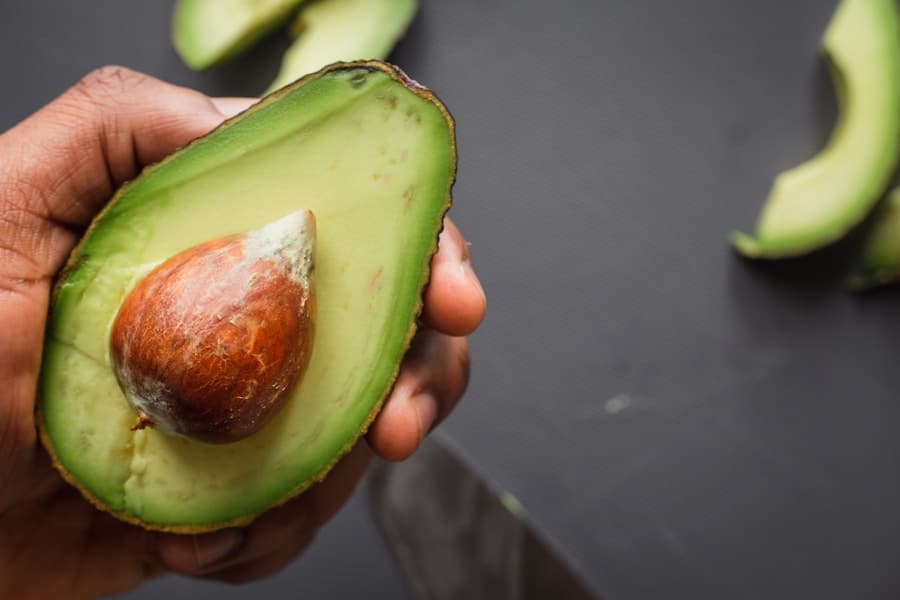
While the ketogenic diet is often associated with high-fat animal products, incorporating plant-based foods can enhance its nutritional profile and sustainability. You might be surprised to learn that many low-carb vegetables are not only keto-friendly but also packed with essential vitamins and minerals. Leafy greens like spinach and kale, cruciferous vegetables like broccoli and cauliflower, and healthy fats from avocados and nuts can all play a significant role in your keto meals.
Including plant-based foods in your diet can also help balance your macronutrient intake while providing fiber that supports digestive health. As you experiment with different recipes, consider creating dishes that highlight these nutrient-dense ingredients. For example, a cauliflower rice stir-fry with colorful bell peppers and zucchini can be both satisfying and nutritious while adhering to keto guidelines.
By embracing plant-based options within your ketogenic lifestyle, you can enjoy a diverse range of flavors while promoting overall health.
Supporting Local and Organic Farmers in a Keto Lifestyle
Supporting local and organic farmers is an integral part of living a ketogenic lifestyle that prioritizes sustainability and ethical considerations. When you choose to buy from local farmers’ markets or community-supported agriculture (CSA) programs, you’re not only getting fresh produce but also contributing to the local economy. This support helps small-scale farmers thrive while reducing the environmental impact associated with large-scale industrial farming.
Organic farming practices often prioritize soil health and biodiversity, which can lead to more nutrient-rich foods. By selecting organic options for your ketogenic meals, you’re making a conscious choice that benefits both your health and the environment. Additionally, many local farmers are committed to sustainable practices that minimize chemical use and promote animal welfare.
By forging connections with these farmers, you can gain insight into their methods and feel confident about the quality of the food you’re consuming.
Balancing Personal Health and Environmental Impact in a Ketogenic Lifestyle
As you navigate the complexities of a ketogenic lifestyle, finding balance between personal health and environmental impact is essential. While focusing on high-fat foods may lead to improved energy levels and weight loss for you personally, it’s crucial to remain aware of how these choices affect the planet. Striving for a balance means making informed decisions about what you eat while considering the broader implications of those choices.
You might find it helpful to regularly assess your dietary habits and their impact on both your health and the environment.
By maintaining this awareness, you can make adjustments as needed to ensure that your ketogenic lifestyle aligns with both your personal health goals and your commitment to environmental stewardship.
In conclusion, embracing a ketogenic lifestyle offers numerous benefits for personal health while also presenting opportunities for ethical considerations and sustainable practices. By being mindful of your food choices—whether through reducing waste, supporting local farmers, or incorporating plant-based options—you can create a balanced approach that nourishes both your body and the planet. As you continue on this journey, remember that every small change contributes to a larger impact on your health and the environment around you.
FAQs
What is the Ketogenic Lifestyle?
The ketogenic lifestyle, or keto diet, is a high-fat, low-carbohydrate eating plan that has been shown to help with weight loss, improve blood sugar control, and provide other health benefits.
How does the Ketogenic Lifestyle intersect with Environmental Sustainability?
The ketogenic lifestyle can intersect with environmental sustainability by promoting the consumption of whole, unprocessed foods, which can reduce the environmental impact of food production. Additionally, the emphasis on consuming more plant-based fats and proteins can lead to a lower carbon footprint compared to diets high in animal products.
What are Ethical Food Choices?
Ethical food choices refer to the consideration of the environmental, social, and ethical implications of food production and consumption. This can include factors such as animal welfare, fair labor practices, and sustainable farming methods.
How does the Ketogenic Lifestyle intersect with Ethical Food Choices?
The ketogenic lifestyle can intersect with ethical food choices by encouraging the consumption of sustainably sourced, humanely raised animal products and organic, locally grown produce. This can support ethical and sustainable food production practices.
What are some potential challenges in aligning the Ketogenic Lifestyle with Environmental Sustainability and Ethical Food Choices?
Challenges in aligning the ketogenic lifestyle with environmental sustainability and ethical food choices may include the sourcing of sustainable and ethically produced animal products, as well as the potential environmental impact of increased demand for certain high-fat, low-carbohydrate foods. Additionally, the emphasis on animal products in the keto diet may conflict with ethical considerations related to animal welfare and environmental impact.





