
To embark on a journey into the world of ketosis, it’s essential to grasp the fundamental concept of this metabolic state. Ketosis occurs when your body shifts from using glucose as its primary energy source to utilizing ketones, which are produced from fat. This transition typically happens when carbohydrate intake is significantly reduced, prompting your body to seek alternative fuel sources.
By limiting carbohydrates, you encourage your liver to convert fatty acids into ketones, which can then be used by your brain and muscles for energy. This metabolic shift can lead to various benefits, including weight loss, improved mental clarity, and enhanced energy levels. Understanding the role of carbohydrate intake in achieving and maintaining ketosis is crucial.
Carbohydrates are the body’s preferred source of energy, and when consumed in excess, they can hinder the process of entering ketosis. Generally, a daily carbohydrate intake of 20 to 50 grams is recommended for those aiming to achieve this state. However, individual tolerance can vary significantly based on factors such as age, activity level, and metabolic health.
Therefore, it’s vital to recognize that while reducing carbs is essential for ketosis, the specific amount you can consume without disrupting this state may differ from others.
Key Takeaways
- Ketosis is a metabolic state where the body burns fat for fuel instead of carbohydrates.
- Calculating your personal carbohydrate tolerance can help you determine the right amount of carbs to consume for ketosis.
- Fiber is important in ketosis as it can help regulate blood sugar levels and promote satiety.
- Monitoring blood ketone levels can help you track your progress and make adjustments to your carbohydrate intake.
- Adjusting carbohydrate intake for physical activity is crucial for maintaining ketosis and fueling your workouts effectively.
Calculating Your Personal Carbohydrate Tolerance
Determining your personal carbohydrate tolerance is a key step in successfully navigating a ketogenic lifestyle. This process involves experimenting with different levels of carbohydrate intake to identify the threshold at which your body remains in ketosis. Start by tracking your daily carbohydrate consumption meticulously for a week or two while monitoring how you feel and any changes in your body composition.
This initial phase will provide valuable insights into how your body responds to various carb levels. Once you have established a baseline, gradually adjust your carbohydrate intake. Increase or decrease your daily carbs by small increments—typically around 5 grams at a time—and observe how these changes affect your ketone levels and overall well-being.
Utilizing tools such as food diaries or mobile apps can help you keep track of your intake and any corresponding changes in energy levels or weight. Remember that this process may take time and patience, as finding the right balance is often a personal journey that requires careful observation and adjustment.
The Role of Fiber in Ketosis

Fiber plays a significant role in a ketogenic diet, often overlooked amidst the focus on carbohydrates and fats. While fiber is technically a carbohydrate, it is not digested by the body in the same way as other carbs. Instead, it passes through your digestive system largely intact, providing numerous health benefits without contributing to blood sugar spikes or disrupting ketosis.
Including high-fiber foods in your diet can help maintain digestive health, promote satiety, and support overall well-being.
Foods such as leafy greens, avocados, nuts, and seeds are excellent sources of fiber that can help you feel full and satisfied while keeping your carb intake low.
Additionally, fiber can aid in regulating blood sugar levels, which is particularly beneficial for those transitioning into ketosis. By focusing on high-fiber options, you can enjoy a diverse range of foods while still adhering to your carbohydrate limits.
Monitoring Blood Ketone Levels
Monitoring your blood ketone levels is an effective way to gauge whether you are successfully maintaining ketosis. There are several methods available for measuring ketones, including blood meters, breath analyzers, and urine strips. Blood meters are considered the most accurate method for tracking ketone levels, providing real-time feedback on your metabolic state.
Aim for blood ketone levels between 0.5 and 3.0 mmol/L to confirm that you are in nutritional ketosis. Regularly checking your ketone levels can help you make informed decisions about your diet and lifestyle choices. If you find that your levels are lower than desired, it may indicate that you need to further reduce carbohydrate intake or adjust other dietary components.
Conversely, if your levels are consistently high, it may be a sign that you can afford to increase your carb intake slightly without exiting ketosis. This ongoing monitoring allows you to fine-tune your approach and ensure that you remain within the desired range for optimal health benefits.
Adjusting Carbohydrate Intake for Physical Activity
Your level of physical activity plays a crucial role in determining how many carbohydrates you can consume while remaining in ketosis. Engaging in regular exercise can increase your carbohydrate tolerance since active muscles utilize glucose more efficiently. If you lead a highly active lifestyle or participate in intense workouts, you may find that you can incorporate slightly more carbohydrates into your diet without disrupting ketosis.
To optimize performance during physical activity while adhering to a ketogenic diet, consider timing your carbohydrate intake strategically. Consuming small amounts of fast-digesting carbs before or after workouts can provide an energy boost without significantly impacting your overall carb limit for the day.
The Impact of Different Types of Carbohydrates on Ketosis
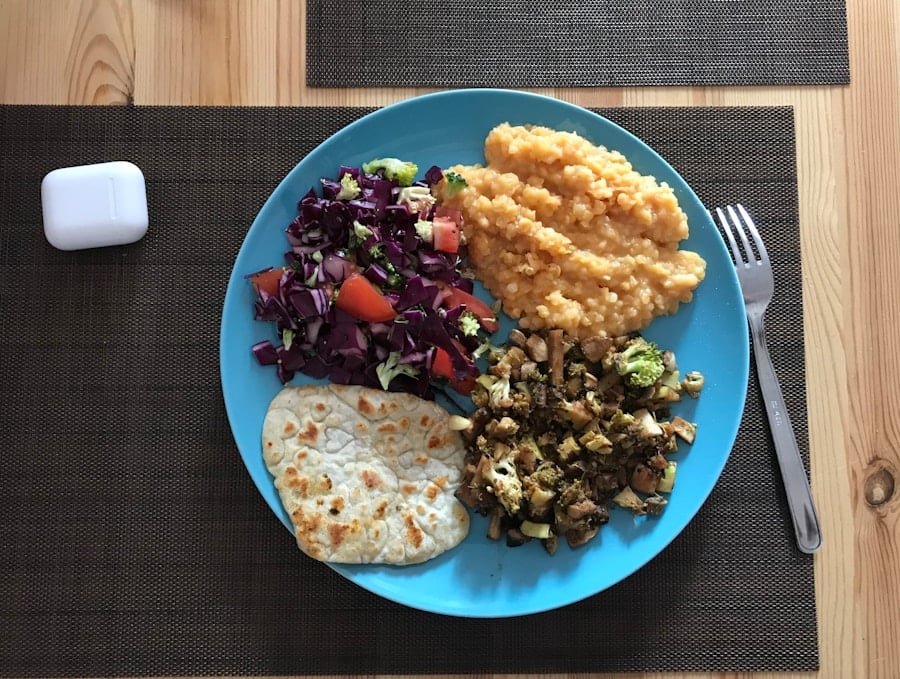
Not all carbohydrates are created equal when it comes to their impact on ketosis. Understanding the differences between simple and complex carbohydrates is essential for making informed dietary choices. Simple carbohydrates, found in sugary foods and refined grains, can cause rapid spikes in blood sugar levels and should be avoided on a ketogenic diet.
In contrast, complex carbohydrates—such as those found in whole foods like vegetables and legumes—are digested more slowly and have a lesser impact on blood sugar. Incorporating low-glycemic index foods into your diet can help maintain stable blood sugar levels while supporting ketosis. Foods like leafy greens, cruciferous vegetables, and berries are excellent choices that provide essential nutrients without derailing your progress.
By focusing on high-quality carbohydrates that align with your ketogenic goals, you can enjoy a diverse range of flavors while still adhering to your dietary restrictions.
Potential Risks of Consuming Too Many Carbs in Ketosis
While it may be tempting to indulge in higher carbohydrate foods occasionally, doing so can pose risks if you’re trying to maintain ketosis. Consuming too many carbs can quickly kick you out of this metabolic state, leading to a return to using glucose as your primary energy source. This shift not only undermines the benefits you’ve worked hard to achieve but may also result in unwanted side effects such as fatigue, brain fog, and cravings.
Additionally, frequent fluctuations between ketosis and non-ketosis can create metabolic confusion within your body. This inconsistency may hinder weight loss efforts and disrupt hormonal balance over time. To avoid these pitfalls, it’s essential to remain mindful of your carbohydrate intake and prioritize foods that support sustained ketosis rather than indulging in high-carb treats that could jeopardize your progress.
Tips for Finding the Right Balance of Carbs in Ketosis
Finding the right balance of carbohydrates while following a ketogenic diet requires a combination of self-awareness and experimentation. Start by setting clear goals for yourself regarding weight loss or health improvements and use these objectives as motivation to stay committed to your dietary choices. As you navigate this journey, remember that patience is key; it may take time to discover what works best for you.
Incorporating meal planning into your routine can also help streamline the process of maintaining balanced carb intake. By preparing meals ahead of time with low-carb ingredients and high-fiber options, you can reduce the temptation to reach for high-carb snacks when hunger strikes. Additionally, consider seeking support from online communities or local groups focused on ketogenic lifestyles; sharing experiences with others can provide valuable insights and encouragement as you work towards finding the right balance for yourself.
In conclusion, understanding ketosis and its relationship with carbohydrate intake is essential for anyone looking to adopt a ketogenic lifestyle successfully. By calculating personal carbohydrate tolerance, monitoring ketone levels, adjusting intake based on physical activity, and being mindful of different types of carbohydrates, you can navigate this dietary approach effectively. Remember that finding the right balance takes time and experimentation; with patience and dedication, you can achieve lasting results while enjoying the benefits of ketosis.
FAQs
What is ketosis?
Ketosis is a metabolic state in which the body burns fat for fuel instead of carbohydrates. This occurs when the body’s carbohydrate intake is very low, leading to the production of ketones as a byproduct of fat metabolism.
How many carbs can I eat and still stay in ketosis?
The amount of carbs that can be consumed while staying in ketosis varies from person to person. However, a general guideline is to consume 20-50 grams of net carbs per day to maintain ketosis.
What are net carbs?
Net carbs are calculated by subtracting the fiber content and sugar alcohols from the total carbohydrates in a food item. This is because fiber and sugar alcohols have minimal impact on blood sugar levels and therefore do not significantly affect ketosis.
What foods should I eat to stay in ketosis?
Foods that are low in carbohydrates and high in healthy fats and moderate in protein are ideal for maintaining ketosis. This includes foods such as meat, fish, eggs, nuts, seeds, avocados, and low-carb vegetables.
What foods should I avoid to stay in ketosis?
Foods that are high in carbohydrates, such as grains, starchy vegetables, fruits, and sugary foods, should be avoided to maintain ketosis. Additionally, processed foods and foods high in trans fats should also be limited.