The ketogenic diet, commonly referred to as the keto diet, is a high-fat, low-carbohydrate dietary regimen that has gained immense popularity in recent years. The primary goal of this diet is to shift the body’s metabolism from relying on glucose derived from carbohydrates to utilizing fat as its primary energy source. This metabolic state is known as ketosis, where the liver converts fatty acids into ketones, which can be used as an alternative fuel for the brain and body.
Typically, a standard keto diet consists of approximately 70-75% of total daily calories from fats, 20-25% from protein, and only about 5-10% from carbohydrates. The origins of the keto diet can be traced back to the early 20th century when it was initially developed as a treatment for epilepsy. Researchers discovered that fasting could reduce seizure frequency in patients, leading to the formulation of a diet that mimicked the metabolic effects of fasting without requiring complete abstinence from food.
Over time, the keto diet has evolved and is now often adopted for weight loss, improved mental clarity, and enhanced athletic performance. However, understanding the intricacies of this diet is crucial for anyone considering its implementation, particularly regarding macronutrient balance and the role of protein.
Key Takeaways
- The keto diet is a high-fat, moderate-protein, low-carb diet that aims to put the body in a state of ketosis.
- Protein is important on the keto diet for muscle maintenance, immune function, and satiety.
- Good sources of protein on the keto diet include meat, poultry, fish, eggs, and plant-based options like tofu and tempeh.
- Calculating protein needs on the keto diet involves determining your ideal body weight and multiplying it by a factor based on your activity level.
- Balancing protein with fat on the keto diet is essential for achieving and maintaining ketosis.
Importance of Protein on Keto
Protein plays a pivotal role in the ketogenic diet, serving multiple functions that are essential for overall health and well-being. While the primary focus of the keto diet is on fat consumption, protein is crucial for maintaining muscle mass, supporting metabolic processes, and ensuring proper bodily functions. Unlike carbohydrates, which can lead to insulin spikes and subsequent fat storage, protein helps stabilize blood sugar levels and promotes a feeling of fullness.
This is particularly important for individuals on a weight loss journey, as it can help mitigate cravings and reduce the likelihood of overeating. Moreover, protein is vital for muscle repair and growth, especially for those who engage in regular physical activity. When transitioning to a ketogenic lifestyle, individuals may experience a temporary loss of muscle mass due to reduced carbohydrate intake.
Adequate protein consumption can help counteract this effect by providing the necessary amino acids required for muscle synthesis. Additionally, protein has a higher thermic effect compared to fats and carbohydrates, meaning that the body expends more energy digesting and metabolizing protein. This can further support weight loss efforts while adhering to a ketogenic diet.
Protein Sources on Keto
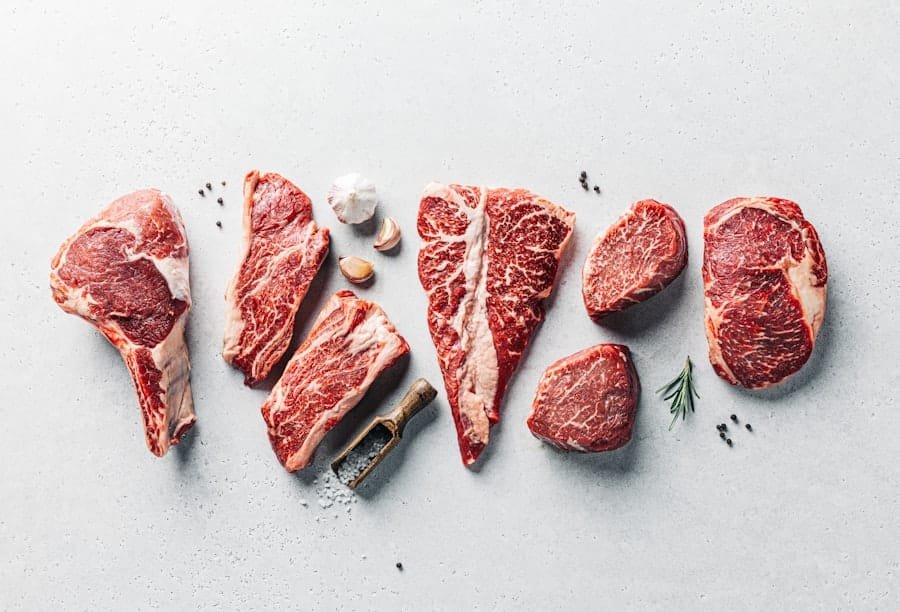
When following a ketogenic diet, it is essential to choose high-quality protein sources that align with the dietary guidelines. Animal-based proteins are often favored due to their complete amino acid profiles and higher fat content. Options such as fatty cuts of meat—like ribeye steak or pork belly—are excellent choices as they provide both protein and healthy fats.
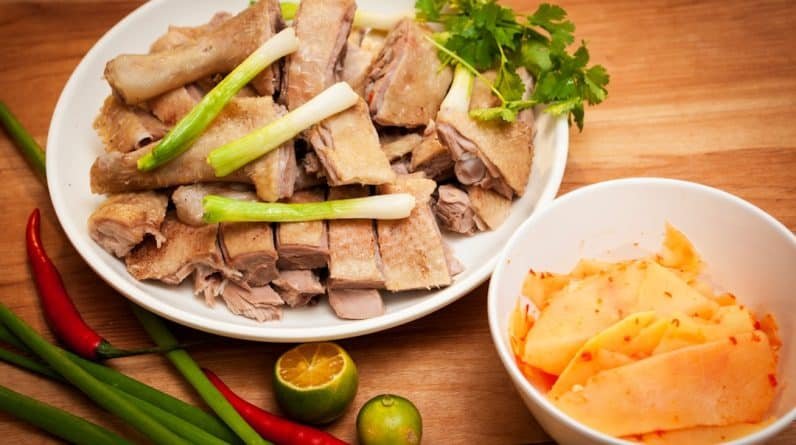
Poultry, such as chicken thighs or duck, also fits well within the keto framework, especially when cooked with skin to retain fat content. In addition to meat and poultry, fish and seafood are outstanding protein sources on keto. Fatty fish like salmon, mackerel, and sardines not only provide protein but are also rich in omega-3 fatty acids, which have anti-inflammatory properties and support heart health.
Eggs are another versatile protein source that can be prepared in various ways while being low in carbohydrates. For those who prefer plant-based options, tofu and tempeh can be included in moderation; however, it’s important to note that these sources may not provide all essential amino acids in sufficient quantities compared to animal proteins.
Calculating Protein Needs on Keto
Determining individual protein needs on a ketogenic diet involves several factors, including age, sex, activity level, and specific health goals. A common guideline suggests that individuals should aim for approximately 0.6 to 1.0 grams of protein per pound of lean body mass per day. For example, a person weighing 150 pounds with 20% body fat would have a lean body mass of around 120 pounds; thus, their protein intake should range from 72 to 120 grams daily.
It’s also important to consider activity levels when calculating protein needs. Athletes or those engaging in resistance training may require higher protein intake to support muscle recovery and growth. In such cases, recommendations may increase to around 1.2 to 1.6 grams per kilogram of body weight.
Tracking macronutrient intake through food diaries or apps can help individuals stay within their desired protein range while ensuring they maintain ketosis.
Protein Intake for Muscle Building on Keto
For those looking to build muscle while adhering to a ketogenic diet, strategic protein intake becomes even more critical. Consuming adequate amounts of protein not only supports muscle repair after workouts but also stimulates muscle protein synthesis—a process essential for muscle growth. Research indicates that consuming around 20-30 grams of high-quality protein post-workout can maximize muscle recovery and growth.
Incorporating resistance training into a keto regimen further enhances muscle-building potential. The combination of adequate protein intake and strength training creates an anabolic environment conducive to muscle hypertrophy. It’s also beneficial to space out protein consumption throughout the day rather than consuming large amounts in one sitting; this approach helps maintain elevated amino acid levels in the bloodstream, promoting continuous muscle repair and growth.
Protein Intake for Weight Loss on Keto
When it comes to weight loss on a ketogenic diet, managing protein intake is crucial for achieving desired results while preserving lean muscle mass. A moderate protein intake can help facilitate fat loss by promoting satiety and reducing overall caloric intake. Studies have shown that higher protein diets can lead to greater weight loss compared to lower-protein diets due to increased feelings of fullness and reduced hunger levels.
However, it’s essential not to overconsume protein on a keto diet, as excessive intake can lead to gluconeogenesis—the process by which the body converts excess amino acids into glucose. This can potentially hinder ketosis and stall weight loss progress. Striking a balance between adequate protein consumption for satiety and muscle preservation while keeping carbohydrate intake low is key to successful weight loss on keto.
Protein and Ketosis
The relationship between protein intake and ketosis is complex and requires careful consideration for those following a ketogenic diet. While protein is necessary for various bodily functions, excessive consumption can disrupt ketosis by increasing blood glucose levels through gluconeogenesis. This process occurs when the body converts surplus amino acids into glucose when carbohydrate intake is insufficient.
To maintain ketosis while ensuring adequate protein intake, individuals should focus on consuming moderate amounts of high-quality proteins while keeping carbohydrates low. This approach allows the body to remain in a state of ketosis while still providing enough amino acids for muscle maintenance and overall health. Monitoring ketone levels through urine strips or blood tests can help individuals gauge their state of ketosis and adjust their macronutrient ratios accordingly.
Protein and Satiety on Keto
One of the significant advantages of incorporating sufficient protein into a ketogenic diet is its impact on satiety—the feeling of fullness after eating. Protein has been shown to be more satiating than carbohydrates or fats due to its effects on hormones that regulate hunger and appetite. Consuming meals rich in protein can lead to increased levels of peptide YY (PYY) and glucagon-like peptide-1 (GLP-1), both of which promote feelings of fullness.
This satiety factor is particularly beneficial for those aiming for weight loss on a keto diet. By prioritizing high-protein foods such as meats, eggs, and dairy products, individuals can effectively manage hunger levels throughout the day, reducing the likelihood of snacking on high-carb foods that could disrupt ketosis. Additionally, incorporating fiber-rich vegetables alongside protein sources can further enhance satiety while providing essential nutrients without significantly increasing carbohydrate intake.
Potential Risks of Excessive Protein on Keto
While protein is an essential macronutrient on a ketogenic diet, excessive consumption can pose certain risks that individuals should be aware of. One significant concern is the potential for gluconeogenesis, where excess amino acids are converted into glucose, potentially leading to elevated blood sugar levels and disrupting ketosis. This phenomenon can hinder weight loss efforts and negate some benefits associated with being in a state of ketosis.
Moreover, high-protein diets may place additional strain on the kidneys over time, particularly in individuals with pre-existing kidney conditions. The kidneys are responsible for filtering waste products from protein metabolism; thus, excessive protein intake could exacerbate kidney issues in susceptible individuals. It’s crucial for those considering a high-protein approach within a ketogenic framework to consult with healthcare professionals or registered dietitians to ensure their dietary choices align with their health status.
Balancing Protein with Fat on Keto
Achieving the right balance between protein and fat is fundamental for success on a ketogenic diet. While protein is vital for muscle maintenance and overall health, fats serve as the primary energy source in ketosis. Striking an appropriate ratio between these macronutrients ensures that individuals remain in ketosis while still meeting their nutritional needs.
A common approach is to aim for a macronutrient distribution where approximately 70-75% of total daily calories come from fats, 20-25% from proteins, and only 5-10% from carbohydrates. This balance allows individuals to enjoy the benefits of both macronutrients—sustained energy from fats while preserving lean muscle mass through adequate protein intake. Experimenting with different ratios may be necessary as individual responses can vary based on factors such as activity level and metabolic rate.
Tips for Meeting Protein Needs on Keto
Meeting protein needs on a ketogenic diet requires planning and mindful food choices. One effective strategy is meal prepping; preparing meals in advance ensures that high-protein options are readily available throughout the week. Incorporating diverse sources of protein—such as meats, fish, eggs, dairy products, and plant-based options—can help prevent dietary monotony while ensuring adequate nutrient intake.
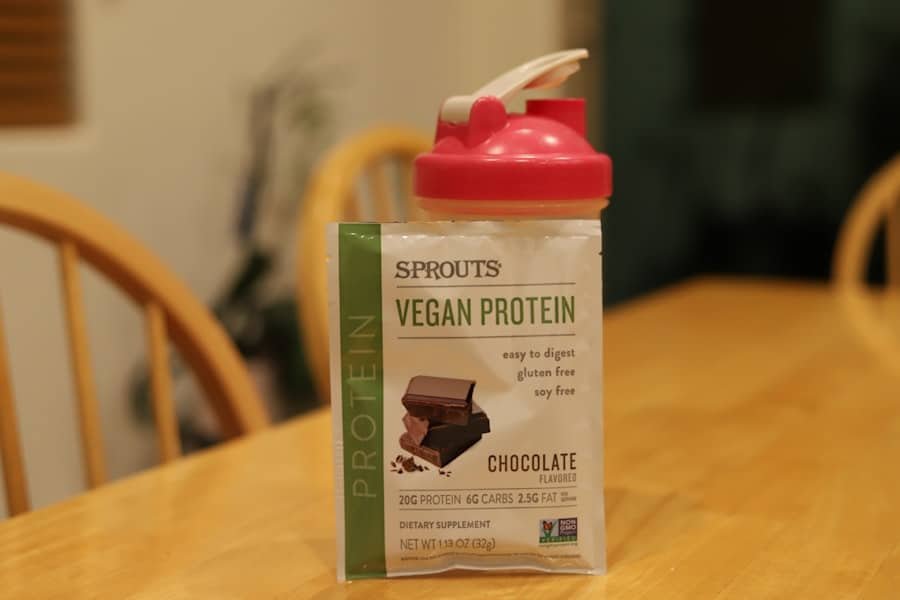
Additionally, utilizing supplements like whey or casein protein powders can be beneficial for those struggling to meet their daily protein goals through whole foods alone. These supplements can be easily added to smoothies or baked goods without significantly increasing carbohydrate content. Lastly, keeping track of daily macronutrient intake using apps or food diaries can provide valuable insights into dietary habits and help individuals stay accountable in meeting their protein needs while adhering to a ketogenic lifestyle.
FAQs
What is the keto diet?
The keto diet is a high-fat, low-carbohydrate diet that has been shown to help with weight loss and improve certain health conditions. It involves drastically reducing carbohydrate intake and replacing it with fat, which puts the body into a metabolic state called ketosis.
How much protein should you consume on a keto diet?
The amount of protein needed on a keto diet can vary depending on individual factors such as age, weight, activity level, and overall health. However, a general guideline is to consume between 0.6 to 1 gram of protein per pound of lean body mass.
Why is protein important on a keto diet?
Protein is important on a keto diet because it helps to maintain muscle mass, support overall health, and keep you feeling full and satisfied. It also plays a role in supporting the body’s metabolic processes and can help with weight management.
What are some good sources of protein on a keto diet?
Good sources of protein on a keto diet include meat, poultry, fish, eggs, dairy products, and plant-based sources such as tofu and tempeh. It’s important to choose high-quality, nutrient-dense sources of protein to support overall health and well-being.
Can consuming too much protein kick you out of ketosis?
Consuming too much protein can potentially kick you out of ketosis, as the body can convert excess protein into glucose through a process called gluconeogenesis. However, this is not a concern for most people unless they are consuming significantly more protein than their body needs. It’s important to find a balance and not overconsume protein on a keto diet.