The ketogenic diet, commonly referred to as the keto diet, is a high-fat, low-carbohydrate eating plan designed to shift your body’s metabolism from burning carbohydrates for energy to burning fat. This metabolic state is known as ketosis. When you significantly reduce your carbohydrate intake, your body begins to look for alternative energy sources, leading to the breakdown of fats into ketones, which can be used as fuel.
This shift not only helps in weight loss but also has been associated with various health benefits, including improved mental clarity and increased energy levels. As you embark on this dietary journey, it’s essential to understand the macronutrient ratios that define the keto diet. Typically, the diet consists of approximately 70-75% fats, 20-25% protein, and only about 5-10% carbohydrates.
This stark contrast to traditional dietary guidelines can be daunting at first, but many find that once they adapt to this new way of eating, they experience a range of positive effects. You may discover that your cravings for sugar and processed foods diminish, and you feel more satisfied after meals due to the satiating nature of fats.
Key Takeaways
- The keto diet is a high-fat, low-carbohydrate eating plan that aims to induce ketosis, a metabolic state in which the body burns fat for fuel.
- Factors affecting weight loss on keto include individual metabolism, calorie intake, macronutrient ratios, and level of physical activity.
- Typical weight loss on keto varies, but many people experience rapid initial weight loss due to water weight reduction and fat burning.
- Rapid weight loss on keto can occur in the first few weeks, but it may slow down over time as the body adapts to the diet.
- Plateaus and stalls on keto are common and may be due to factors such as metabolic adaptation, calorie intake, or inadequate nutrient intake.
- Long-term weight management on keto requires a balanced approach, including regular exercise, adequate nutrient intake, and monitoring of overall health.
- Potential risks and side effects of keto include nutrient deficiencies, keto flu, and long-term impacts on heart health and kidney function.
- In conclusion, keto can be an effective weight loss tool for some individuals, but it’s important to consult with a healthcare professional and make informed choices about long-term dietary habits.
Factors Affecting Weight Loss on Keto
When you start the keto diet, several factors can influence your weight loss journey. One of the most significant factors is your individual metabolism. Everyone’s body responds differently to dietary changes, and your metabolic rate can affect how quickly you enter ketosis and how efficiently you burn fat.
Additionally, your age, gender, and hormonal balance can play crucial roles in determining how effectively you lose weight on this diet. Another important aspect to consider is your adherence to the diet.
If you find yourself frequently indulging in high-carb foods or not tracking your macronutrient intake accurately, you may not achieve the desired results. Furthermore, physical activity levels can also impact weight loss; incorporating regular exercise can enhance fat burning and improve overall health while on the keto diet.
Typical Weight Loss on Keto

As you begin your keto journey, it’s natural to wonder what kind of weight loss you can expect. Many individuals report significant initial weight loss during the first few weeks of the diet, often due to a combination of water weight loss and fat loss. This rapid drop in weight can be motivating and may encourage you to stick with the plan.
On average, people may lose anywhere from 5 to 10 pounds in the first week alone, although results can vary widely based on individual factors. However, it’s essential to set realistic expectations for long-term weight loss. After the initial phase, weight loss may slow down as your body adjusts to its new fuel source.
Many people find that they continue to lose weight at a steady pace of about 1 to 2 pounds per week after the first month. This gradual approach is often more sustainable and healthier than rapid weight loss, allowing your body time to adapt and maintain muscle mass while shedding fat.
Rapid Weight Loss on Keto
While many individuals experience quick weight loss on the keto diet, it’s crucial to understand the reasons behind this phenomenon. The initial rapid weight loss is primarily attributed to a decrease in glycogen stores in your body. Glycogen is stored with water; therefore, when you cut carbs, your body releases this stored glycogen along with water, leading to a significant drop in weight on the scale.
This initial phase can be exhilarating but may also lead to misconceptions about what sustainable weight loss looks like. It’s important to note that while rapid weight loss can be encouraging, it may not always be healthy or sustainable in the long run. As you continue on your keto journey, focusing on fat loss rather than just weight loss becomes essential.
You might find that your body stabilizes after the initial phase, and while the scale may not move as dramatically, you could still be losing fat and gaining muscle. Emphasizing overall health and well-being rather than solely focusing on numbers can lead to a more fulfilling experience on the keto diet.
Plateaus and Stalls on Keto
As you progress on your keto journey, you may encounter plateaus or stalls in your weight loss. These periods can be frustrating and disheartening, especially after experiencing initial success. A plateau occurs when your body adapts to the changes you’ve made, and weight loss slows or stops altogether.
Understanding that this is a common part of any weight loss journey can help you maintain motivation during these challenging times. Several factors can contribute to plateaus on the keto diet. One possibility is that your caloric intake may be too high or too low for your current activity level.
Additionally, hormonal changes or stress can impact your body’s ability to lose weight effectively. It’s essential to assess your eating habits and lifestyle during these times; sometimes making minor adjustments—such as increasing physical activity or tweaking macronutrient ratios—can help reignite progress. Remember that patience is key; weight loss is not always linear, and staying committed will ultimately lead you back on track.
Long-Term Weight Management on Keto
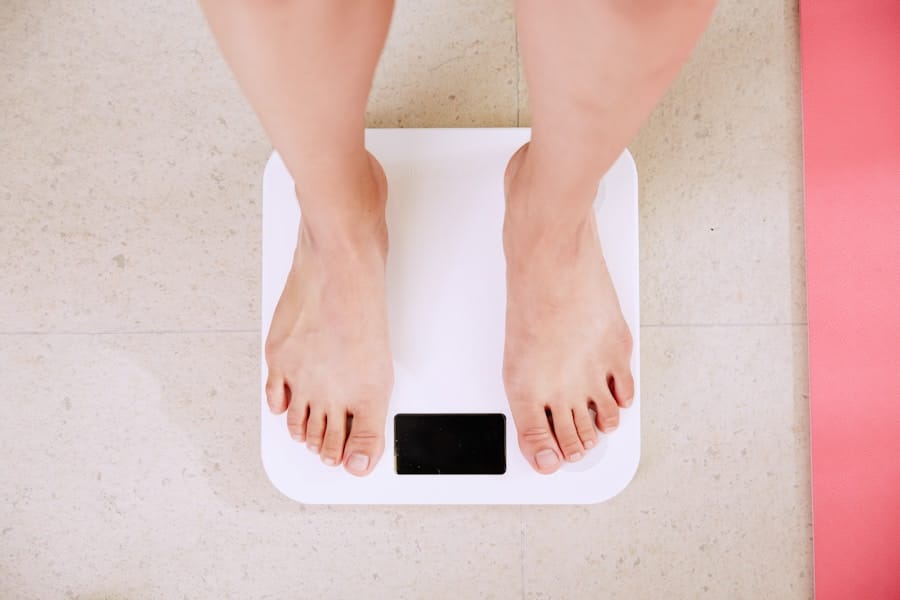
Once you’ve achieved your desired weight loss on the keto diet, maintaining that weight becomes the next challenge. Long-term weight management requires a shift in mindset and habits. It’s crucial to develop a sustainable approach that allows you to enjoy food while still adhering to a low-carb lifestyle.
Many individuals find success by gradually reintroducing certain foods while remaining mindful of their carbohydrate intake. Incorporating regular physical activity into your routine is also vital for long-term success. Exercise not only helps maintain muscle mass but also supports overall health and well-being.
Additionally, staying connected with a community or support group can provide motivation and accountability as you navigate this new lifestyle. Remember that maintaining weight is an ongoing process; it’s about finding balance and making choices that align with your health goals.
Potential Risks and Side Effects of Keto
While the keto diet offers numerous benefits, it’s essential to be aware of potential risks and side effects associated with this eating plan. Some individuals may experience what is commonly referred to as “keto flu” during the initial transition into ketosis. Symptoms can include fatigue, headaches, irritability, and digestive issues as your body adapts to burning fat for fuel instead of carbohydrates.
Staying hydrated and ensuring adequate electrolyte intake can help alleviate these symptoms. Long-term adherence to a strict ketogenic diet may also pose risks if not managed properly. Nutrient deficiencies can arise if you do not consume a variety of foods within the allowed macronutrient framework.
It’s crucial to focus on whole foods rich in vitamins and minerals while avoiding processed options high in unhealthy fats. Consulting with a healthcare professional or registered dietitian before starting the keto diet can help ensure that you are making informed choices that support your health.
Conclusion and Recommendations
In conclusion, the ketogenic diet can be an effective tool for weight loss and improved health when approached thoughtfully and sustainably. Understanding how the diet works, recognizing factors that influence weight loss, and being prepared for potential challenges are all essential components of success on this journey. As you navigate through plateaus and stalls, remember that patience and persistence are key.
If you decide to embark on this dietary path, consider keeping a food journal or using apps to track your macronutrient intake. This practice can help you stay accountable and make necessary adjustments along the way. Additionally, prioritize whole foods over processed options to ensure you’re getting adequate nutrition while enjoying the benefits of a low-carb lifestyle.
Ultimately, finding a balance that works for you will lead to lasting results and improved overall well-being on your keto journey.
FAQs
What is the keto diet?
The keto diet is a high-fat, low-carbohydrate diet that has been shown to help with weight loss and improve certain health conditions. It involves drastically reducing carbohydrate intake and replacing it with fat, which puts the body into a metabolic state called ketosis.
How does the keto diet lead to weight loss?
The keto diet leads to weight loss by forcing the body to burn fat for fuel instead of carbohydrates. This can result in a reduction in body fat and overall weight.
How much weight can you lose on the keto diet?
The amount of weight a person can lose on the keto diet varies depending on factors such as starting weight, adherence to the diet, and individual metabolism. Some people may experience rapid weight loss in the first few weeks, while others may see a more gradual reduction in weight over time.
Is the weight loss on the keto diet sustainable?
The sustainability of weight loss on the keto diet depends on whether a person is able to maintain the dietary changes in the long term. Some people may find it challenging to adhere to the strict carbohydrate restrictions of the keto diet, which can impact the sustainability of weight loss.
Are there any potential health risks associated with the keto diet?
While the keto diet has been shown to be effective for weight loss and improving certain health conditions, it may not be suitable for everyone. Potential health risks of the keto diet include nutrient deficiencies, increased cholesterol levels, and the potential for developing kidney stones. It is important to consult with a healthcare professional before starting any new diet.