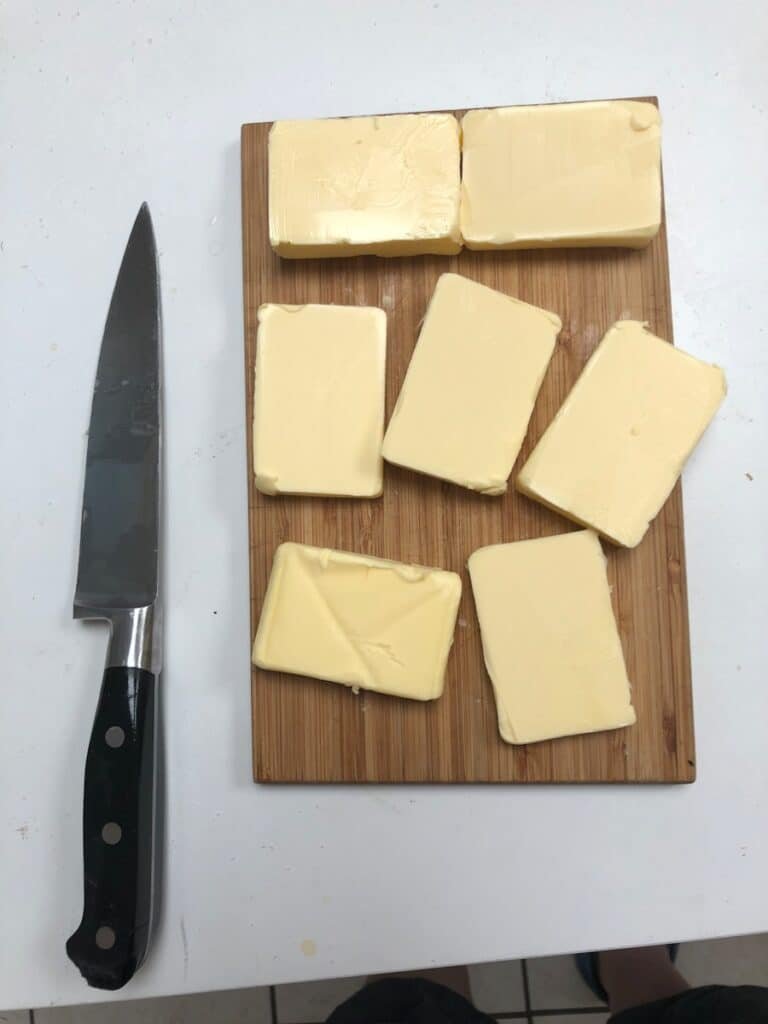
The ketogenic diet, commonly known as the keto diet, has gained immense popularity in recent years as a method for weight loss and improved health. At its core, the keto diet is a low-carbohydrate, high-fat eating plan that aims to shift your body into a state of ketosis. In this metabolic state, your body becomes highly efficient at burning fat for energy instead of relying on carbohydrates.
This shift can lead to significant weight loss and various health benefits, including improved mental clarity and reduced inflammation. As you embark on this dietary journey, understanding the role of different foods, particularly cheese, is crucial. Cheese is often a beloved food for many, and it can fit seamlessly into the keto lifestyle.
Rich in fats and low in carbohydrates, cheese can be a satisfying addition to your meals and snacks. However, not all cheeses are created equal, and their nutritional profiles can vary significantly. As you navigate the keto diet, it’s essential to understand how cheese can complement your eating plan while also being mindful of its potential pitfalls.
By grasping the fundamentals of the keto diet and the role of cheese within it, you can make informed choices that align with your health goals.
Key Takeaways
- Cheese is a popular and versatile ingredient in the keto diet, as it is low in carbs and high in fat and protein.
- Portion control is crucial when consuming cheese on a keto diet, as it is calorie-dense and can easily lead to overconsumption.
- The best types of cheese for a keto diet are those that are high in fat and low in carbs, such as cheddar, brie, and cream cheese.
- Cheese can be incorporated into a variety of keto-friendly recipes, such as cauliflower mac and cheese, cheese-stuffed meatballs, and cheese and spinach-stuffed chicken.
- Consuming too much cheese on a keto diet can lead to potential drawbacks such as weight loss plateaus and digestive issues, so moderation is key.
- To moderate cheese intake on a keto diet, it is important to measure portions, choose lower calorie and fat options, and balance cheese consumption with other nutrient-dense foods.
- Balancing cheese consumption with other nutrient-dense foods such as leafy greens, avocados, and fatty fish is important for meeting overall nutrient needs on a keto diet.
The Role of Cheese in a Keto Diet
The Nutritional Benefits of Cheese
Additionally, cheese is packed with protein and essential nutrients like calcium, which supports bone health. This makes it not only a delicious option but also a nutritionally sound one. Moreover, cheese can add flavor and variety to your meals, making it easier to stick to your dietary plan.
Cheese: A Versatile Ingredient
Whether you sprinkle some grated Parmesan over a salad or melt cheddar on top of a cauliflower casserole, cheese can enhance the taste of your dishes while keeping them keto-friendly. The versatility of cheese allows you to experiment with different types and flavors, ensuring that your meals remain exciting and satisfying throughout your keto journey.
Staying on Track with Cheese
The Importance of Portion Control
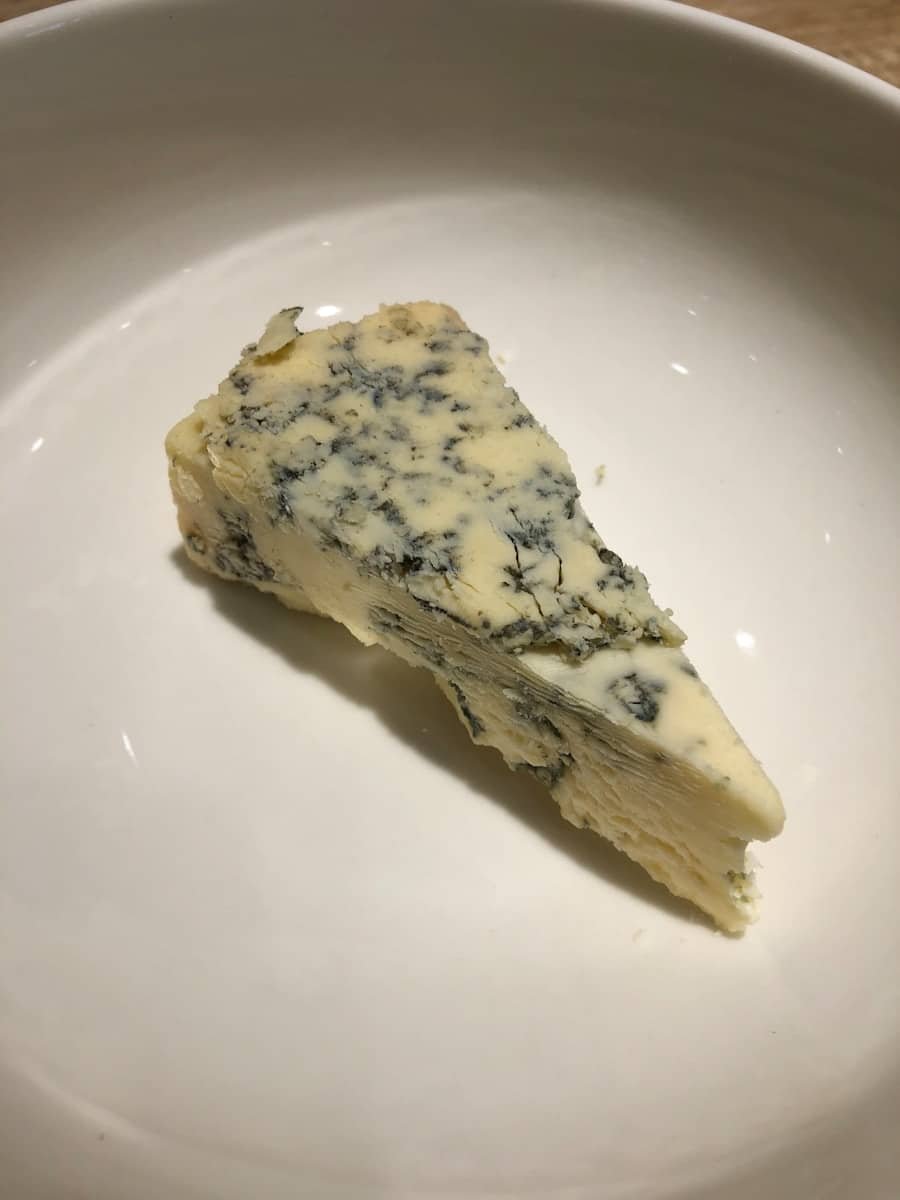
While cheese can be a fantastic addition to your keto diet, portion control is vital to ensure you don’t overindulge. It’s easy to lose track of how much cheese you consume, especially when it’s so delicious and readily available. Overeating cheese can lead to excessive calorie intake, which may hinder your weight loss efforts or even lead to weight gain.
Therefore, being mindful of portion sizes is essential for maintaining balance in your diet. To effectively manage your cheese consumption, consider measuring out servings rather than eating directly from the package. This simple practice can help you become more aware of how much you’re eating and prevent mindless snacking.
Additionally, pairing cheese with other nutrient-dense foods can help you feel fuller while keeping your portions in check. For instance, combining cheese with vegetables or nuts can create a satisfying snack that satisfies your cravings without going overboard on calories.
Best Types of Cheese for Keto
When selecting cheese for your keto diet, some varieties stand out as particularly beneficial due to their low carbohydrate content and high fat levels. Hard cheeses like cheddar, Gouda, and Parmesan are excellent choices because they typically contain fewer carbs than softer cheeses. These cheeses are also rich in flavor, allowing you to use smaller amounts while still enjoying their taste.
Cream cheese and mascarpone are also great options for those on a keto diet. They are versatile ingredients that can be used in both savory and sweet dishes. Additionally, goat cheese offers a unique flavor profile and is lower in lactose, making it easier for some individuals to digest.
As you explore different types of cheese, consider experimenting with various flavors and textures to find what you enjoy most while adhering to your dietary goals.
Incorporating Cheese into Keto-Friendly Recipes
Incorporating cheese into your meals can be both creative and delicious. There are countless ways to enjoy cheese while staying true to your keto lifestyle. For instance, you might try making a cheesy cauliflower bake by mixing steamed cauliflower with cream cheese and shredded cheddar before baking until bubbly and golden brown.
This dish not only satisfies your cheesy cravings but also provides a healthy serving of vegetables. Another fantastic way to enjoy cheese is by creating keto-friendly snacks. Cheese crisps are an easy-to-make treat that involves baking shredded cheese until crispy.
These can serve as a crunchy alternative to traditional chips or crackers. You can also whip up a creamy cheese dip using cream cheese and spices for a delightful accompaniment to fresh veggies or low-carb crackers. The possibilities are endless when it comes to incorporating cheese into your recipes while keeping them aligned with your keto goals.
Potential Drawbacks of Consuming Too Much Cheese on Keto

Despite its many benefits, consuming too much cheese on a keto diet can have potential drawbacks that you should be aware of. One concern is that excessive cheese intake may lead to an imbalance in your nutrient intake. While cheese is high in fat and protein, it may lack certain vitamins and minerals that are essential for overall health.
Relying too heavily on cheese could result in deficiencies if you’re not incorporating a variety of other foods into your diet. Additionally, some individuals may experience digestive issues when consuming large amounts of dairy products like cheese. Lactose intolerance is common among many people, leading to symptoms such as bloating or discomfort after eating dairy.
If you notice any adverse reactions after indulging in cheese, it may be worth moderating your intake or exploring lactose-free options. Being mindful of how your body responds to cheese will help you maintain a healthy balance in your diet.
Tips for Moderating Cheese Intake on Keto
To ensure that you enjoy cheese without overdoing it, consider implementing some practical tips for moderation. First and foremost, set clear serving sizes for yourself when enjoying cheese-based dishes or snacks. Using measuring cups or a food scale can help you accurately gauge portions and prevent mindless eating.
Another effective strategy is to diversify your meals by incorporating other sources of healthy fats and proteins alongside cheese. Avocados, nuts, seeds, and fatty fish are all excellent options that can complement your meals while providing additional nutrients. By creating balanced plates that include various food groups, you’ll find it easier to enjoy cheese without relying solely on it for flavor or satisfaction.
Balancing Cheese Consumption with Other Nutrient-Dense Foods
Achieving a well-rounded diet on keto involves balancing your cheese consumption with other nutrient-dense foods. While cheese is undoubtedly delicious and offers several benefits, it’s essential to include a variety of vegetables, healthy fats, and proteins in your meals as well. Leafy greens like spinach and kale provide essential vitamins and minerals while being low in carbs, making them perfect companions for cheesy dishes.
Incorporating healthy fats from sources like olive oil or avocado can enhance the nutritional profile of your meals while keeping them satisfying. Additionally, lean proteins such as chicken or fish can help round out your plate and provide the necessary building blocks for muscle maintenance and overall health. By focusing on variety and balance in your diet, you’ll not only enjoy the flavors of cheese but also support your overall well-being on the keto journey.
In conclusion, understanding the role of cheese within the context of the keto diet is essential for making informed dietary choices. By being mindful of portion sizes and selecting the best types of cheese while incorporating them into creative recipes, you can enjoy this beloved food without compromising your health goals. Balancing cheese consumption with other nutrient-dense foods will further enhance your overall dietary experience on keto, allowing you to savor every bite while reaping the benefits of this popular eating plan.
FAQs
What is the keto diet?
The keto diet is a high-fat, low-carbohydrate diet that has been shown to help with weight loss and improve certain health conditions such as epilepsy and diabetes.
Is cheese allowed on the keto diet?
Yes, cheese is allowed on the keto diet as it is high in fat and low in carbohydrates, making it a suitable option for those following the diet.
How much cheese can I eat on the keto diet?
The amount of cheese you can eat on the keto diet depends on your individual macronutrient needs and calorie goals. It’s important to monitor your portion sizes and overall calorie intake to ensure you are staying within your daily limits.
What are the best types of cheese to eat on the keto diet?
The best types of cheese to eat on the keto diet are those that are high in fat and low in carbohydrates, such as cheddar, brie, mozzarella, and cream cheese.
Are there any cheeses to avoid on the keto diet?
Some cheeses, such as processed cheese slices and cheese spreads, may contain added sugars and other ingredients that can increase the carbohydrate content. It’s best to check the nutrition label and choose natural, unprocessed cheeses when following the keto diet.