
Embarking on a ketogenic diet can be an exciting journey toward improved health and weight management. However, as you navigate this low-carb lifestyle, it’s crucial to be aware of the foods that may inadvertently trigger inflammation in your body. Inflammation is a natural response of your immune system, but chronic inflammation can lead to various health issues, including heart disease, diabetes, and autoimmune disorders.
Understanding which foods can contribute to this inflammatory response is essential for maximizing the benefits of your keto diet. As you delve deeper into the world of keto, you may find that not all low-carb foods are created equal. While the diet emphasizes high-fat and low-carb intake, certain foods can still provoke inflammation, undermining your health goals.
By identifying and avoiding these inflammatory foods, you can enhance your overall well-being and ensure that your body remains in a state of ketosis. This article will guide you through the various categories of inflammatory foods to avoid while on a ketogenic diet, helping you make informed choices that align with your health objectives.
Key Takeaways
- Inflammatory foods can hinder the success of a keto diet by causing inflammation in the body.
- Processed and cured meats should be avoided on the keto diet due to their potential to cause inflammation.
- High-sugar fruits and fruit juices should be limited as they can spike blood sugar and contribute to inflammation.
- Refined carbohydrates and grains should be avoided on the keto diet to reduce inflammation in the body.
- Vegetable oils, trans fats, and certain dairy products can contribute to inflammation and should be eliminated from the keto diet.
Why Inflammation is a Concern on the Keto Diet
The Negative Impact of Inflammation
However, consuming foods that promote inflammation can hinder these benefits and even lead to adverse effects. Chronic inflammation can cause increased insulin resistance and heightened oxidative stress, which can stall weight loss efforts and increase the risk of developing serious health conditions over time.
The Power of Food Choices
By being mindful of the foods you consume on a keto diet, you can help mitigate inflammation and support your body’s natural healing processes. This awareness will empower you to make choices that promote long-term health and vitality.
Empowering Healthy Choices
By making informed food choices, you can take control of your health and well-being, and reap the benefits of a ketogenic diet.
Processed Meats and Cured Meats to Avoid
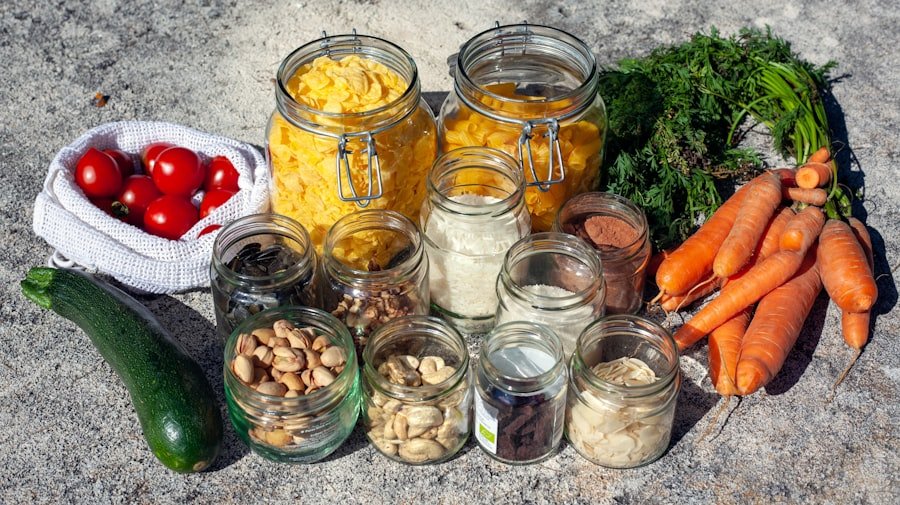
When it comes to protein sources on a ketogenic diet, processed and cured meats often seem like convenient options. However, these types of meats can be significant contributors to inflammation due to their high levels of preservatives, sodium, and unhealthy fats. Common examples include bacon, hot dogs, and deli meats, which are often loaded with nitrates and nitrites—compounds linked to increased inflammation and various health risks.
Instead of reaching for these processed options, consider incorporating fresh, unprocessed meats into your meals. Grass-fed beef, free-range chicken, and wild-caught fish are excellent alternatives that provide essential nutrients without the inflammatory additives found in processed meats. By prioritizing whole food sources of protein, you can enjoy the benefits of a keto diet while minimizing your risk of inflammation.
High-Sugar Fruits and Fruit Juices to Limit
While fruits are often considered healthy, many high-sugar varieties can disrupt your ketogenic goals and contribute to inflammation. Fruits like bananas, grapes, and pineapples are packed with natural sugars that can spike your blood glucose levels, leading to an inflammatory response in the body. Additionally, fruit juices—often marketed as healthy options—are typically stripped of their fiber content and can contain concentrated amounts of sugar.
To maintain a state of ketosis while minimizing inflammation, focus on low-sugar fruits such as berries, avocados, and olives. These options are not only lower in carbohydrates but also rich in antioxidants and anti-inflammatory compounds that can support your overall health. By making mindful choices about the fruits you consume, you can enjoy their benefits without compromising your keto journey.
Refined Carbohydrates and Grains to Steer Clear of
Refined carbohydrates and grains are notorious for their inflammatory properties. Foods such as white bread, pasta, pastries, and sugary cereals can cause rapid spikes in blood sugar levels, leading to increased insulin production and subsequent inflammation. On a ketogenic diet, these foods are generally avoided due to their high carbohydrate content; however, it’s essential to remain vigilant about hidden sources of refined carbs that may sneak into your meals.
Instead of refined grains, opt for whole food alternatives that align with your keto lifestyle. Consider using almond flour or coconut flour for baking or creating low-carb versions of your favorite dishes. These alternatives not only help you stay within your carbohydrate limits but also provide additional nutrients that support your health while reducing inflammation.
Vegetable Oils and Trans Fats to Eliminate
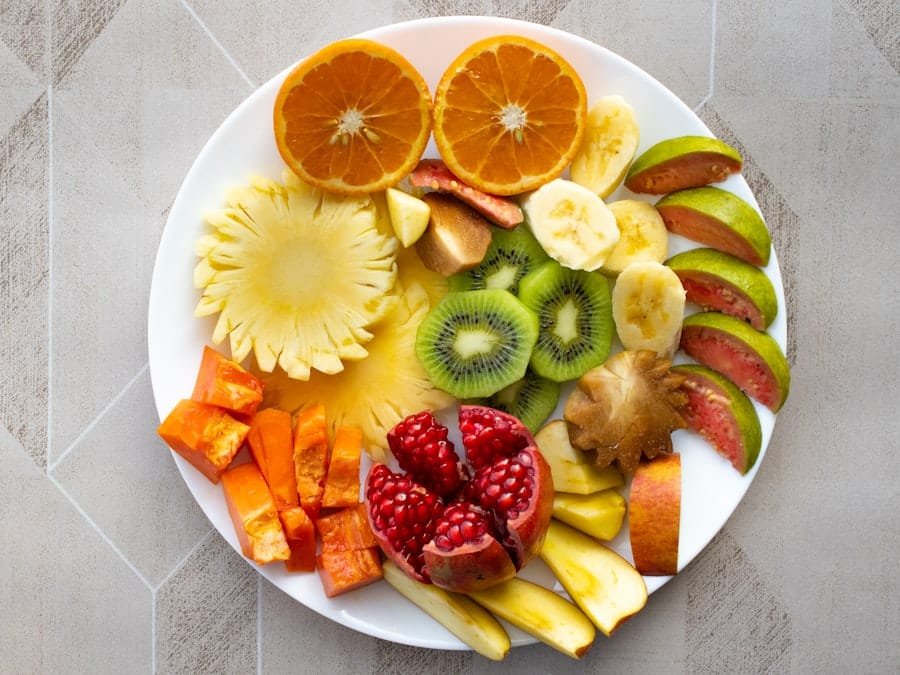
When cooking or preparing meals on a ketogenic diet, the type of fats you use is crucial for maintaining health and minimizing inflammation. Many common vegetable oils—such as soybean oil, corn oil, and canola oil—are high in omega-6 fatty acids, which can promote inflammation when consumed in excess. Additionally, trans fats found in many processed foods are known to increase inflammatory markers in the body and should be avoided at all costs.
To support your health while on keto, focus on incorporating healthy fats into your diet. Options like olive oil, avocado oil, coconut oil, and grass-fed butter are excellent choices that not only provide flavor but also offer anti-inflammatory benefits. By being mindful of the fats you use in cooking and meal preparation, you can create delicious dishes that nourish your body without triggering inflammation.
Dairy Products that Can Cause Inflammation
Dairy products can be a contentious topic within the ketogenic community. While some individuals tolerate dairy well and find it beneficial for their keto journey, others may experience inflammation due to lactose intolerance or sensitivity to casein proteins found in milk. Common dairy products like cheese, yogurt, and cream can lead to digestive issues or inflammatory responses in those who are sensitive.
If you suspect that dairy may be causing inflammation in your body, consider experimenting with dairy-free alternatives or opting for high-quality sources like grass-fed butter or ghee. These options tend to be lower in lactose and may be better tolerated by those with sensitivities. Additionally, incorporating non-dairy sources of healthy fats—such as nuts and seeds—can help you maintain a balanced keto diet without the potential inflammatory effects of certain dairy products.
Artificial Sweeteners and Additives to Watch Out For
While the ketogenic diet allows for some sweet indulgences through low-carb sweeteners, not all artificial sweeteners are created equal. Many sugar substitutes—such as aspartame and sucralose—can lead to digestive issues or trigger inflammatory responses in some individuals. Additionally, many processed foods contain additives and preservatives that may contribute to inflammation over time.
To avoid these potential pitfalls, consider using natural sweeteners like stevia or erythritol in moderation. These options tend to have minimal impact on blood sugar levels and are less likely to provoke an inflammatory response compared to their artificial counterparts. By being selective about the sweeteners and additives you incorporate into your diet, you can enjoy flavorful meals while supporting your overall health.
Alcohol and Its Inflammatory Effects on the Body
Alcohol consumption is another area where caution is warranted on a ketogenic diet. While some studies suggest that moderate alcohol intake may have certain health benefits, excessive consumption can lead to increased inflammation in the body. Alcohol can disrupt gut health, impair liver function, and contribute to oxidative stress—all factors that can exacerbate inflammation.
If you choose to include alcohol in your keto lifestyle, opt for low-carb options such as dry wines or spirits mixed with soda water instead of sugary cocktails or sweet wines. Moderation is key; being mindful of how much alcohol you consume will help you maintain a balanced approach while minimizing its potential inflammatory effects.
Tips for Avoiding Inflammatory Foods on Keto
Navigating the world of food choices on a ketogenic diet doesn’t have to be overwhelming. To effectively avoid inflammatory foods while still enjoying delicious meals, consider implementing a few practical tips into your routine. First and foremost, prioritize whole foods over processed options whenever possible.
Fresh vegetables, high-quality proteins, healthy fats, and low-sugar fruits should form the foundation of your meals. Meal prepping is another effective strategy for staying on track with your dietary goals. By planning ahead and preparing meals in advance, you can ensure that you have healthy options readily available when hunger strikes.
Additionally, reading labels carefully will help you identify hidden sources of sugar or unhealthy fats in packaged foods. By arming yourself with knowledge about what goes into your meals, you’ll be better equipped to make choices that support your health.
Conclusion and Final Thoughts on Inflammatory Foods to Avoid on Keto
In conclusion, being aware of inflammatory foods is essential for anyone following a ketogenic diet. By understanding which foods can trigger inflammation—such as processed meats, high-sugar fruits, refined carbohydrates, unhealthy fats, dairy products for some individuals, artificial sweeteners, and excessive alcohol—you can make informed choices that align with your health goals. The journey toward optimal health on keto is not just about cutting carbs; it’s also about nourishing your body with wholesome ingredients that promote healing rather than harm.
As you continue on this path toward better health through a ketogenic lifestyle, remember that knowledge is power. By educating yourself about the potential inflammatory effects of certain foods and making conscious choices about what you consume, you’ll be well-equipped to enjoy the benefits of ketosis while minimizing any negative impacts on your body. Embrace this opportunity for growth and transformation as you cultivate a healthier relationship with food—one that supports both your keto journey and overall well-being.
FAQs
What are inflammatory foods?
Inflammatory foods are those that can trigger an inflammatory response in the body, leading to increased levels of inflammation. This can contribute to various health issues such as arthritis, heart disease, and diabetes.
What are some examples of inflammatory foods?
Some common examples of inflammatory foods include processed sugars, refined carbohydrates, trans fats, and excessive consumption of omega-6 fatty acids found in vegetable oils.
How do inflammatory foods affect the keto diet?
Inflammatory foods can disrupt the state of ketosis, which is the metabolic state that the keto diet aims to achieve. Consuming inflammatory foods can lead to increased inflammation in the body, which can counteract the benefits of the keto diet.
What are some inflammatory foods to avoid on the keto diet?
Some inflammatory foods to avoid on the keto diet include refined sugars, processed foods, vegetable oils high in omega-6 fatty acids, and excessive consumption of dairy and red meat.
Are there any alternatives to inflammatory foods on the keto diet?
Yes, there are plenty of alternatives to inflammatory foods on the keto diet. For example, you can opt for natural sweeteners like stevia or monk fruit instead of refined sugars, and choose healthy fats like avocados and olive oil instead of vegetable oils high in omega-6 fatty acids.